Alice Neel
Oyuncu · 1900 – 1984 · Pennsylvania, USA
Alice Neel (January 28, 1900 – October 13, 1984) was an American visual artist, who was known for her portraits depicting friends, family, lovers, poets, artists, and strangers. Her career spanned from the 1920s to 1980s. Her paintings have an expressionistic use of line and color, psychological acumen, and emotional intensity. She pursued a career as a figurative painter during a period when abstraction was favored, and she did not begin to gain critical praise for her work until the 1960s. She was connected to the Beat Generation of the 1950s. From Wikipedia.
Filmler5
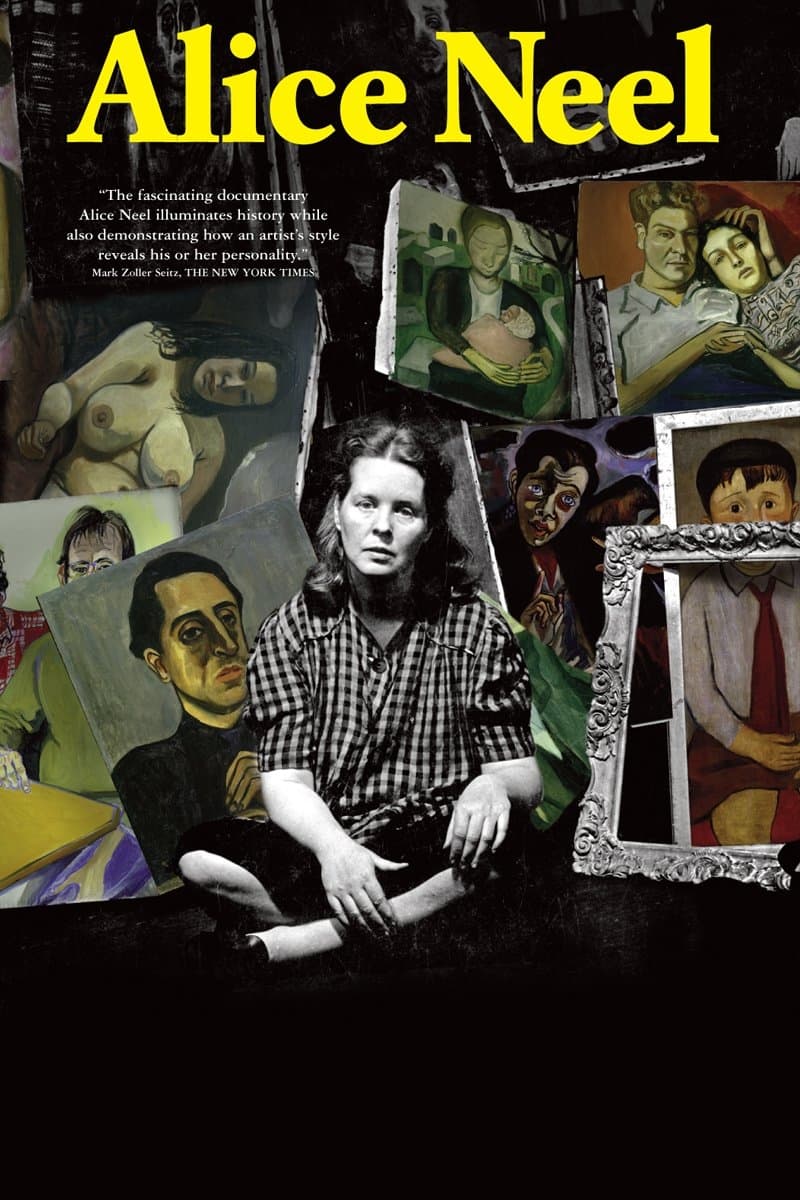 Film4.3Belgesel
The life and work of Alice Neel (1900-1984), American portrait painter. Part of the narration is chronological, part consists of interviews with friends, other artists, scholars, and family members, particularly two sons, Richard and Hartley, who are none too sanguine about their childhood and their mother's Bohemian life, and the filmmaker himself, a grandson whose querulous voice is heard from time to time. The film also includes footage of Neel, later in life, painting, talking, appearing on television, and giving lectures. Throughout, we see her paintings, bold, frank, and direct. After years of poverty and obscurity, fame comes as she nears 70.
Alice Neel
2007 · 3 votes
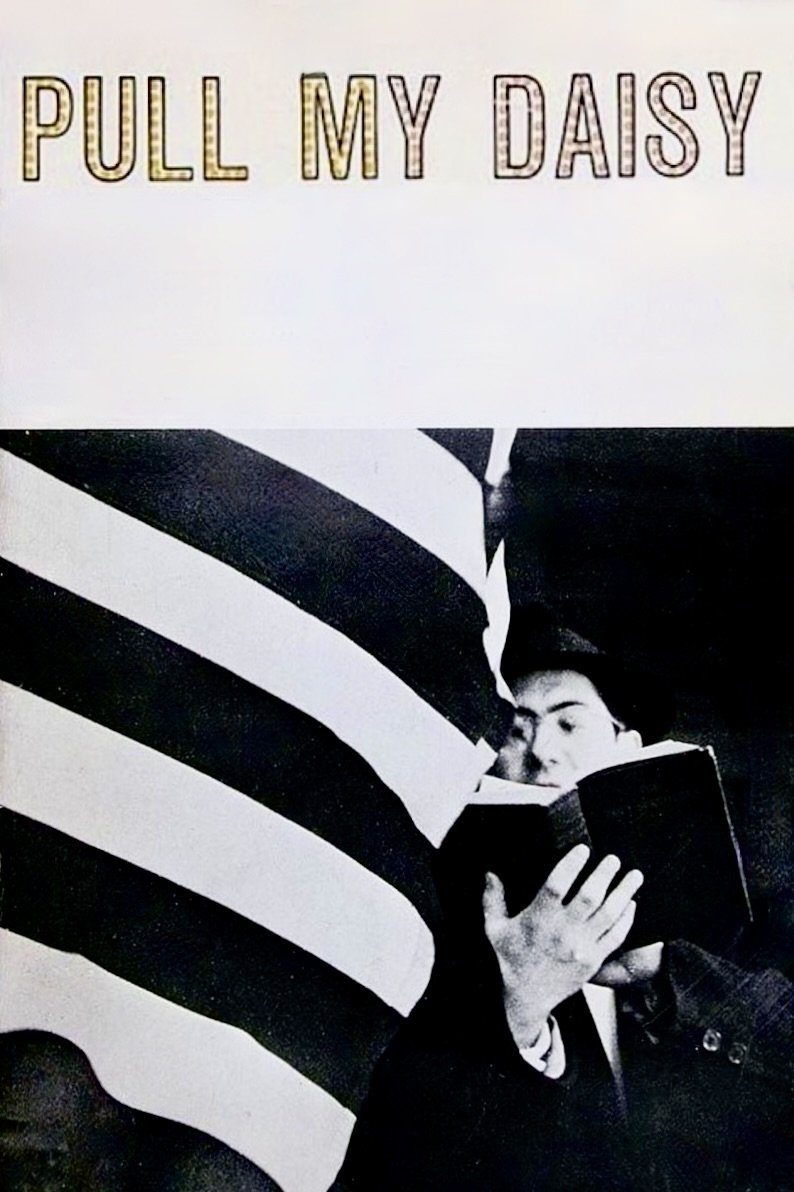 Film6.1KomediDram
Based on an incident in the life of Beat icon Neal Cassady and his wife, the painter Carolyn, the film tells the story of a railway brakeman whose wife invites a respected bishop over for dinner. However, the brakeman's Bohemian friends crash the party, with comic results. Pull My Daisy is a film that typifies the Beat Generation. Directed by Robert Frank and Alfred Leslie, Daisy was adapted by Jack Kerouac from the third act of his play, Beat Generation; Kerouac also provided improvised narration.
Pull My Daisy
1959 · 30 votes
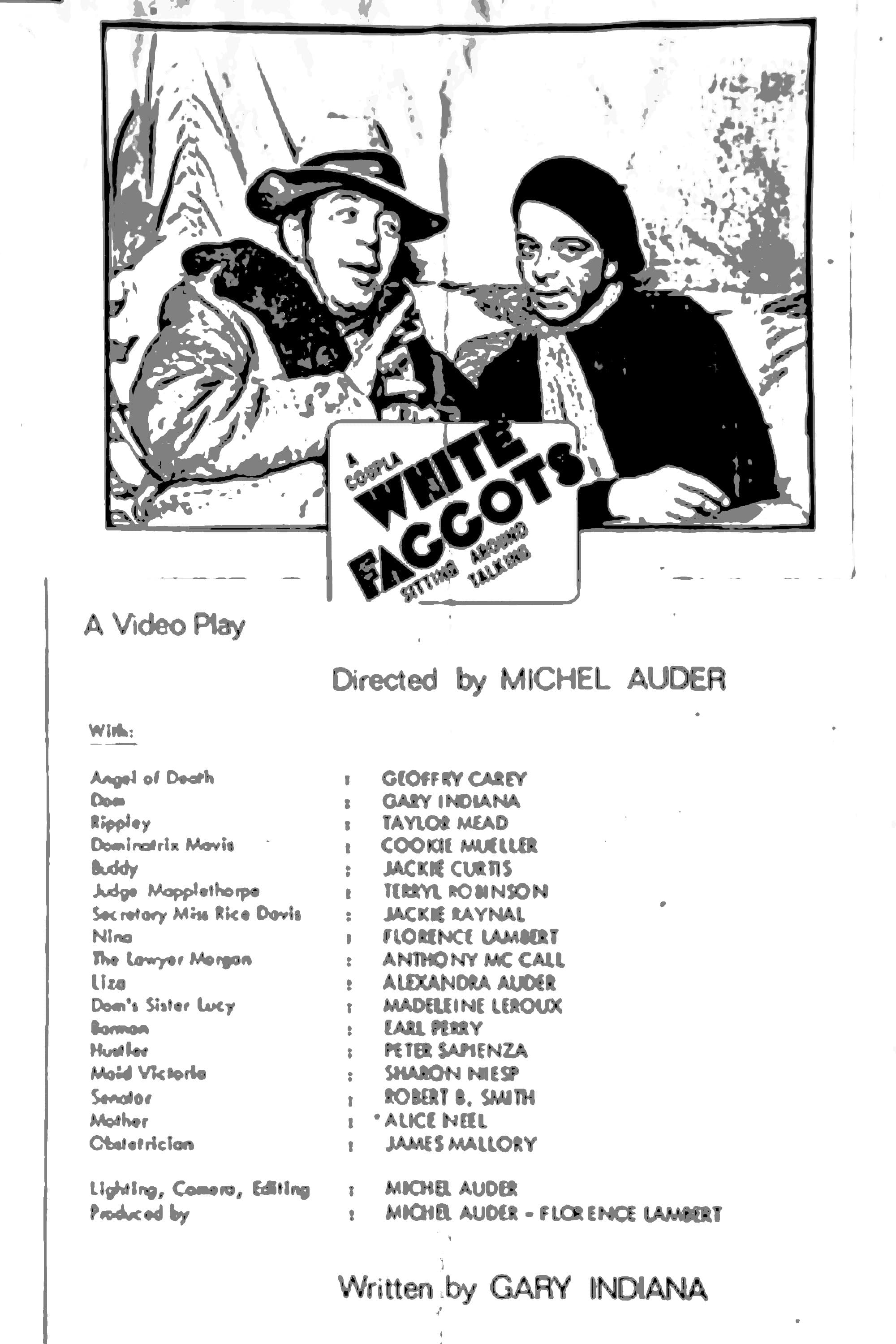 FilmKomedi
- Film9.0
a fictional autobiography in which a day from the artist’s life—filtered, edited, mediated, and performed by another actor—becomes the “ghost” of the person, a doubled identity that can never fully capture its subject. The work also conjures the spectral presence of a long-gone New York City, an uncanny body-double on the verge of austerity and collapse.
Chasing the Dragon
1982 · 1 votes
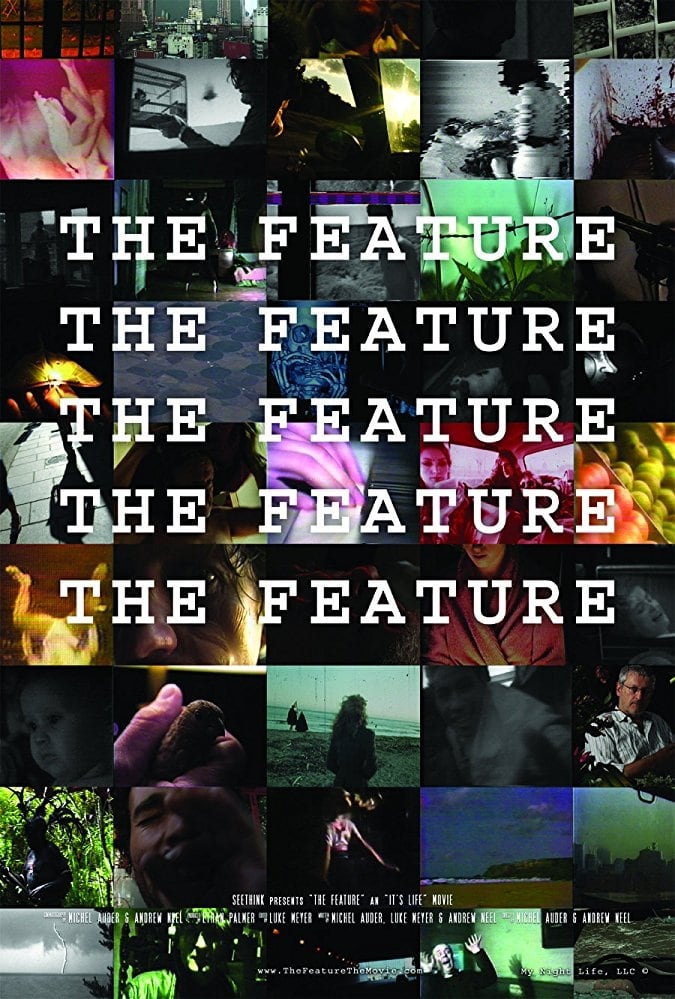 Film8.0Belgesel
The Feature does not reconcile fact and fiction; instead, it blurs the definitions seemingly represented by the film’s two clearly demarcated registers: that of the archival footage and that of the new, theatrical material. In his guise as “Michel Auder,” living a fulsome and extravagant life, replete with beautiful women and a rock-cut pool overlooking Los Angeles, the art world is revealed as a sham, and his character exhibits a repulsive narcissism. And yet, when caught in quiet moments, something poignant emerges—a glimmer of truth that rebels against the entire endeavour. Or maybe, that’s what makes The Feature.
The Feature
2008 · 1 votes