Umm Kulthum
Oyuncu · 1898 – 1975 · Tamay Az-Zahayrah, Egypt
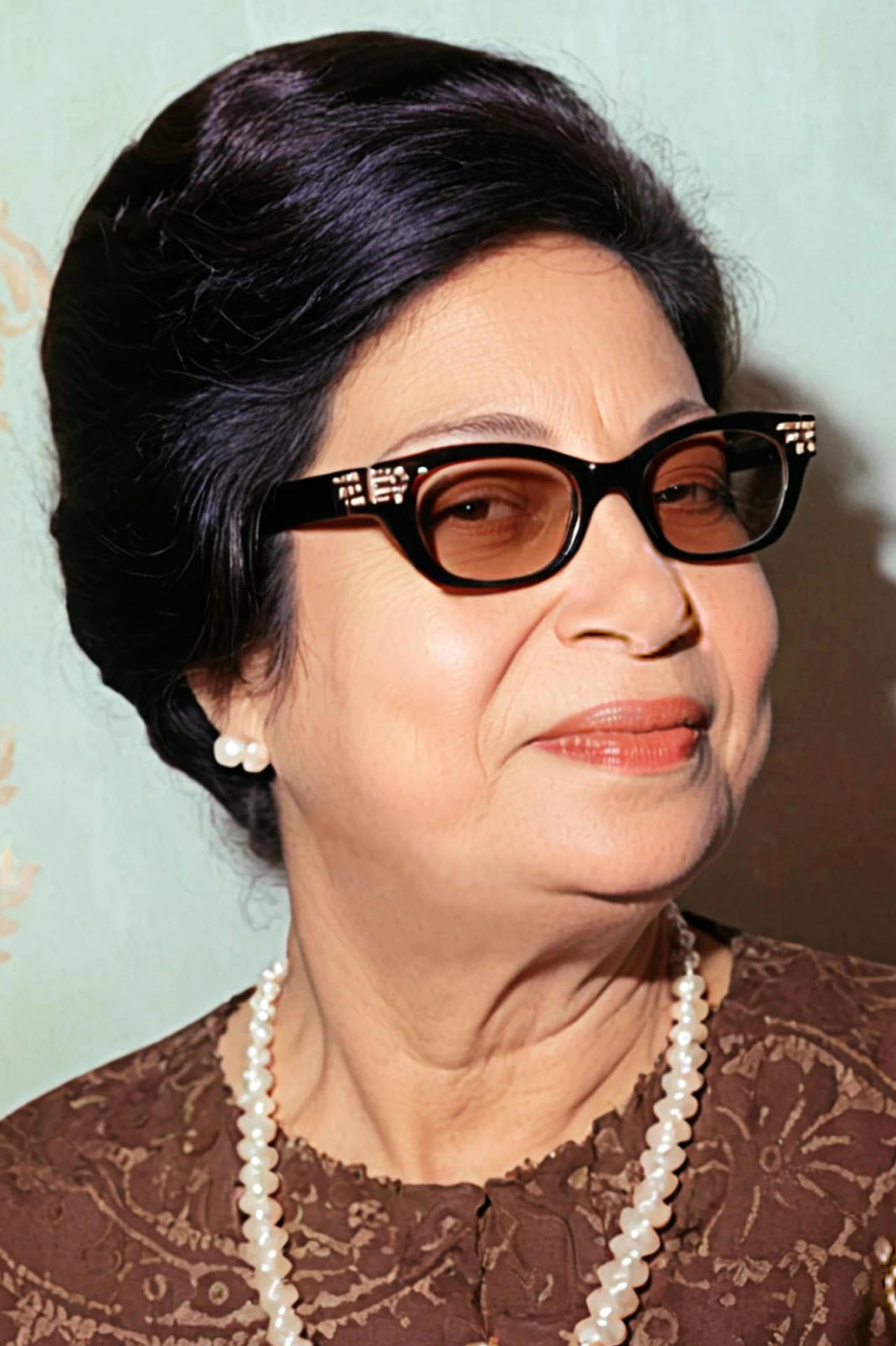
Fatima Ibrahim as-Sayyid al-Beltagi (Arabic: فاطمة إبراهيم السيد البلتاجي), known as Umm Kalthoum (Arabic: أم كلثوم), also spelled Oum Kalsoum (or Om-e Kalsūm in Egyptian dialect) or sometimes Umm Kulthum, and nicknamed "Souma", is an Egyptian singer, musician and actress, born December 31, 1898 in Ṭamāy al-Zahāyira (in the Simballāwayn district of the Dakhleya governorate in Egypt) and died February 3, 1975 in Cairo. Referred to by various nicknames, including "the Star of the East", "the Lady", "the Fourth Pyramid" and "the People's Singer", she is generally considered the greatest singer in the Arab world. President Nasser, whose favorite singer she was, exempted her from taxes for life. In Cairo, people used to say: "Egypt is Nasser, Umm Kulthum and the pyramids". Charles de Gaulle called her "The Lady" and Maria Callas "The Incomparable Voice". From a young age, Umm Kulthum showed an exceptional talent for singing. Her father, a strict sheikh, often took her and her brother with him to religious ceremonies to chant verses from the Quran. One day, when her brother was ill, she took his place and immediately captivated the audience with her voice. This marked the beginning of her musical career. She began by singing religious songs, often disguised as a boy to respect her father's austere morals. Her reputation quickly spread, and she was invited to perform throughout Dakahlieh and even in the capital, Zagazig. A renowned singer of the time, Sheikh Abou El Ala Mohamed, heard her and convinced her father to let her take him to Cairo. There, she gave her first paid evening on December 6, 1922, to great success. Oum Kalsoum surpassed all her rivals to achieve unrivaled fame in the Arab world. She was sought after by opulent pashas, wealthy merchants, and political and artistic figures to give their parties supreme luster. Her fees became fabulous, and she toured abroad many times, including Paris in 1967. In parallel with her singing career, she tried her hand at cinema (Weddad, 1936; Le chant de l'espoir, 1937; Dananir, 1940; Aïda, 1942; Sallama, 1945 and Fatma, 1947) but quickly abandoned the seventh art, her eyes affected by glaucoma not being able to tolerate the lighting of the sets. In 1953, she married her doctor, Hassen El-Hafnaoui, while including a clause allowing her to take the initiative of the divorce if necessary. Oum Kalsoum died on February 3, 1975 in Cairo, her musical legacy continues to live and inspire generations of artists and music lovers around the world. In 2001, the Egyptian government opened the Kawkab al-Sharq ("Star of the Orient") museum in memory of the singer. The museum houses a range of Oum Kalthoum's personal effects, including her famous sunglasses and scarves, as well as photographs, recordings and other archival items.
Filmler11
 Film6.5DramFantastik
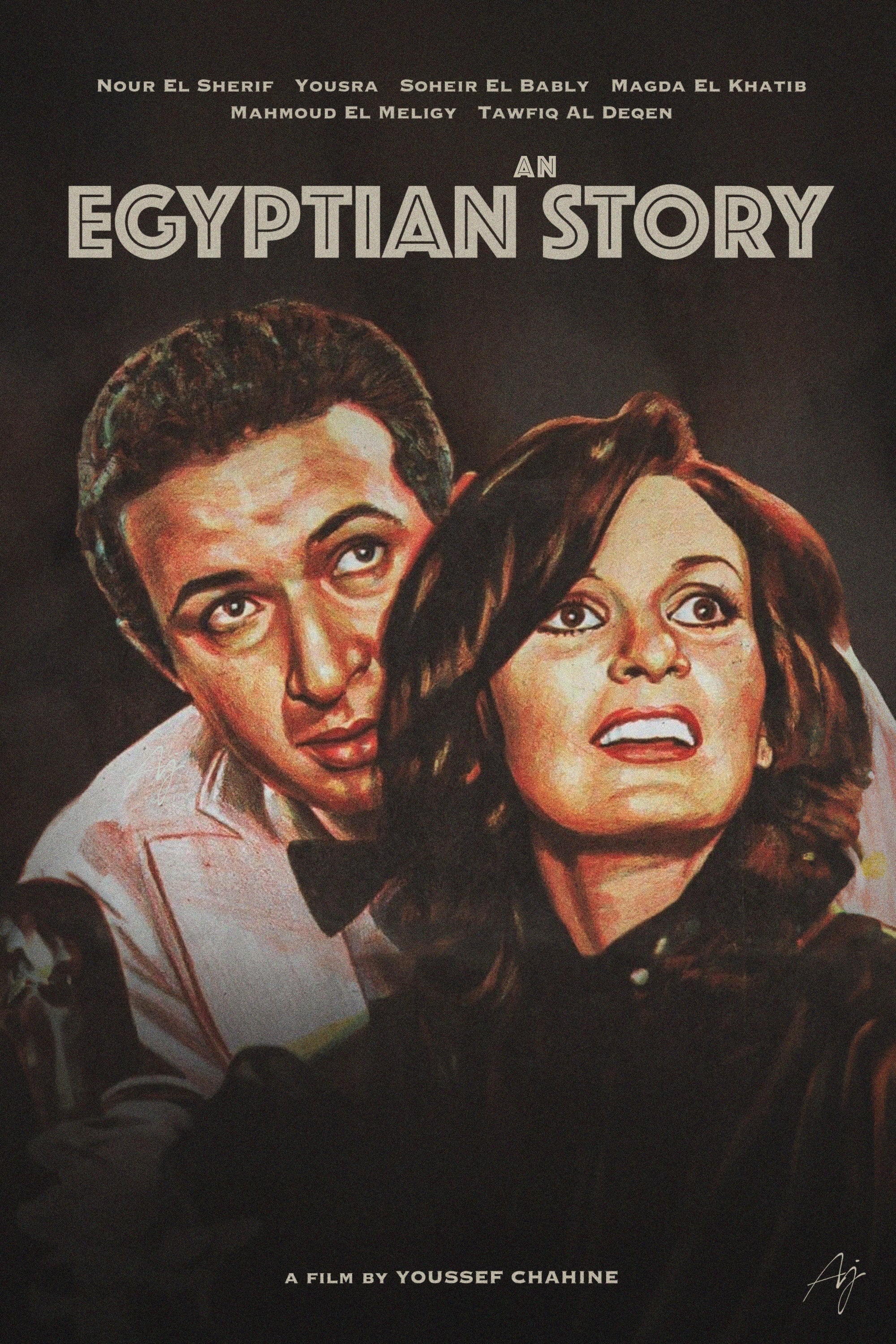
After we last see him in "Alexandria, Why?" Egyptian filmmaker Yehia Mourad is in his thirties, and successful in his work, he has grown distant from his wife and children and suffers a symbolic blockage of the heart while shooting the final scenes of his latest film. After being flown to England for evaluation, it's determined that Yehia must undergo emergency surgery. Fact and fiction blend seamlessly—with healthy doses of cleverly absurdist fantasy—as the film explores the various personalities and forces that have made Yehia (and Youssef Chahine) the man he has become.
 Film9.0MüzikDram
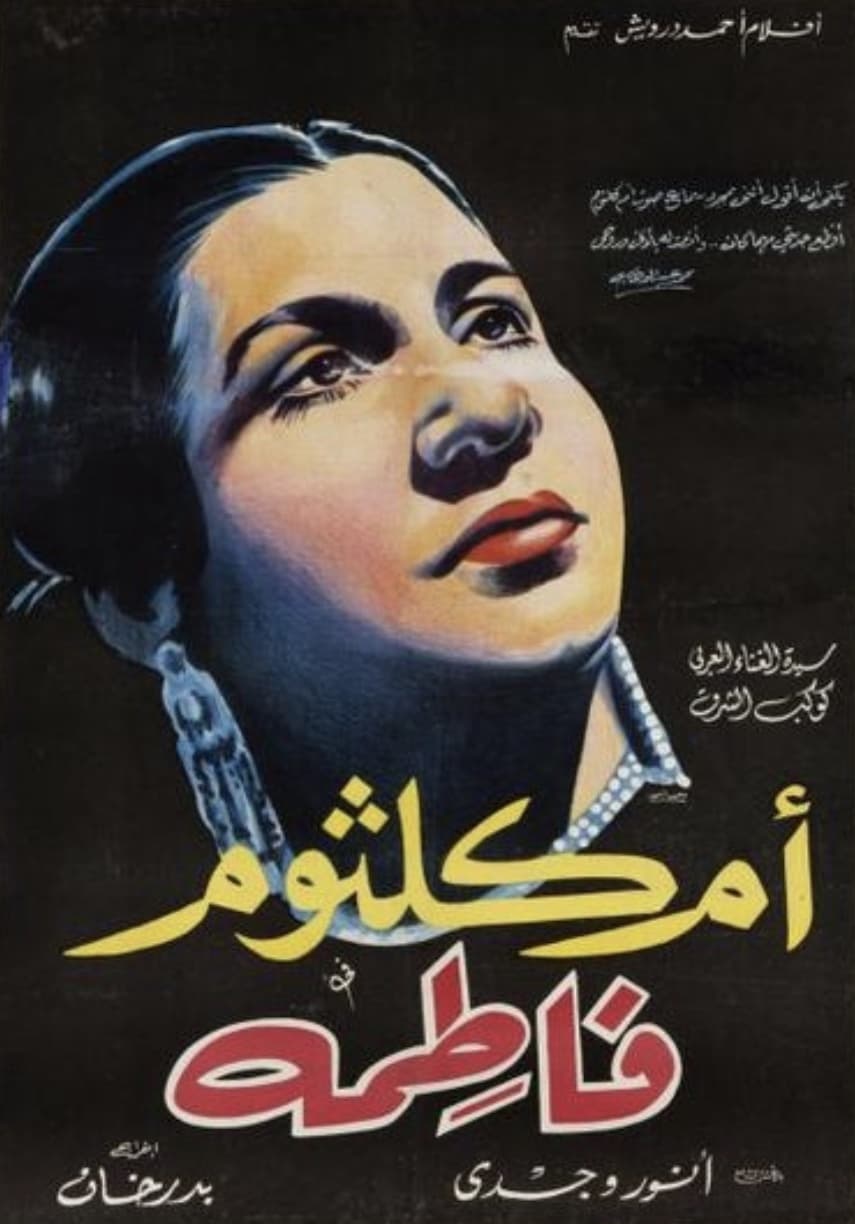
Om Koultoum stars in this musical-drama as Fatmah, Nurse to a Pasha who falls in love with his younger brother and marries him in secret. But soon their relationship deteriorates and her husband refuses to recognize the child she expects from him.
 Film6.5Belgesel
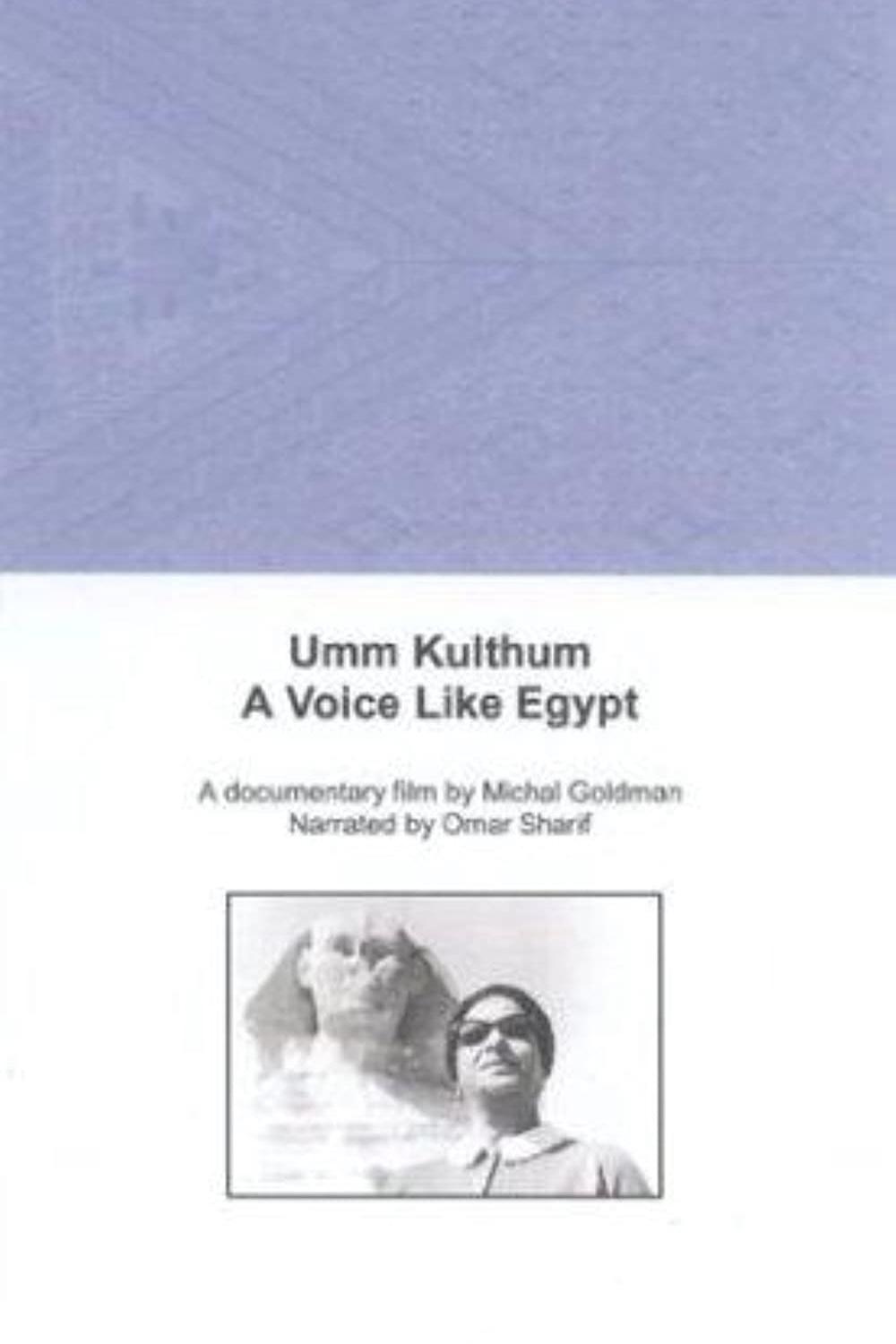
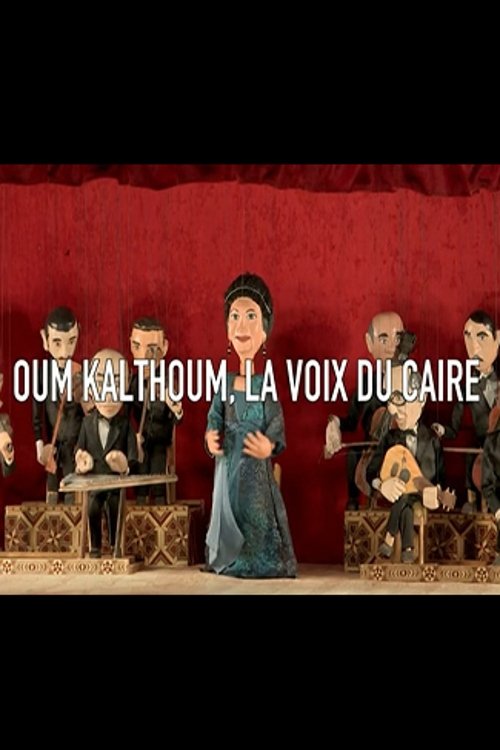
Biography of Egyptian singer Umm Kulthum, narrated by Omar Sharif
Umm Kulthum: A Voice Like Egypt
1996 · 2 votes
 Film6.3Tarih
Rabi'a al-Adawiyya is a classic film from 1963 based on the life of the early Sufi saint and poet Rabi'a al-Adawiyya, also known as Rabi'a al Basri, in the second Islamic century.
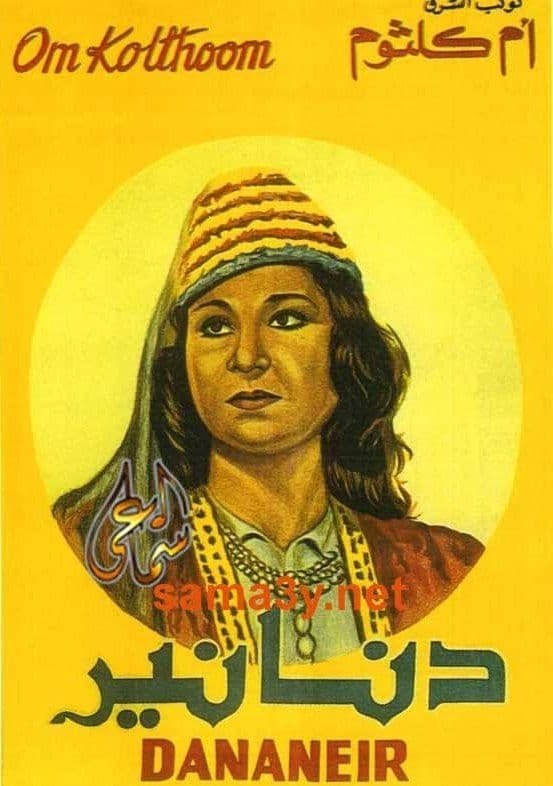 Film6.5DramMüzik
A concubine to a ruling family is challenged when the family is overthrown.
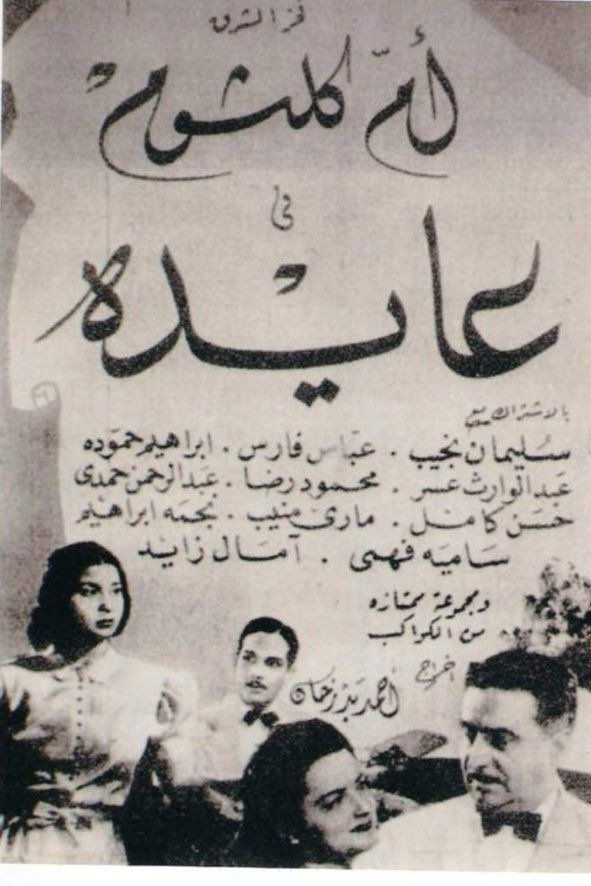 Film7.0MüzikDram
Aida is an Egyptian musical produced in 1942, scripted and directed by Ahmed Badrakhan and the story of Abdul Warth Asr about the opera Aida participated in singing Fathia Ahmed, Abdel Ghani Sayed. Represented by: Umm Kalthoum, Ibrahim Hamouda, Suleiman Najib, Abbas Fares.
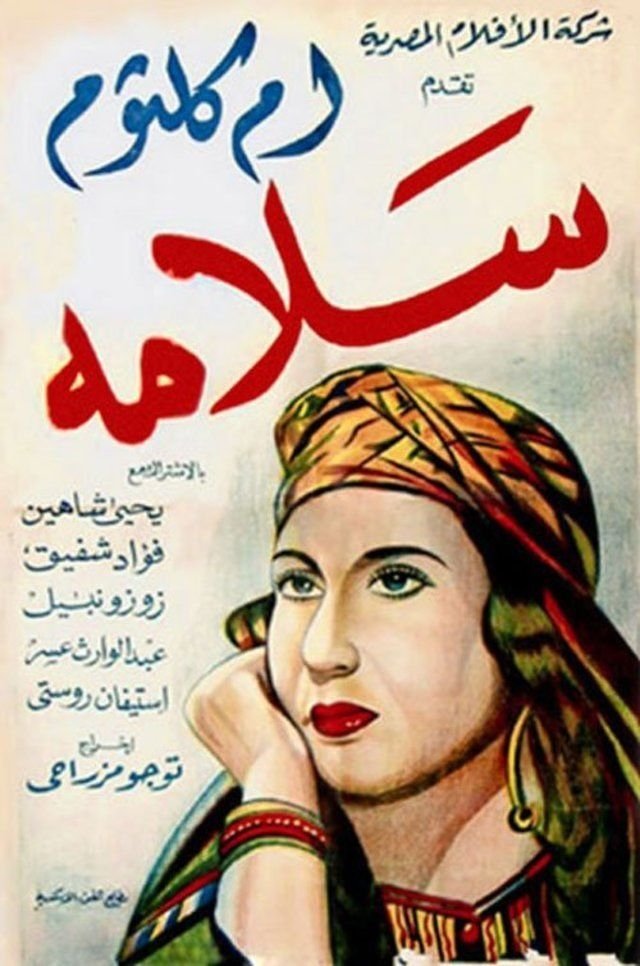 Film10.0MüzikRomantik
The events of the film revolve in the era of the Umayyad dynasty, around the shepherd (Salama), who has a charming voice and has a love relationship with (Abdul Rahman), but her love is hindered by (Ibn Suhail’s) greed for her. She runs away from him out of fear for herself and her love, and (Abdul Rahman) begins his search journey. about her .
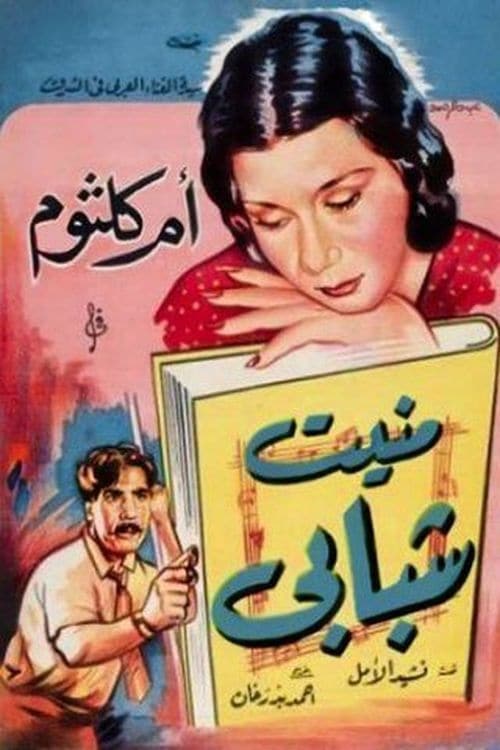 Film10.0MüzikDram
Ismail divorces his wife Amal, leaving her alone to face life's hardships with her daughter Salwa. Fate brings her together with Dr. Asim, who treats her daughter and discovers Amal's exceptional talent for singing. He helps her find a job where she can use her artistic talent, but the problem is that her ex-husband is still pursuing her and does not want to leave her alone.
 FilmBelgesel
 Film4.0DramGerilim
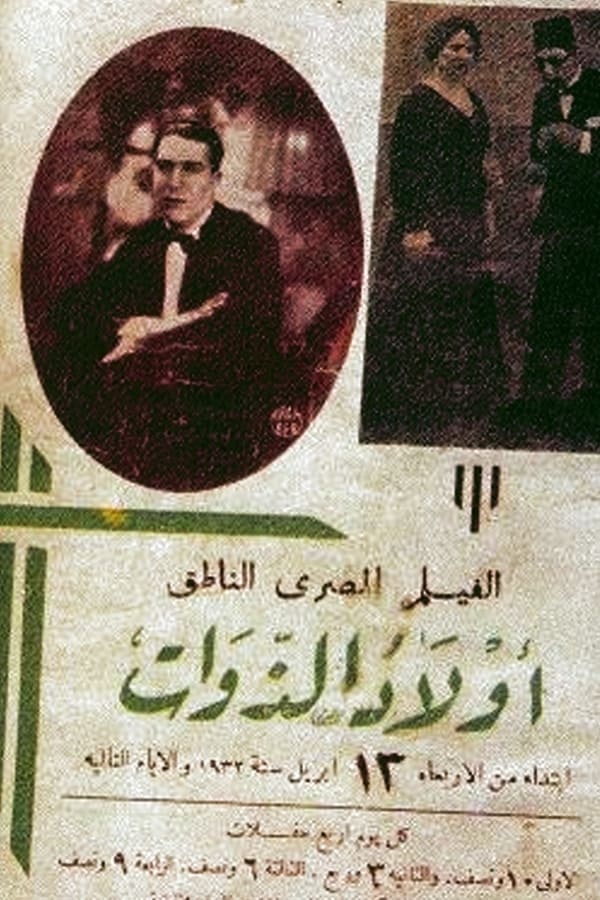
Led by his lust and his unrepentant consciousness, Hamdy abandons his family and takes a french lady as his mistress. When his mistress cheats on him, Hamdy shoots her lover in retaliation. After spending his prison sentence, he returns to Egypt, haunted by his sense of guilt.
 Film5.7MüzikDram
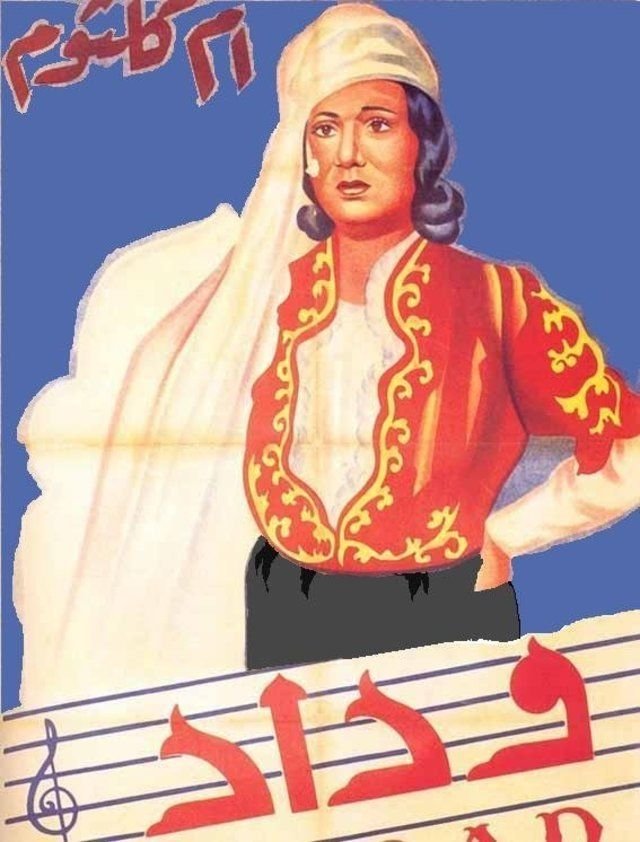
Baher is a merchant in love with his serf Wedad who goes bankrupt because his merchandises are stolen. In order to pay his debts Wedad sacrifices herself and decides to sell herself as serf to another wealthy master.