Branko Ivanda
Senarist · d. 1941 · Split, Croatia
Branko Ivanda (born 25 December 1941) is Croatian film director and screenwriter. Ivanda was born in Split, then under Italian occupation. His father Leo was a high-school professor of Croatian and French language and his mother Dunja a clerk. The family had artistic leanings, as Ivanda's grandfather was an actor in the Croatian National Theatre in Split (HNK), while his uncle-in-law was composer Ivo Tijardović. Ivanda completed the classical gymnasium in his hometown, occasionally playing minor roles in the HNK, but as he preferred directing, he entered the Academy of Dramatic Arts of the University of Zagreb where he graduated. His directing debut was 1969 modernist piece Gravitacija ili fantastična mladost činovnika Borisa Horvata. Following the ban of his documentary about 1971 student demonstrations Poezija i revolucija - studentski štrajk 1971, in the 1970s he focused on television, where he would direct films, dramas, documentary and advertising films for over thirty years. He also accepted occasional theater projects. For his TV and fiction films he received several awards, notably FIPRESCI from the Berlin Film Festival. He has been a dean of the Academy of Dramatic Arts in Zagreb since 2004. Ivanda married twice: from the first marriage with Stanka, he had son Nikola, who was also a director and Branko's close assistant in multiple TV projects, such as popular series Obični ljudi, Ponos Ratkajevih, Sve će biti dobro and Dolina sunca. Nikola died from heart attack in 2012 at age 36. From his second marriage with producer Lidija he has two children.
Filmler3
 Film7.8Dram
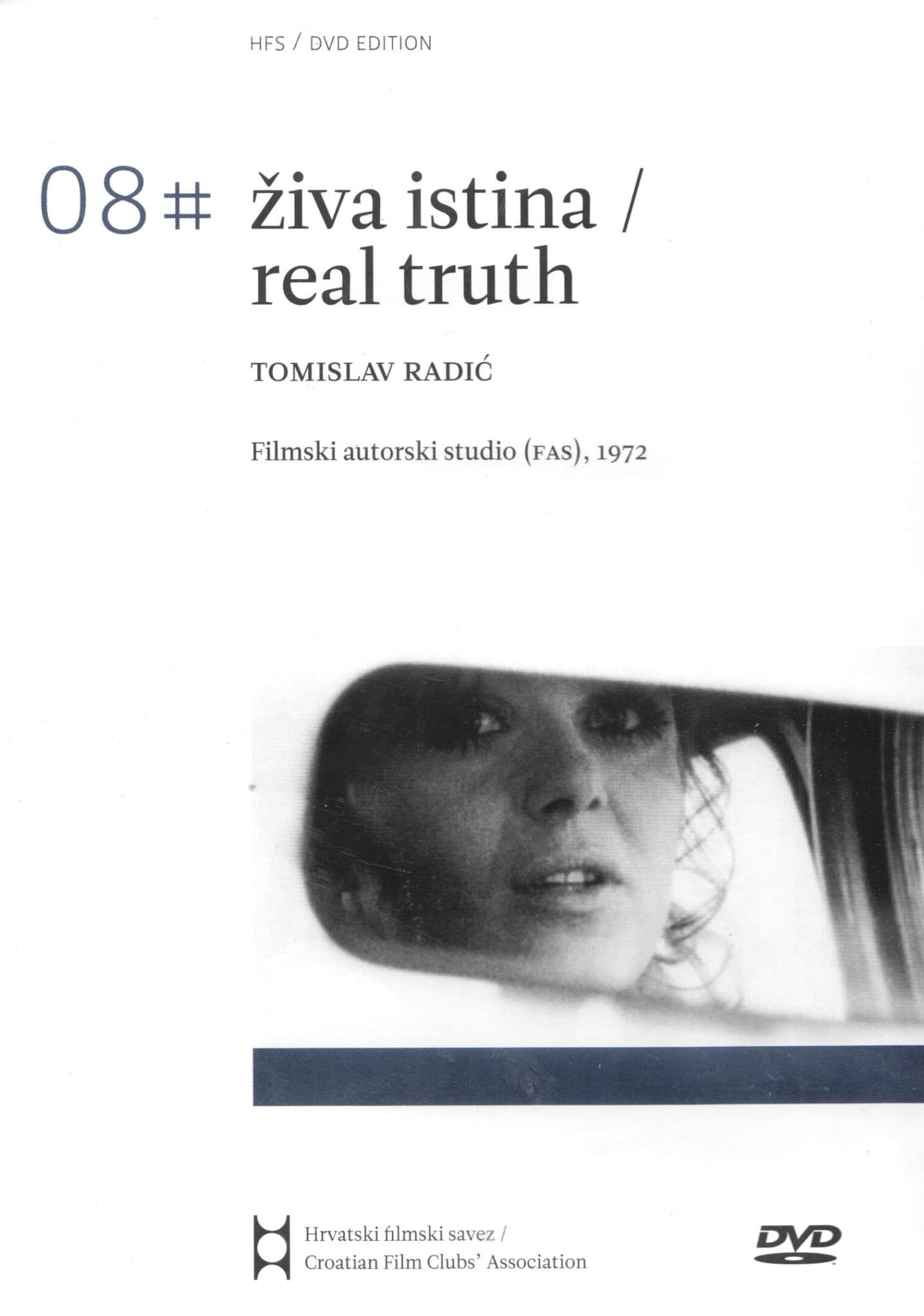
Božidarka Frajt (playing herself) is an actress who is unsuccessfully looking for a job in Zagreb. The film follows her everyday life: she spends time with her friends and colleagues, shoots a television commercial, goes to a party, remembers her difficult childhood as a war orphan, and contemplates her professional and personal failures. Finally, she visits theatre manager Vjeran Zuppa in his office and asks for a job.
 FilmBelgesel
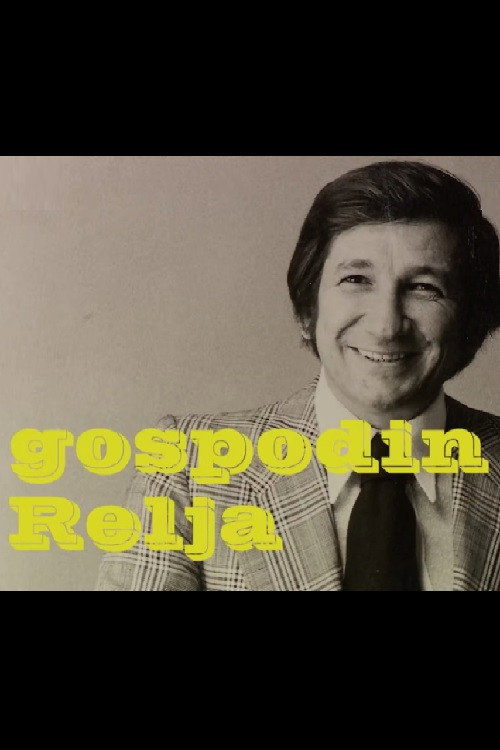
Documentary about Relja Basic, famous Yugoslav and Croatian actor from Zagreb.
 Film10.0DramTarih
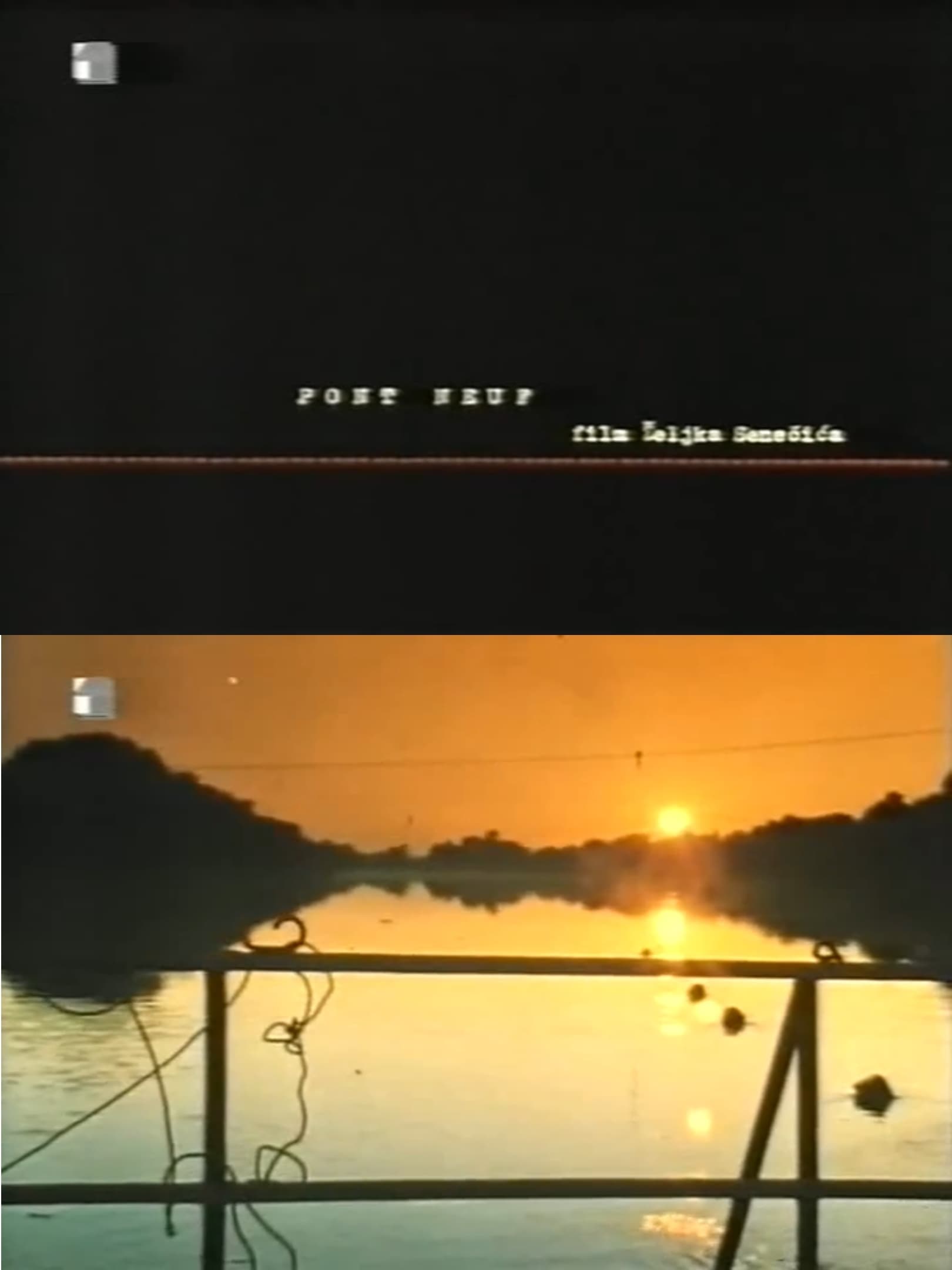
February 1908. Unhappy with the education provided to him in Munich, Croatian artist Josip Račić moves to Paris, where he finds accomodation in a rather cheap hotel. There he meets the cabaret singer Mary and a slew of other strange individuals, creating a palette of experiances that he then transforms into unique paintings.
Pont Neuf
1997 · 1 votes