Leila Shenna
Oyuncu · Marocco
Leila Shenna (Arabic: ليلى شنّا; born Morocco) is a Moroccan former actress who featured on film mostly in the 1970s. She is most commonly remembered in English speaking countries for her role as a Bond girl in the 1979 film Moonraker as an evil air hostess. However, she also starred in the 1968 film Remparts d'argile (initially released in Italy, later released in the United States in 1970 under the title Ramparts of Clay) directed by Jean-Louis Bertucelli, the 1975 Palme D'or winner Chronique des années de braise directed by Mohammed Lakhdar-Hamina, as well as the 1982 Algerian film Vent de sable, also directed by Lakhdar-Hamina. The first two films were set in Algeria, the third simply in the desert. She also had a minor role in the 1977 film March or Die. She is the cousin of Malika Oufkir, the writer of Stolen Lives: Twenty Years In A Desert Jail, an account of the failed 1972 assassination attempt on the King of Morocco by her father (and Leila's uncle), General Mohamed Oufkir. Description above from the Wikipedia article Leila Shenna, licensed under CC-BY-SA, full list of contributors on Wikipedia.
Filmler9
 Film6.2AksiyonMacera
Sir Hugo Drax, yörüngede dev bir uzay üssü inşaa eden megalomanyak bir milyarderdir. Amacı, seçtiği sağlıklı ve güzel erkek ve kadınlardan bir grubunu uzay üssüne topladıktan sonra, bir nükleer füze ile dünyayı yoketmek ve üsteki insanlardan yeni bir ırk yaratmaktır. Dünyayı kurtarma görevini bir kez daha alan James Bond'a bu zorlu macerada seksi Amerikalı ajan Holly Goodhead yardımcı olacaktır. Bond'un aşması gereken engeller arasında çelik çeneli kötü düşmanı Jaws da bulunmaktadır. Ian Fleming'in 1955'te yazdığı Moonraker romanından 1979'da sinemaya uyarlanan film, Bernard Lee'nin M rolüyle son kez seride yer aldığı yapımdır.
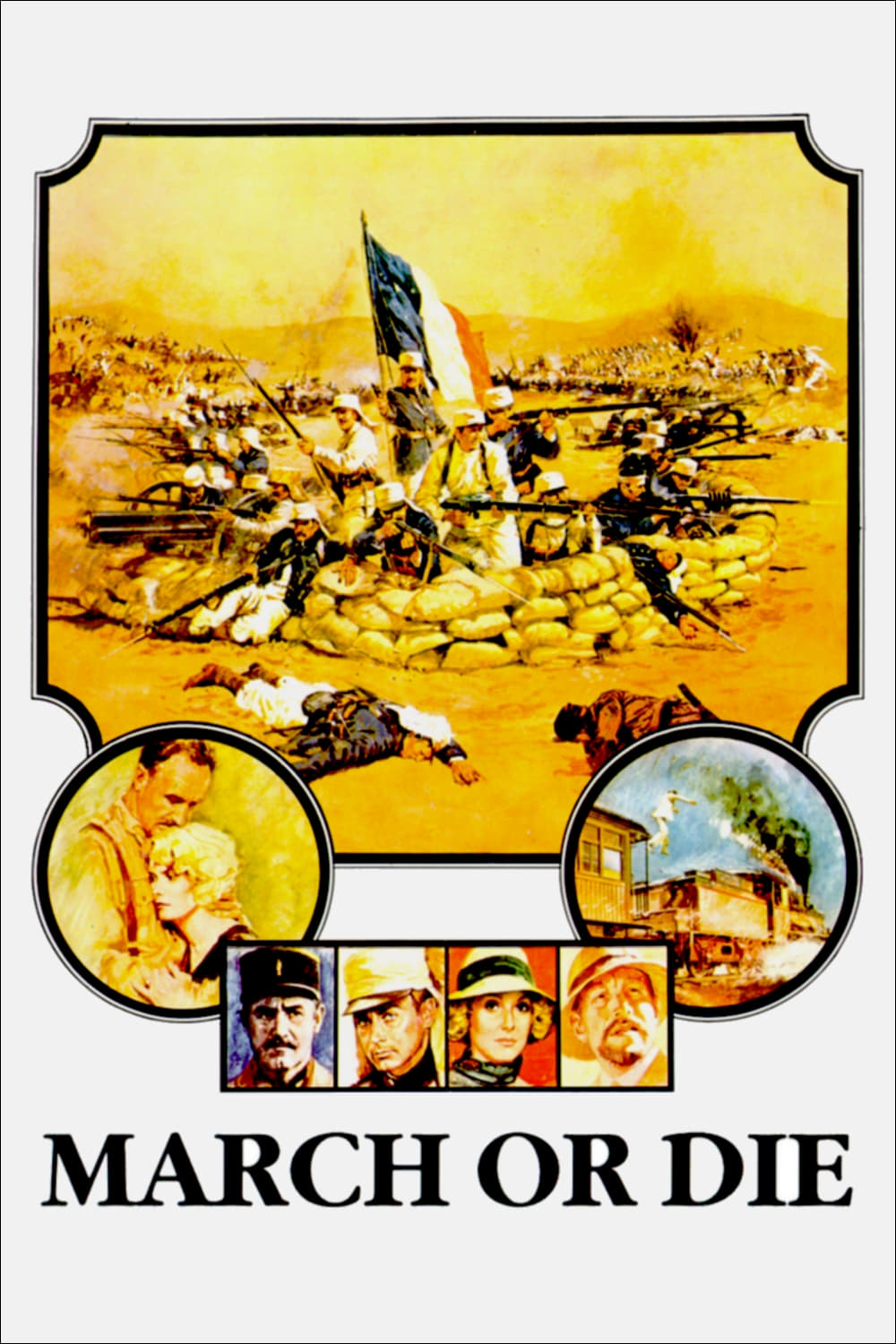 Film5.8DramMacera
Olaylar Kuzey Afrika’daki karargahlardan birinde geçer.. Çöle gelen bir güzel kadın oradaki lejyonerler arasında olaylara neden olur. Öte yandan lejyonerlerle bağımsızlık isteyenlerin ve öteki grupların arasında mücadeleler vardır…
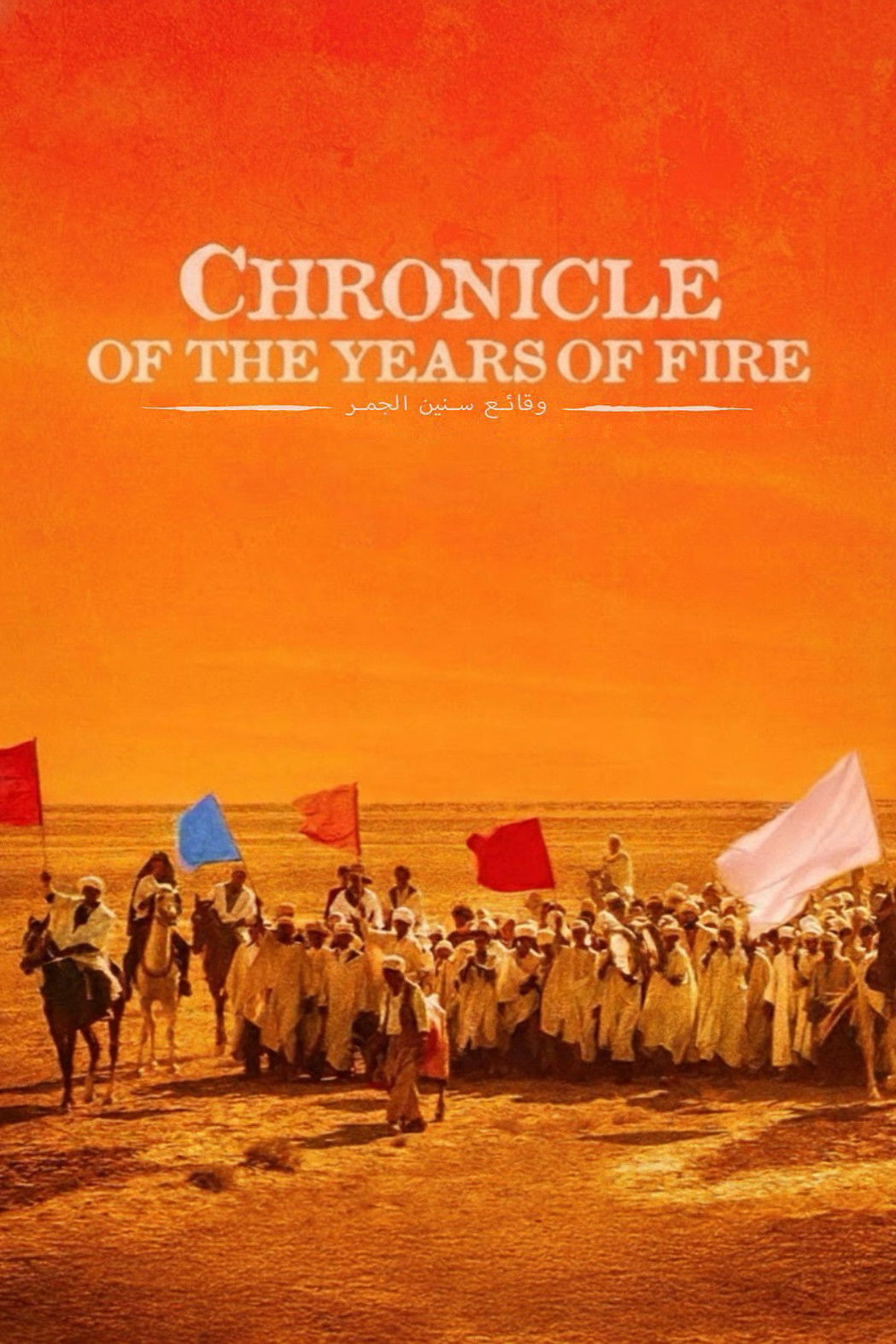 Film6.6DramSavaş
A meticulous chronicle of the evolution of the Algerian national movement from 1939 until the outbreak of the revolution on November 1, 1954, the film unequivocally demonstrates that the "Algerian War" is not an accident of history, but a slow process of suffering and warlike revolts, uninterrupted, from the start of colonization in 1830, until this "Red All Saints' Day" of November 1, 1954. At its center, Ahmed gradually awakens to political awareness against colonization, under the gaze of his son, a symbol of the new Algeria, and that of Miloud, half-mad haranguer, half-prophet, incarnation of Popular memory of the revolt, the liberation of Algeria and its people.
 Film8.0
Karim decides one day to leave his village in the Rif and to venture into the big city of Casablanca where he must conquer, first to live, then to express himself.
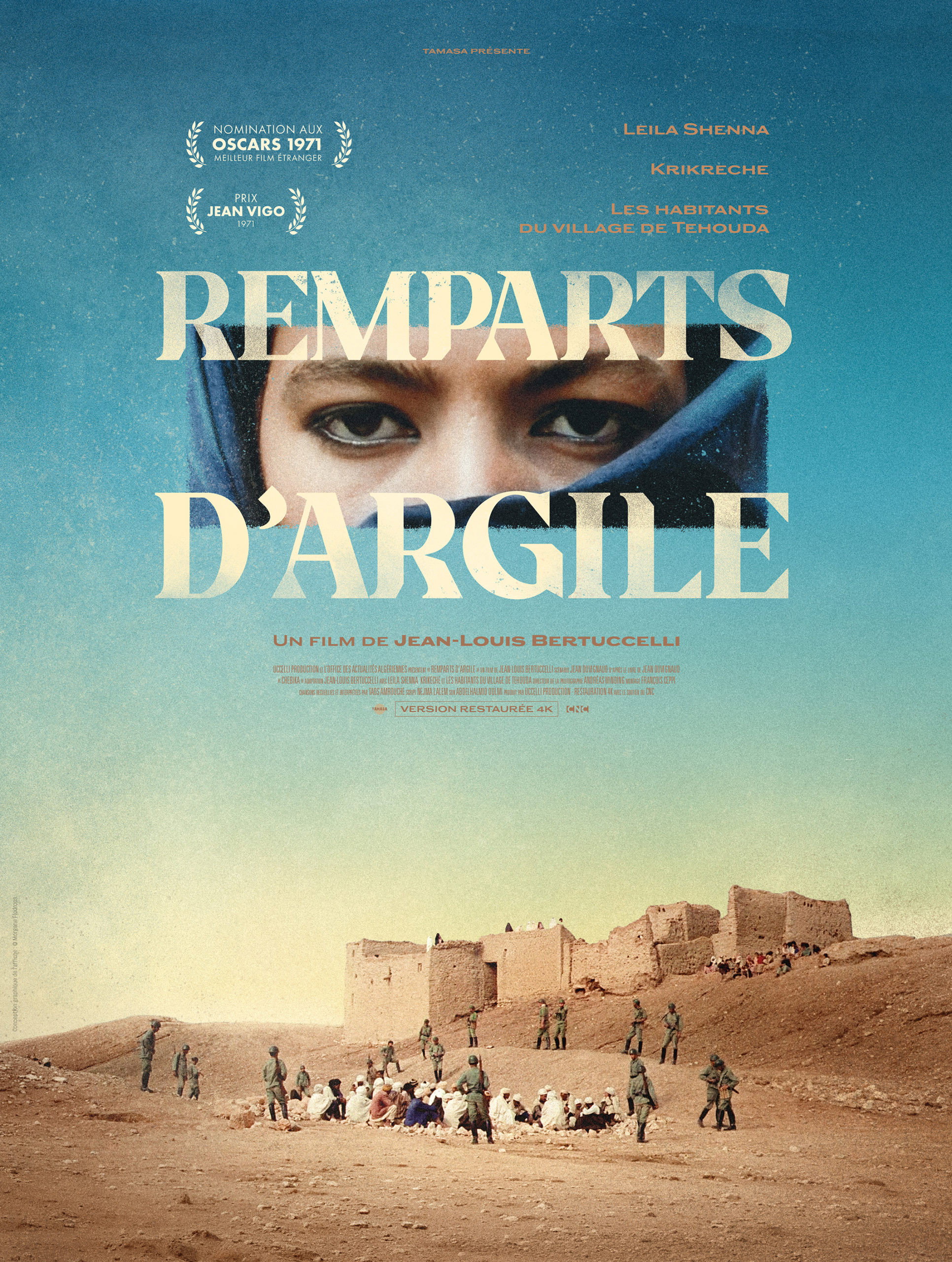 Film7.1Dram
In a village on the edge of the Sahara, Rima, a 19-year-old orphan, dreams of learning, of discovering, of living free while the men of the salt mine go on strike. The authorities react by sending the army, Rima decides to help the strikers by trapping the soldiers. Co-produced with the Office des Actualités Algériens and shot in the region of Téhouda, 50 kilometers from Biskra, this Franco-Algerian film is fully part of the cinematographic heritage of both shores of the Mediterranean. Bertuccelli adopts the technique of cinema verite, with non-professional actors from the village itself, giving the film a striking documentary texture and a rare force of authenticity. Carried by the moving interpretation of Leila Shenna in the role of Rima, the actor Krikèche and lulled by the music of Taos Amrouche, the film questions female emancipation, social resistance and the relationship with the territory.
 Film4.9Dram
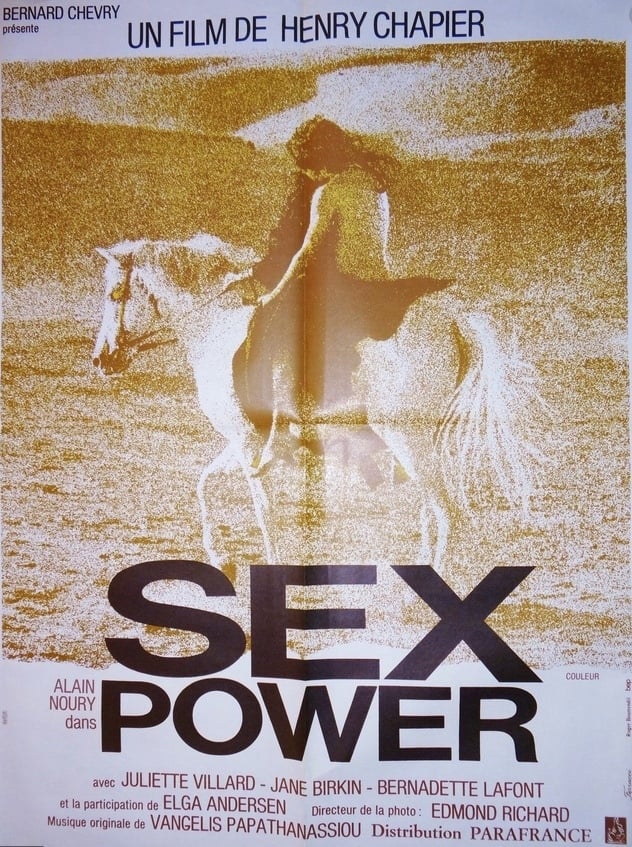
A young Frenchman arrives in Northern California looking to forget a lost love and ends up encountering various forms of feminine power.
Sex-Power
1970 · 8 votes
 Film10.0DramSavaş
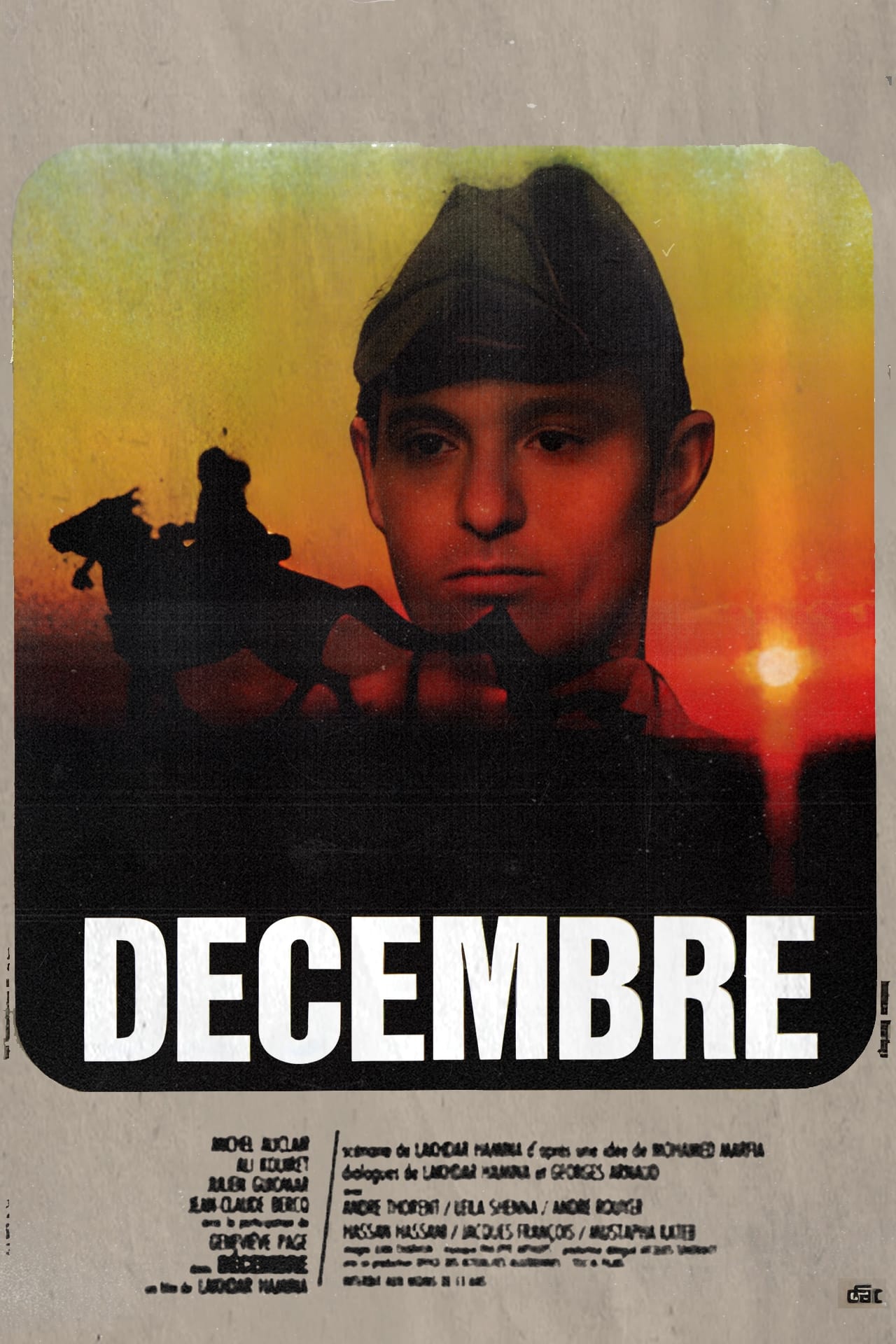
In Algiers, during the Algerian War of Independence, one of the leaders of the FLN was arrested by the French colonial army, which used the most violent methods to make the prisoners speak. The use of torture poses a conscience problem for a French officer. Playing shot-reverse-shot, between the tortured and his torturer, in a suffocating camera, Mohammed Lakhdar-Hamina approaches torture by drawing inspiration from the story of his father, who died of abuse.
 Film10.0Dram
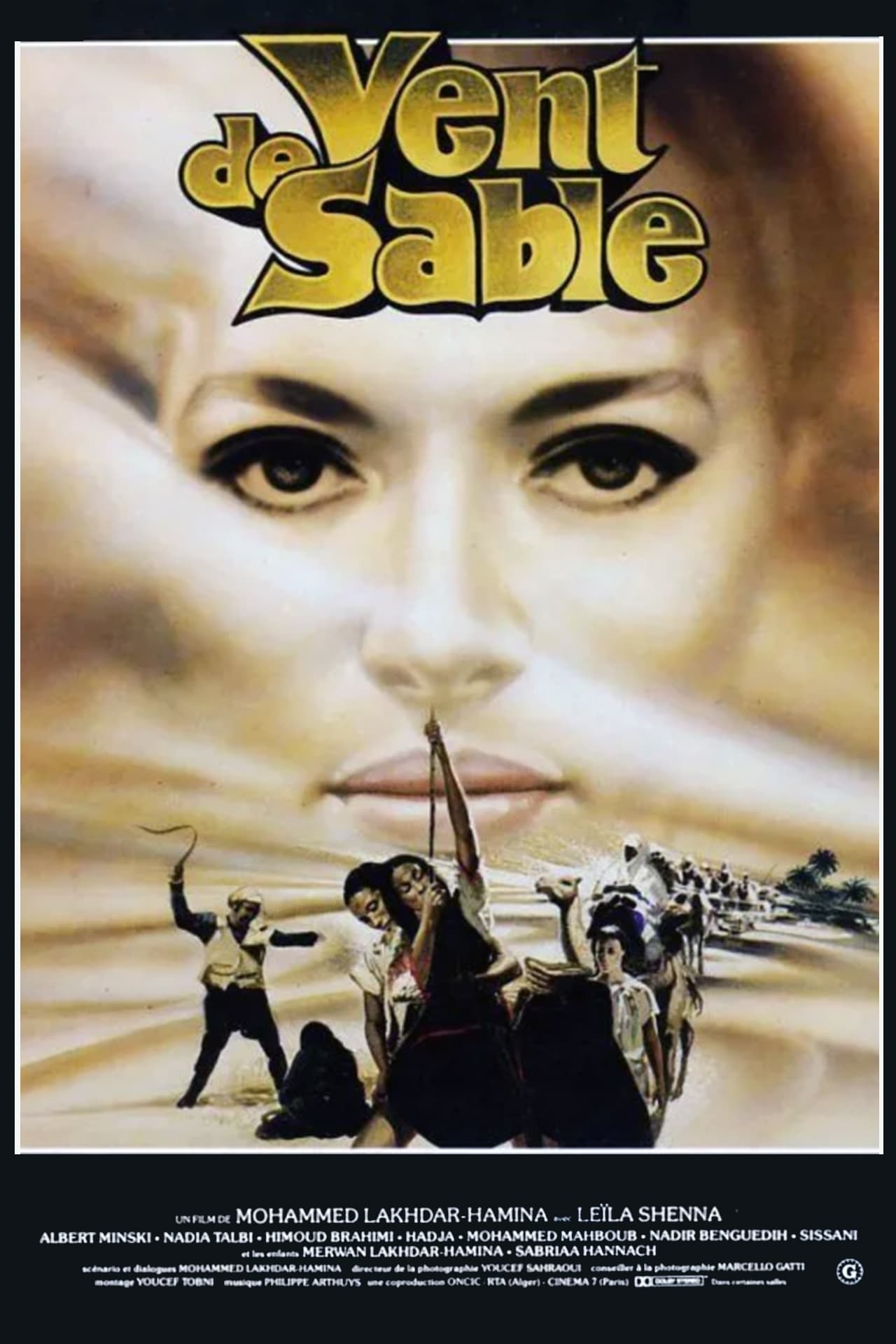
Seen right through the sandstorms that rack the lives of a tribe living on a desert oasis, is a subtle and not-so-subtle mistreatment of the female members of the tribe - tribal chiefs have the right to be the first to deflower virgins, and single or widowed mothers must walk a narrow line of behavior restrictions that do not apply to their male counterparts. Both genders, however, fight the brunt of the harsh desert winds together.
 Film9.0Dram
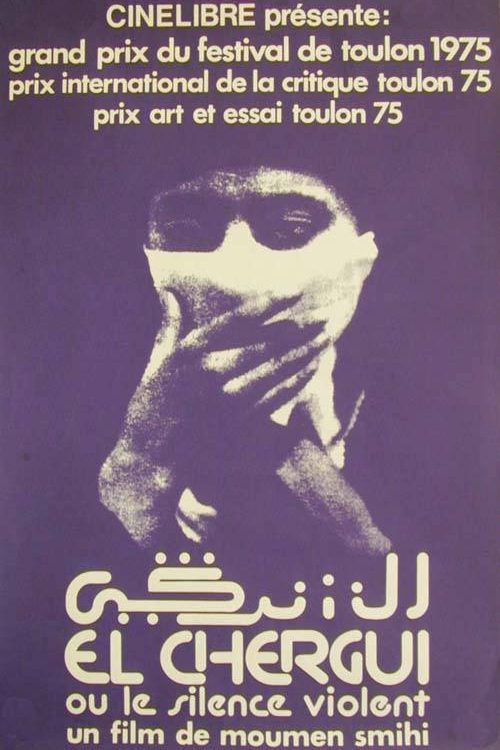
Set in the mid-1950s when Tangier was still an international zone, El Chergui presents the city on the eve of its independence, as Aïcha resorts to magical practices to try to prevent her husband from taking a second wife. Around her, a society of women creates its own form of active resistance even as the larger independence movement grows around it. Through his unique use of montage, Smihi creates arresting images that present a society torn by the contradictions of colonialism, religion, patriarchy, and resistance. (Block Cinema)
Diziler1
 Dizi7.0Dram
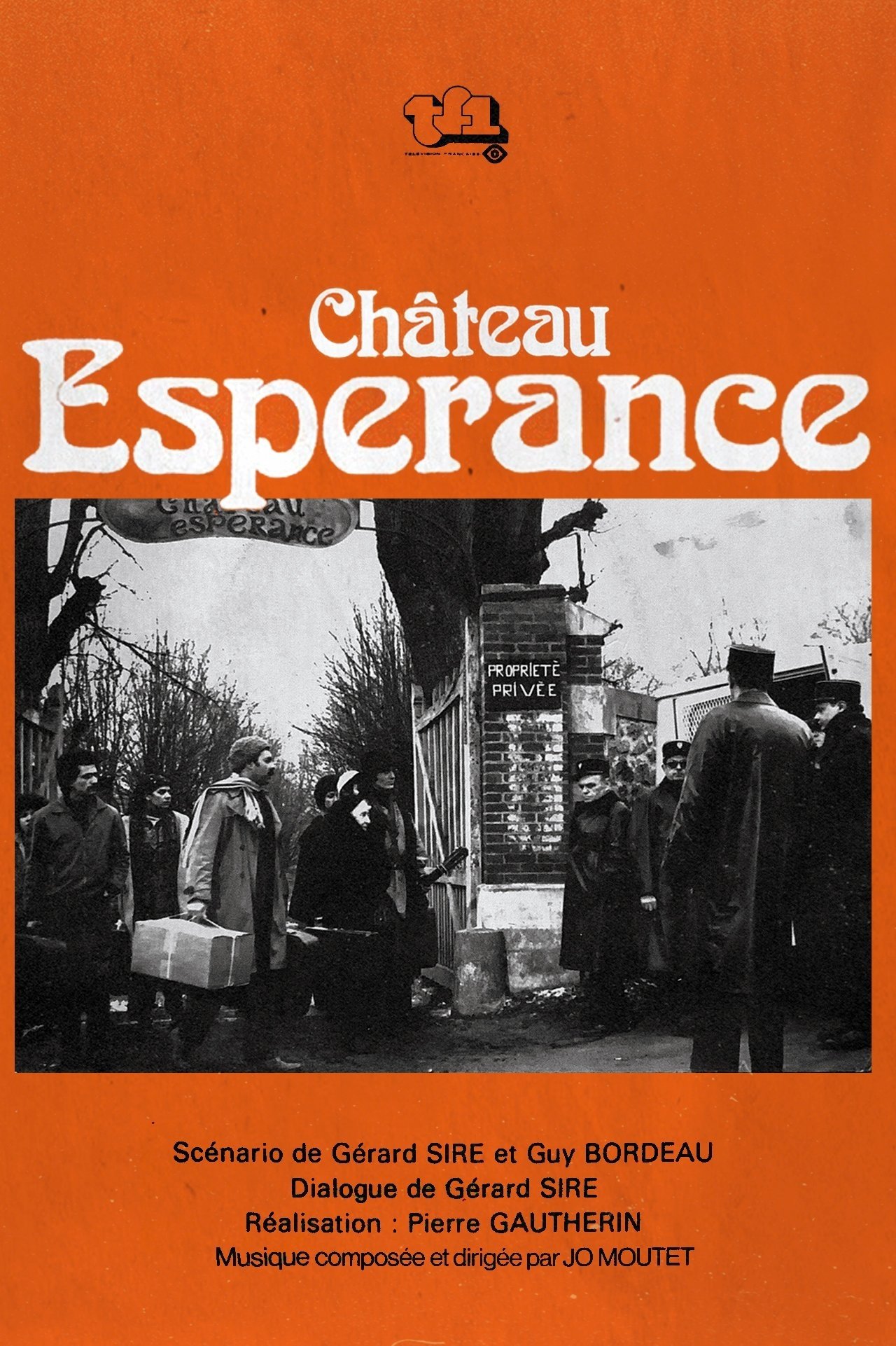
Rachid, a North African immigrant worker in the Fayard company for several years, saved to bring his wife Leïla and their son Larbi. They arrive in France for the first time. Leïla full of hope came to join her husband in exile. But very quickly, it is the shock: the difficult working conditions, the hard daily life of her husband and the surrounding grayness marked by anti-Arab racism does not bode well.
Château Espérance
1976 · 1 votes