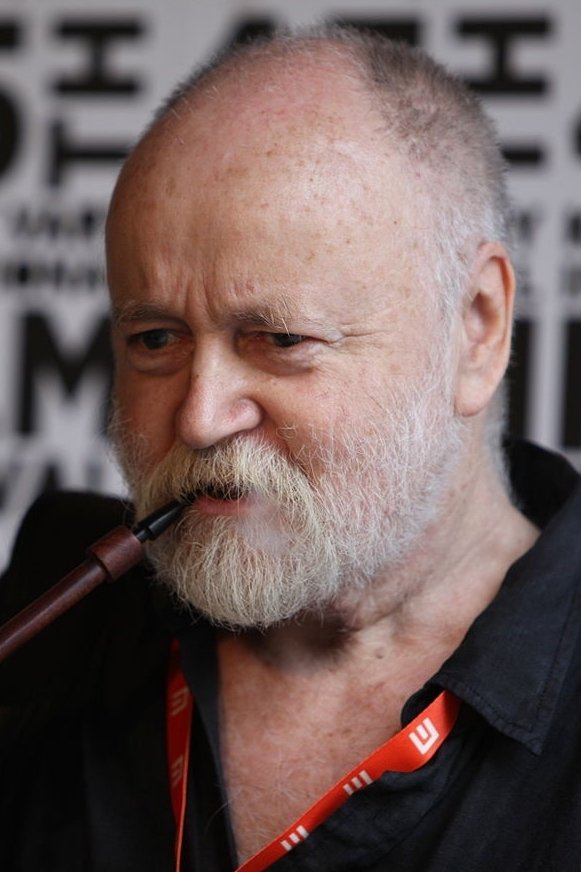
Karel Vachek
Yönetmen · 1940 – 2020 · Tišnov, Czechoslovakia [now Czech Republic]
A controversial filmmaker - a documentary filmmaker of a philosophical nature, whose films have either supporters or opponents. From 1958 to 1963, he studied at the Prague FAMU. Already during his studies, he became famous for his filmmaking complexity, high erudition and philosophical-sociological depth of his films, which also led to distaste among some teachers (the school film Kamil Lhoták). He graduated from school with the film Moravian Hellas. It was a polemical reportage from the folk festivals in Strážnice. The film was personally banned by president Novotný. It was only permitted in 1968 and won an award at the Karlovy Vary IFF. In 1968, he made the famous documentary Spřízněni volbou, an artistic documentation of the events surrounding the presidential election (awarded at the Oberhausen IFF in 1969). After that, Vachek was unable to film again. He worked as a screenwriter in Krátký film Praha, but none of the scripts were realized. In 1979 he emigrated to the United States. After 1989 he returned and made 7 feature-length documentary novels that deal with a variety of topics. These films are distinguished not only by their exceptional length, but also by their deep thoughtfulness and philosophical nature. From 1994 until his death he taught and also headed the Department of Documentary Filmmaking at FAMU.
Filmler4
- Film8.0Belgesel
A labyrinthine portrait of Czech culture on the brink of a new millennium. Egon Bondy prophesies a capitalist inferno, Jim Čert admits to collaborating with the secret police, Jaroslav Foglar can’t find a bottle-opener, and Ivan Diviš makes observations about his own funeral. This is the Czech Republic in the late 90s, as detailed in Karel Vachek’s documentary.
Bohemia docta aneb Labyrint světa a lusthauz srdce (Božská komedie)
Bohemia Docta or the Labyrinth of the World and the Lust-House of the Heart (A Divine Comedy)
2000 · 1 votes
- Film10.0Belgesel
Quite a few years have passed since November 1989. Czechoslovakia has been divided up and, in the Czech Republic, Václav Klaus’s right-wing government is in power. Karel Vachek follows on from his film New Hyperion, thus continuing his series of comprehensive film documentaries in which he maps out Czech society and its real and imagined elites in his own unique way.
Co dělat? Cesta z Prahy do Českého Krumlova aneb Jak jsem sestavoval novou vládu
What Is to Be Done? A Journey from Prague to Ceský Krumlov, or How I Formed a New Government
1996 · 1 votes
 FilmBelgesel
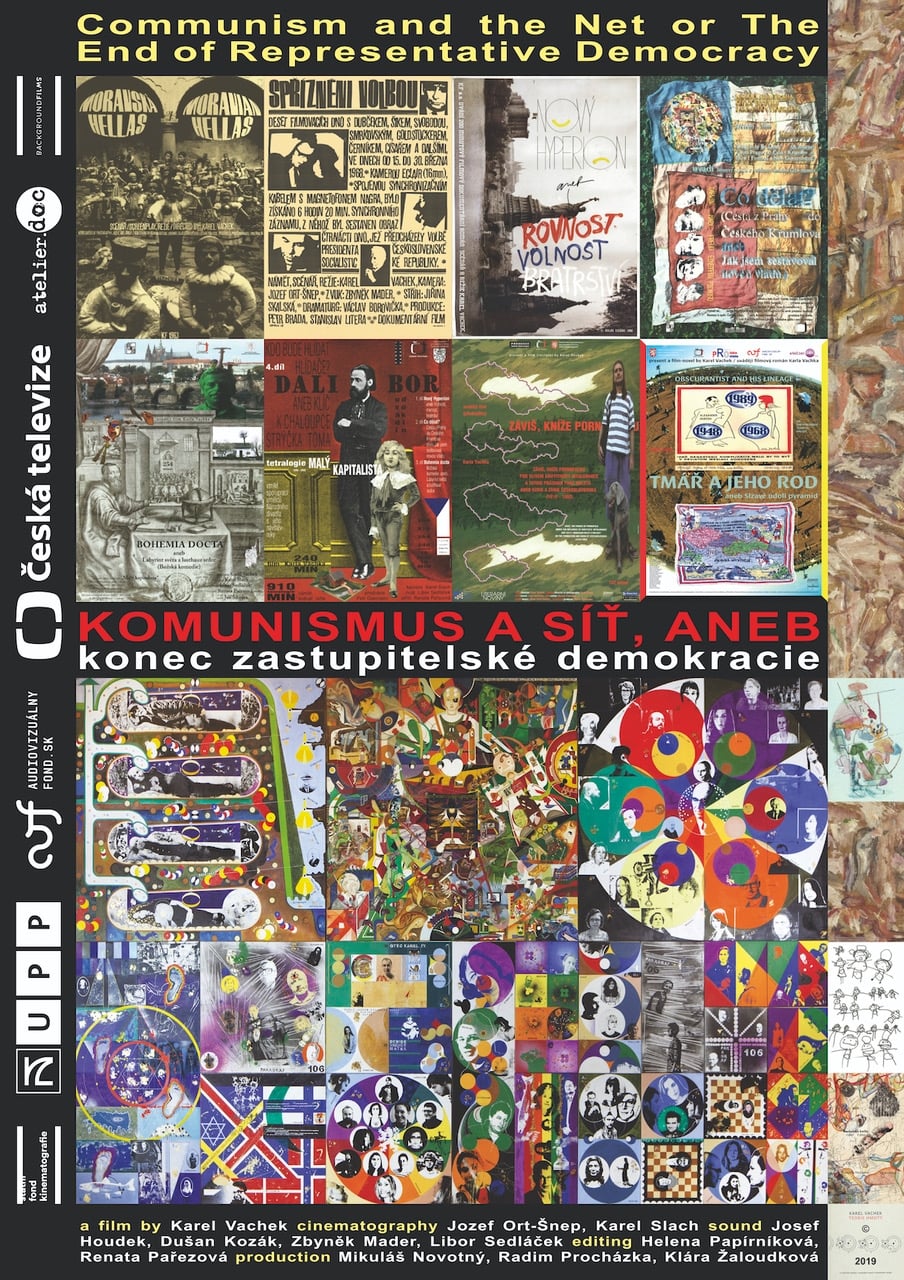
The six-hour essay in four parts examines the history of regimes and revolutions, leaders and martyrs, from a philosophical perspective. The collage of personal memories, staged scenes and archives of collective memory compares the Prague Spring to the Velvet Revolution and shows the exposure, conflict, crisis, and catharsis of the post-communist society. Democracy can be saved through creative laughter, dissolving the untouchability and hypertrophic egos of the representatives of state institutions. The Internet frees the society from representatives of the non-functional connecting link that prevents direct communication between citizens and institutions of power. “I can see you until I spot you. Once I spot you, I cannot see you anymore.” K. Vachek
Komunismus a síť aneb Konec zastupitelské demokracie
Communism and the Net, or the End of Representative Democracy
2019
 FilmBelgesel
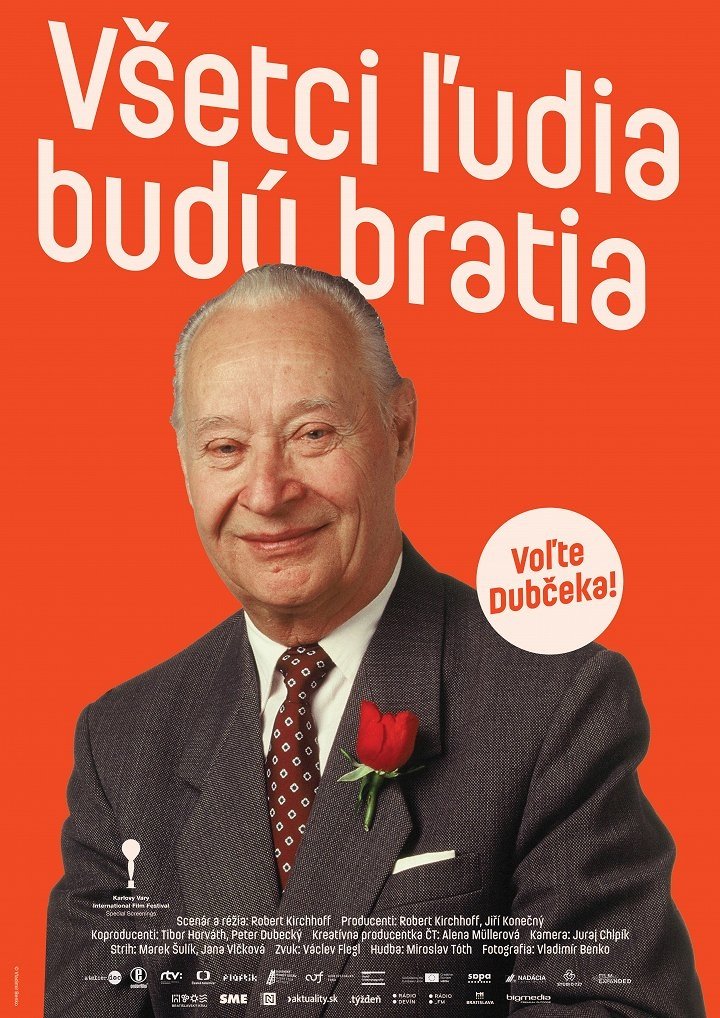
A film about the phenomenon of Alexander Dubček, a Czechoslovak politician, one of the most prominent personalities of the Prague Spring of 1968, author of the concept of “socialism with a human face”.
Diziler1
- DiziBelgesel
Television series Golden Sixties examines new insights into Czech and Slovak cinema of the 1960s and the role of the Czechoslovak New Wave. Each episode focuses on a different filmmaker.