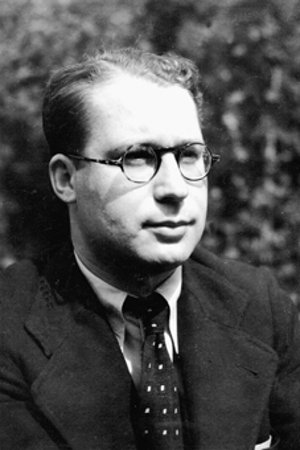
Henri Storck
Yönetmen · 1907 – 1999 · Oostende, West Flanders, Belgium
From Wikipedia, the free encyclopedia Henri Storck (1907, Ostend – 17 September 1999) was a Belgian author, film-maker and documentarist. In 1933, he directed, with Joris Ivens, Misère au Borinage, a film about the miners in the Borinage area. In 1938, with Andre Thirifays and Pierre Vermeylen, he founded the Cinémathèque Royale de Belgique (Royal Belgian Film Archive). He was an actor in two key films of the history of the cinema: Jean Vigo's Zéro de conduite (1933) in the role of the priest, and Chantal Akerman's Jeanne Dielman, 23 Quay Commercial, 1080 Brussels (1976) in the role of a customer of the prostitute. Jacqueline Aubenas wrote about him, in her expository work, It's been going on for 100 years: a history of the francophone cinema of Belgium: "There emerges forcefully the personality of a cineaste who is not a militant in the sense that this term had in the 1930s for Soviet directors who held an ideology, but in the sense of a generous man who will never choose the wrong side and who will be, in ethics as well as in esthetics, in the first line of battle". Description above from the Wikipedia article Henri Storck, licensed under CC-BY-SA, full list of contributors on Wikipedia.
Filmler6
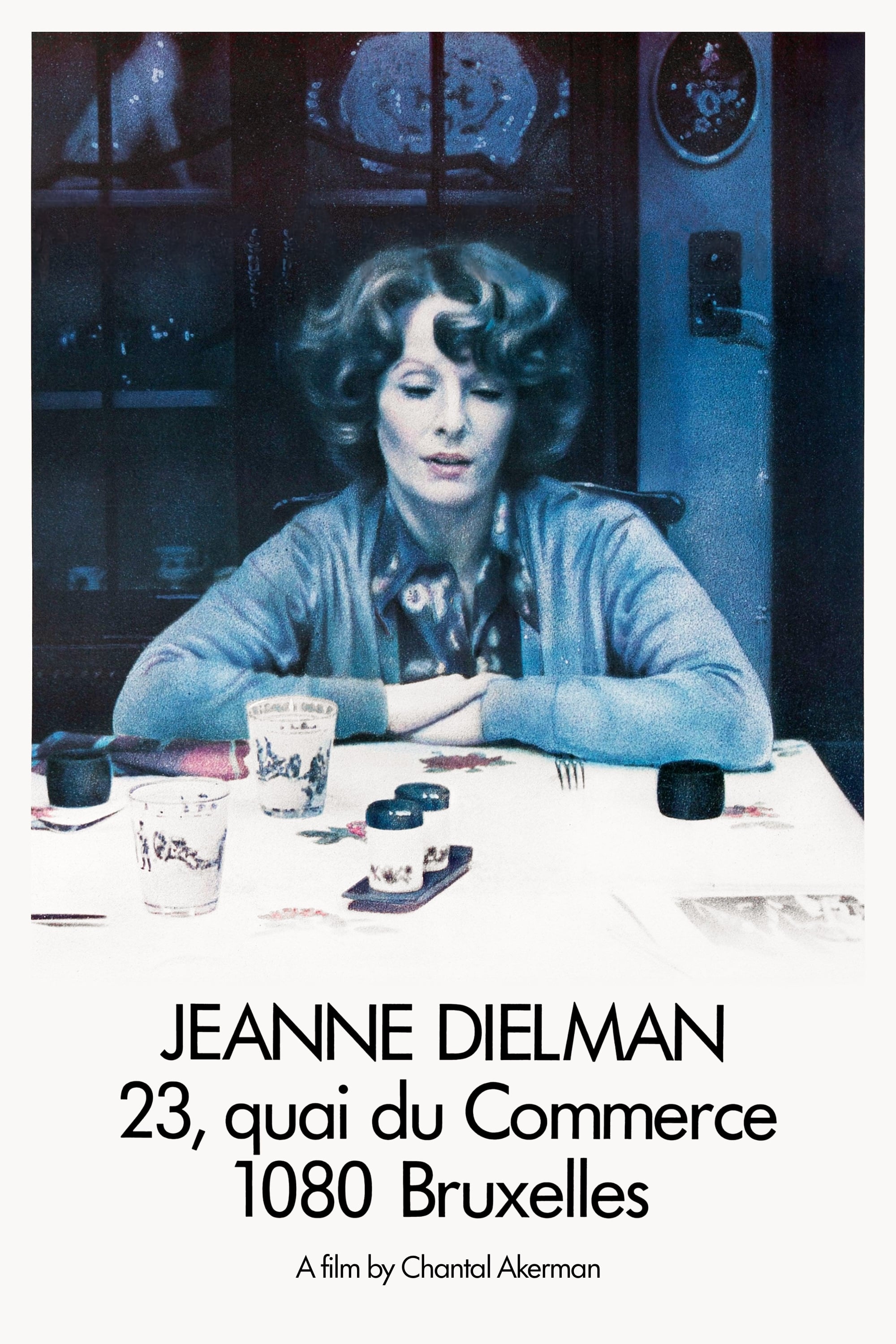 Film7.4Dram
Belçikalı yalnız bir annenin yüklenmek zorunda kaldığı roller, yerine getirmekle yükümlü olduğu görevler ve rutin ev işleri üzerine çarpıcı bir sinema klasiği.
Jeanne Dielman, 23, quai du Commerce, 1080 Bruxelles
1976 · 412 votes
 Film6.9KomediDram
Hal ve Gidiş Sıfır’ın ikinci adı olan ‘Küçük Şeytanlar Okulda’, Carry On (İngiltere’de 1958 ve 1992 yılları arasında çekilmiş 31 filmden oluşan komedi serisi) tarzı, tatlı bir yaramazlık hikâyesini akla getiriyor; ama Jean Vigo’nun klasik kısa filminin şakası yok. Çocukların baskıcı okul kurumuna karşı isyanını anlatan bu öykü, çatıya çıkmış muzaffer küçük şeytanların uçmaya hazırmış gibi göründüğü final sahnesiyle kozmik boyutu pekiştirilen, tam bir gerçeküstücü manifesto. Bu müthiş film, görecekleri şeye hazır olmayan öğrencileri gafil avlar: çırılçıplaklık, müstehcen ve vücut saplantılı mizah, dine saygısızlık, ısrarcı bir eşcinsel erotizm. Ancak basit ‘gençliğin karşısında otorite’ ikilemini (1968 yapımı serbest yeniden çevrimi lf...’in aksine) kaçınılmaz ve çok aşamalı sapıklık görüşüyle aşar: En eski kafalı öğretmenler bile sapıkça duygular taşır ve içten içe çılgındır.
- FilmBelgesel
Three pioneers of documentary filmmaking – Joris Ivens, Henri Storck, and the man behind the camera, Jean Rouch – recall the early days of the documentary genre and speak about their creative methods and sources of inspiration. This lively discussion between the directors is shot in cinéma vérité style and spliced with footage from their older films.
Ciné-mafia
1980
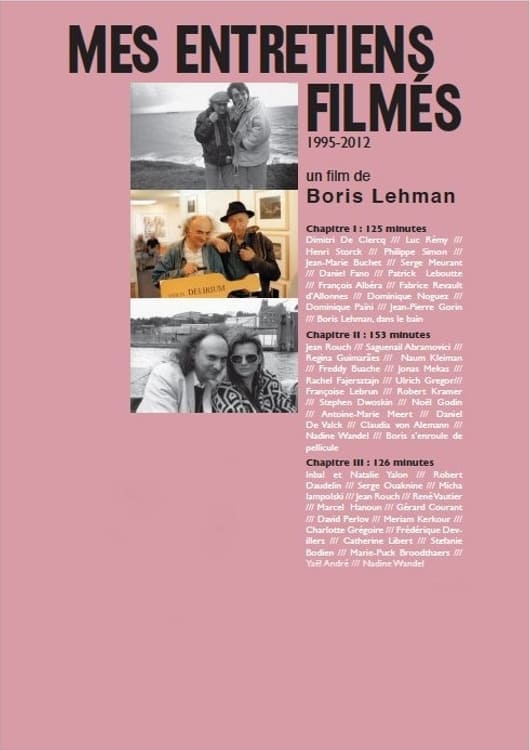 Film3.2Belgesel
This distinctly personal journey into the artistic possibilities of independent film is not to be missed. Jonas Mekas, Jean-Pierre Gorin, Robert Kramer and many other visionaries and mavericks of the silver screen – as well as a book seller, a critic and a psychoanalyst – discuss what cinema has meant to them, what it is and what it could be and, implicitly, how it has changed over the 18 years in which this film was shot. Director Boris Lehman leads the charge, drawing in moments of absurdist humour and inventive camera work; he keeps things raw and spontaneous. His encounters with the now much-missed Jean Rouch and Stephen Dwoskin are particularly touching and stand testament to their personal playfulness and candour. An engaging, absorbing, epic odyssey of a movie.
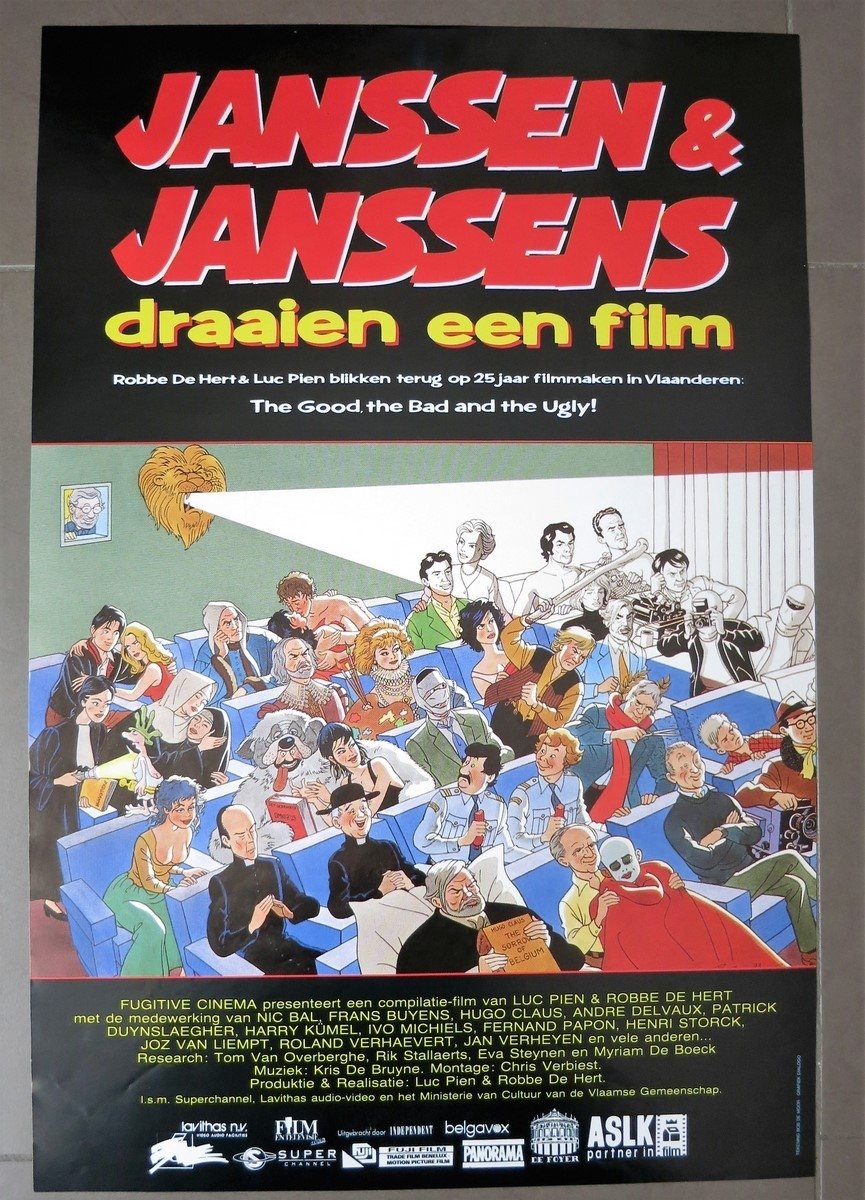 Film7.0Belgesel
A documentary celebrating 25 years of flemish subsidised cinema.
Janssen & Janssens draaien een film
1990 · 1 votes
 Film9.0Belgesel
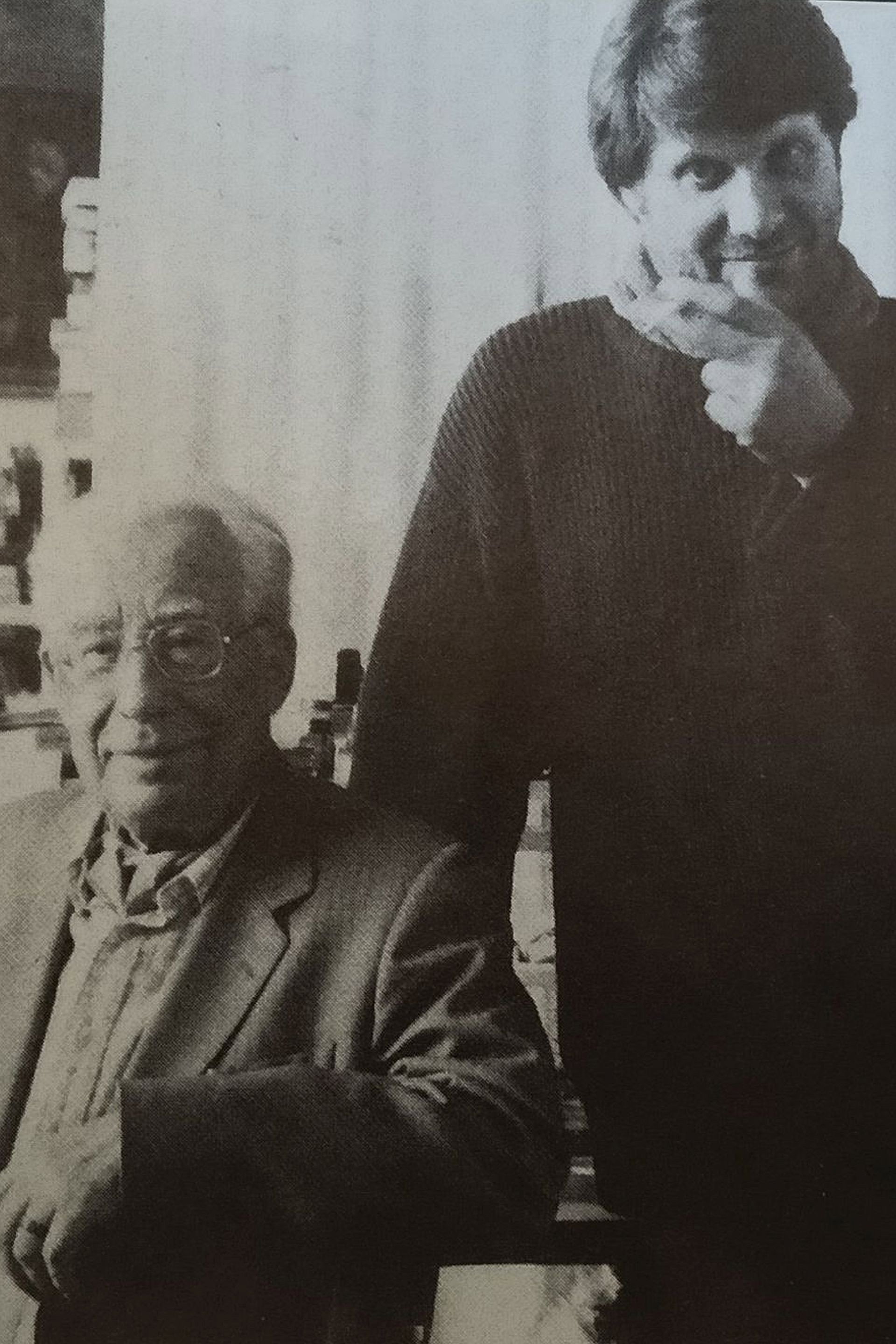
Robbe de Hert’s Henri Storck, ooggetuige (1986) is a brilliant cinematic homage to the founding father of Belgian documentary cinema. Filmed around Storck’s 80th birthday, the film eschews standard biographical formulas. Instead, De Hert crafts an intelligent, vibrant collage that synthesizes rare archival footage with intimate anecdotes told by Storck himself.The documentary excels at tracing Storck’s evolution from an Ostend avant-garde poet to a fierce social activist. De Hert’s signature rebellious tone shines through in bold creative choices, such as overlaying John Lennon's "Working Class Hero" onto the silent, gritty footage of Misère au Borinage (1933). This creates a powerful bridge between 1930s labor struggles and modern social critique
Henri Storck, ooggetuige
1986 · 1 votes