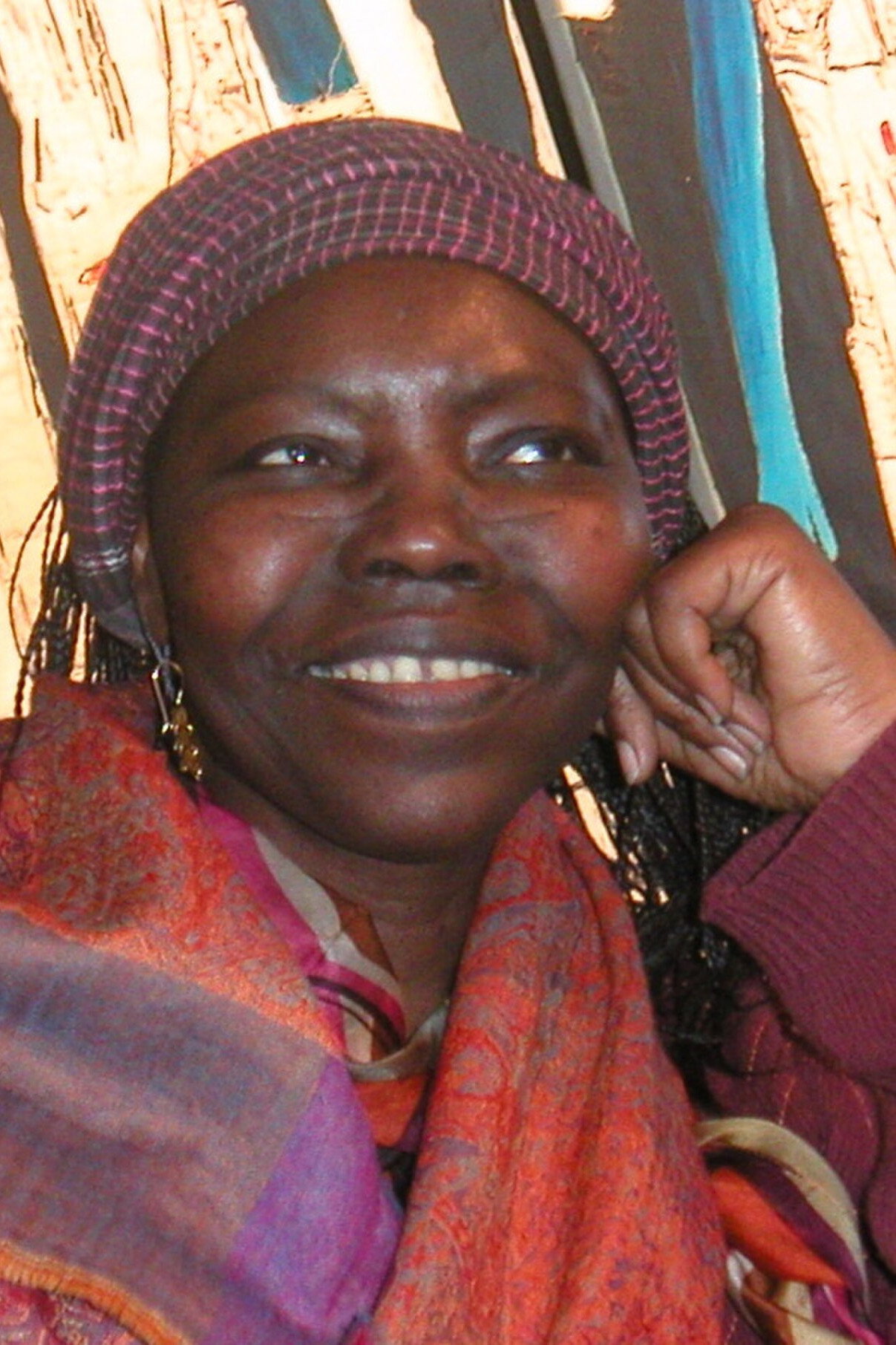
Safi Faye
Yönetmen · 1943 – 2023 · Dakar, Senegal
Safi Faye was a Senegalese film director and ethnologist. Faye directed many feature films, and today is recognized as one of Sub-Saharan Africa’s most prominent directors. Her 1996 film Mossane received the Un certain regard award at Cannes.
Filmler6
 Film8.0Belgesel
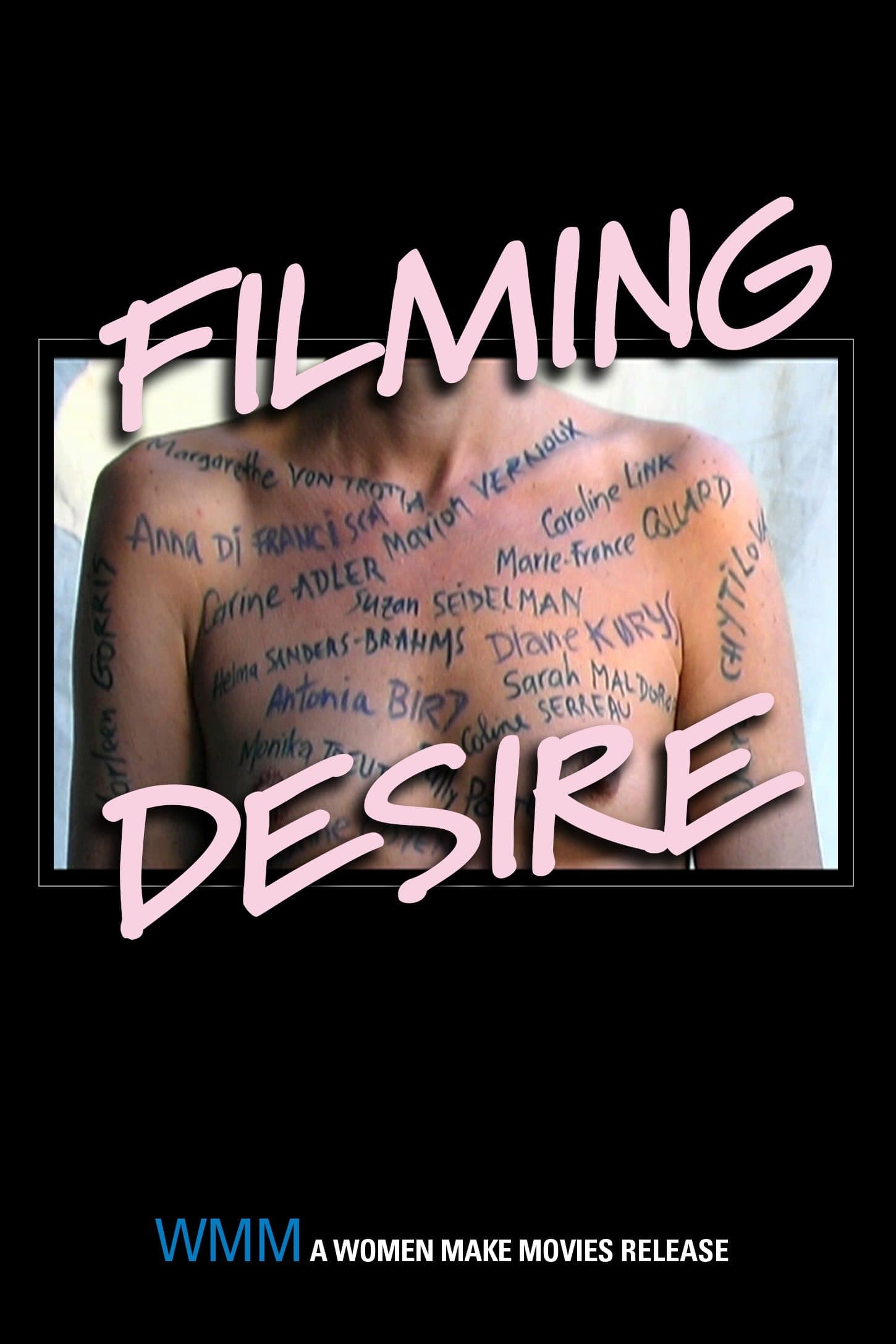
The film consists largely of a series of interviews with female filmmakers from several different countries and filmmaking eras. Some, such as Agnès Varda and Catherine Breillat (both from France), have been making films for decades in a conscious effort to provide an alternative to the male filmmaking model; others, such as Moufida Tlatli (Tunisia) and Carine Adler (England), are relative newcomers to directing, and their approaches seem more personal and less political. The film as a whole manages to cover some important topics in the feminist debate about film -- how does one construct a female gaze, how can one film nude bodies without objectifying the actors (of either sex), what constitutes a strong female role -- while also making it clear that “women’s film” comprises as many different approaches to filmmaking as there are female filmmakers.
Filmer le désir - Voyage à travers le cinéma de femmes
Filming Desire: A Journey Through Women’s Cinema
2000 · 2 votes
 Film7.1KomediDram
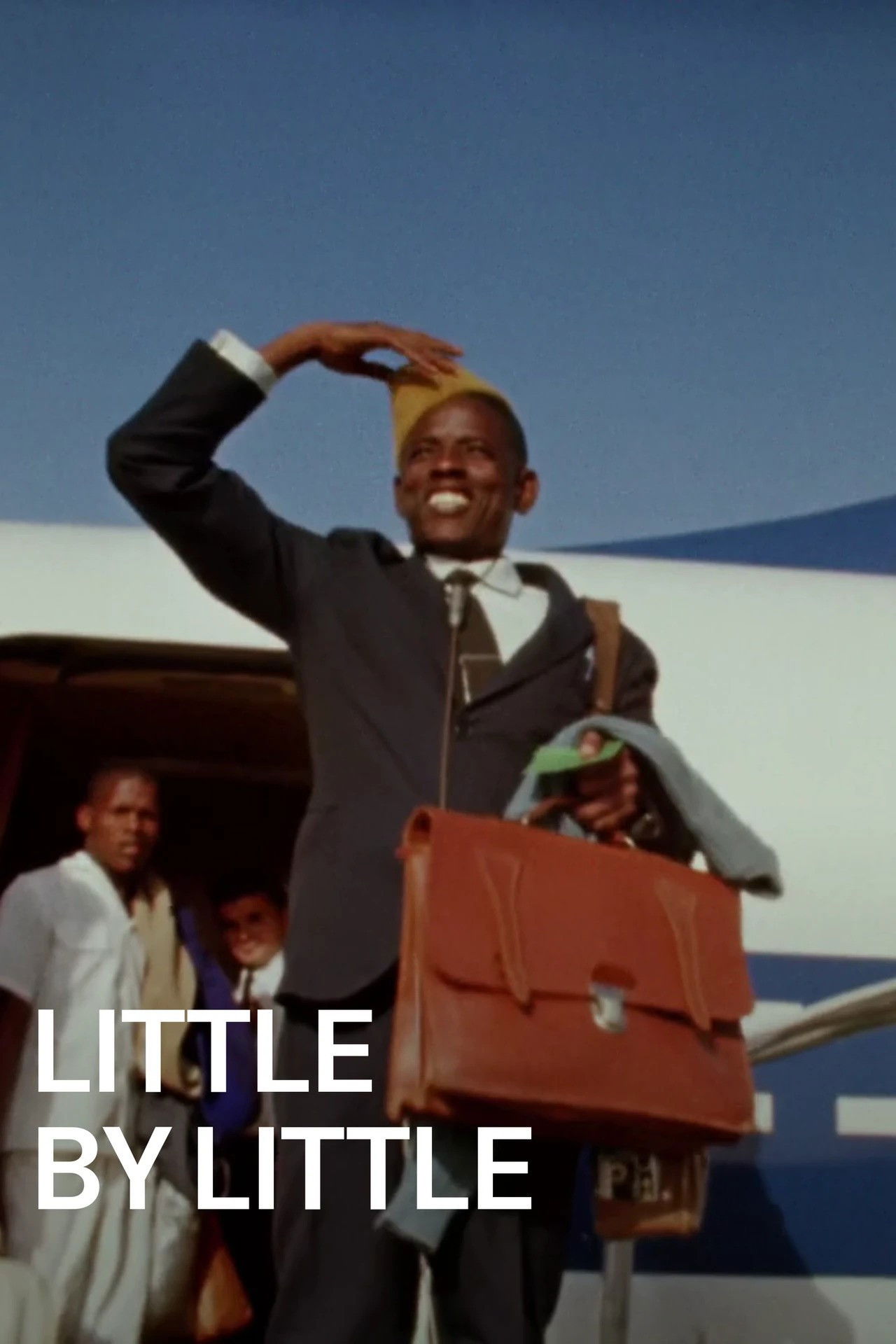
An African travels to Paris to learn about the construction of tall buildings, but is soon taken up with the oddities of French life.
 Film7.5DramBelgesel
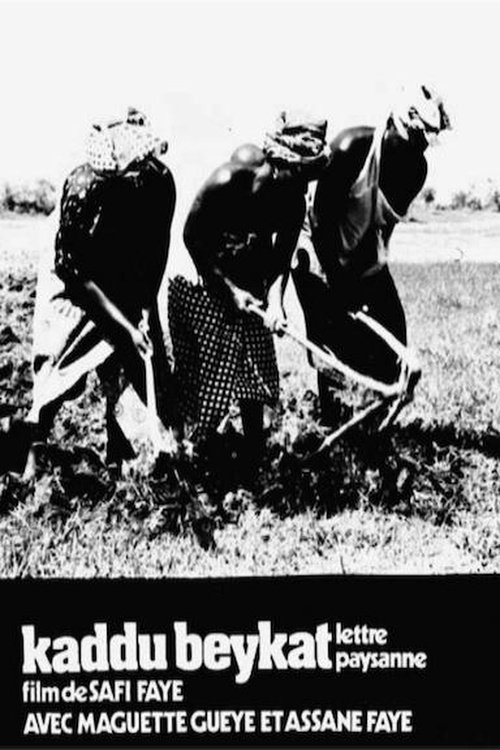
Ngor is a young man living in a Senegalese village who wishes to marry Coumba. Ongoing drought in the village has affected its crop of groundnuts and as a result, Ngor cannot afford the bride price for Coumba. He goes to Senegal's capital city, Dakar, to try to earn more money and is exploited there. He returns to the villagers and shares his experiences of the city with the other men. The story, which shows the daily lives of the villagers, is told in the form of a letter to a friend from a villager, voiced by Faye.
 FilmBelgesel
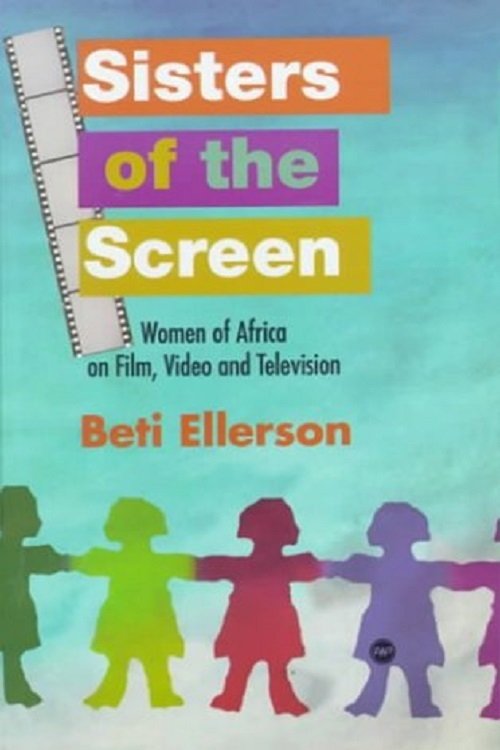
Exploring the extraordinary contributions of women filmmakers from Africa and the diaspora, Beti Ellerson’s engaging debut intersperses interviews with such acclaimed women directors as Safi Faye, Sarah Maldoror, Anne Mungai, Fanta Régina Nacro and Ngozi Onwurah with footage from their seminal work. With power and nuance, Ellerson also confronts the thorny question of cultural authenticity by revisiting the legendary 1991 FESPACO (Pan-African Festival of Cinema and Television of Ouagadougou), in which diasporian women were asked to leave a meeting intended for African woman only. This film is both a valuable anthology and a fitting homage to the pioneers and new talents of African cinema.
- Film7.0
As a young African woman arrives in Paris and walks past two men, one French and one African, the men admire her beauty and fantasize. The European man dreams of taking the woman out for dinner in a restaurant while the African man imagines the woman preparing him a meal at home. Through their dreams, both men reflect the ways in which their differing cultural backgrounds impact their interactions with women. Inspired by the poem 'À une passante' by Charles Baudelaire
La passante
1972 · 1 votes
- FilmBelgeselTV Movie
Ouaga
1988