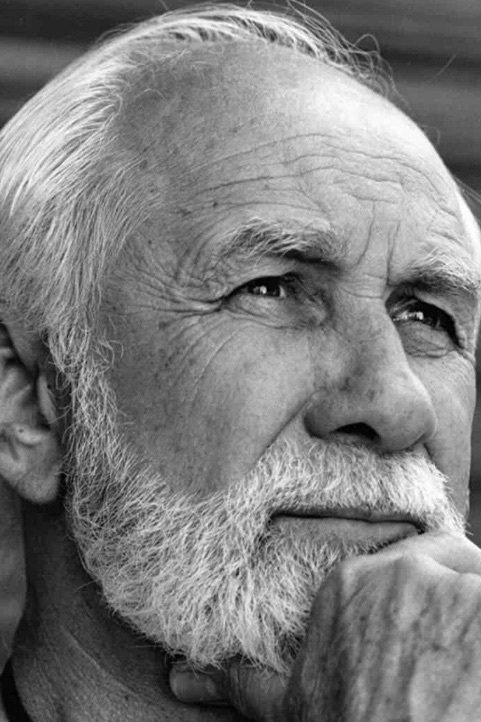
William A. Fraker
Görüntü yönetmeni · 1923 – 2010 · Los Angeles, California, USA
William Ashman Fraker (September 29, 1923 – May 31, 2010) was an American cinematographer, film director and producer. He was nominated five times for the Academy Award for Best Cinematography. In 2000, he received a Lifetime Achievement Award from the American Society of Cinematographers (ASC) honoring his career. As cinematographer, his films include The President's Analyst (1967), Rosemary's Baby (1968), Bullitt (1968), Paint Your Wagon (1969), The Day of the Dolphin (1973), Coonskin (1975), Looking For Mr. Goodbar (1977), Exorcist II: The Heretic (1977), Heaven Can Wait (1978), 1941 (1979), WarGames (1983), Irreconcilable Differences (1984), Murphy's Romance (1985), Tombstone (1993), and Street Fighter (1994). He directed three theatrical films, Monte Walsh (1970), A Reflection of Fear (1971), and The Legend of the Lone Ranger (1981), as well as several television series. Description above from the Wikipedia article William A. Fraker, licensed under CC-BY-SA, full list of contributors on Wikipedia.
Filmler5
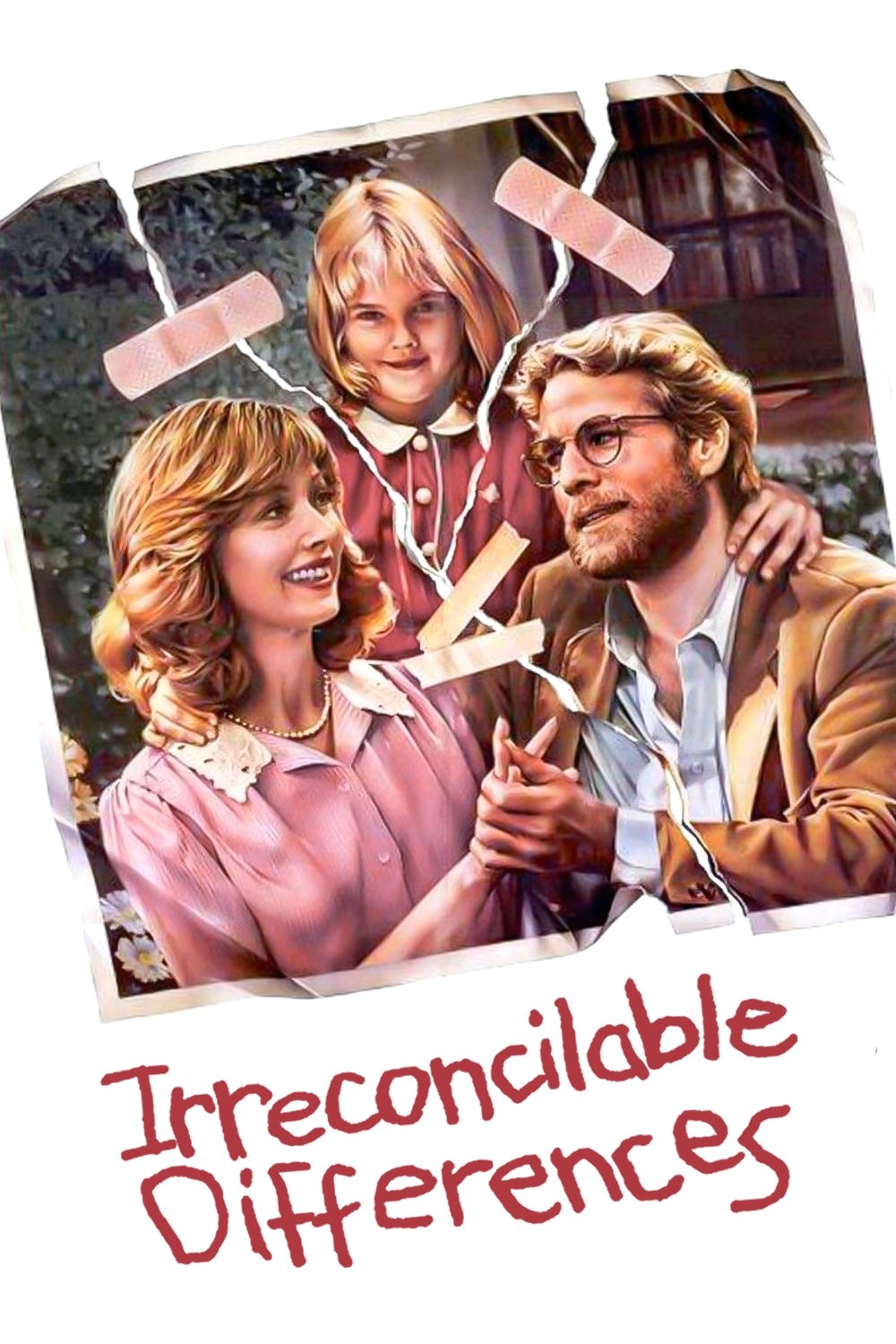 Film5.6KomediDram
Alternating between the past and the present, a precocious little girl sues her selfish, career-driven parents for emancipation, surprising them both.
Irreconcilable Differences
1984 · 57 votes
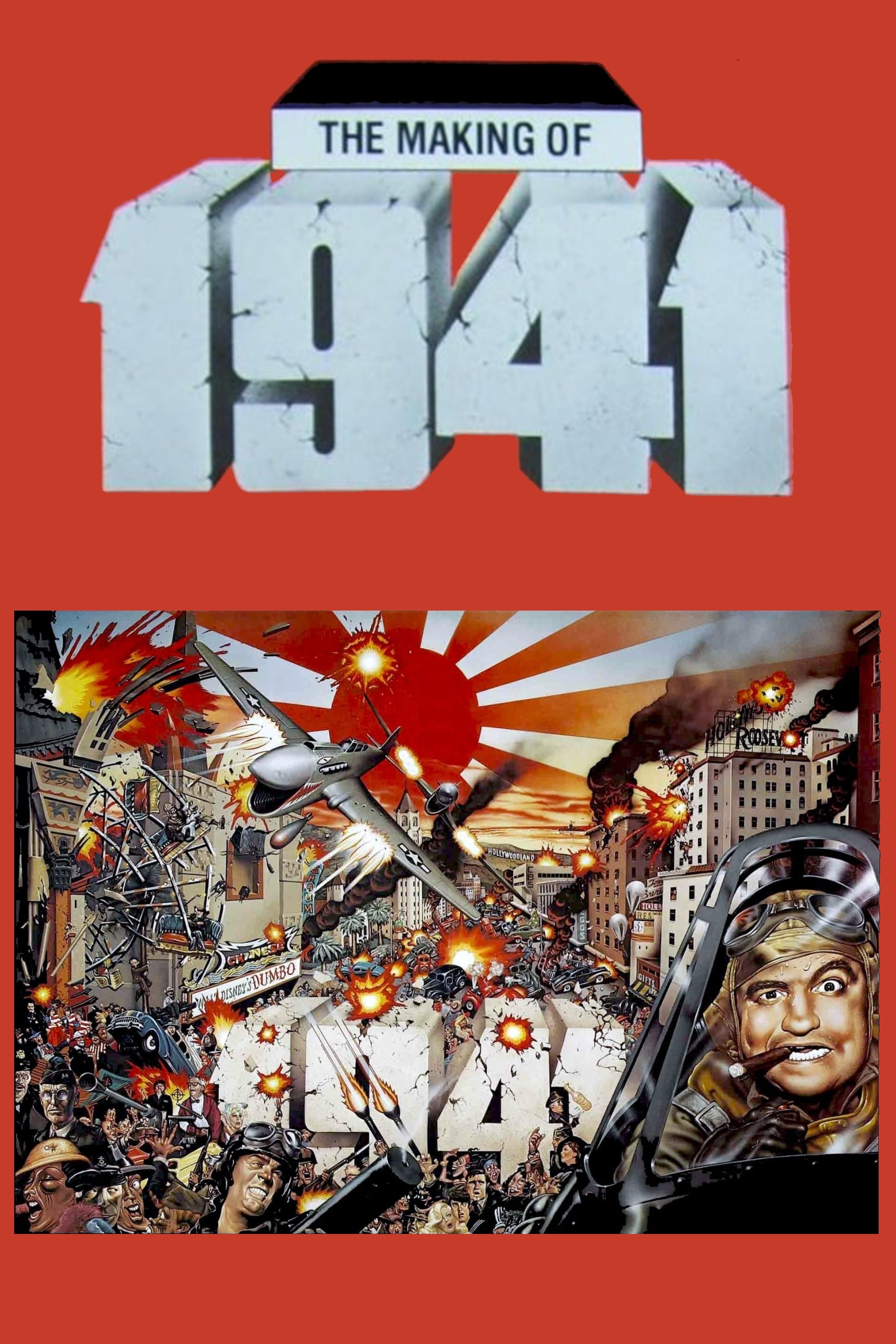 Film6.7Belgesel
A non-narrated documentary, told mainly in interviews with the filmmakers, on the making of the cult comedy classic, featuring outtakes, rare behind-the-scenes home movies, and trivia facts.
The Making of '1941'
1996 · 6 votes
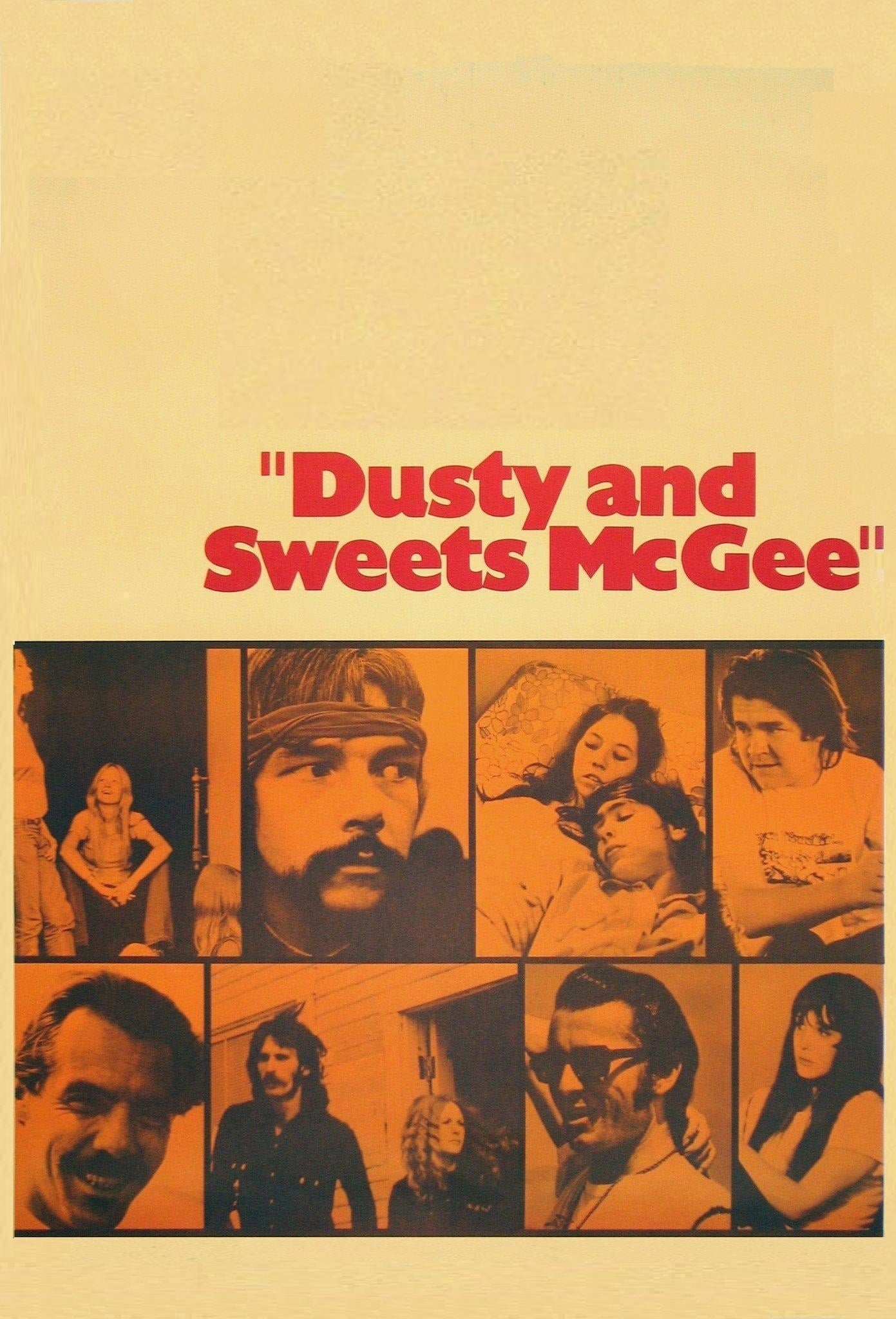 Film6.7DramSuç
A "straight" couple dabbles in drugs and become heroin addicts.
Dusty and Sweets McGee
1971 · 13 votes
 Film7.0BelgeselTarih
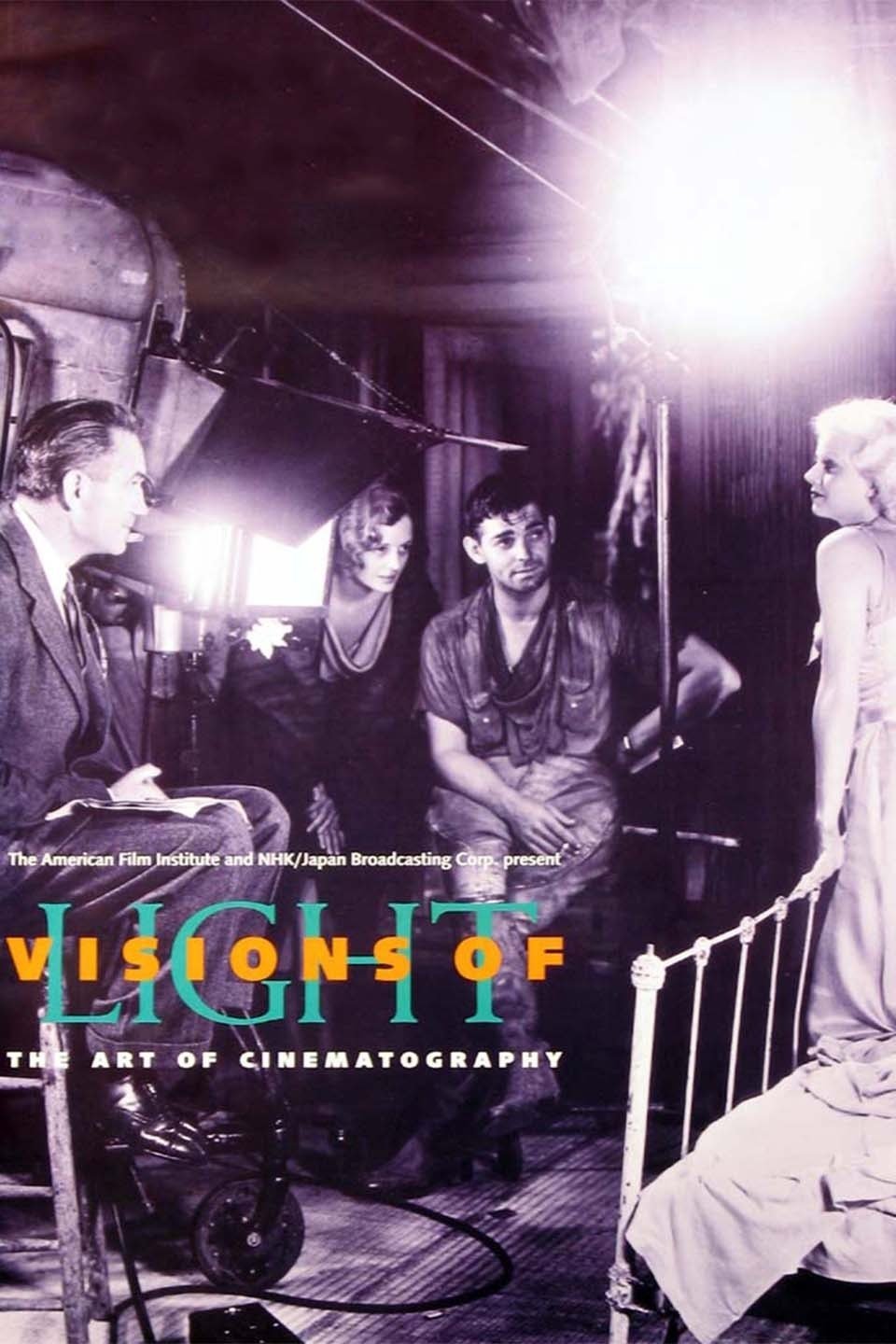
Cameramen and women discuss the craft and art of cinematography and of the "DP" (the director of photography), illustrating their points with clips from 100 films, from Birth of a Nation to Do the Right Thing. Themes: the DP tells people where to look; changes in movies (the arrival of sound, color, and wide screens) required creative responses from DPs; and, these artisans constantly invent new equipment and try new things, with wonderful results. The narration takes us through the identifiable studio styles of the 30s, the emergence of noir, the New York look, and the impact of Europeans. Citizen Kane, The Conformist, and Gordon Willis get special attention.
Visions of Light
1992 · 50 votes
- Film8.0Belgesel
Documentary that describes and analyzes the characteristics, themes and central concerns of Roman Polanski's cinema.
Polanski y los ojos del mal
2002 · 2 votes