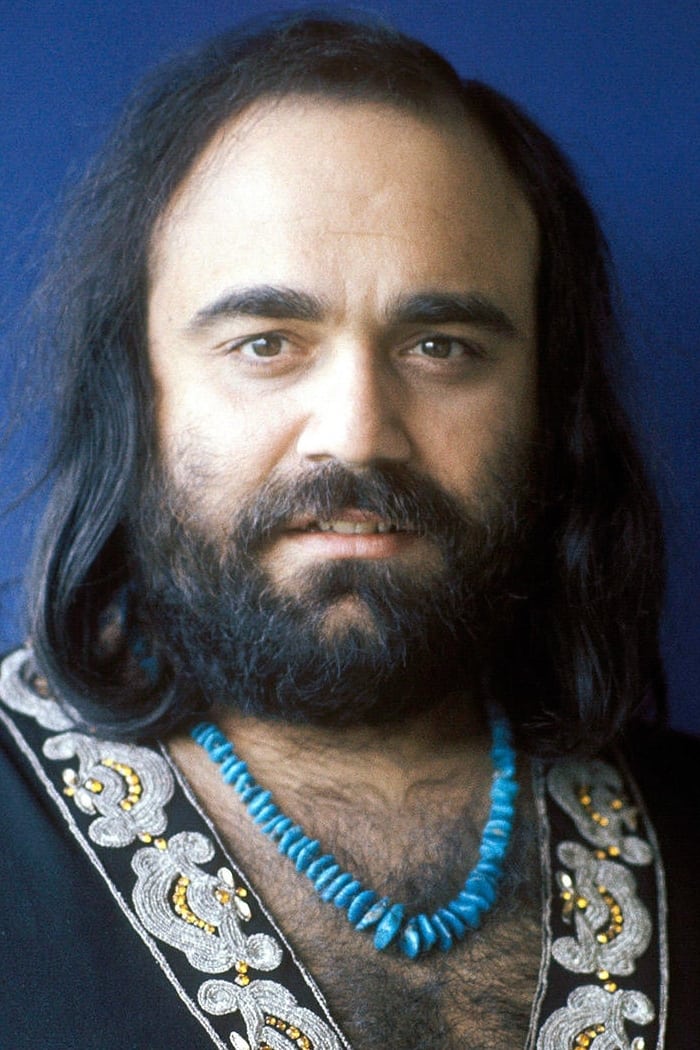
Demis Roussos
Oyuncu · 1946 – 2015 · Alexandria, Egypt
Artemios "Demis" Ventouris-Roussos (15 June 1946 – 25 January 2015) was a Greek singer, songwriter and musician. As a band member he is best remembered for his work in the progressive rock music act Aphrodite's Child, but as a vocal soloist, his repertoire included hit songs like "Goodbye, My Love, Goodbye", "From Souvenirs to Souvenirs" and "Forever and Ever". Roussos sold over 60 million albums worldwide and became "an unlikely kaftan-wearing sex symbol". Roussos was born and raised in Alexandria, Egypt, in a Greek family. His father, George (Yorgos) Roussos, was a classical guitarist and an engineer, and his mother, Olga (1923–2019), participated with her husband in an amateur theatrical Greek group in Alexandria (there were three such groups in the Greek community); her family originally came from Greece. His maternal grandparents were from Chios and immigrated to Alexandria after the Asia Minor Catastrophe. His paternal grandparents were from Chania. His grandfather moved to Egypt in the early 1900s along with his future wife who was underaged. He changed his surname from Ventouris to Roussos to hide from her family. As a child, Roussos studied music and joined the Greek Church Byzantine choir in Alexandria. His formative years in the ancient port city's cosmopolitan atmosphere were influenced by jazz, but also traditional Arabic and Greek Orthodox music. His parents lost their possessions during the Suez Crisis in 1956 and consequently decided to move to Greece. After settling in Greece, Roussos participated in a series of musical groups beginning with the Idols when he was 17, where he met Evángelos Papathanassíou (later known as Vangelis) and Loukas Sideras, his future bandmates in Aphrodite's Child. After this, he joined the Athens-based band We Five, another cover band which had limited success in Greece. Roussos's operatic vocal style helped propel the band to international success, notably on their final album 666, based on passages from the Book of Revelation, which became a progressive rock cult classic. After Aphrodite's Child disbanded, Roussos continued to record sporadically with his former bandmate Vangelis. In 1970, the two released the film score album Sex Power (the album has also been credited to Aphrodite's Child), and later recorded the 1977 album Magic together. Their most successful collaboration was "Race to the End" (also sung in Spanish as "Tu Libertad"), a vocal adaptation of the musical theme from the Oscar-winning film Chariots of Fire (scored by Vangelis). Roussos also guested on Vangelis' soundtrack to Blade Runner (1982), on the tracks "Tales of the Future", "Damask Rose", "Taffey's Snake Pit Bar", and "On the Trail of Nexus 6" (several only available in non-bootleg form on the 29th Anniversary Limited Edition CD set released in 2011). ... Source: Article "Demis Roussos" from Wikipedia in English, licensed under CC-BY-SA.
Diziler23
 Dizi5.7Talk Show
Sacrée soirée
1987 · 5 votes
 Dizi6.8Talk Show
Champs-Elysées
1982 · 9 votes
 Dizi5.6Talk Show
Chat show hosted by Terry Wogan, featuring live studio interviews with famous and notable personalities.
Wogan
1982 · 8 votes
 Dizi6.0Talk Show
A talk show presented by Michel Drucker
Les Rendez-vous du dimanche
1975 · 2 votes
 Dizi9.0Realite
Midi Première is a French variety show presented by Danièle Gilbert, directed by Jacques Pierre and broadcast from January 6, 1975 until January 1, 1982 on TF1. The program was generally broadcast between 12:15 p.m. and 12:55 p.m., then giving way to the 1:00 p.m. TV news. However, the broadcast schedule could change, depending on the guests, and the setting where the recording of the program was shot. Certain performances by artists who have become cult like the one where Ringo jostles with a demonstrator in interpretation (1977), that of Dalida with the title There is always a song with the soundtrack that does not start, twice, at the right speed (1978), Claude François and his Clodettes, who, in the provinces, are unable to join "the set" in order to interpret his song, the latter being taken by the crowd of delirious fans (summer 1977) . The group Supertramp performed there with the title "Dreamer" on March 8, 1975.
Midi Première
1975 · 2 votes
- Dizi7.3Talk Show
Die Drehscheibe
1964 · 3 votes
 DiziTalk Show
 Dizi7.2Talk ShowÇocuk
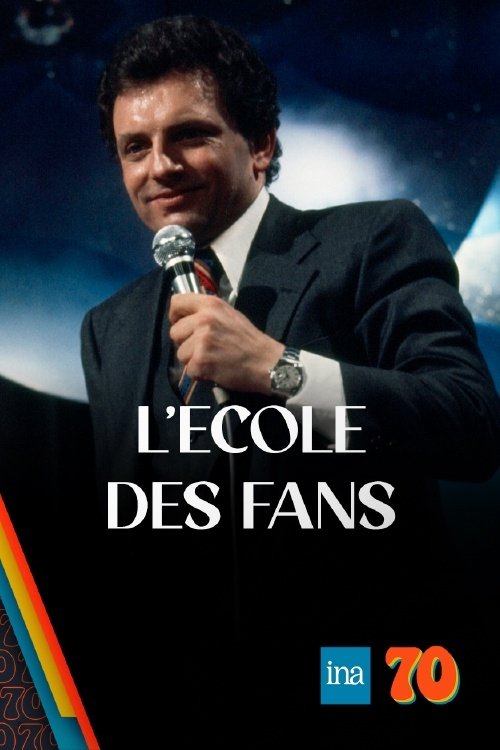
Host Jacques Martin invites different talented children from various backgrounds to showcase their beautiful voices. The participants entertain and wow the audience with their lovely performances.
 Dizi7.5Realite
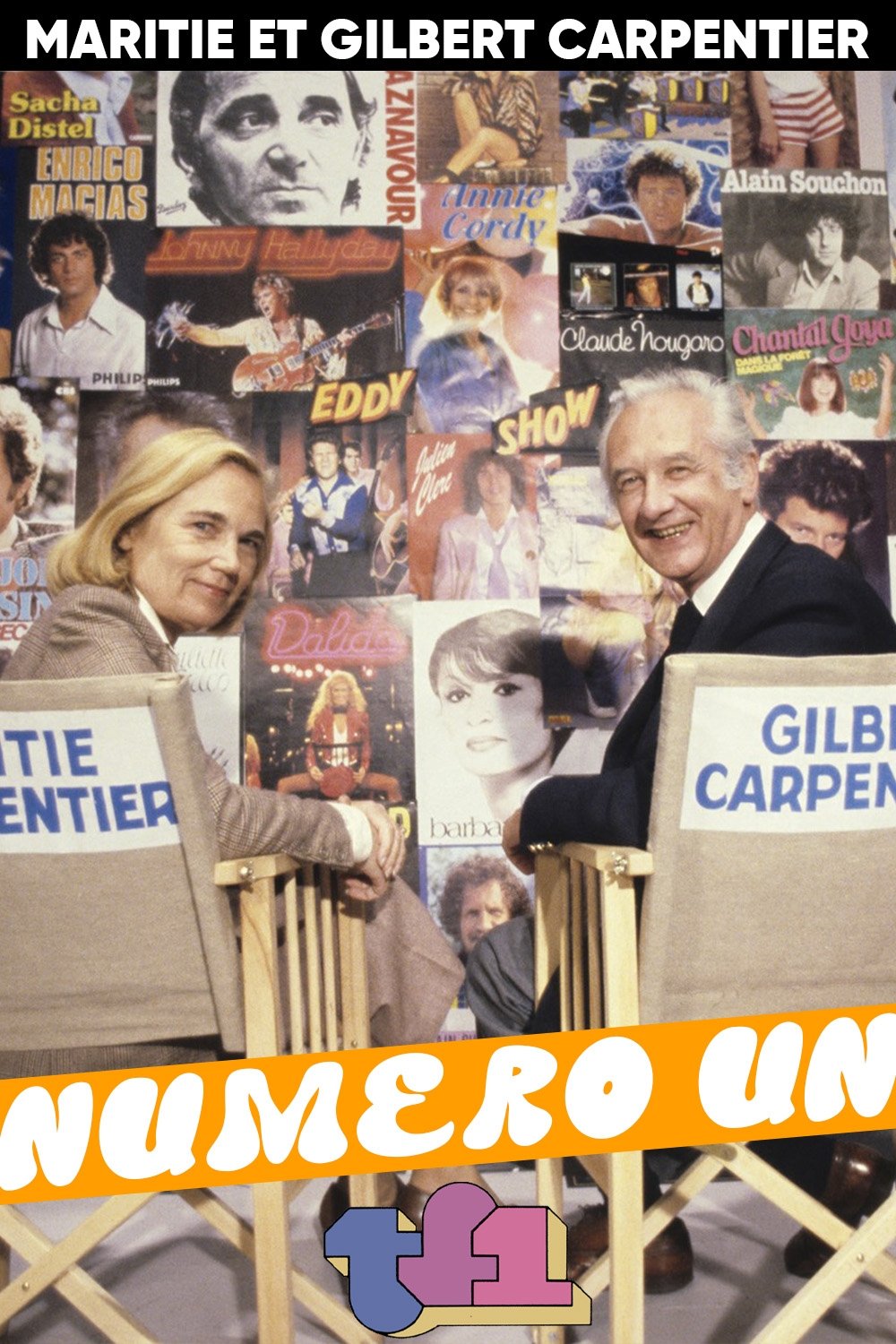
A French variety show.
Numéro un
1975 · 2 votes
 Dizi6.0Realite
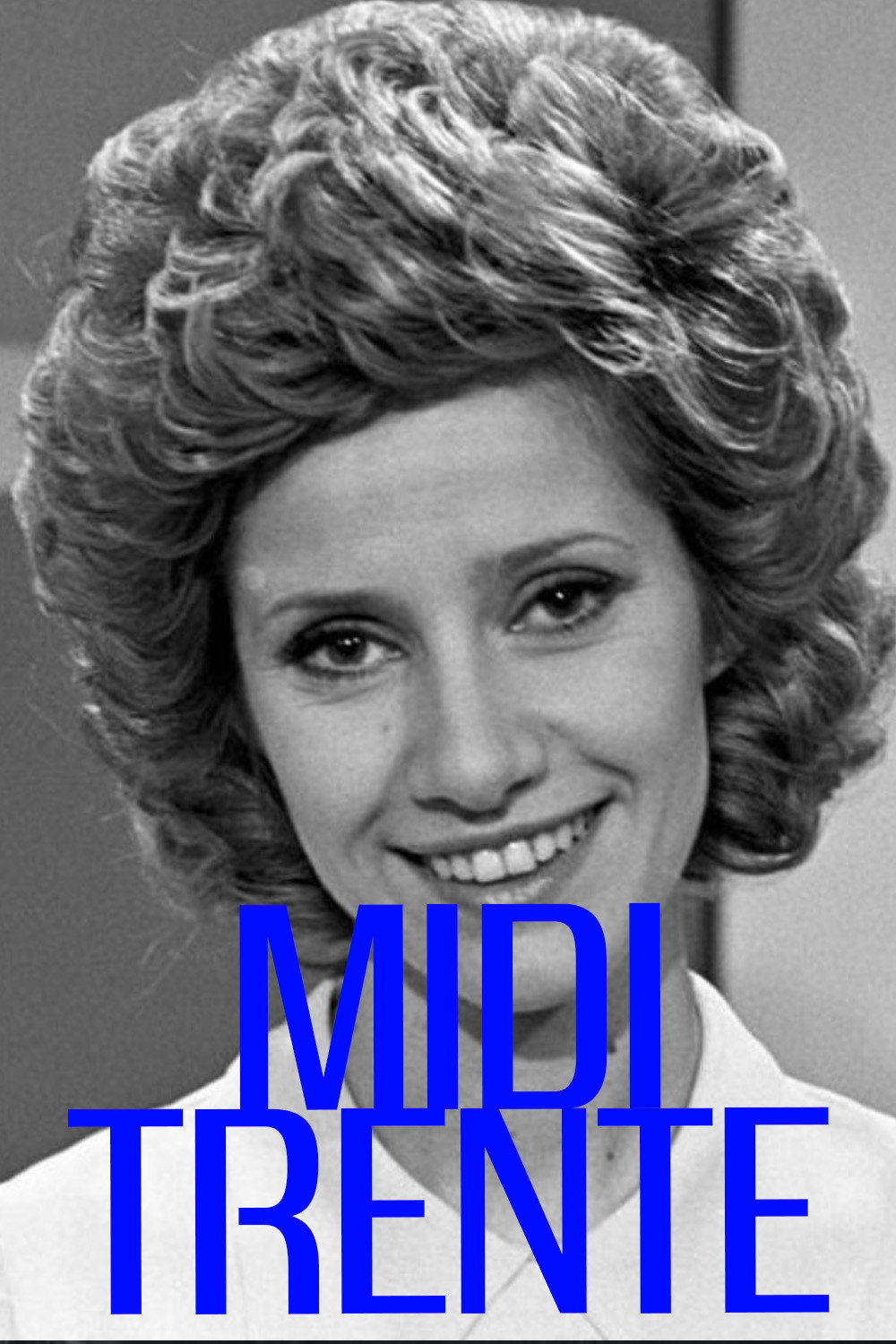
Midi trente
1972 · 1 votes
 Dizi6.1Talk Show
Nulle part ailleurs
1987 · 8 votes
 Dizi8.0Talk Show
Discorama
1959 · 1 votes
- Dizi6.0Talk Show
Samedi soir
1971 · 1 votes
- Dizi4.2Realite
The show was meant to compete with those on West German television. To this end it was fairly successful even attracting a following in parts of West Germany which could receive Eastern TV. Its production values were high. Apart from song and dance numbers and appearances from East German celebrities, almost every broadcast featured well-known stars from the west, often after their popularity had peaked in their home countries.
Ein Kessel Buntes
1972 · 3 votes
- DiziRealite
Système 2
1975
- Dizi4.0Haber
Willkommen bei Carmen Nebel
2004 · 1 votes
- Dizi7.0Realite
Musik aus Studio B
1961 · 1 votes
 DiziTalk Show
Disco was a pop music program that aired in Germany on the ZDF network from 1971 to 1982. It generally aired on the first Saturday of each month at 7:30PM, each show running 45 minutes. 133 shows were produced. The show was hosted by German actor and comedian Ilja Richter. Its lesser known predecessor on ZDF, 4-3-2-1 Hot & Sweet was aired between 1966 and 1970, presenters included Ilja Richter and Suzanne Doucet. Disco generally served a younger pop-oriented audience compared to ZDF's Hitparade, and until 1972, its main competitor was Beat-Club, followed by Musikladen, both on ARD. Repeats of Disco have been aired since 1984 on ZDF Musikkanal, after its closedown in 1989 on 3sat. Since 2004, the digital ZDF Theaterkanal aired repeats of the entire series. In 2007, ZDF Dokukanal began to air reruns, starting with episodes from 1975 and also multiple repeats of the series have been shown on hit24 in 2008. The show focussed on chart hits current at the time of airing, giving about equal airtime to international pop music and German Schlager. Despite its name, it did not particularly focus on disco music although it featured many disco hits as long as they were chart relevant..
Disco
1971
- Dizi6.0Haber
 Dizi8.0Belgesel
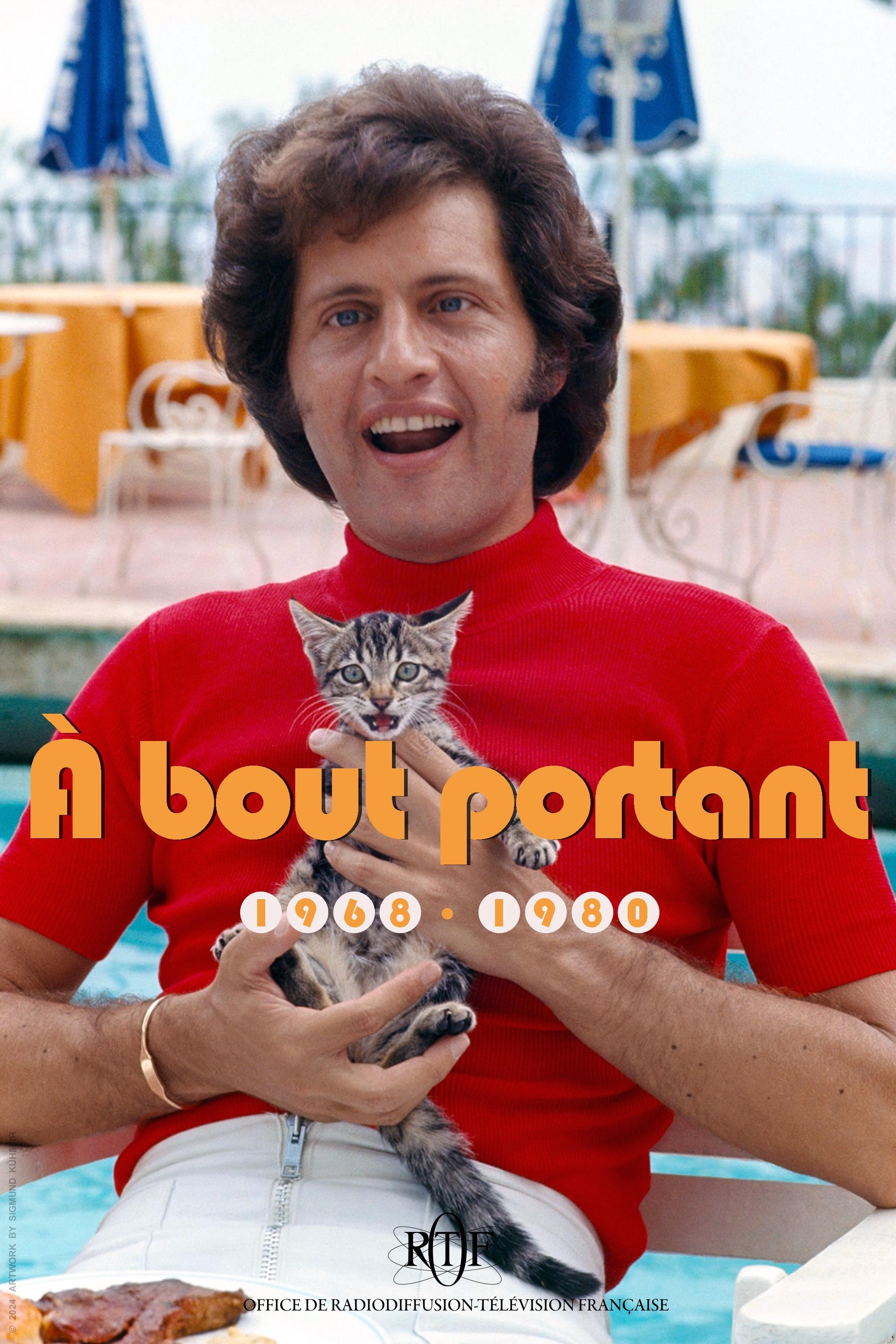
À bout portant
1968 · 1 votes
 Dizi6.5BelgeselPembe Dizi
Il était une fois Champs-Élysées
2022 · 5 votes
 Dizi5.5Komedi
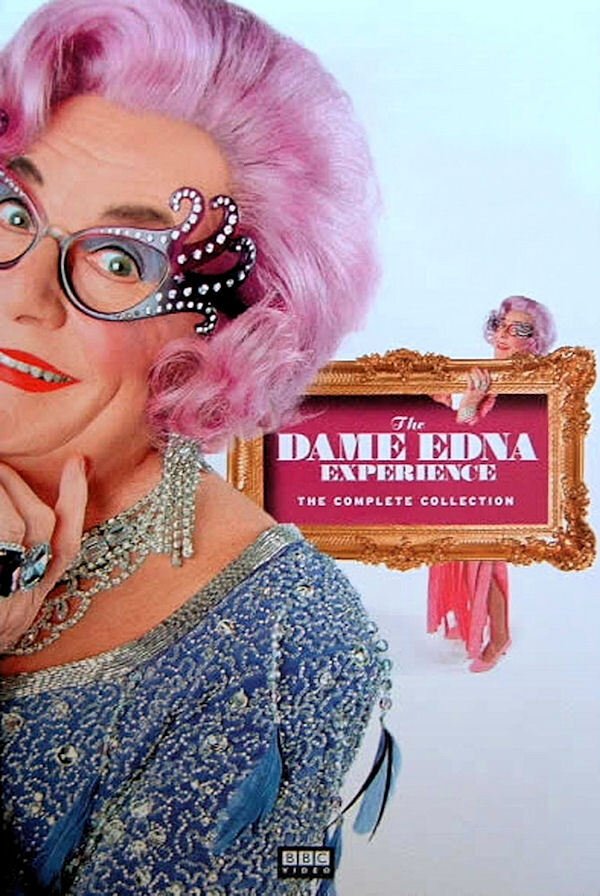
The Dame Edna Experience is a British television comedy talk-show hosted by Dame Edna Everage. It ran for twelve regular episodes on ITV, plus two Christmas specials. The first seven aired for the first time in 1987, the next seven in 1989. It was directed by Ian Hamilton and Alasdair MacMillan and produced by London Weekend Television. Regulars on the program, besides Dame Edna, were her "bridesmaid" Madge Allsop and Robin Houston who was the announcer, with orchestra conducted and arranged by Laurie Holloway. Each program featured several celebrity guests, usually three, but some programs included up to eight guests. There would also be other invited "guests" like Kurt Waldheim and Imelda Marcos who once introduced at stage right would fall victim to a trap door or something similar and fail to make it to their chair. The entire series was released on DVD by BBC Video in June 2004, and can now also be purchased as a complete set including the Christmas specials and the three An Audience with Dame Edna specials, plus other material. The series was released for Region 2 by Network DVD in the UK in 2007, as a 4-disc set. For reasons unknown, the Region 2 release does not include the 1989 Christmas special "The Dame Edna Satellite Experience" that ended the second series and featured Ursula Andress, Yehudi Menuhin, and Robert Kilroy-Silk. It does, however, include the one-off 1990 Christmas special A Night On Mount Edna with guests Mel Gibson, Charlton Heston, Gina Lollobrigida and Julio Iglesias.
The Dame Edna Experience
1987 · 6 votes
 DiziAile
Cadet Rousselle
1971
Filmler4
 Film5.8Komedi
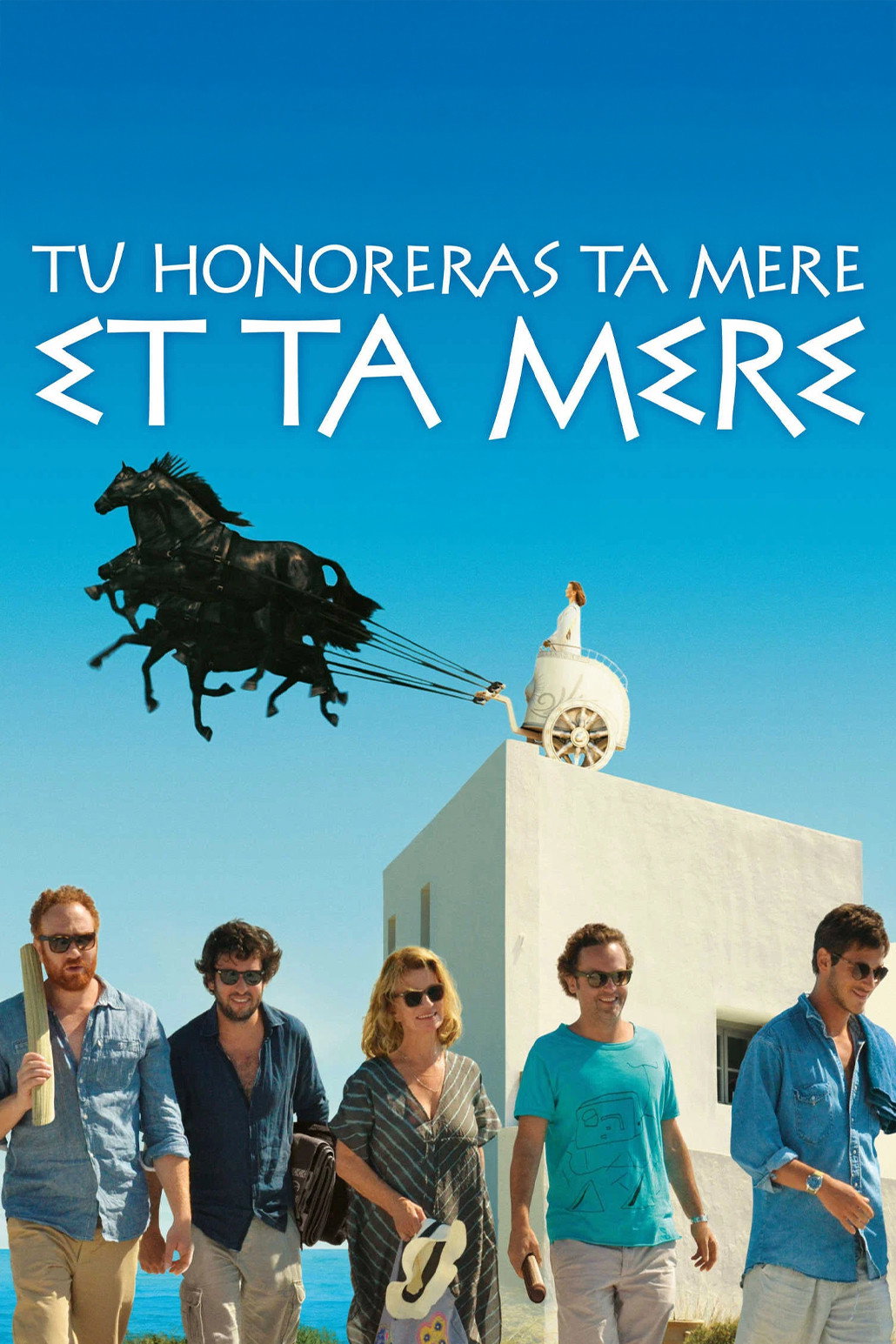
"Everything will be fine" the doctor promised Jo while she was giving birth to her first child. But, some forty years and four sons later, nothing is happening like it should be during this month of August: as she arrives on Greek soil to organize her traditional festival with her tribe, Jo learns that the latter has been cancelled, courtesy of the economic crisis. The hour seems to be tragic but the maternal instinct grows stronger, she is ready to do everything for the happiness of her sons. Between squabbles and blood and destiny blows, this summer will be like no other.
 Film7.0WesternKomedi
L'homme qui venait du Cher
1969 · 1 votes
 Film9.0KomediAile
'Boom! Boom!' The Best of the Original Basil Brush Show featuers the most hilarious moments from the Mr Derek, Mr Roy and Mr Howard years.
Boom! Boom! The Best of the Original Basil Brush Show
2001 · 1 votes
 Film6.6Komedi
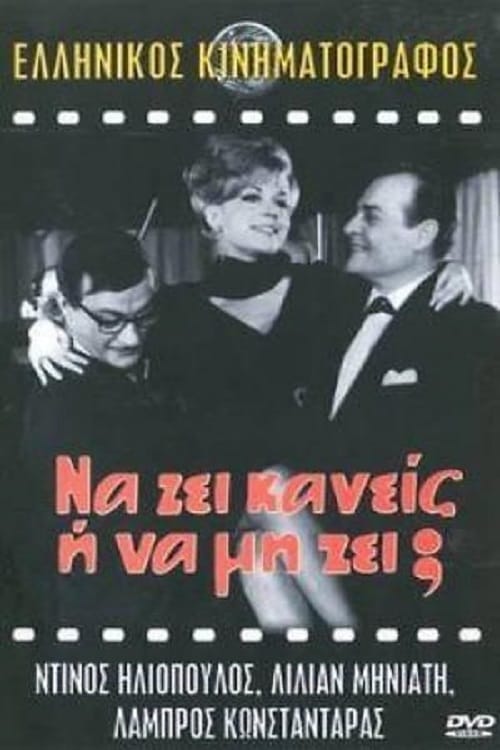
After his business' bankrupcy, Giorgos Alexiou decides to commit suicide. Rosa, his cousin's wife who stand to benefit form his death, hires a private detective to keep an eye on him in case he changes his mind. Minas, Giorgos' employee, becomes Giorgos' guardian angel preventing the suicide at the last minute.