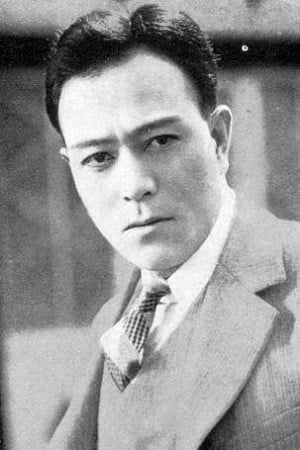
Kōmei Minami
Oyuncu · 1895 – 1960
Filmler22
 FilmDram
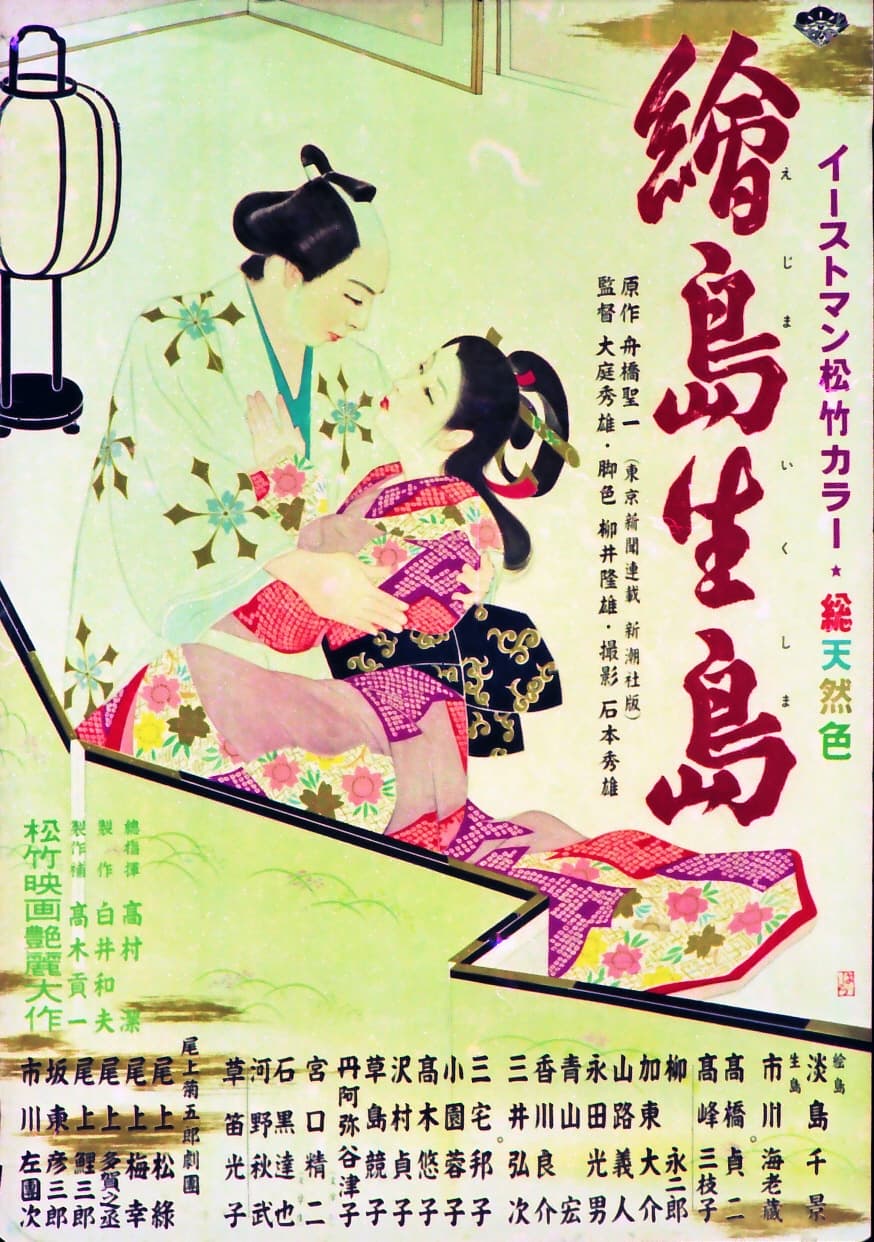
This period film is inspired by one of the most notorious scandals to have taken place in Edo-period Japan. The heroine, Ejima, was a lady of the Ooku, the harem of Edo Castle in which the Shogun’s mother, wife and concubines resided, forbidden from contact with any other man except in the presence of the Shogun. The institution played a key role in the Byzantine world of Japanese court politics during the Edo era. In 1714, Lady Ejima was sent to pay her respects at a Buddhist temple in the city, and chose to pay an unauthorised visit to the kabuki theatre – a violation of protocol that was to have tragic consequences.
 Film7.8RomantikDram
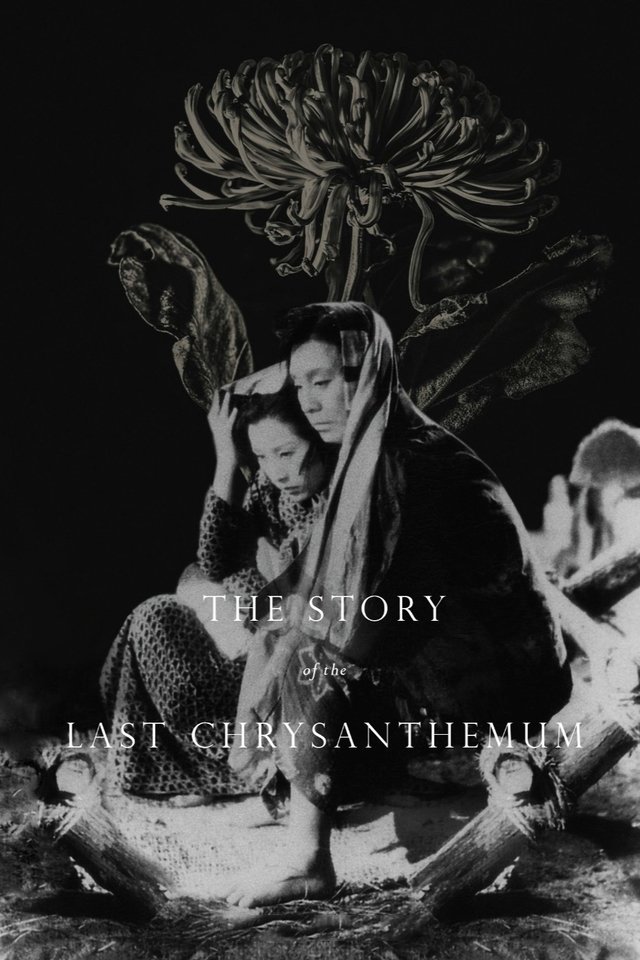
In late 19th-century Tokyo, Kikunosuke Onoue, the adopted son of a legendary actor, himself an actor specializing in female roles, discovers that the praise he receives is only due to his status as his father's heir. Devastated, he turns to Otoku, a servant of his family, for comfort, and they fall in love. Kikunosuke becomes determined to leave home and develop as an actor on his own merits, and Otoku faithfully joins him.
 Film6.9DramTarih
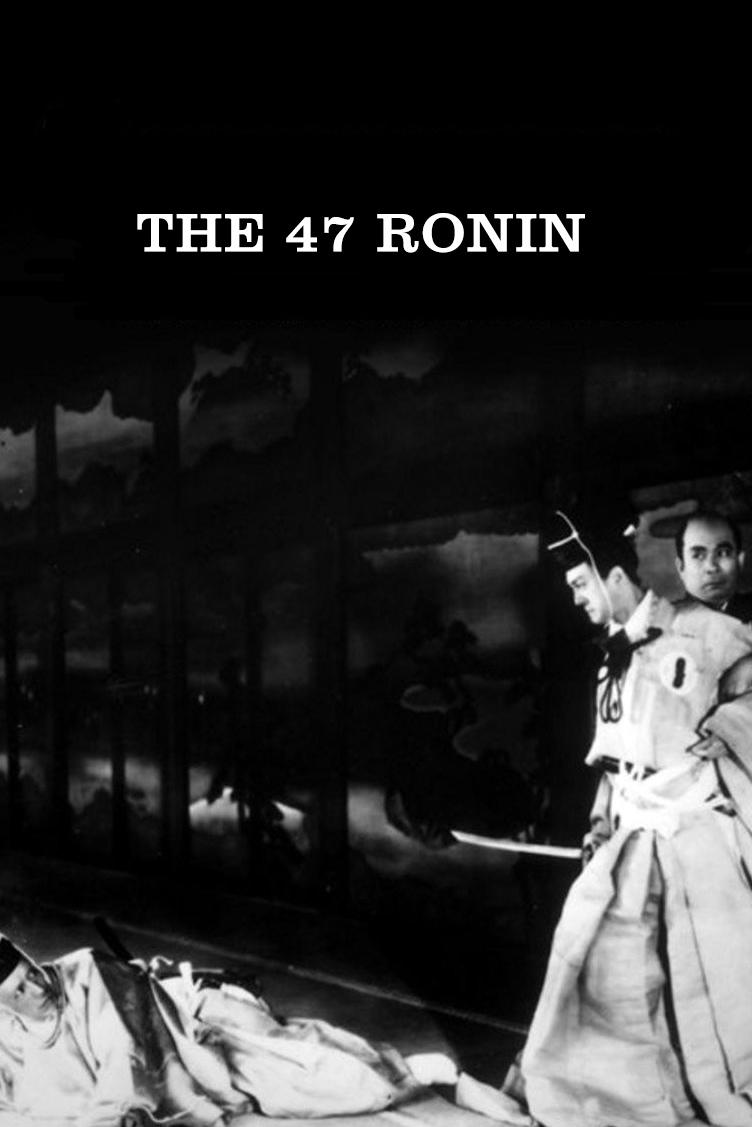
In the early 18th-century, Lord Takumi-no-kami Asano, feuding with Lord Kira, tries to kill his opponent in the corridors of the Shogun's palace. The Shogun sentences Asano to seppuku and deprives the palace and lands from his clan, but does not punish Kira. Asano's vassals leave the land and his samurais become ronin and want to seek revenge against the Lord's dishonour. But their leader Kuranosuke Oishi seeks to restore the Asano clan with his brother Daigaku Asano. One year later, the Shogun refuses, and Oishi and 46 rōnin are out for revenge.
 Film6.3Dram
A small town boy dreams of being a famous fiddler; Meanwhile, two convicts escape from prison and hide in the woods.
 Film7.0
One of Mizoguchi's first films, considered lost.
 Film7.0TarihSuç
The tale of a feudal swordsman who cynically takes no responsibility for anything, relegating it to others, and then taking the credit.
- Film
Directed by Kensaku Suzuki.
- Film7.0Tarih
Period film from 1934.
 Film7.0Dram
Stage director Shimamura, who is bringing western theatre to Japan, falls in love with outspoken actress Sumako Matsui, and leaves his family to be with her, while trying to keep his Art Theatre solvent.
 Film10.0DramTarih
The head of Oshu, Harumichi Honma, was ordered by the boat bugyo (Commissioner of the board) Tajima Kuze to extract five gold coins to the Shogun family in Edo, and put it into Ryujin Maru. However, Tajima, who was the chief retainer of the shogunate, said that he was a member of the board, tetsugoro Funabashi, kumiyumi no Kami ichibei, and his son, masakichi, and others, and in the middle of the night, he killed all the members with poison in the night of the storm, threw Masayoshi, who was a fellow of the city, and masakichi, who escaped from the death of poison, into the sea and sank the boat to eliminate evidence.
- FilmKomedi
Yaji and Kita: The Battle of Toba Fushimi is a 1928 Japanese film directed by Tomiyasu Ikeda.[1] This comedy film showcases the acting talent of Denjirō Ōkōchi and acts as a complementary film to Yaji and Kita: Yasuda's Rescue, which is part of the Yaji and Kita series. An 8-minute remnant of the film was released on DVD by Digital Meme with a benshi accompaniment by Midori Sawato. The version in the National Film Center is 23 minutes long.
 Film5.6DramTarih
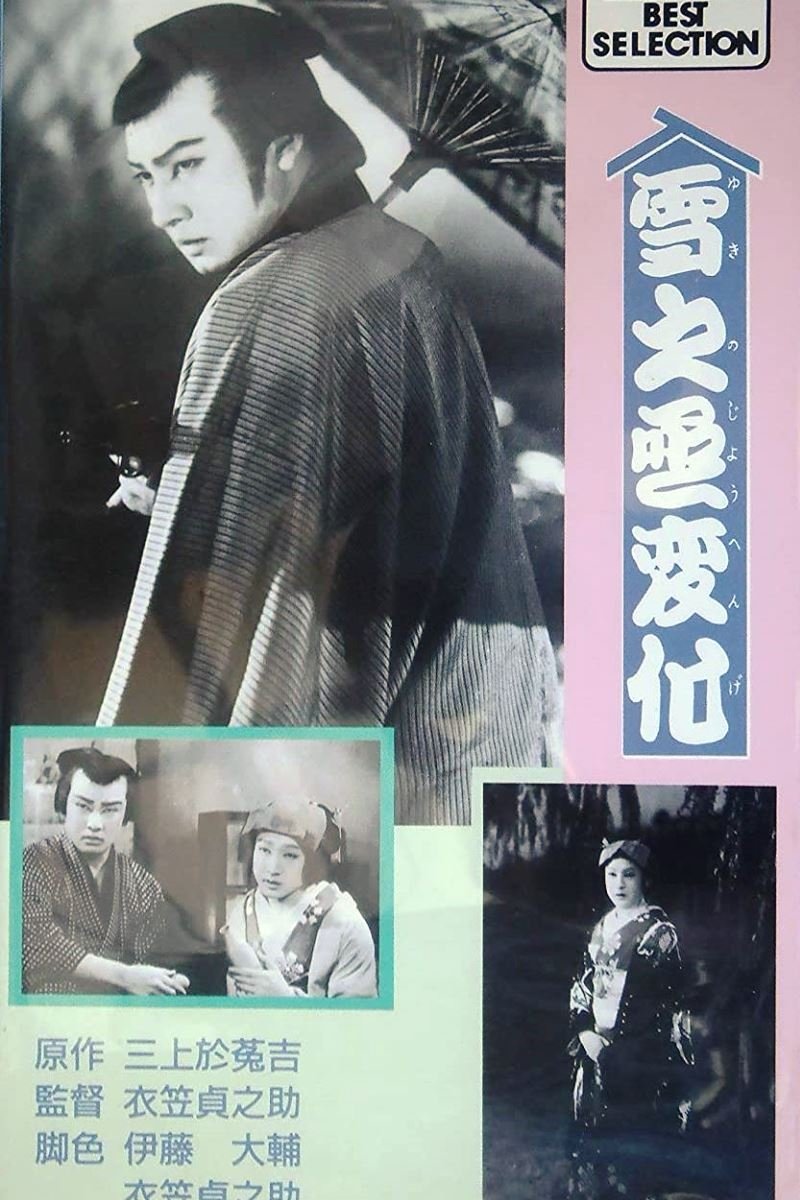
An onnagata (female impersonator) of a Kabuki troupe avenges his parents' deaths. Remade in 1963 as Yukinojô Henge.
 Film
Film1929 Japanese movie
- Film
愛情の旋風
1951
- FilmDram
A lost film by Masahiro Makino
- Film7.8
Sozenji Baba is a 1928 black and white Japanese silent film directed by Masahiro Makino. It is an ambitious film in which Makino deals with the difficult issue of the agony of a person who killed for revenge.
- Film
Japanese silent film by Masahiro Makino to which sound was added.
 FilmAksiyonTarih
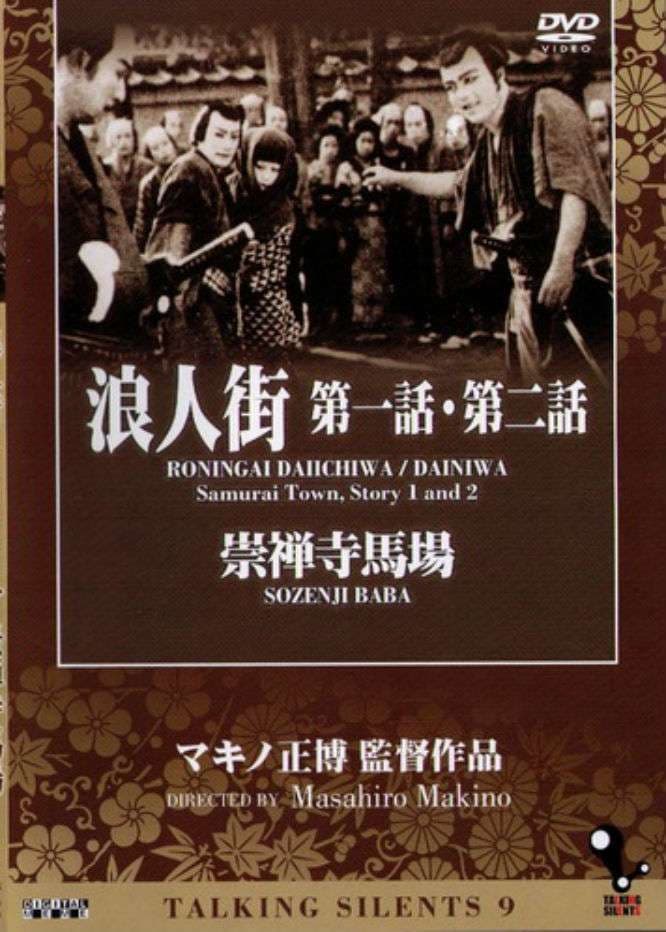
A representative film directed by Masahiro Makino, son of Shozo Makino ("the father of Japanese film"). This film lent status to ensemble casts that did not rely on famous stars. The unique setting of the samurai town, exquisite camera work and fast-paced sword fighting scenes all have an original appeal that audiences can related to even today.
 FilmKorkuGerilim
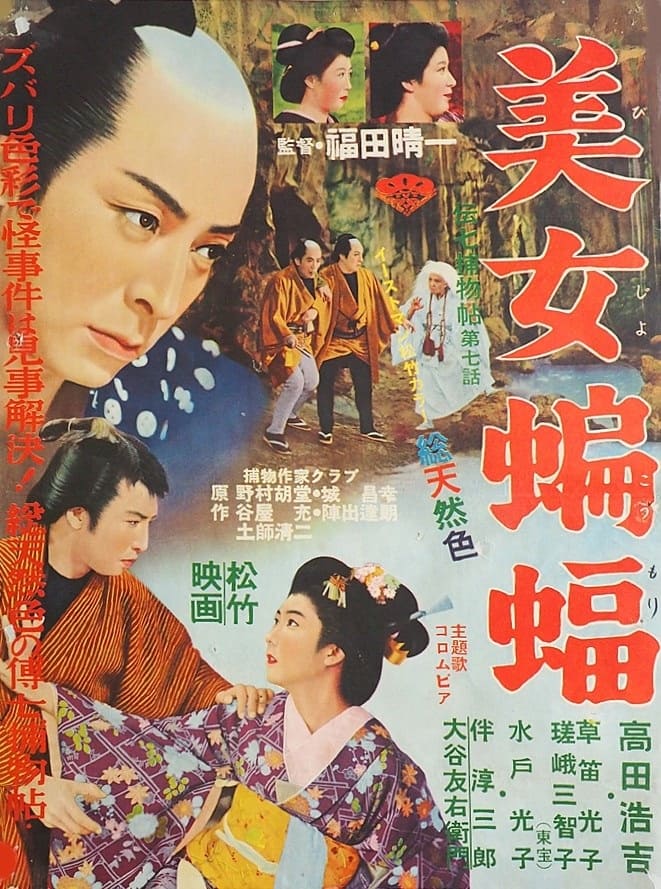
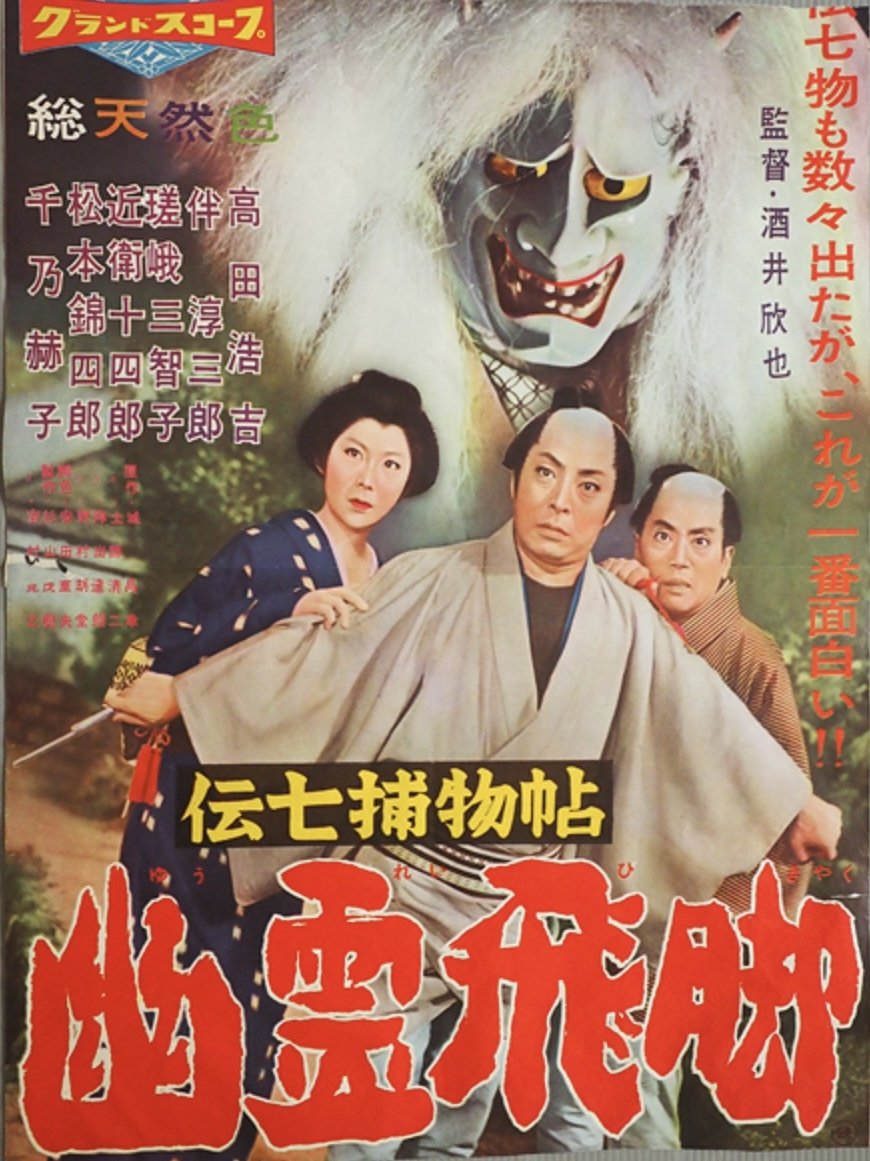
The eleventh episode of the Denshichi Torimonocho series. Around the time of Shogun Ienari, a murderer known as a ghost hikyaku appeared in Edo, raping and killing young girls one after another. One night, a notice was recieved that Oichi, the daughter of Wakasa Kanayu of the small construction group, would be taken away. The mansion was surrounded by ten and twenty layers of people including Denshichi, who was asked to guard the house, and Sesshinsai Ohba, the owner of the dojo. Four seconds later, a violent explosion suddenly occurred.
 FilmDramKorku
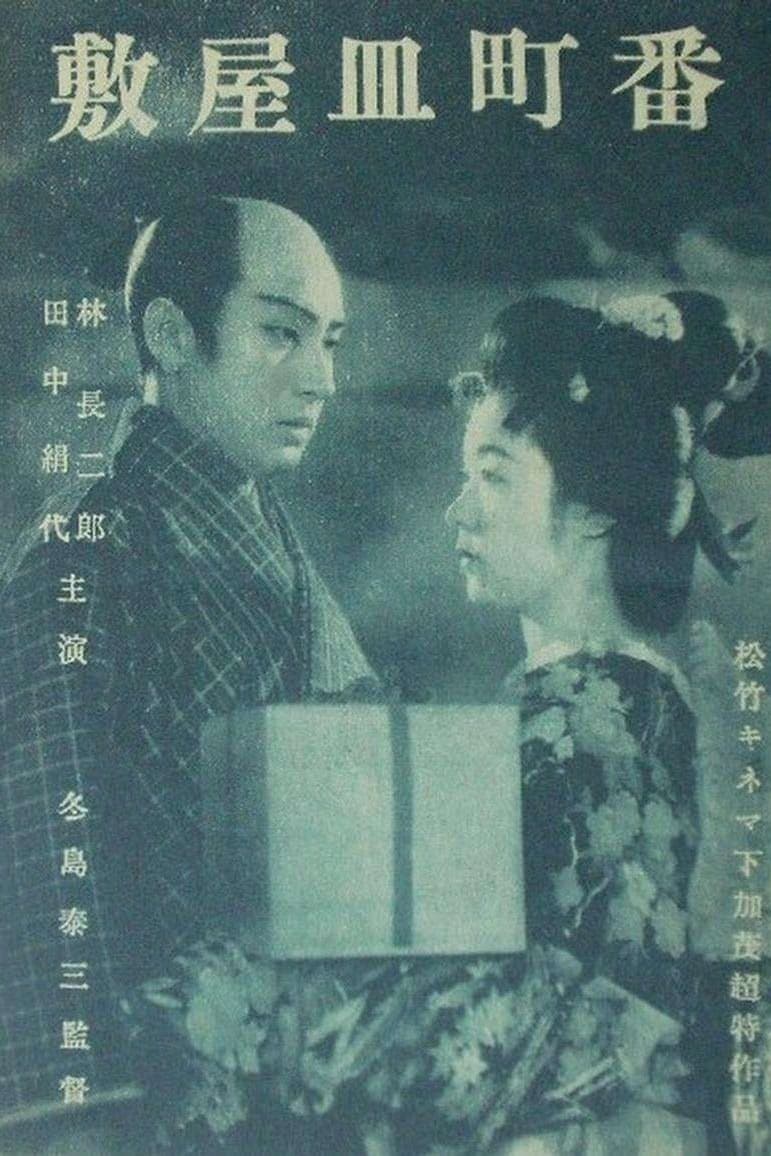
short film about Banchō Sarayashiki.
 Film6.0
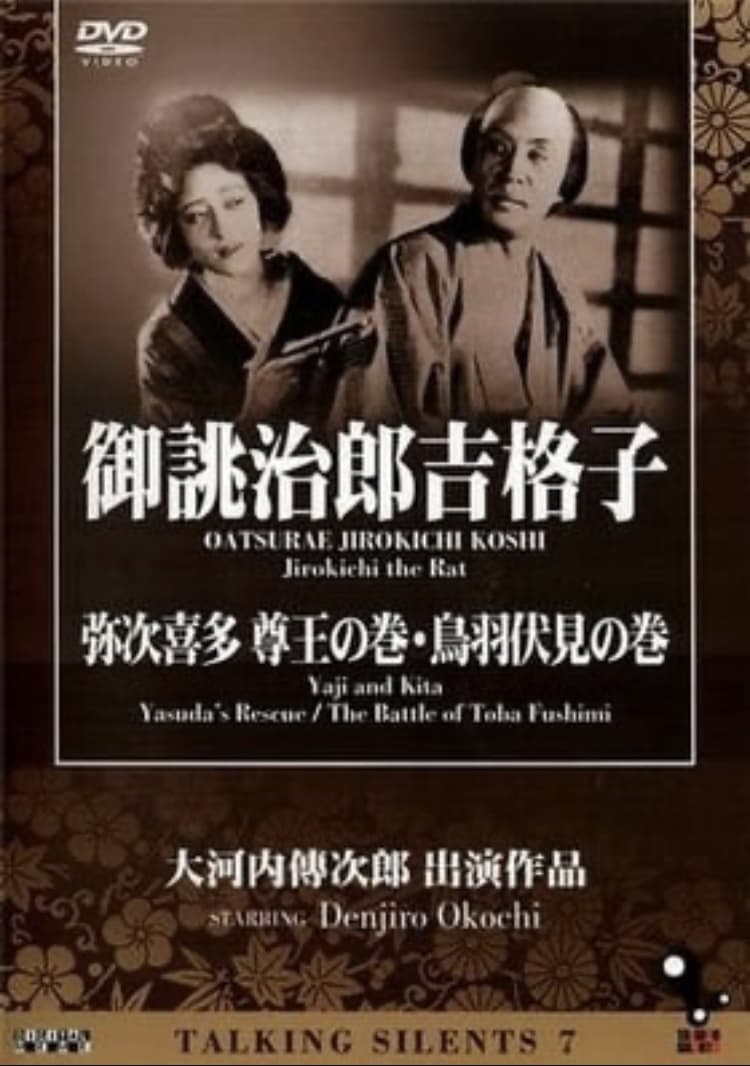
Yaji and Kita: Yasuda's Rescue is a 1927 black and white Japanese silent film directed by Tomiyasu Ikeda.[1] This comedy film showcases the comic talent of Denjiro Okochi, which contrasts markedly with his heroic performance in Oatsurae Jirokichi Koshi. The humorous exchanges with Goro Kawabe, his senior at Nikkatsu, can be priceless, with the expressions and movements of the two goofy characters making for pure, hilarious slapstick comedy. A 15-minute remnant of the film was released on DVD by Digital Meme with benshi accompaniment by Midori Sawato and Ryubi Kato.
- Film9.0Dram
A Japanese silent drama about two farmers