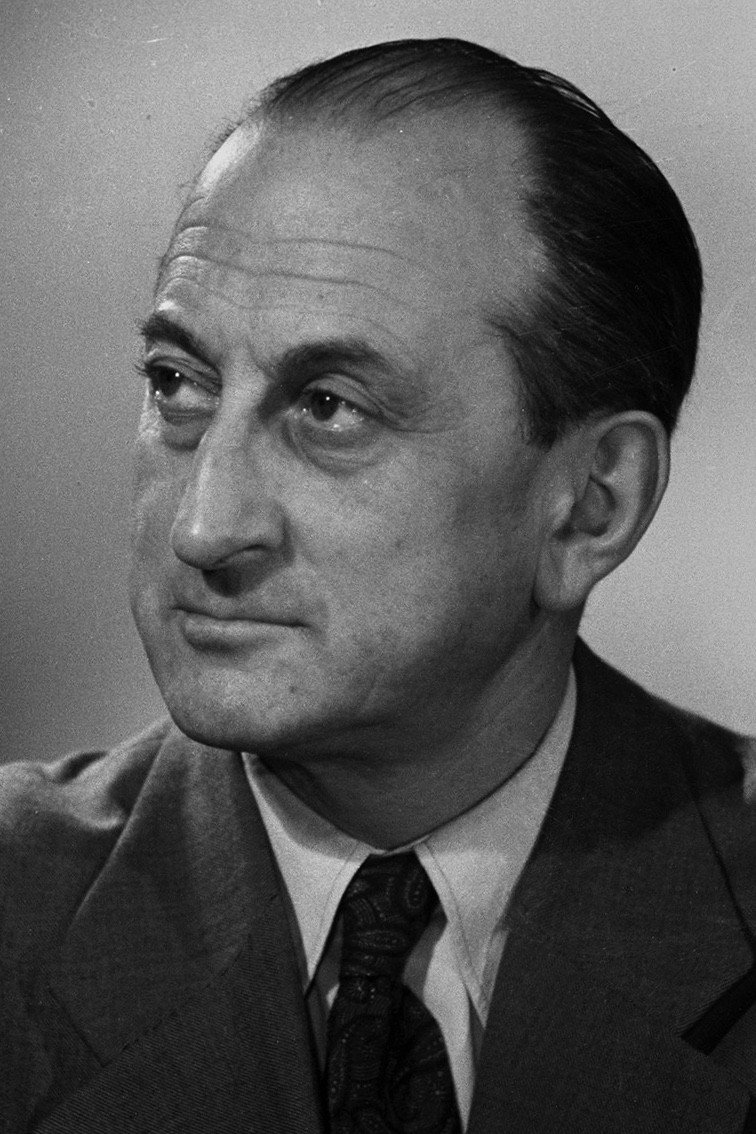
Mikhail Romm
Yönetmen · 1901 – 1971 · Irkutsk, Russian Empire [now Russia]
Mikhail Ilych Romm (Russian: Михаил Ильич Ромм; 24 January [O.S. 11 January] 1901 – 1 November 1971) was a Soviet film director. He was born in Irkutsk. His father was a social democrat of Jewish descent who had been exiled there. He graduated from gymnasium in 1917 and entered the Moscow College for Painting, Sculpture and Architecture. From 1918 - 1921, he served in the Red Army during the Russian civil war, first as a signalman and later rising to the rank of inspector of a Special Commission concerning the numbers of the Red Army and Fleet of the Field Staff of the Supreme Military Soviet of the Republic. As such he travelled a lot and had the opportunity to see much of the life in different parts of the country, something that he later said he "recalled with gratitude". In 1925 he graduated as a sculptor from the class of Anna Golubkina of the Highest Artistic-Technical Institute and worked as a sculptor and translator. In 1928-1930 he conducted research on the theory of cinema in the Institute for the methods of extra-scholastic work. Since 1931 he worked at the Mosfilm studio. In 1940-1943 he was an artistic leader for the Mosfilm films production. In 1942-1947 he was the director of a theater studio for movie actors. From 1938 he was a lecturer, from 1948 he was the leader of the actor's-producer department of the VGIK, professor (from 1962). He influenced many prominent film-directors, including Andrei Tarkovsky, Grigori Chukhrai, Vasily Shukshin, Nikita Mikhalkov, Georgi Daneliya, Aleksander Mitta, Igor Talankin, Rezo Chkheidze, Gleb Panfilov, Vladimir Basov, Tengiz Abuladze, Elem Klimov and many others. He wrote many books and articles on the theory of cinematographic art, and also memoirs. He was awarded the Stalin Prize 5 times (1941, 1946, 1948, 1949, 1951). Romm was an honorary corresponding member of the Academy of the skills of DDR (1967).
Filmler3
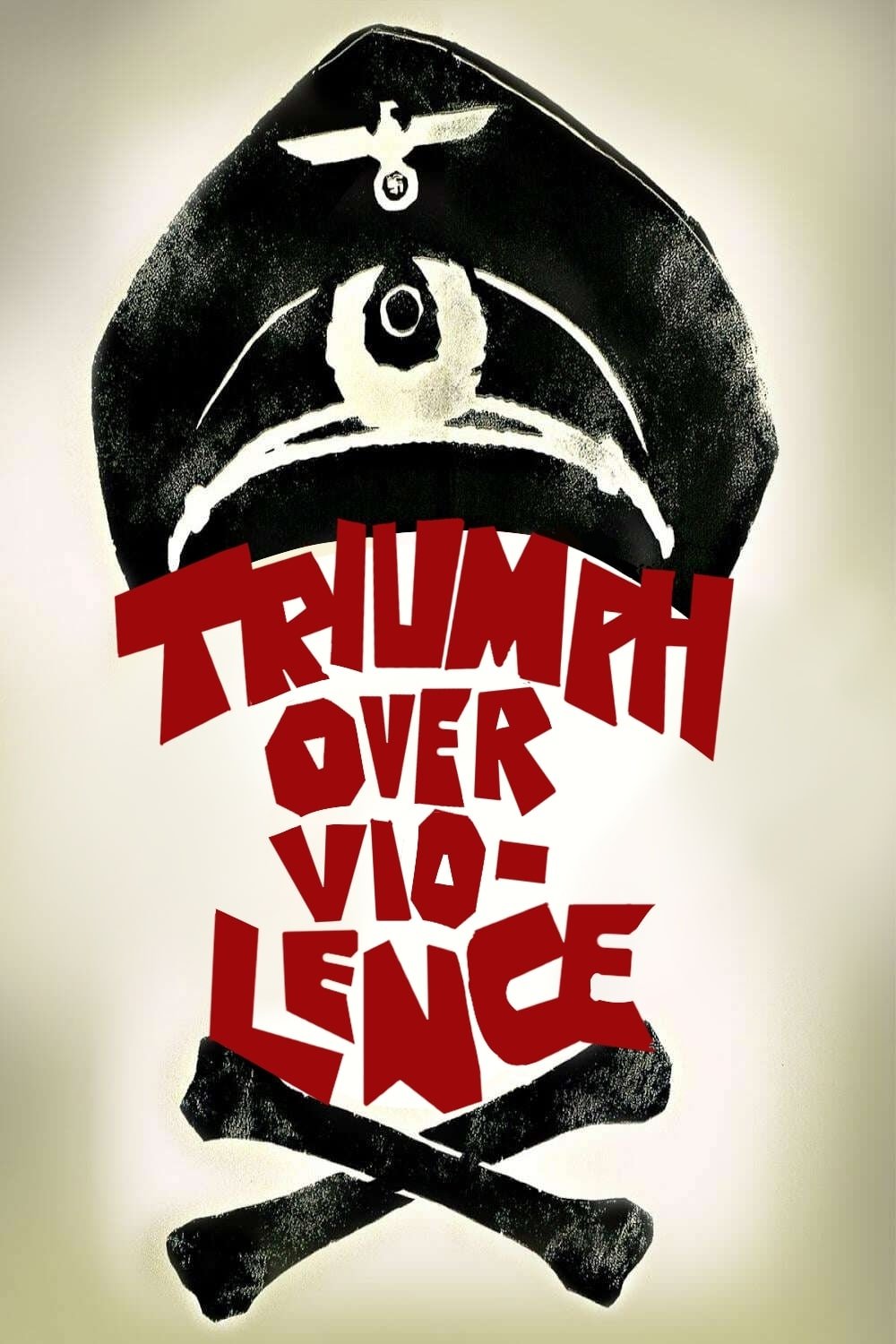 Film7.5BelgeselTarih
İkinci kuşak Sovyet sinemacılarından biri Mikhail Romm. Hemen tümü arşivlerden derlenmiş, aralarında Hitler’in özel film arşivi, SS subaylarının çektiği özel filmler, Sovyetler’in ve diğer kimi ülkelerin devlet arşivleri gibi kaynaklar da bulunan bir materyali kurgulayarak oluşturduğu anıtsal “Sıradan Faşizm” filmiyle, Almanya’da Nazizm’in 1930’larda başlayan yükselişini ve savaş sonuyla birlikte gelen çöküşünü anlatıyor. Bunun yanı sıra, aynı zamanda, “faşizm”in içinde oluştuğu koşulları, sıradan, küçük, önemsiz bulunan olaycıklarla, tehlikeli hoşgörülerle, gündelik boş verişlerle, yerine getirilmeyen görevler ve kaçınılan sorumluluklarla nasıl palazlandığını da gösteriyor. Bir taraftan “eğlenceye boğulmuş” ve çökmekte olan “soyluları ve zenginleriyle”, diğer taraftansa, Hitler ve Mussolini’nin şahsında cisimleşen pespaye bir hakimiyet tutkusuyla çok başarılı bir üslupla dalga geçerken, diğer taraftan bu kepazeliklerin ağır bedellerini de seyircinin önüne koyuyor.
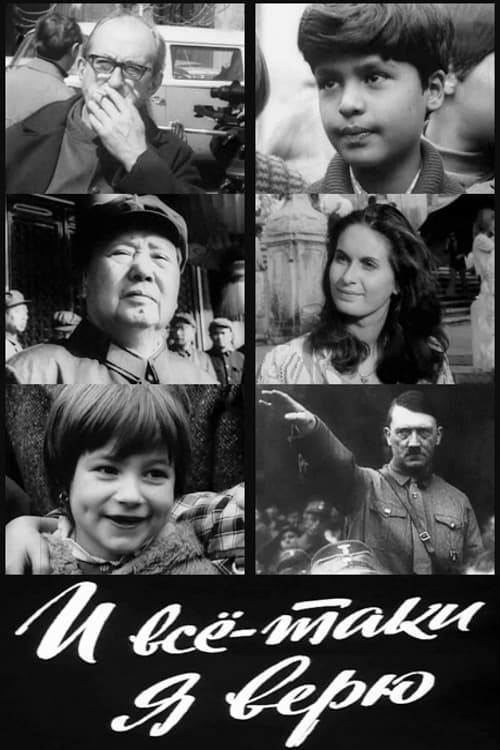 Film5.2Belgesel
Originally called World '68, later retitled The World of Today Romm’s film was conceived as an impassioned, large-scale essay on the origins of the 20th century and the subsequent reality the disappointed director felt slipping away from him. The film itself slipped away from him and was left unfinished at the time of his death. His younger colleagues, Marlen Khutsiev, Elem Klimov and German Lavrov, completed the film from the elements he left behind in addition to segments from Ordinary Fascism, closing the film with Romm’s ultimately optimistic outlook: "And still I believe that man is sensible..."
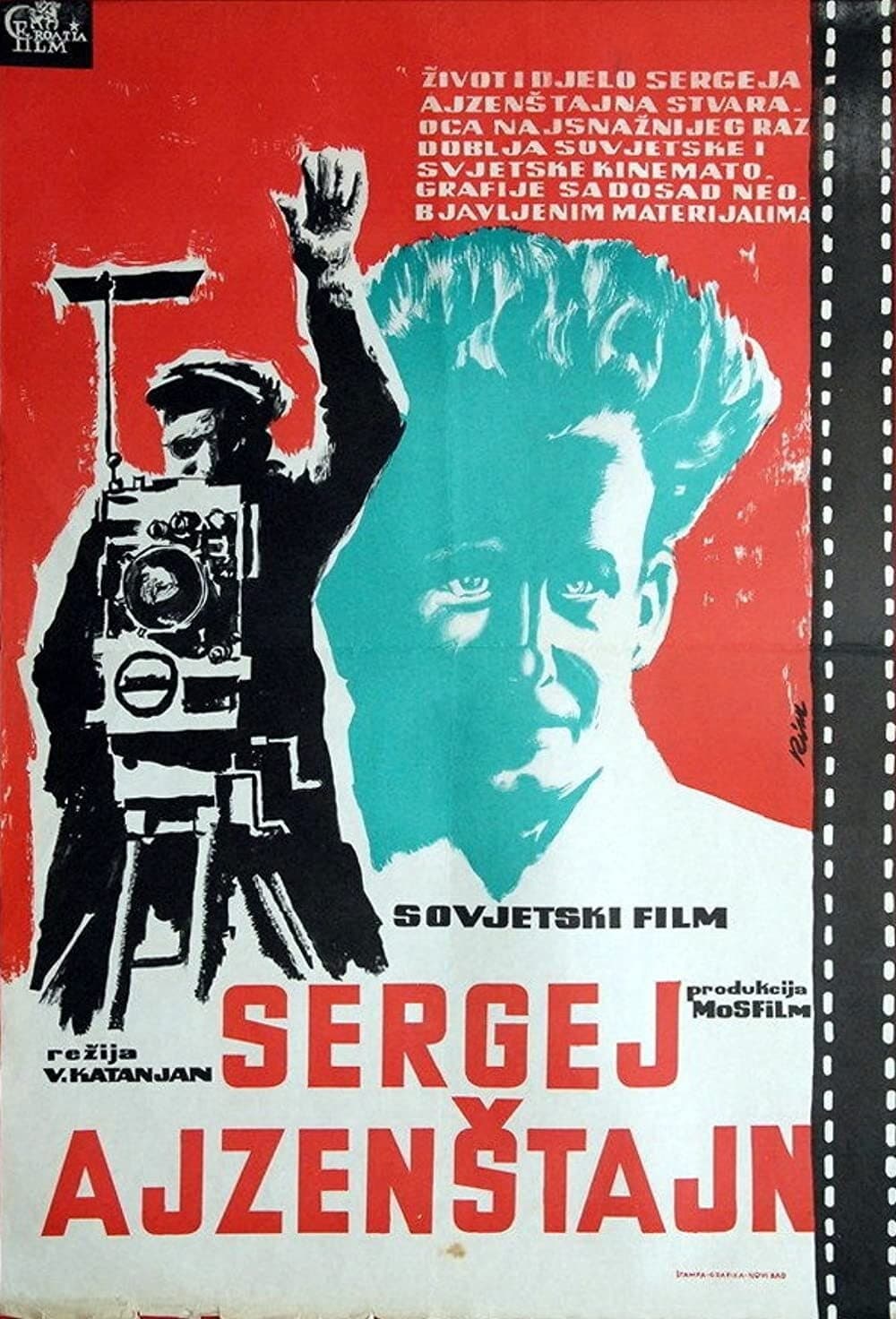 FilmBelgesel
Documentary made for the 60th anniversary of Soviet director Sergei Eisenstein.