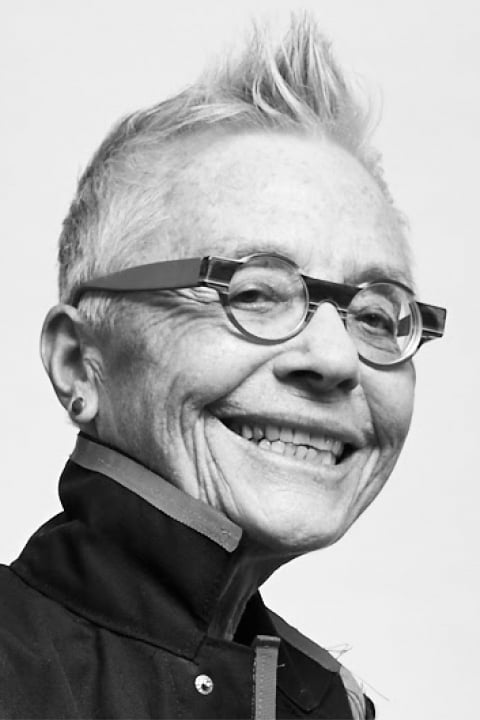
Barbara Hammer
Yönetmen · 1939 – 2019 · Hollywood, California, USA
Barbara Hammer was born on May 15, 1939 in Hollywood, California. She was a visual artist working primarily in film and video. She made over 80 moving image works in a career that spanned 40 years. She is considered a pioneer of queer cinema.
Filmler21
 FilmBelgesel
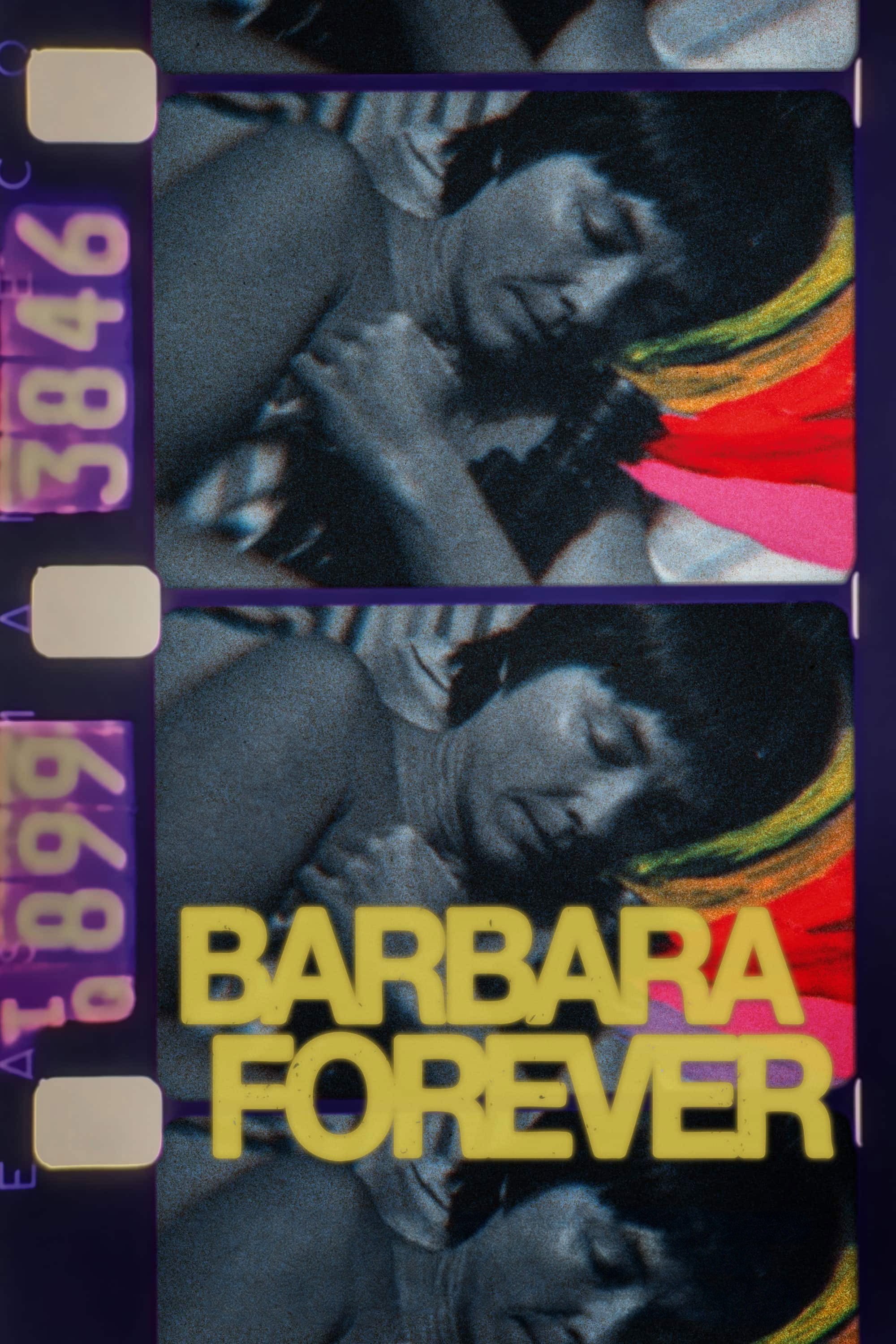
An archive-driven exploration of the life, work, and legacy of iconic, pioneering lesbian filmmaker Barbara Hammer.
Barbara Forever
2026
 Film5.0Belgesel
Essay documentary explores eroded emulsions and images for lost vestiges of lesbian and gay culture. First feature by a pioneer of lesbian cinema, Hammer weaves gay and lesbian couples with footage that unearths the forbidden and invisible history of a marginalized people.
Nitrate Kisses
1992 · 13 votes
 Film5.3Belgesel
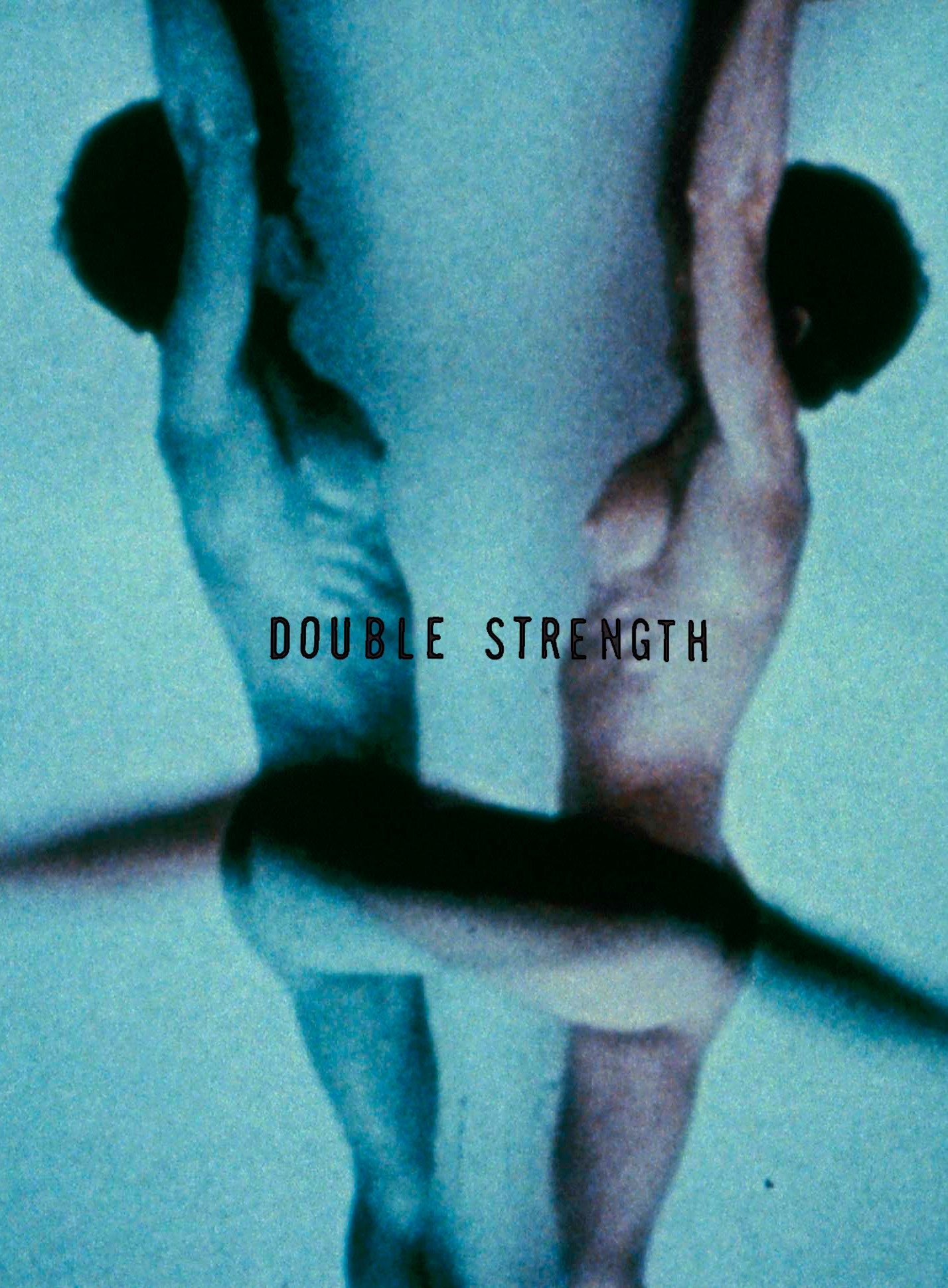
Four stages of a lesbian relationship explored in an experimental film starring performance artists Terry Sendgraff and Barbara Hammer on suspended trapezes and ropes.
Double Strength
1978 · 9 votes
 Film5.5TarihBelgesel
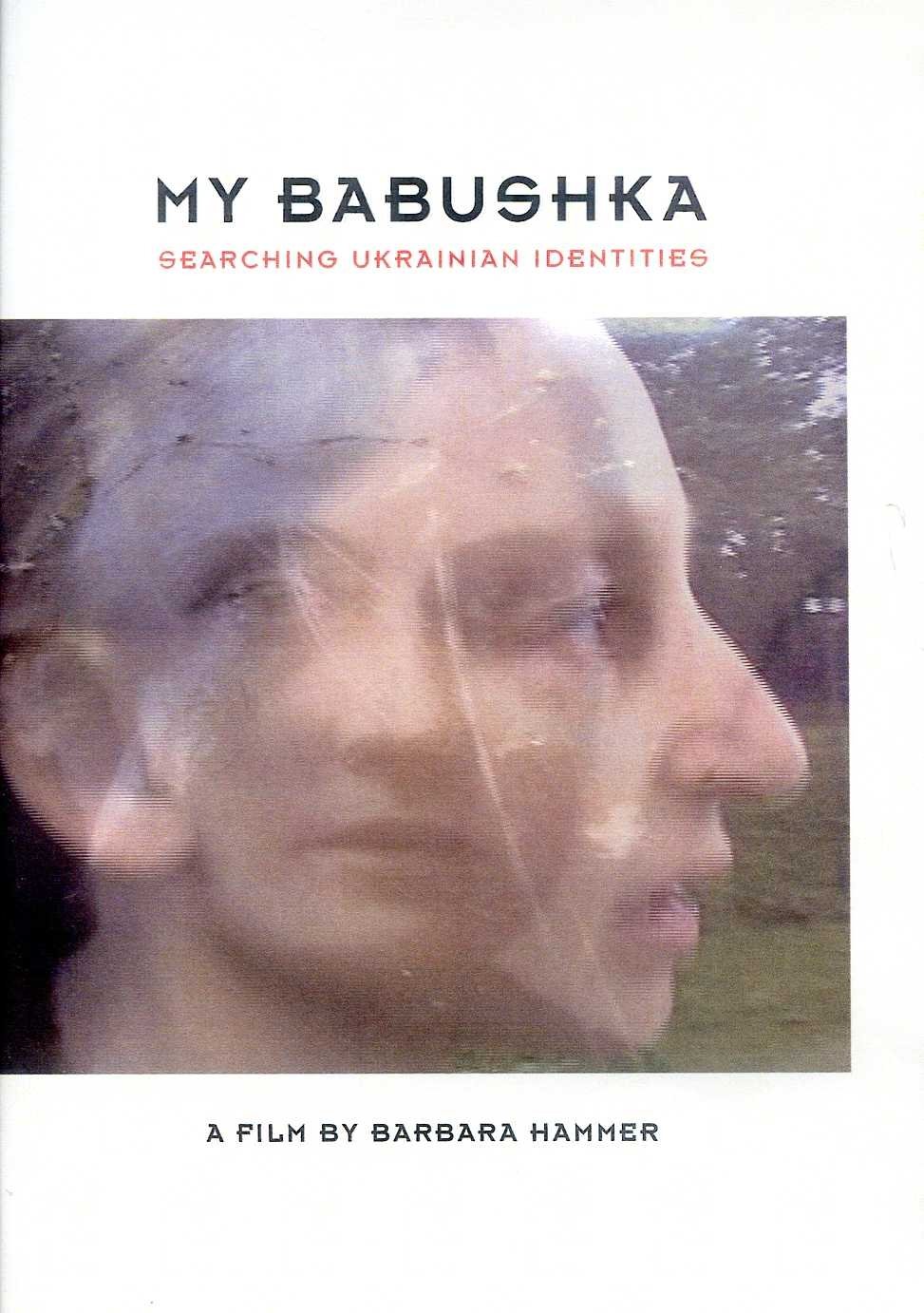
This video documentary centers on the questions of civil liberties and cultural differences in a society beginning to open as one woman searches for her own ethnic roots, identity and family history in Ukraine. Issues of human rights, anti-Semitism, homophobia, feminism and a divided and economically-depressed country are encountered as Barbara Hammer, a feminist activist and pioneer of lesbian cinema, return to a “homeland” full of struggling as people search for a new post-glasnost identity.
My Babushka: Searching Ukrainian Identities
2001 · 4 votes
 Film4.3Belgesel
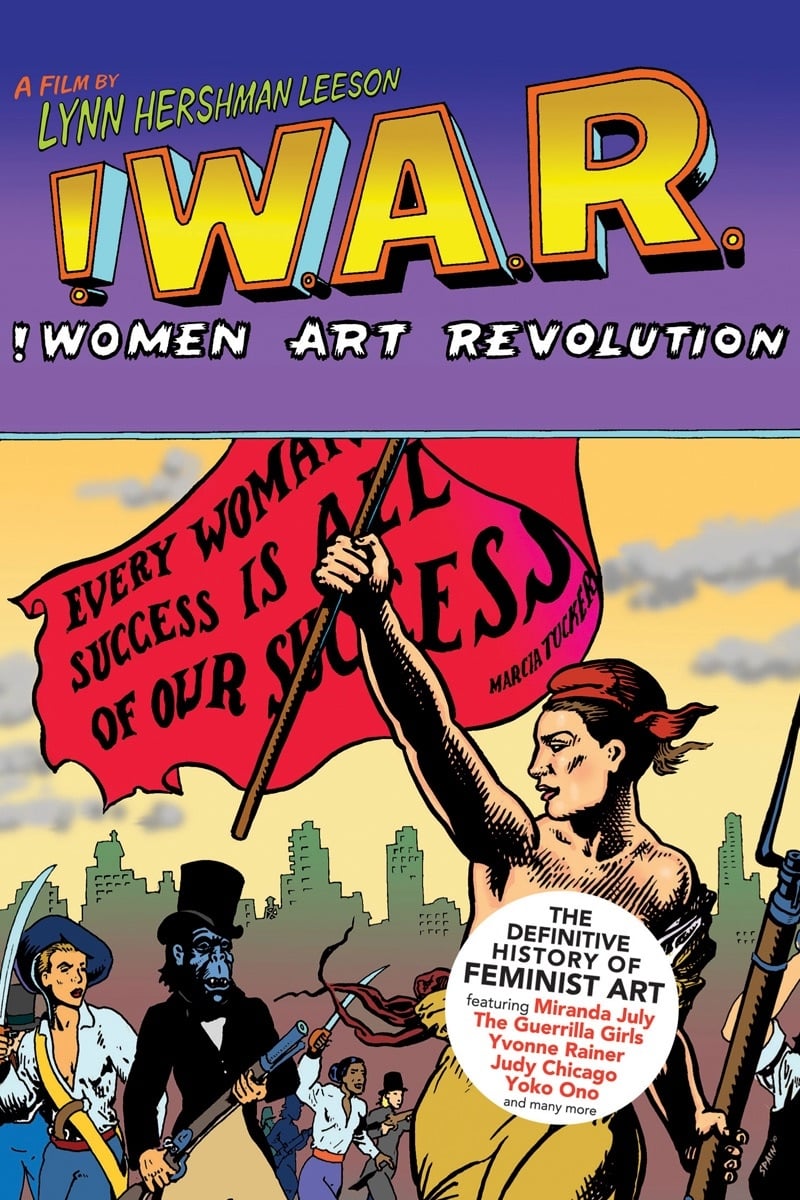
Through intimate interviews, provocative art, and rare, historical film and video footage, this feature documentary reveals how art addressing political consequences of discrimination and violence, the Feminist Art Revolution radically transformed the art and culture of our times.
!W.A.R.: !Women Art Revolution
2010 · 17 votes
- Film5.6RomantikDram
Born in Los Angeles but a New Yorker by choice, Barbara Hammer is a whole genre unto herself. Her pioneering 1974 short film Dyketactics, a four-minute, hippie wonder consisting of frolicking naked women in the countryside, broke new ground for its exploration of lesbian identity, desire and aesthetic.
Dyketactics
1974 · 35 votes
- Film4.4Belgesel
What do filmmakers as disparate as Kevin Smith, Ed Burns, Rob Epstein, and Barbara Hammer have in common? A secret weapon known as Bob Hawk. As a veteran of the American independent film scene since its inception, the cinephile and consultant has been a regular, cherished presence at film festivals and markets for over three decades. Hawk saw promise in scrappy, independently produced films like Clerks and The Brothers McMullen when no one else even knew to look, and he brought these films to the attention of the Sundance Film Festival, thereby launching multiple careers in the process. An unsung champion of new voices, he has discovered innovative work, nurtured new talents, and brokered relationships with film festivals and critics alike, while staying out of the spotlight—until now. At 75, Bob Hawk looks back on a still-vibrant life in independent film, exploring how the rebellious gay son of a preacher found his calling as a behind-the-scenes film impresario.
Film Hawk
2016 · 8 votes
 Film0.5Belgesel
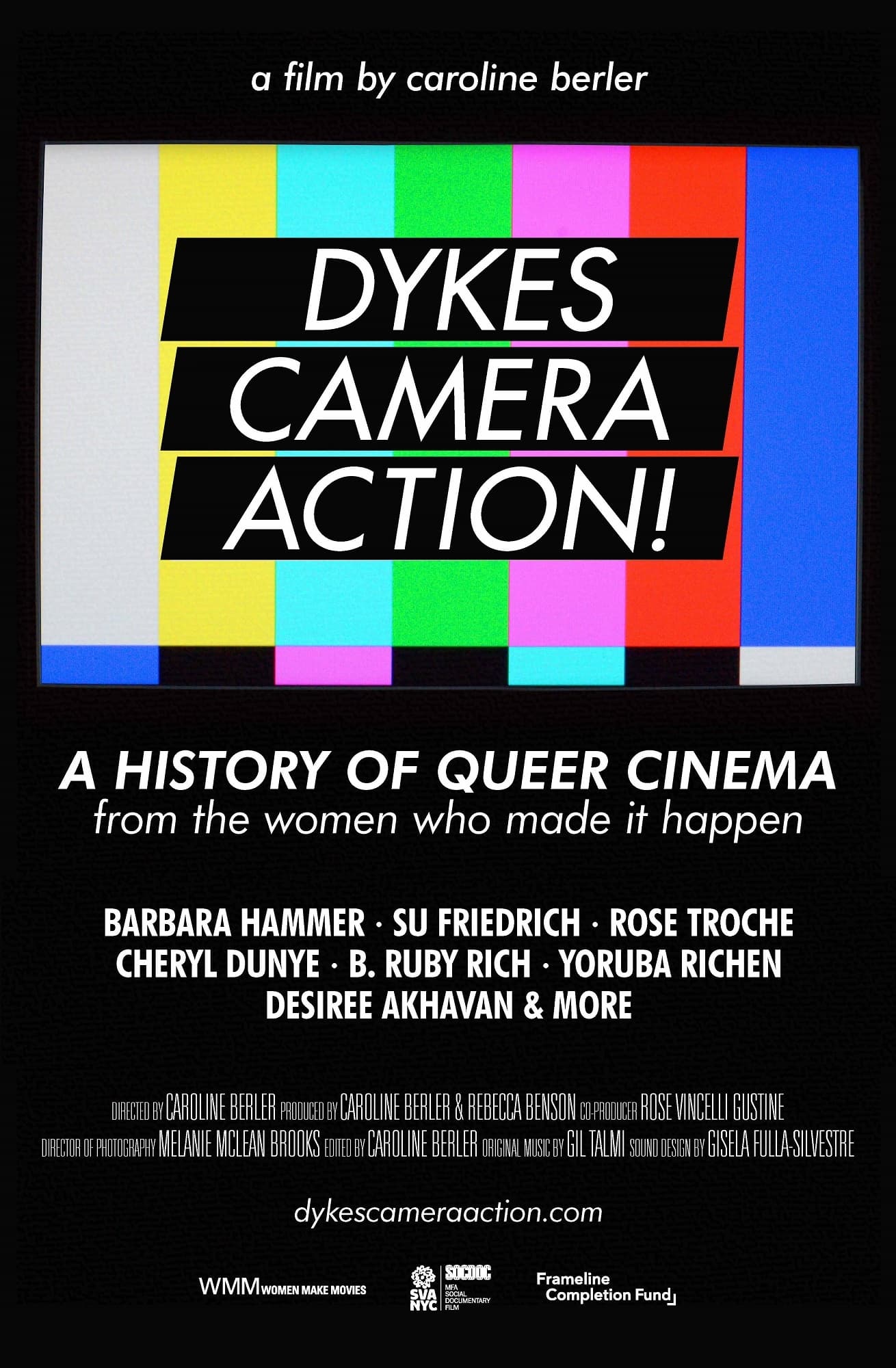
The film examines the ways that women directors have contributed to this genre and emphasizes the role that the media play in representation of sexuality and gender, underscoring the power that film has to shape our perceptions of one another. Visually, this documentary comes to life on screen through compelling and intimate original interviews, intercut with emotionally-charged archival footage, photographs, ephemera, inspired music, and film clips.
Dykes, Camera, Action!
2018 · 1 votes
 FilmTarihBelgesel
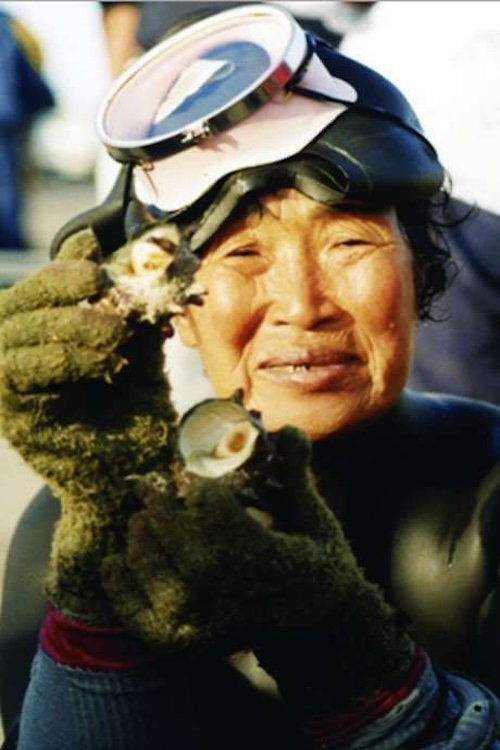
Jeju-do is the largest of Korean islands and lies between Korea and Japan. There, for hundreds of years, women dive without breathing apparatus, to the ocean floor and collect shellfish, octopus, and urchins that they sell. The divers are in their sixties and seventies and their daughters do not want to inherit their work, lifestyle, and health problems that go with diving. As a filmmaker I was privileged to meet many of these women and dive with them. Their stories of hardship and pride confirmed my desire to record this unique and ancient tradition.
 Film5.6Belgesel
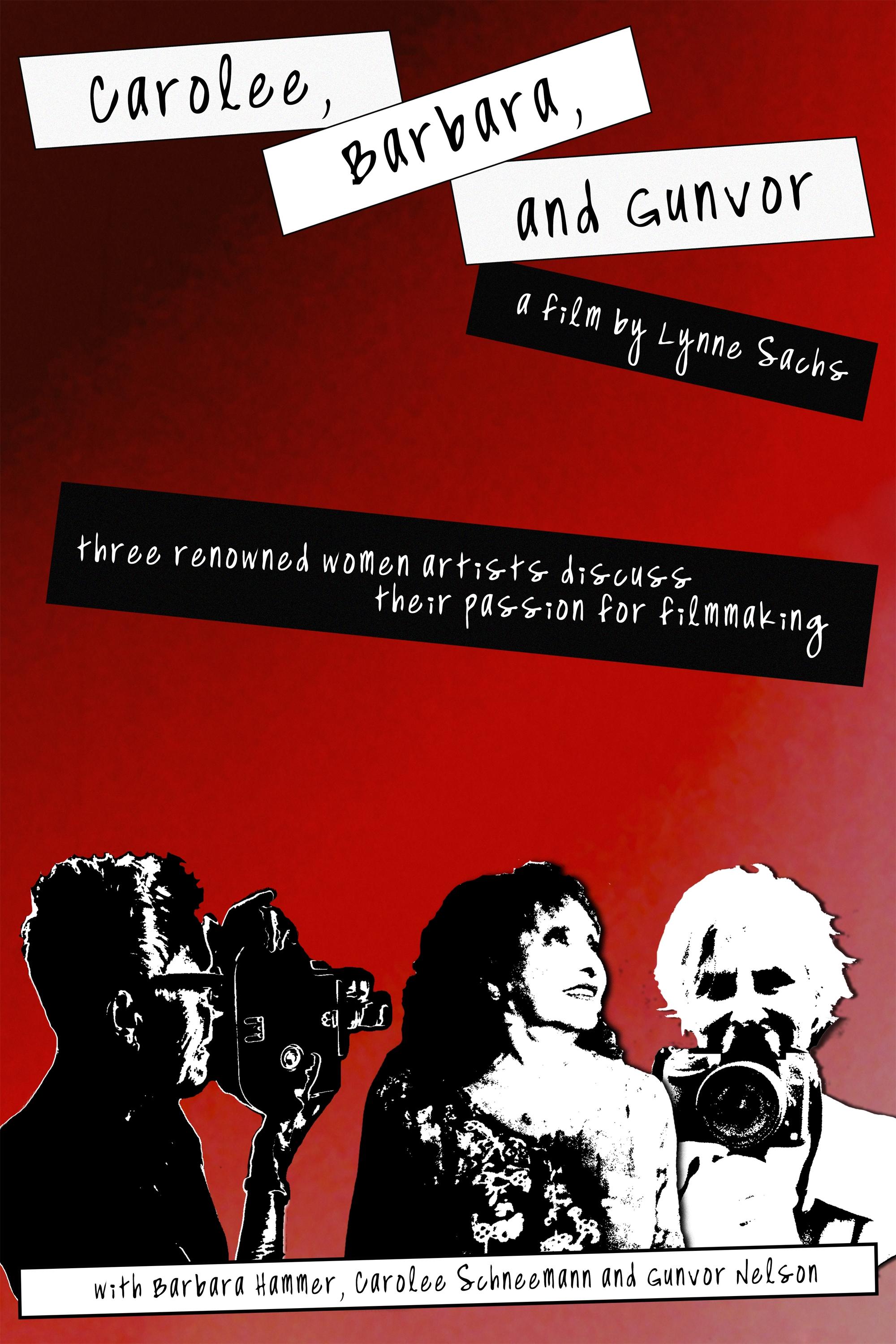
From 2015 to 2017, Lynne Sachs visited with Carolee Schneemann, Barbara Hammer and Gunvor Nelson, three multi-faceted artists who have embraced the moving image throughout their lives.
Carolee, Barbara and Gunvor
2018 · 5 votes
 Film7.0Belgesel
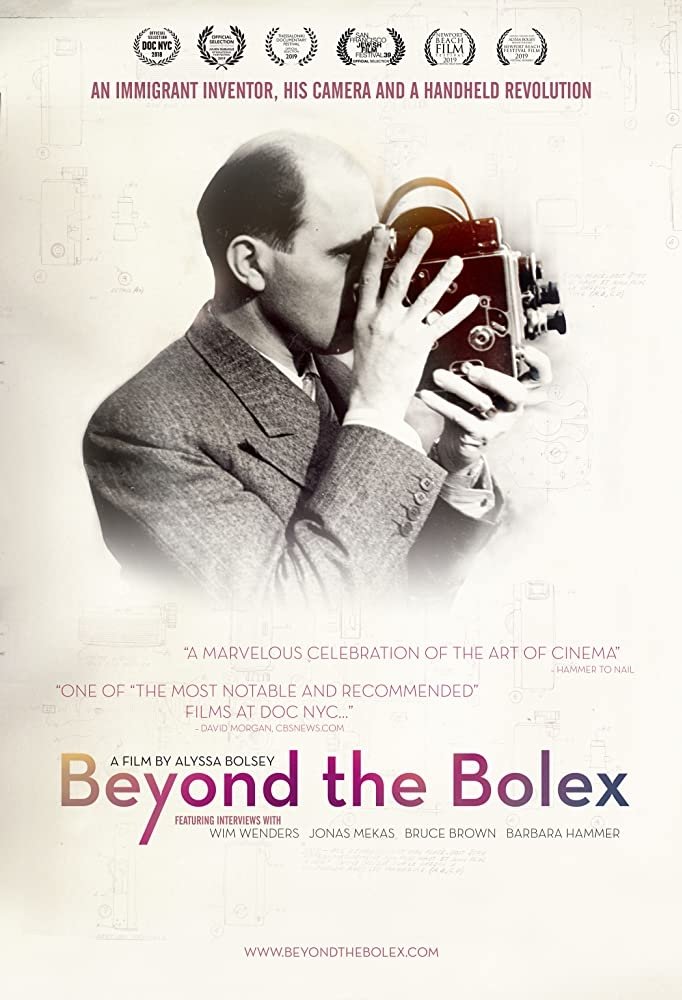
Filmmaker Alyssa Bolsey stumbles on a treasure trove of vintage cameras, old film reels, fading photos, technical drawings and boxes of documents that belonged to her great-grandfather Jacques Bolsey. Among the many boxes, she spots an old movie camera with the word "Bolex" embossed on its side and a dangling tag with the date, "1927." Entranced, she embarks on a journey to reveal how Jacques aimed to disrupt the early film industry with a motion picture camera for the masses.
Beyond the Bolex
2018 · 2 votes
 Film6.2BelgeselRomantik
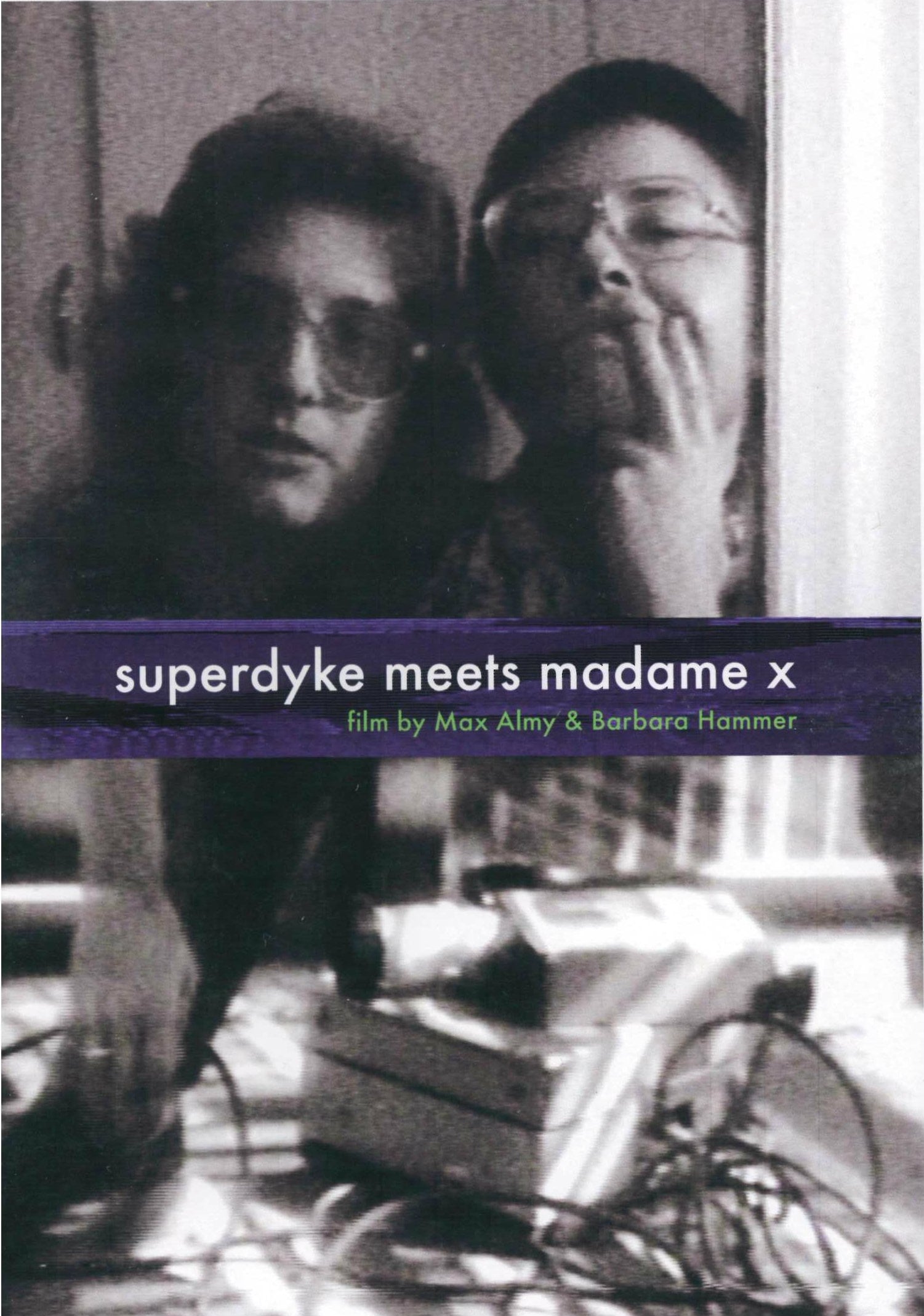
From the first kiss to breakup, Almy and Hammer record their relationship on a reel-to-reel ¾” tape recorder and microphone.
Superdyke Meets Madame X
1976 · 10 votes
 Film4.3BelgeselTarih
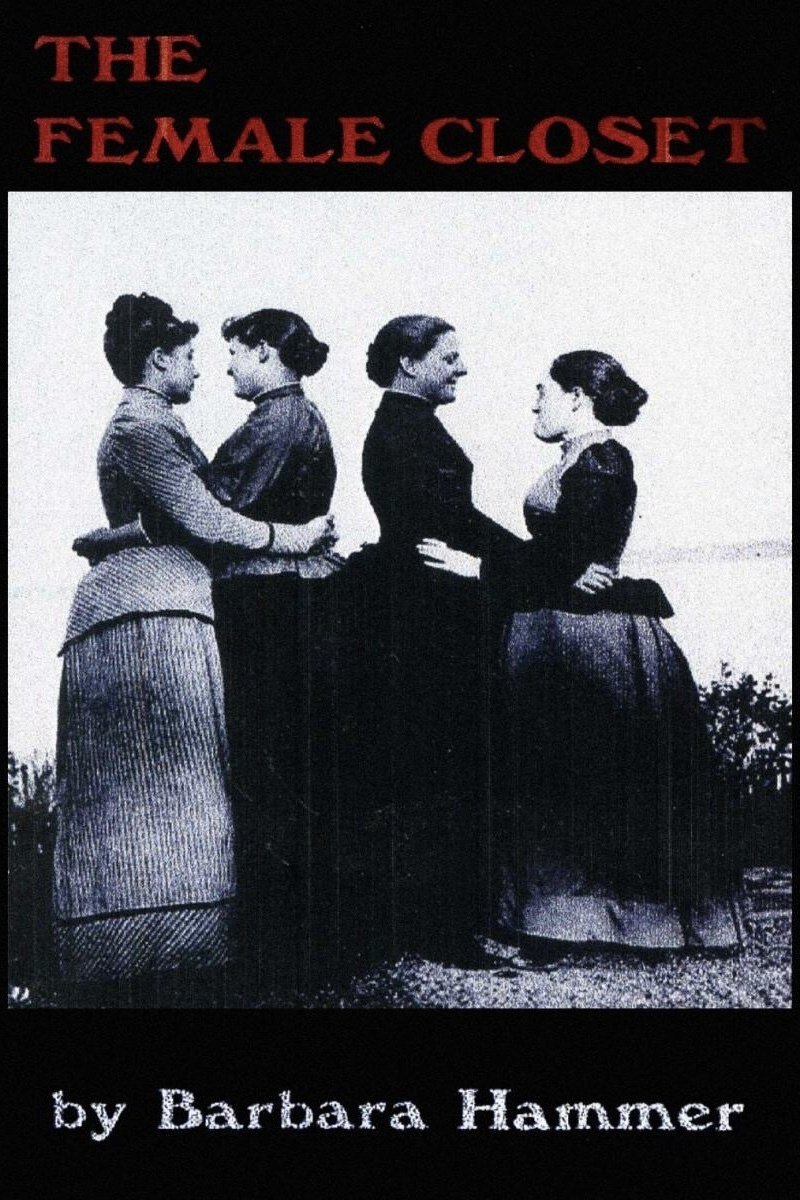
The Female Closet uses archival photographs, home movies, interviews, and other visual materials to explore the closeted lesbian stories of artists Alice Austen, Hannah Höch and Nicole Eisenman. Utilizing groundbreaking research, newly discovered home movies, and archival photographs, and other visual sources, The Female Closet is a cultural interrogation of the closeted and not-so-closeted lives of three women artists.
The Female Closet
1998 · 8 votes
 FilmBelgesel
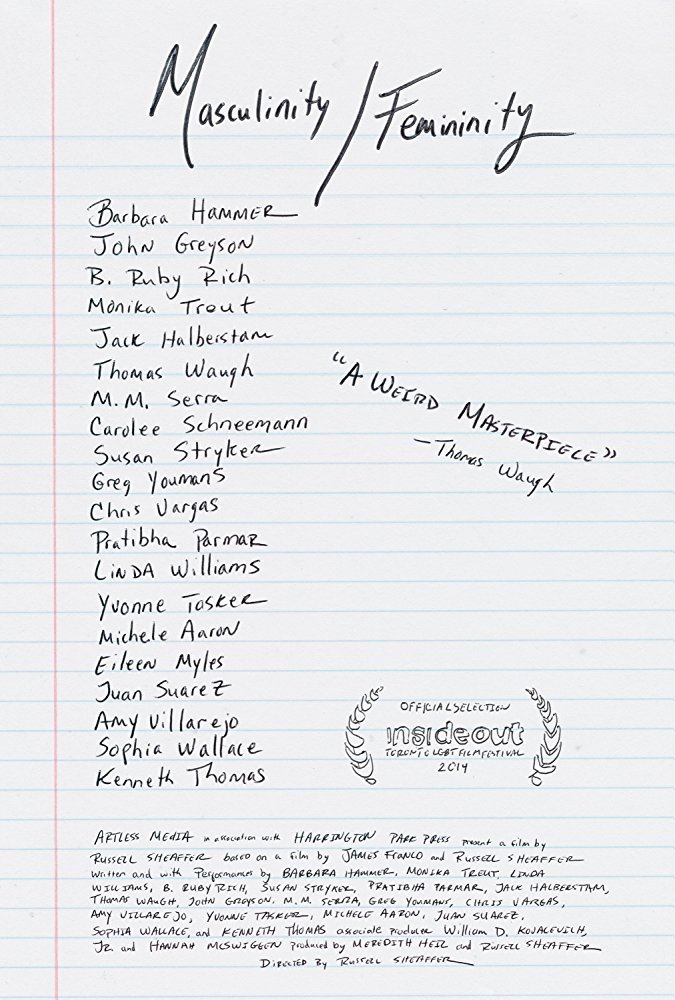
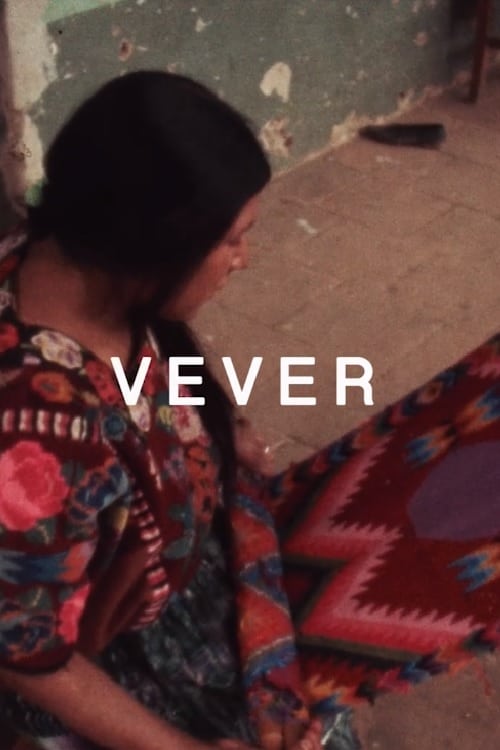
Masculinity/Femininity is an experimental film project interrogating normative notions of gender, sexuality and performance. Shot primarily on Super 8, the project merges academic and creative critique -- a document of gender de-construction rather than a documentary about gender construction.
 Film5.0Belgesel
Deborah Stratman brings past perspectives into the contemporary moment in a montage of unfinished film footage from artist Barbara Hammer with evocative sound, texts, and teachings from artist Maya Deren. Vever poetically draws connects between three generations of women filmmakers who separately, and now together, have taken on unknown challenges, and opened themselves up to reinterpretation in their filmmaking practices.
Vever (For Barbara)
2023 · 1 votes
- Film1.0Belgesel
Documentary that highlights 18 women and covers a period of time from the 50's to the 90's. The women chosen were selected because they represent the real diversity within both feminism and independent film and video. They range in age from 65 to 25. They are black, white, Puerto Rican, Yugoslavian, Asian American, biracial. They are straight, gay and bisexual. What they share is a need to express their own interpretations of what American culture is and could be and a belief that this work is made particularly powerful through the media.
Women of Vision
1998 · 2 votes
 Film6.7Belgesel
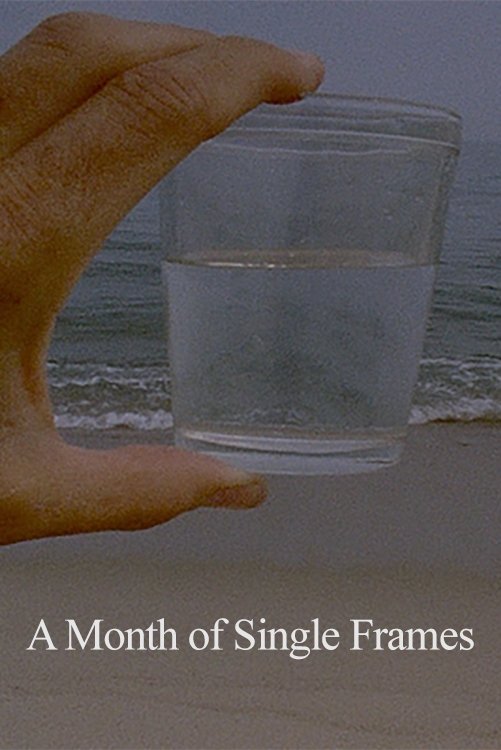
In 1998, filmmaker Barbara Hammer had a one-month artist residency in the C Scape Duneshack which is run by the Provincetown Community Compact in Cape Cod, Massachusetts. The shack had no running water or electricity. While there, she shot 16mm film with her Beaulieu camera, recorded sounds with her cassette recorder and kept a journal. In 2018, Barbara began her own process of dying by revisiting her personal archive. She gave all of her Duneshack images, sounds and writing to filmmaker Lynne Sachs and invited her to make a film with the material.
A Month of Single Frames
2019 · 12 votes
 Film8.0
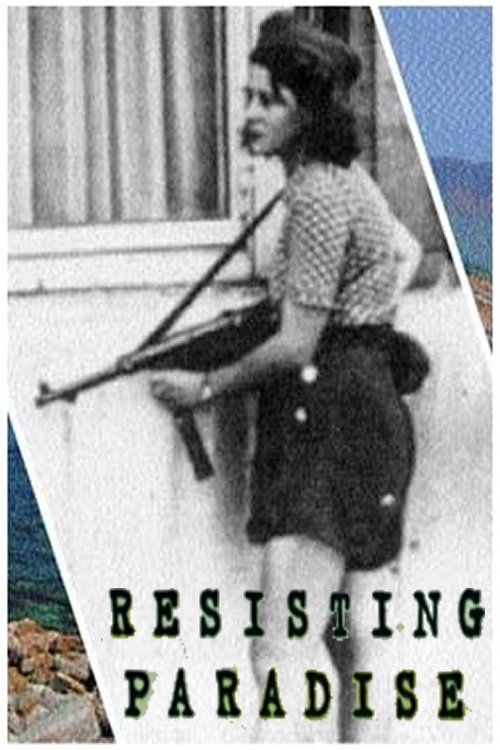
Hammer’s 2003 film Resisting Paradise, which deals with the concept of art as a tool of political resistance, was especially fascinating to me. Hammer, who was doing a painting residency in Cassis, France, when war broke out in Kosovo, found herself questioning the validity of art in the face of political conflict and unrest. She began exploring the history of the French Resistance in Cassis, and used that as a chance to reflect on how Cassis’ artistic community, both those who were threatened by the Nazi occupation of France and those who were able to remain relatively neutral, reacted to the atrocities of the Second World War.
Resisting Paradise
2003 · 1 votes
 Film5.0Belgesel
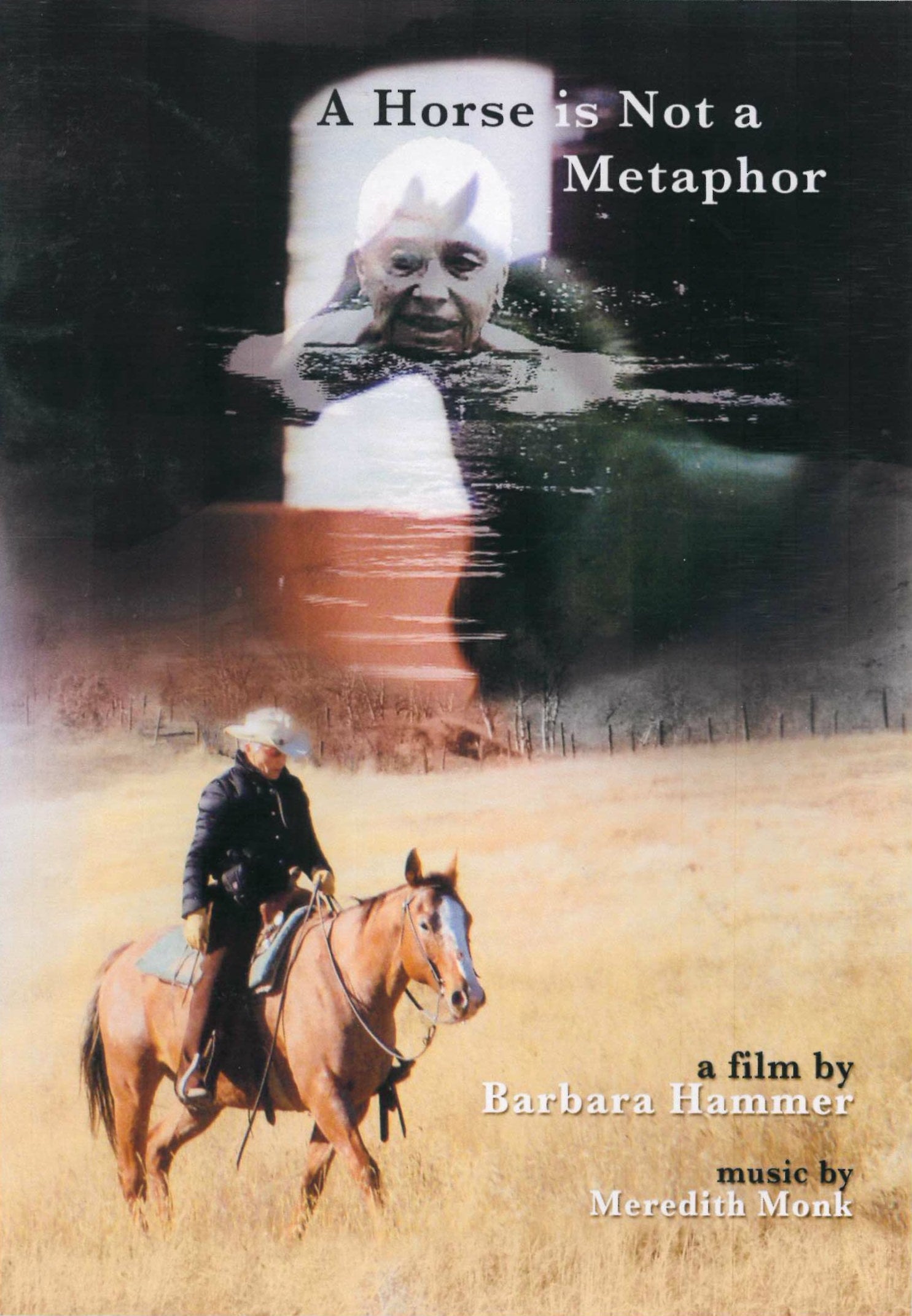
The filmmaker, fighting ovarian cancer, stage 3, returns to her experimental roots, in a multilayered film of numerous chemotherapy sessions with images of light and movement that take her far from the hospital bed. A a cancer ‘thriver’ rather than ’survivor’, Barbara Hammer rides the red hills of Georgia O’Keefe’s Ghost Ranch in New Mexico, the grassy foothlls of the Big Horn in Wyoming, and leafy paths in Woodstock, New York changing illness into recovery. The haunting and wondrous music of Meredith Monk underscores and celebrates in this film that lifts us up when we might be most discouraged.
A Horse Is Not a Metaphor
2009 · 3 votes
 FilmBelgesel
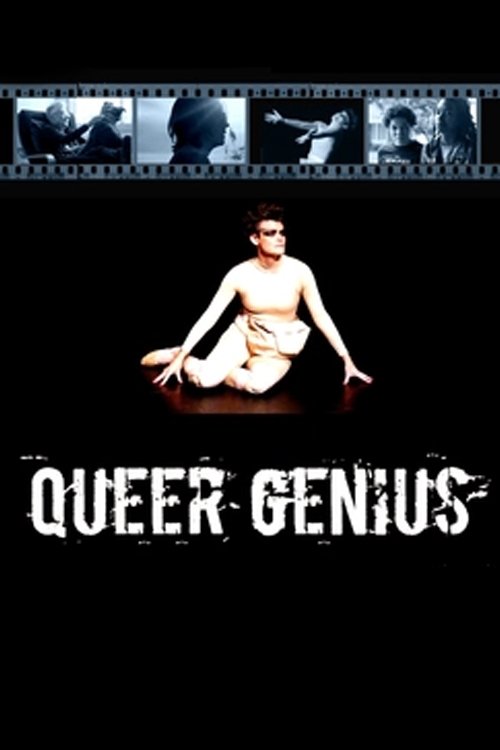
Queer Genius is a cinematic exploration of four visionary queer artists breaking down barriers in their creative fields as they confront fame, failure, censorship, family, gender, and sexuality. The film embraces the communal possibilities of "genius" from a particularly queer perspective crossing genre and generational perspective. It features intertwined portraits of Eileen Myles, Barbara Hammer, Jibz Cameron, and Black Quantum Futurism.
Queer Genius
2019
 Film3.5Belgesel
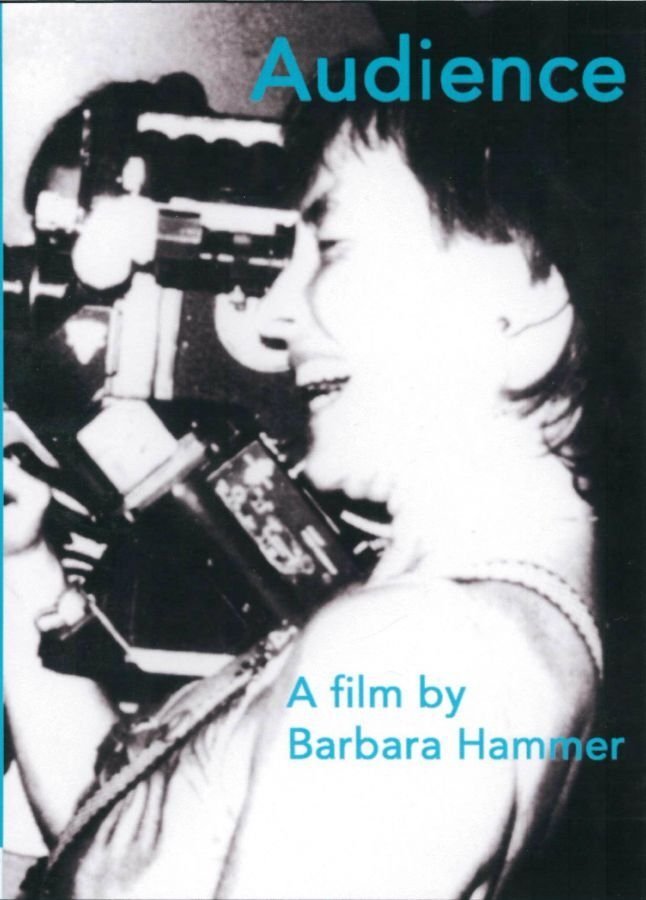
Barbara Hammer’s Audience is a fascinating deep cut from the director’s prodigious filmography. Relatively raw in its design, this 16mm diary of audience reactions at retrospectives of Hammer’s work in San Francisco, London, Toronto, and Montreal in the early 1980s bears none of the distinctive visual flourishes and essayistic form one usually finds in her filmmaking. Today, Audience serves as an invaluable historical archive, providing quick but complex portraits of lesbian scenes in different cities and countries: the San Francisco women are bold and raucous, treating Hammer like a celebrity; the London crowd more reserved and tentative; the Canadians politely critical after initial hesitation. It also functions as a testament to the power of Hammer herself as a figure of lesbian culture, showing how fully she engages audiences to incite new forms of discourse about representation.
Audience
1983 · 4 votes