
Nataša Gollová
Oyuncu · 1912 – 1988 · Brno, Czechoslovakia
Nataša Gollová was a Czech film and stage actress. She was born on February 27, 1912, in Brno into an esteemed family. Her father, F. X. Hodáč, had an illegitimate daughter, Marcella, with the actress Andula Sedláčková. Marcella later became an actress as well. Nataša graduated from the gymnázium Elišky Krásnohorské and continued her studies at Charles University, though she did not graduate. She dedicated her time to playing the piano, horseback riding, and studying languages. She studied acting and dance privately. For some time, she spent time in Paris. Nataša secured her first engagement in 1934 at the Olomoucké divadlo, where she stayed for one season. The following year, she moved to the Slovenské národné divadlo, where she performed alongside her former boyfriend, actor František Vnouček. Together, they moved to Prague later that same year and began performing at the Vinohradské divadlo. Nataša worked there until 1944, and František until 1945. The couple broke up before the end of the war. Because of her role in a German movie under the name Ada Goll and her romantic relationship with a German, Willy Söhnel, she was prosecuted after the war. Her volunteering in Terezín at the end of the war, where she contracted typhus, did not help her either. Ultimately, the prosecution against her was dropped. The first film she made, in 1932, was „Kantor Ideál. In the beginning, she played serious roles, even though her acting type was rather comedic. Her second film, „Bezdětná“ (1935), did not receive very good reviews. More positive reviews came in 1939 with the films „Studujeme za školou“, „Příklady táhnou“, and the legendary films „Kristian“, „Eva tropí hlouposti“, and „Dívka v modrém“. Until the end of the war, she also starred in projects such as „Roztomilý člověk“ (1941), „Hotel Modrá hvězda“ (1941), and „Šťastnou cestu“ (1943). She frequently filmed with her close friend, Adina Mandlová. From 1946, she performed at the Jihočeské divadlo, Divadlo na Fidlovačce, and she remained at the Městská divadla pražská until the end of her theatrical career. She did not appear in film again until 1951 in the movie „Císařův pekař – pekařův císař“. For the rest of her life, she received only smaller roles. Better-known films from this period include „Spalovač mrtvol“ (1968) or „Drahé tety a já“ (1974). She made her final film, „Chladna z rána“, in 1983. In 1947, she married director Karel Konstantin, with whom she remained until his death in 1962. At the end of her life, she struggled with alcohol and often drank heavily. She died at the Care home Sulická on October 29, 1988, at the age of 76.
Filmler21
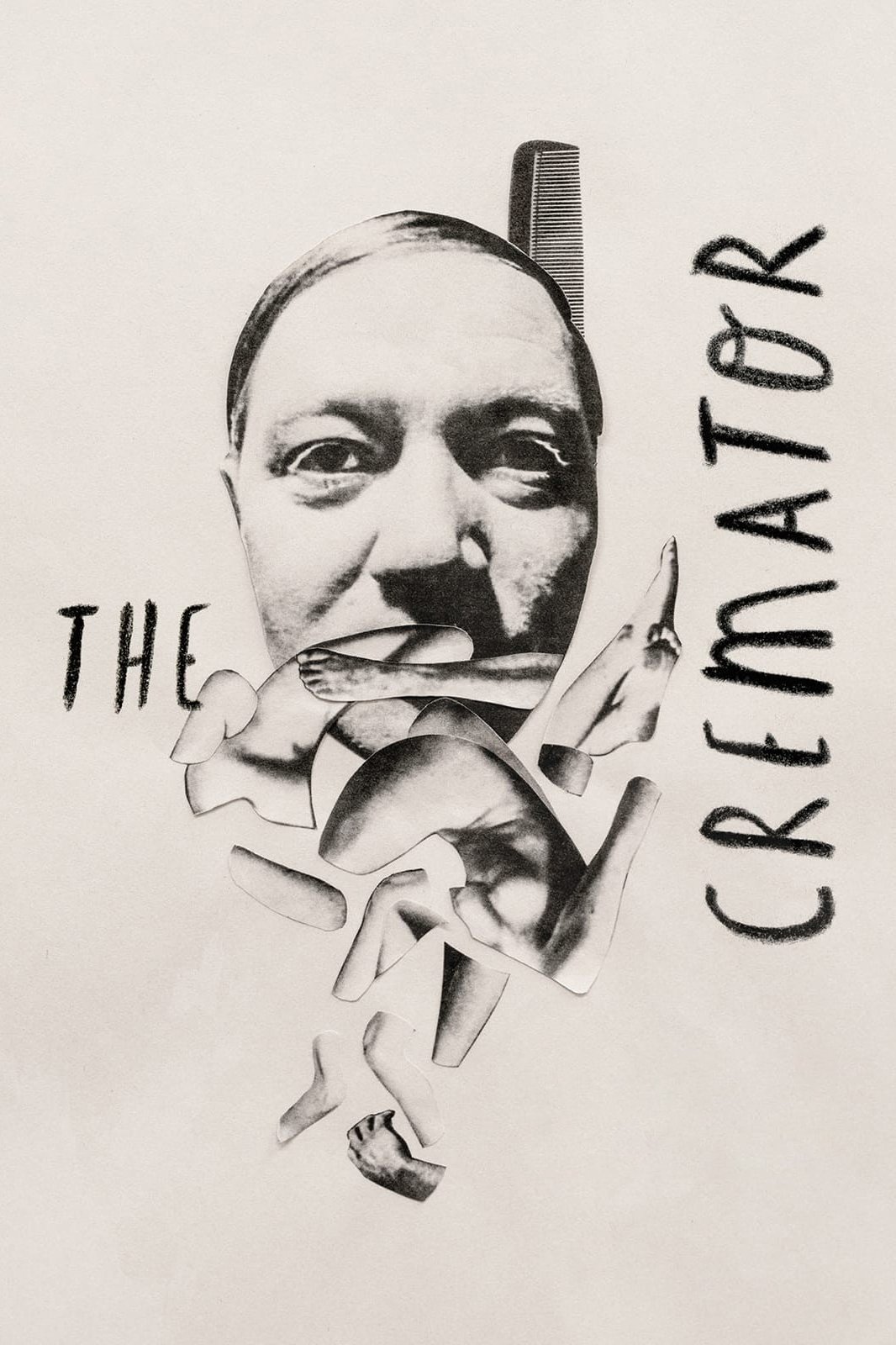 Film7.8KorkuDram
In 1930s Prague, a Czech cremator who firmly believes cremation relieves one from earthly suffering is drawn inexorably to Nazism.
 Film7.0KomediFantastik
The Emperor's mismanagement of his country is provoking some in his court to plot to overthrow him. He feels successful, at least, when he discovers the legendary Golem, which he believes can protect him and even cure his imaginary illnesses but, when he disappears while on a bender, his kindly baker, who looks just like him, is mistaken for him, and begins to put things in order. However, the conspirators, not to be outdone, determine to bring the Golem back to life to do their bidding.
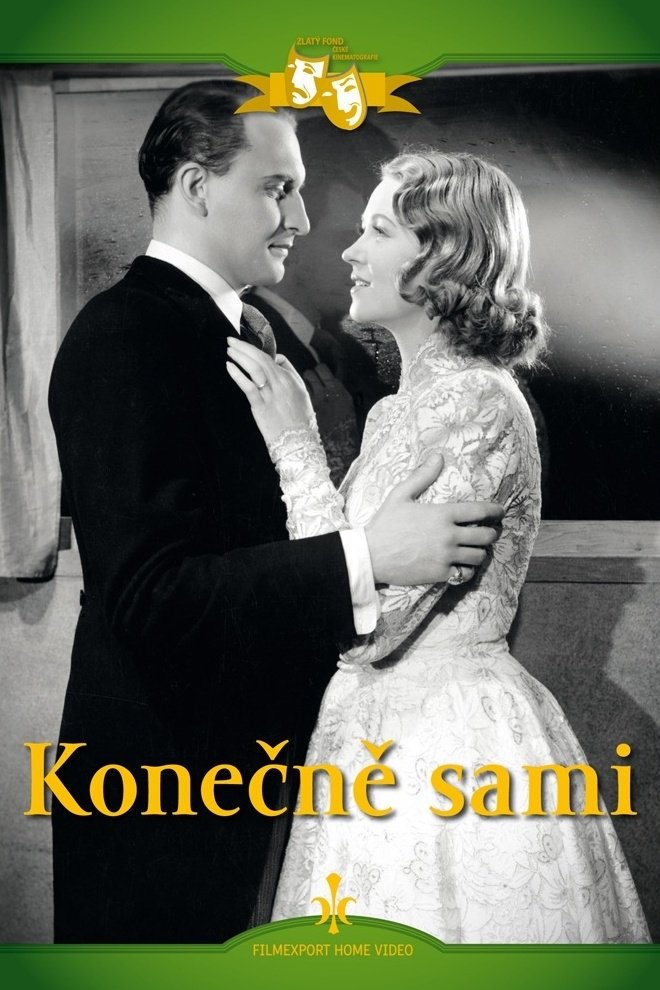 Film6.5Komedi
The troubles of a young married couple with an overprotective mother and mother-in-law. Usually it ends with a wedding, but this time it begins. Young doctor Petr Dvořák marries the charming Marta Hábová. However, their honeymoon to Venice is unexpectedly complicated by Martina's widowed mother, a rich, kind, but very absent-minded lady. First, they are not allowed to cross the border because they did not declare the things she secretly packed for them for the trip, and then they spend the night behind bars because the mother-in-law, in her absent-mindedness, reports the secretly packed things as stolen after she catches a pair of robbers in her house. It is no wonder that the young marriage is soon shaken to its foundations...
Konečně sami
1940 · 2 votes
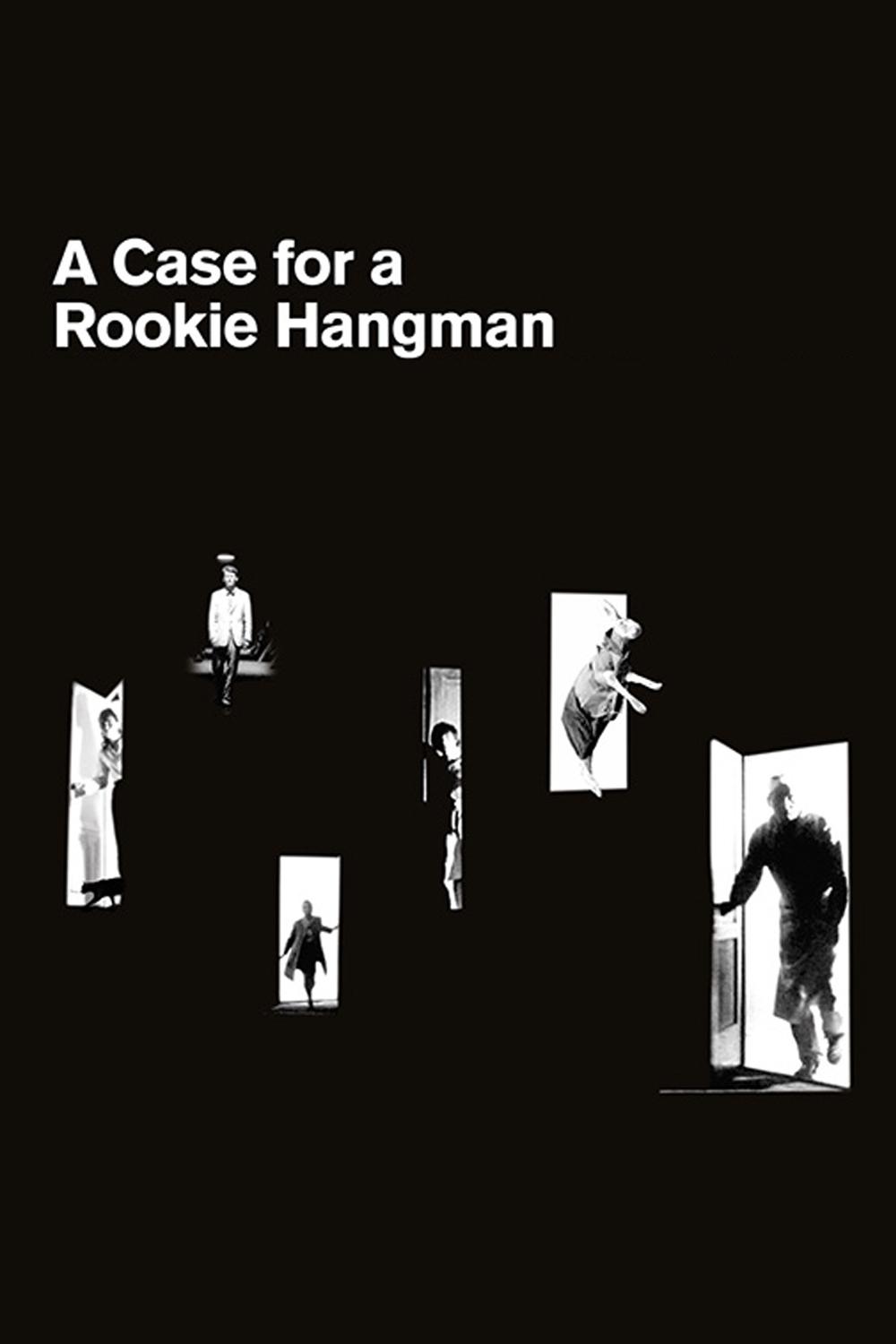 Film6.9KomediDram
Lemuel Gulliver has had a car accident and continues his journey across the unknown countryside on foot. On the road he finds a dead rabbit dressed like a man and takes a watch from its waistcoat breast pocket. The half-ruined house that he enters reminds Lemuel of his childhood and brings up a painful memory of a dearly loved girl Markéta who was drowned years ago. Gulliver finds himself in Balnibarbi, a country where he doesn't understand the laws and habits and so continually offends against public decency. It is a day when people are ordered to keep their mouths shut and they force their visitor to follow suit. He faces harsh interrogation and finds it difficult to explain that he is not the rabbit Oscar whose watch has been found in his possession.
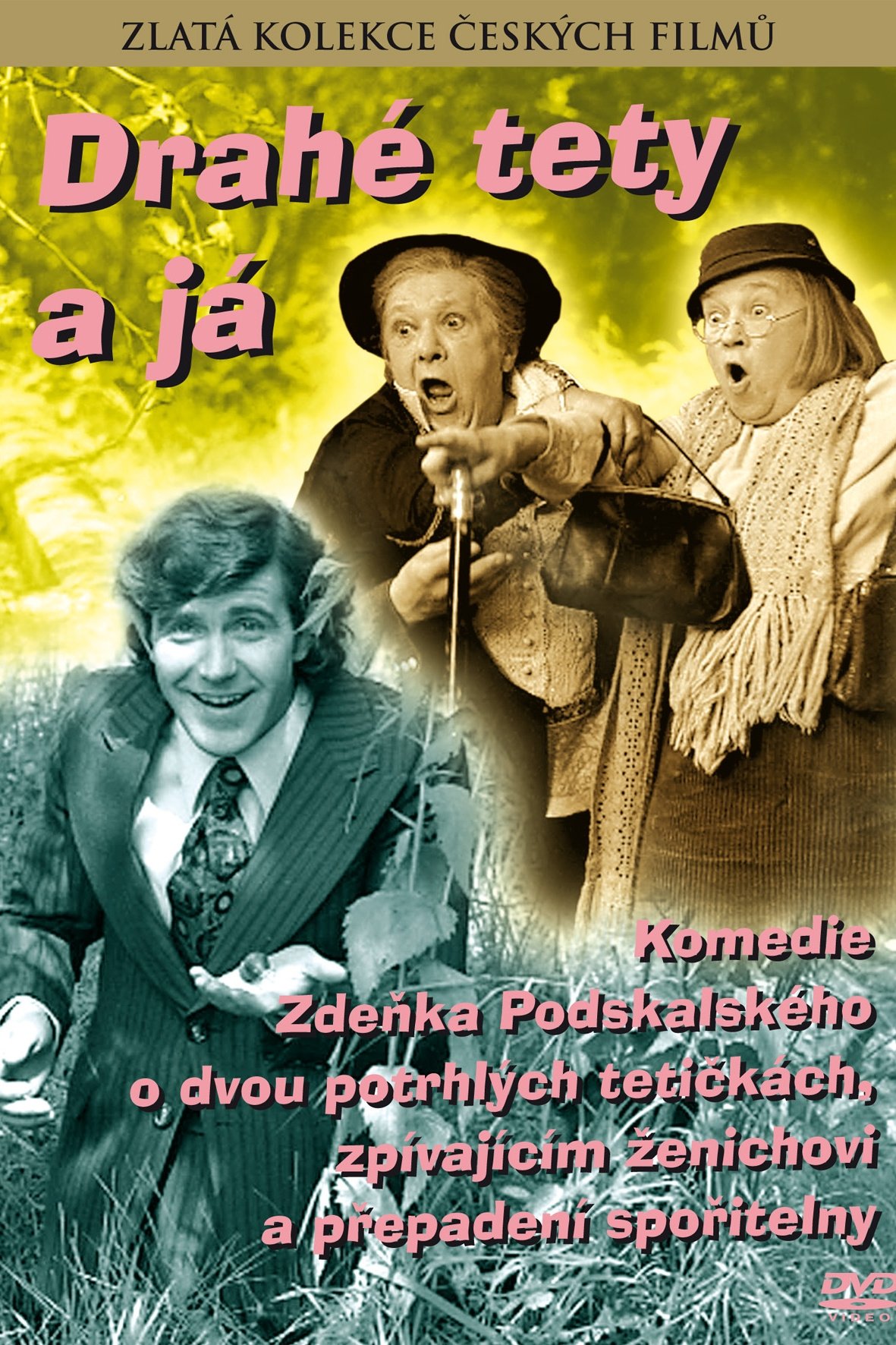 Film7.3KomediSuç
Two kind but foolish sisters live together in their villa in a small town in South Bohemia. Fany (Natasa Gollová) has never married and Andelka (Eva Svobodová) is a widow. In the morning, the two sisters go into town. They need to buy fuel oil, put money in the bank and give plums to the teller. In the meantime an smallish orange Skoda MB car parks at their house, with Hermínka (Iva Janzurová), the old ladies' niece, and her fiancé Michal (Jirí Hrzán) in it. Michal has forgotten to bring flowers and has to go into town to fetch them. At the bank, Fany wants to deposit money but the minute the teller opens the safe, a thief arrives. He knocks the teller and Fany unconscious and runs away with the money. When Fany comes to her senses again, she sees Michal and accuses him of being the thief.
 Film7.5RomantikDram
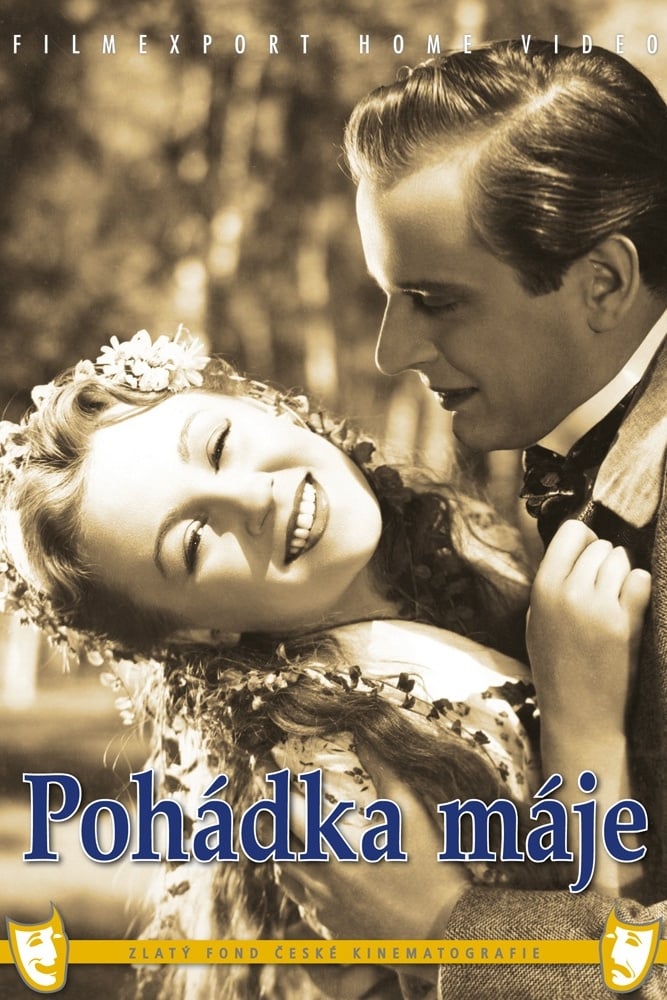
Ríša, a student of law, neglects his studies in favour of parties and pranks. His angry father refuses to continue helping him out of his debts. Ríša, however, is not entirely beyond hope. He decides to go and stay for a while with his uncle, a priest, who lives in Moravia, in order to prepare for his exams. He meets Helenka, the timid daughter of the local gamekeeper, at a village ball and is enchanted by her. The days pass and their idyllic relationship begins to tire Ríša. He begins to tell Helenka about his former debauched life the about the broken hearts of beautiful women. Helenka is hurt and refuses to see Ríša anymore. His uncle, the priest, is incensed at his behaviour and orders his nephew out of the house. Ríša tries desperately to find Helenka so he can make it up to her.
 Film10.0Komedi
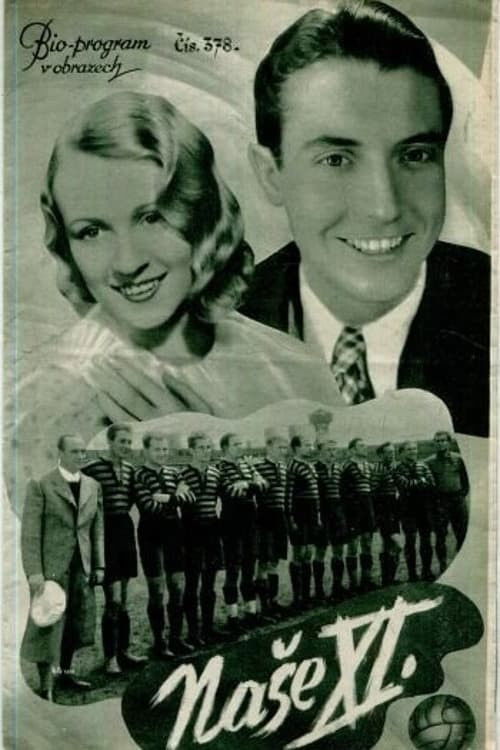
Naše XI.
1936 · 1 votes
 Film6.7RomantikDram
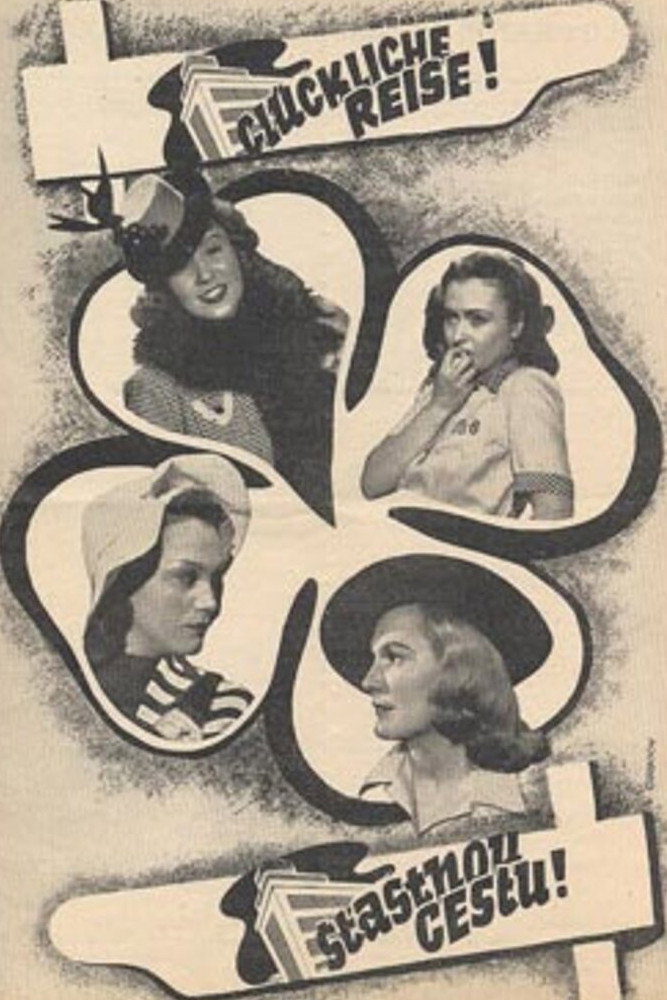
Filmed during the Nazi occupation, this panoramic drama set in a Prague department store follows the divergent destinies of four female coworkers, each of whom seeks happiness in a different way.
 Film7.5DramRomantik
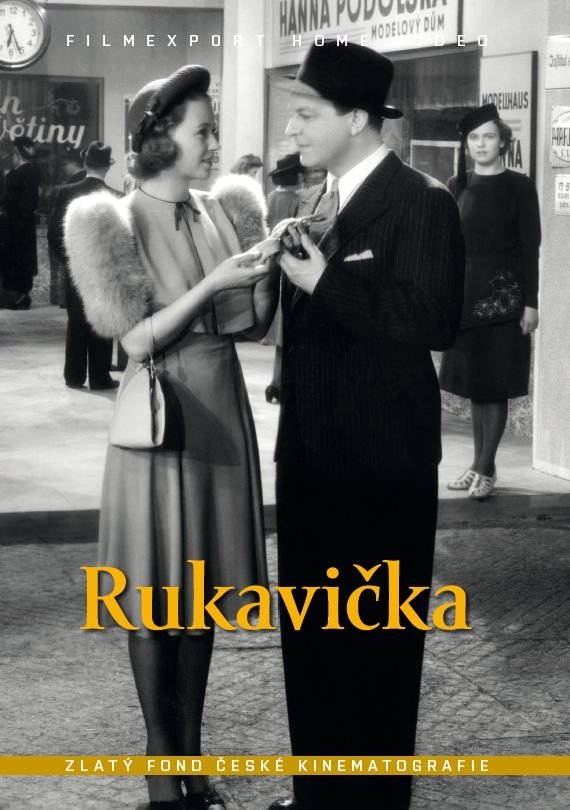
A lost lady's glove that connects several human destinies. The focus here is not on the lost part of the wardrobe, but on piano virtuoso Arne Brant, a man armed with a charming smile and surrounded by women, two of whom have particularly influenced his life. The first is the daughter of a famous can-can star, dancer Pavlína Doré-Zejdová, the second is Mařenka Berková, the main character of the film and a kind of Kristián in skirts. An orderly and well-bred daughter from an honorable family who lives her second life as a lady of high society. The lost glove complicates the situation for all of them considerably, but in the end she finds her rightful place, just like the heroes of the film...
Rukavička
1941 · 2 votes
 Film5.4Dram
Michal, a disillusioned teenager, clashes with his authoritarian father and runs away from home. Adrift in the city, he navigates a restless journey of fleeting encounters while rejecting the rigid values of his parents' generation.
 Film7.5Komedi
Car transport of the locomotive is difficult, as the cargo is bulky. The three-man crew of the tractor therefore experiences many difficulties on the long journey across Bohemia...
Poprask na silnici E 4
1980 · 2 votes
- FilmAileFantastik
 Film5.8KomediDram
A stuffy middle-aged foreigner, a businessman named Fabricius, lonely and looking for a night's diversion, finds it in the form of a mysterious blonde. In an abandoned cemetery, she tells him three tales involving black magic and erotic obsession. In "The Last Golem," a young rabbi struggles to fashion a massive, silent giant out of living clay — until he's distracted by a mute servant girl. In the second episode, "Bread Slippers," an 18th-century countess indulges her passion for sweet cakes, adulterous affairs, and secret kisses with pretty maids until a mysterious visitor whisks her away to an abandoned mansion, where Fate has a different kind of dance in store for her. And in the final story, "Poisoned Poisoner," a ravishing murderess in the Middle Ages dispatches lecherous merchants to the tune of upbeat '60s Czech pop songs.
 Film10.0Komedi
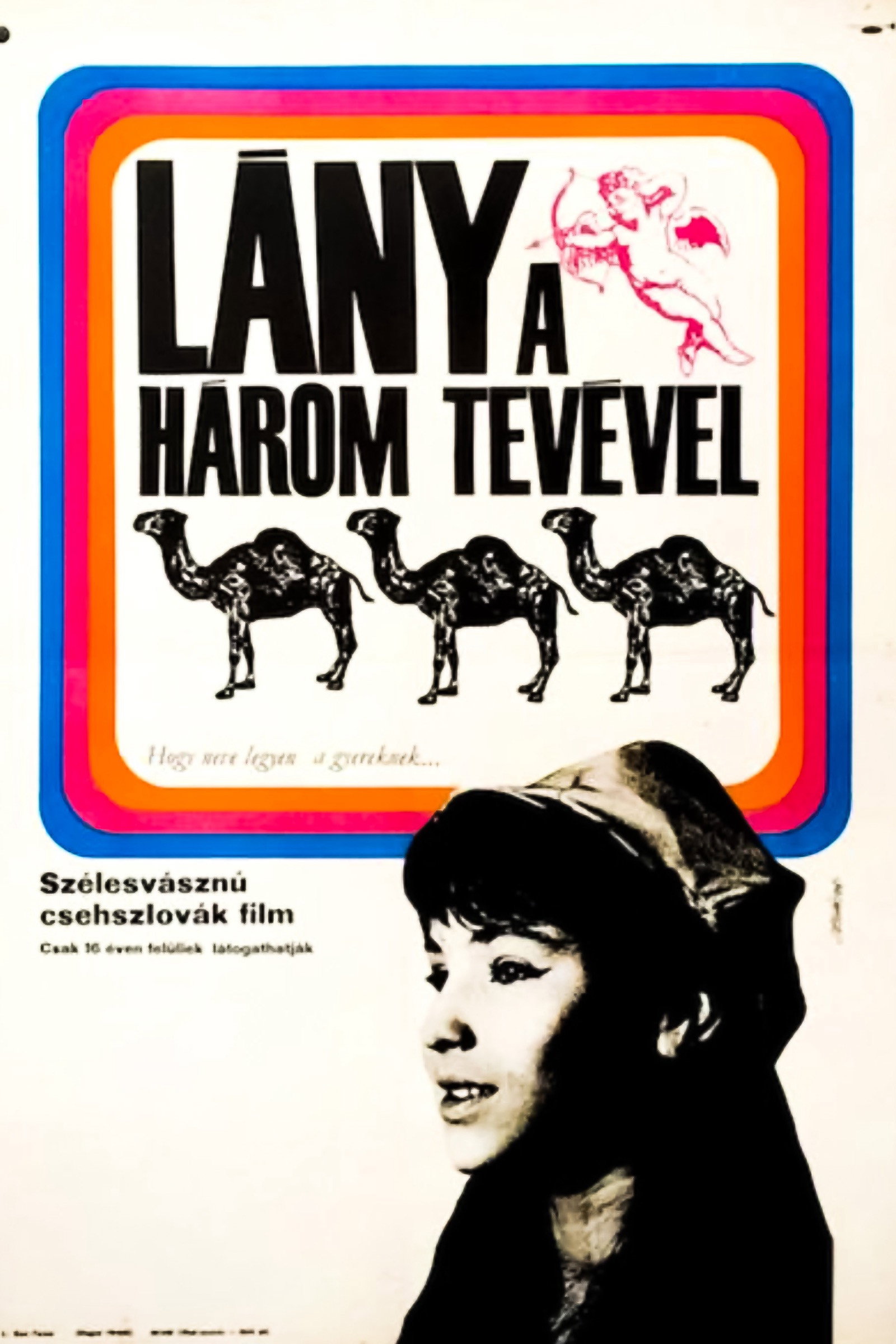
The fates of the women are repeated: the 16-year-old daughter of a 32-year-old mother is also pregnant. Like her mother, the child remains unmarried and fatherless. From him, the girl receives only an exotic postcard with the titular three camels...
- Film10.0Dram
Biela stužka v tvojich vlasoch
1978 · 1 votes
- Film7.5Komedi
a movie by Heinz Paul
Komm' zu mir zurück!
1944 · 2 votes
- FilmAileFantastik
- FilmKomediMüzik
 Film7.0KomediGizem
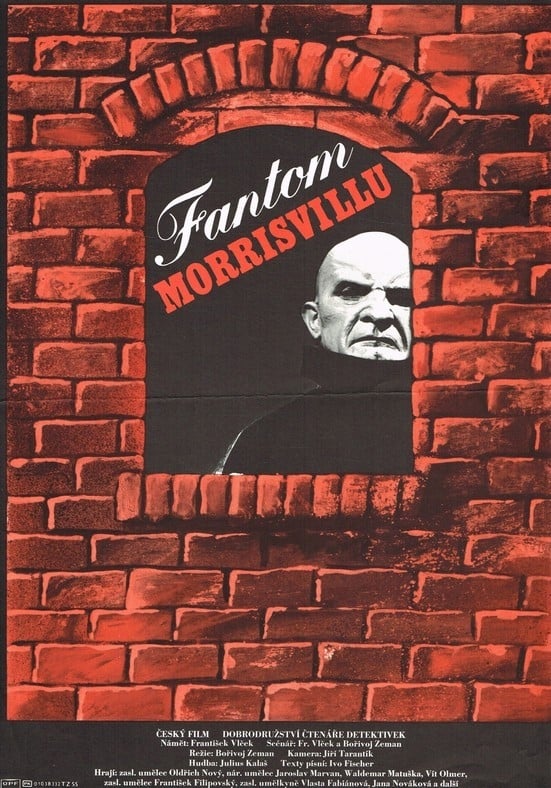
Inspector Brumpby (Jaroslav Marvan) and the young crime reporter Allan Pinkerton (Vít Olmer) attend wedding of Sir Hannibal Morris (Oldrich Nový) with beautiful Clarence (Kveta Fialová). After the ceremony, Clarence's ex-husband, criminal Manuel Diaz (Waldemar Matuska), who was believed dead, shows up in her room. He wants to get his hands on Clarence and, most importantly, on the money she would inherit in the eventuality of her new husband's death. Diaz makes attempts on Hannibal's life. He knows his way about an underground labyrinth in the château and the traps he sets up for Hannibal seem to work, since Hannibal is apparently found dead after an explosion in the labyrinth, after which his body vanishes. The inspector tries to solve the countless mysteries. In this, he is joined by Allan, always ahead of the man of the law in his estimation and judgment of the situation.
- Film8.0FantastikAile
Instead of ruling, the king devotes himself to fishing and long conversations with the gardener, the princess, instead of pretending, like any proper princess, spends whole days in the kitchen, and the care of the kingdom thus falls to the queen. The queen decides to start the correction by marrying the princess; however, the groom must be noble and, above all, rich. The princess's cooking costs something, and the small wars that sometimes take place because of the queen's quarrelsomeness are also not completely free. The only problem is that the princess does not want to get married, and the king does not want to give his daughter to just anyone, but wants to entrust her to someone who will be kind and will truly love her.
O princezně, která pořád vařila
1967 · 1 votes
- Film
Diziler9
 Dizi7.5Dram
Sanitka was a Czech television, drama series, first broadcast in 1984 and eleven episodes were made. It starred Jaromír Hanzlík, Tomáš Juricka and Zlata Adamovská among others.
Sanitka
1984 · 6 votes
 Dizi8.0Suç
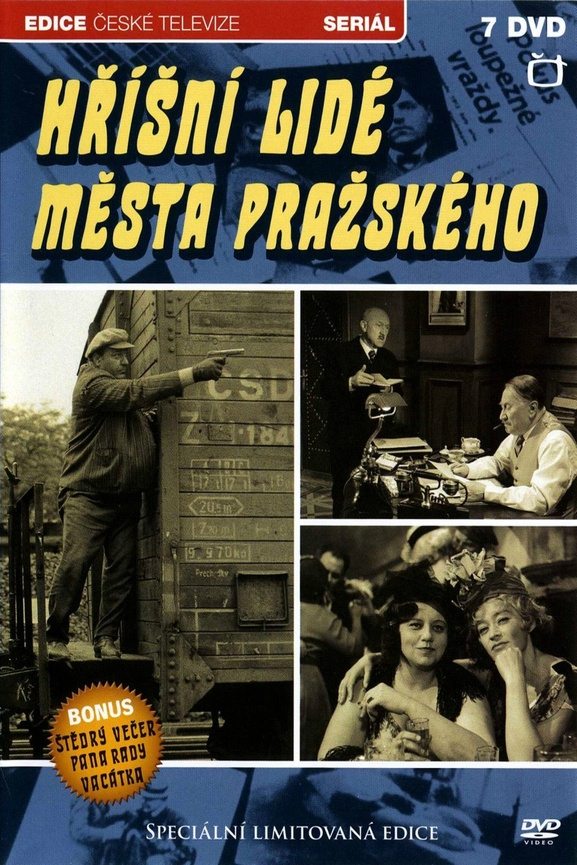
Hříšní lidé města pražského
1969 · 13 votes
- Dizi9.0DramKomedi
Dnes v jednom domě
1980 · 1 votes
 Dizi7.8Dram
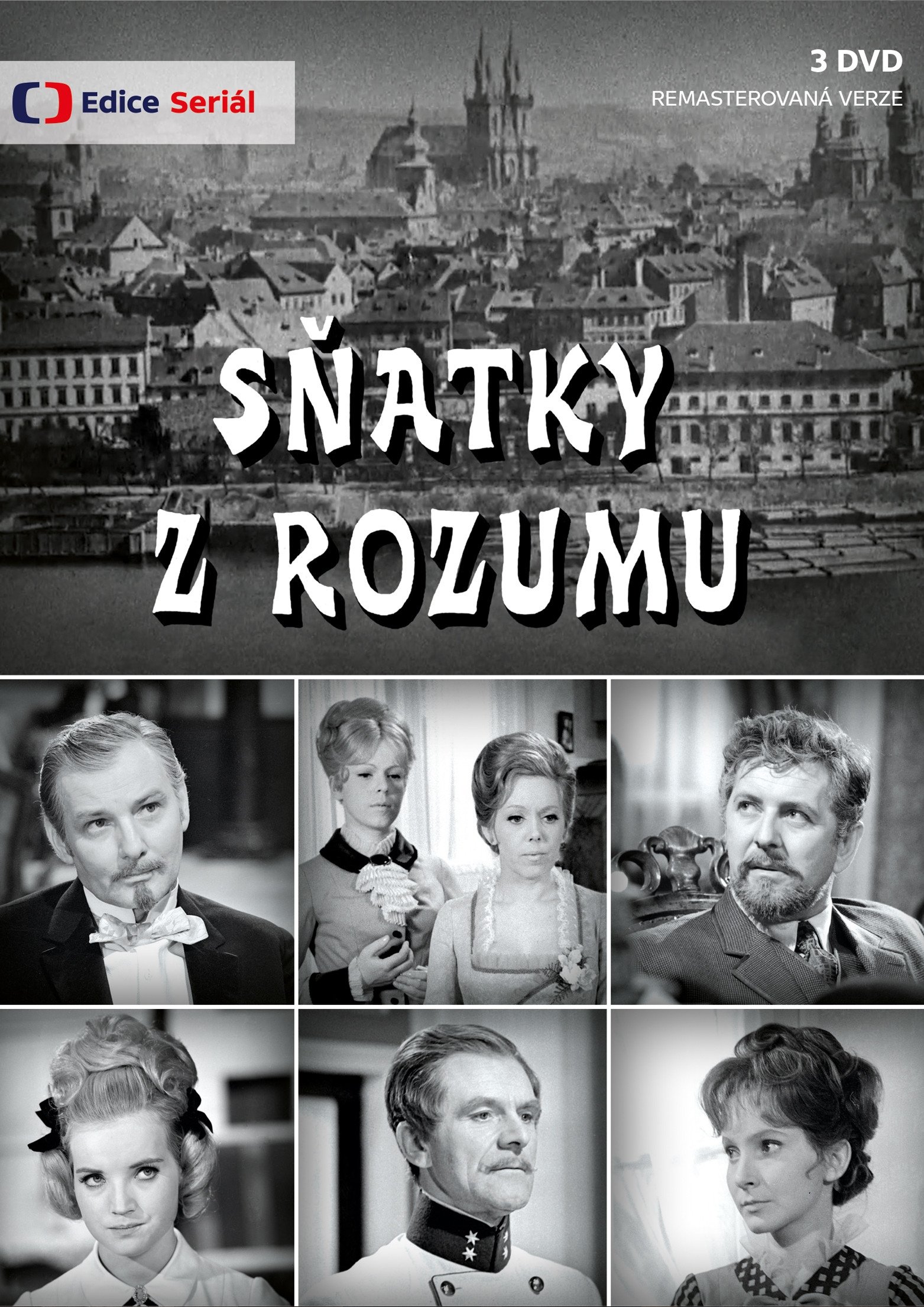
Sňatky z rozumu was a Czechoslovak television programme which was first broadcast in 1968. The programme was directed by František Filip.
Sňatky z rozumu
1968 · 4 votes
 Dizi10.0Komedi
Stříbrná pila
1978 · 1 votes
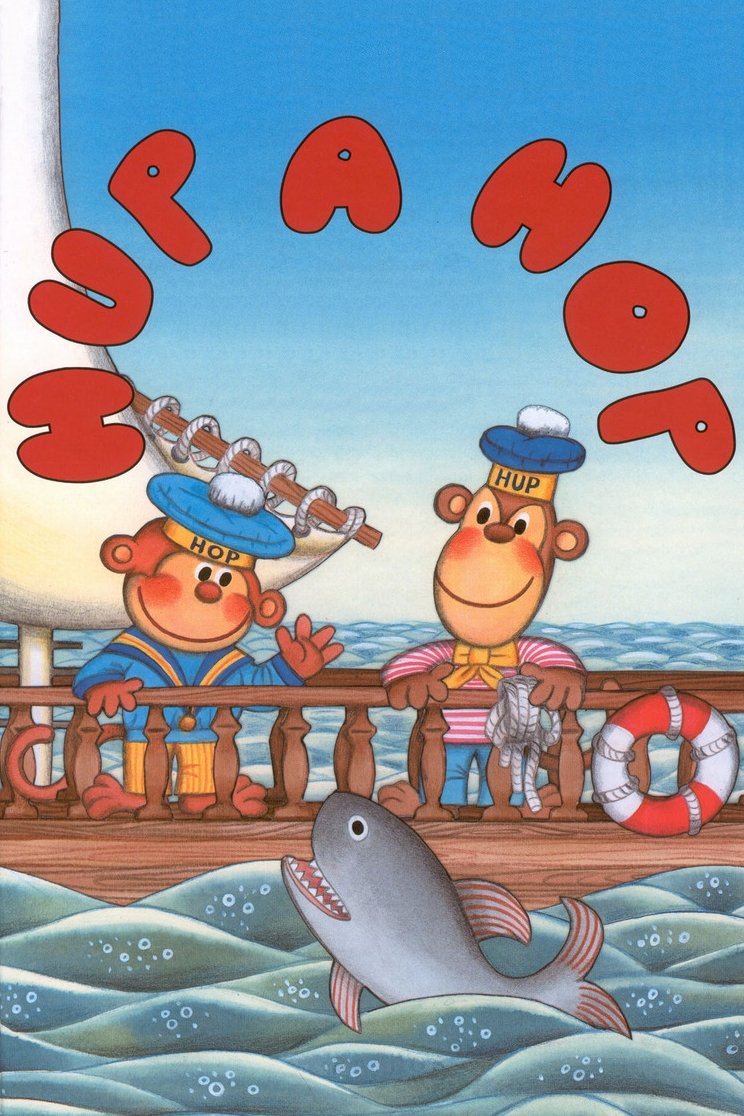 DiziAnimasyonÇocuk
Hup a Hop
1972
- DiziÇocuk
- DiziDram
- DiziAile