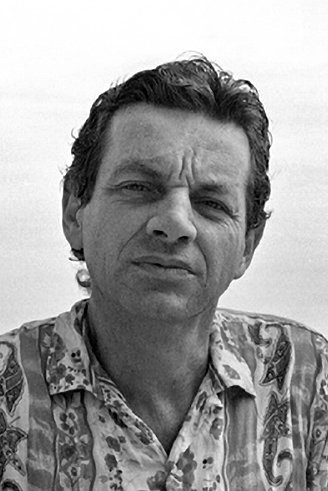
Rogério Sganzerla
Yönetmen · 1946 – 2004 · Joaçaba, Santa Catarina, Brazil
Rogério Sganzerla (1946 — 2004) was a Brazilian filmmaker and one of the main names of the Cinema de Invenção (or Cinema Marginal) underground movement. Influenced by Orson Welles, Jean-Luc Godard, and José Mojica Marins, Sganzerla often used clichés from film noir and pornochanchadas. Irony, narrative subversion and collage were trademarks of his film aesthetics. Sganzerla was born in Joaçaba, in the state of Santa Catarina, but moved with his family to São Paulo at a very young age, living there for most of his life. During the 1960s he wrote for the newspaper "O Estado de S. Paulo" ("The State of S. Paulo") as film critic, quickly being recognised as a young talent. In 1967, Sganzerla directed his first short film, "Documentário" ("Documentary"), winning an award at the JB-Mesbla 16mm Festival. "Documentário" was quickly followed up by his first feature-length film in 1968, "O Bandido da Luz Vermelha" ("The Red Light Bandit"), which became a landmark for the movement known as Cinema de Invenção or Cinema Marginal and is still Sganzerla's most well-known film. In 1970, he founded the "Bel-Air Filmes" production company along with fellow Cinema de Invenção filmmaker Júlio Bressane. Headed by Sganzerla, the company produced his films "Copacabana Mon Amour", "Carnaval na Lama" and "Sem Essa, Aranha" and Bressane's "A Família do Barulho", "Barão Olavo, o Horrível" and "Cuidado, Madame", all shot in Brazil during four months of 1970 and edited abroad, in England, when both Sganzerla and Bressane were banished from their home country by the then rulling military dictatorship. While in exile, both Sganzerla and Bressane continued to shoot new films. Sganzerla's personal obsessions, such as director Orson Welles (and his infamous visit to Brazil) and musicians Noel Rosa and Jimi Hendrix, appear in many of his films, going as far as being the main subject in some of them. In 1985, Sganzerla directed the docufiction "Nem Tudo É Verdade" ("It's Not All True") about Orson Welles' arrival in Brazil to film his unfinished documentary "It's All True". Sganzerla died in 2004, of a brain tumor, shortly after finishing his last film "O Signo do Caos" ("The Sign of Chaos"). Description above from the Wikipedia article Rogério Sganzerla licensed under CC-BY-SA, full list of contributors on Wikipedia.
Filmler20
 Film7.7GerilimSuç
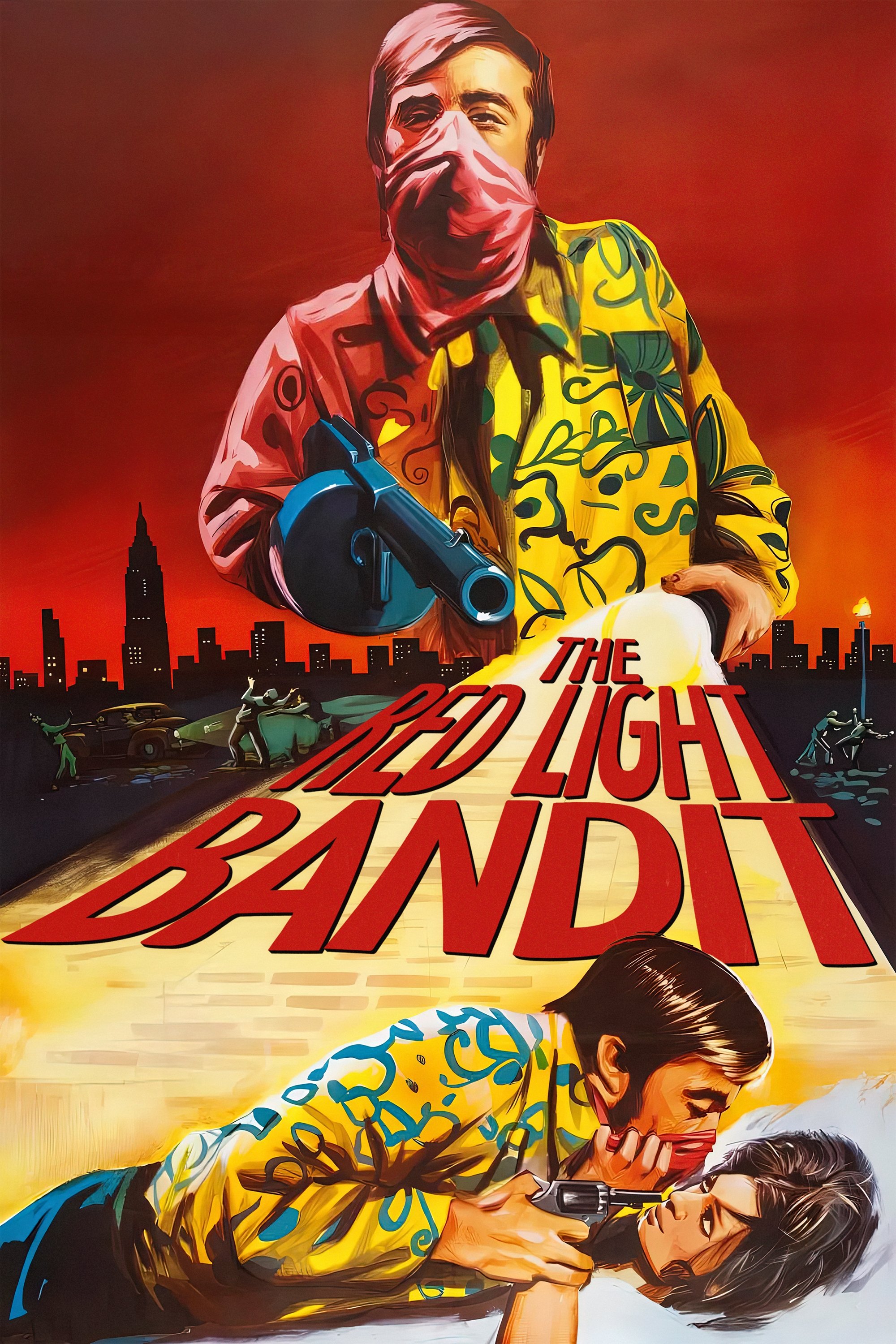
Born and raised in the misery of Brazilian slums, Jorge becomes a luxury house burglar in São Paulo and gets nicknamed "The Red Light Bandit" by the sensationalist press. In addition to wearing a red flashlight, he talks to his hostages in an irreverent tone and makes bold breakthroughs to later spend the money extravagantly. His world is the decadent neighbourhood of Boca do Lixo.
 Film5.0Belgesel
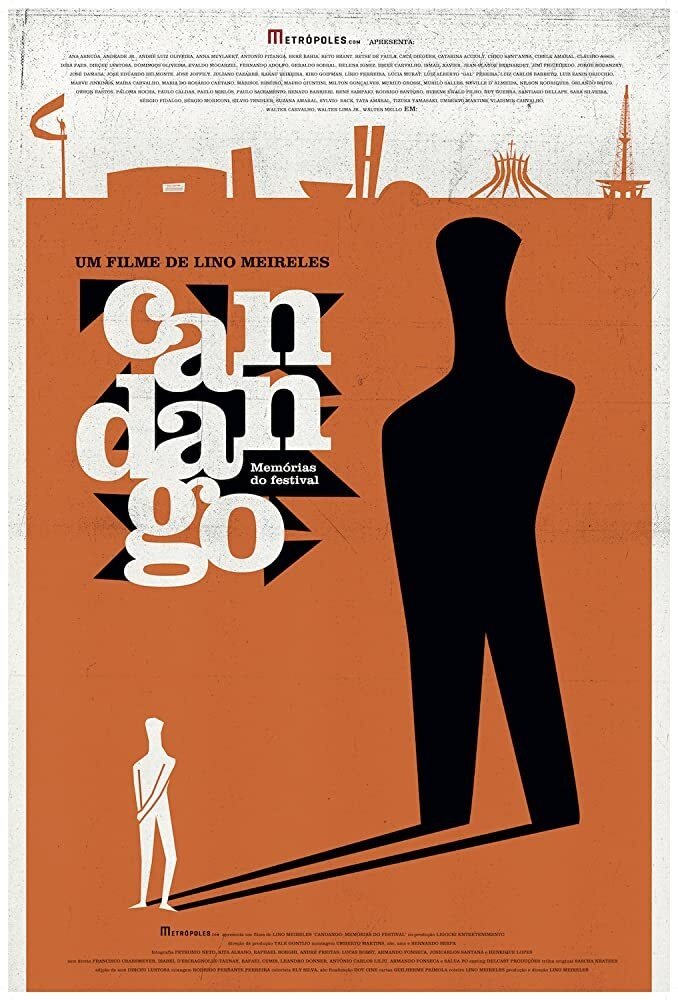
In 1965, a year after the military coup in Brazil, an oasis of freedom opened in the country's capital. The Brasília Film Festival: a landmark of cultural and political resistance. Its story is that of Brazilian cinema itself.
 Film9.0Belgesel
For this behemoth, Bressane took his opera omnia and edited it in an order that first adheres to historical chronology but soon starts to move backwards and forward. The various pasts – the 60s, the 80s, the 2000s – comment on each other in a way that sheds light on Bressane’s themes and obsessions, which become increasingly apparent and finally, a whole idea of cinema reveals itself to the curious and patient viewer. Will Bressane, from now on, rework The Long Voyage of the Yellow Bus when he makes another film? Is this his latest beginning? Why not, for the eternally young master maverick seems to embark on a maiden voyage with each and every new film!
 Film6.3Belgesel
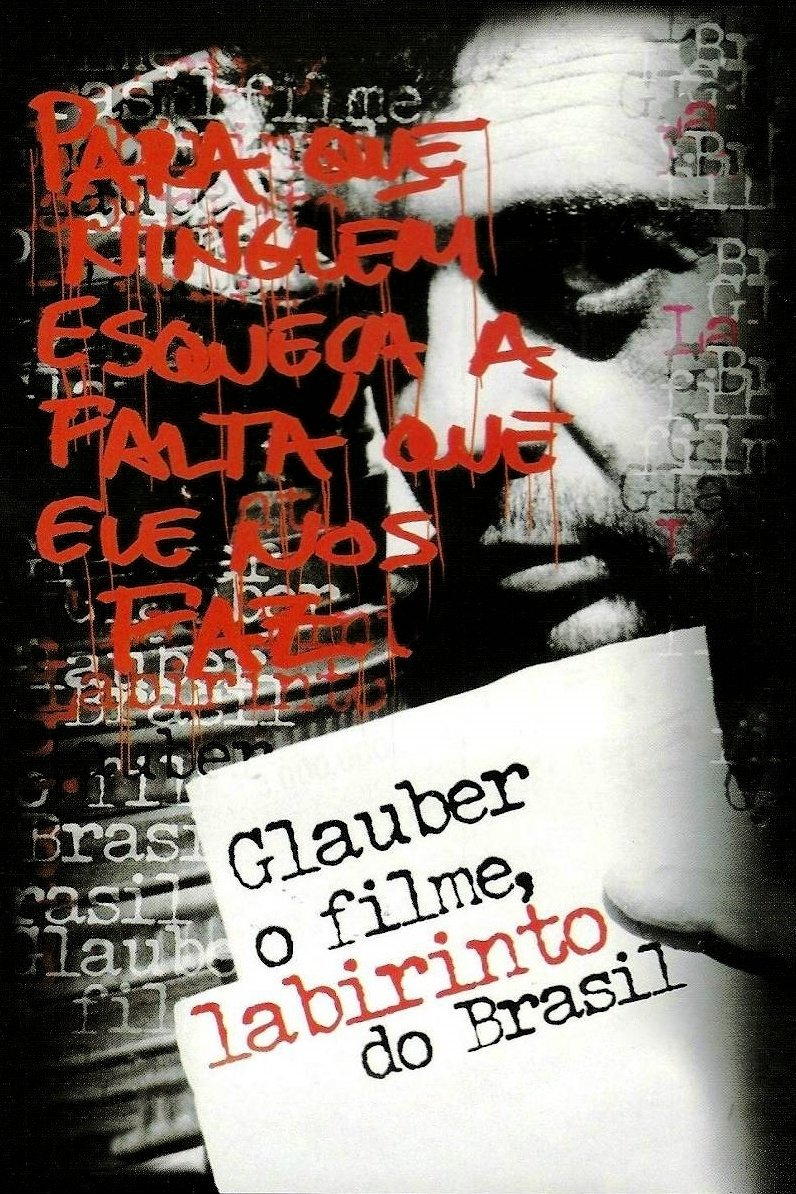
Documentary about Brazilian filmmaker Glauber Rocha, one of the most important names in the Cinema Novo, with interviews with some of his friends and colleagues.
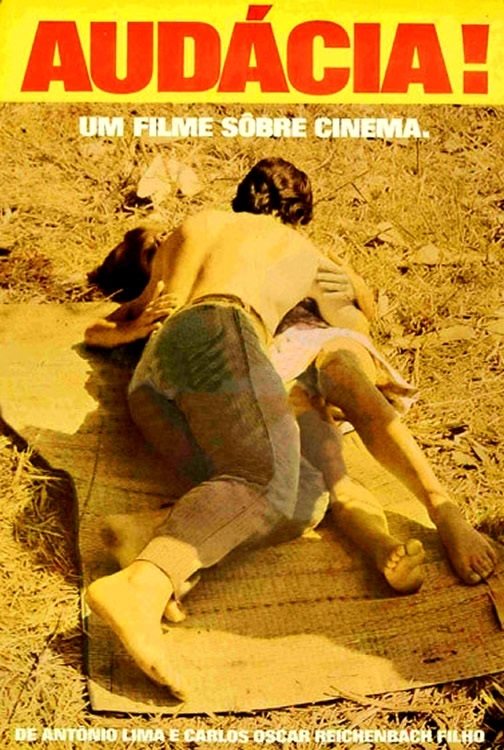 Film7.3Komedi
Segment "Prólogo": interviews and scenes with some of the most important filmmakers of the "Boca do Lixo" of São Paulo. Segment "A Badaladíssima dos Trópicos x Os Picaretas do Sexo": shenanigans of a troubled fictional film production. Segment "Amor 69": Actress Maria Vargas is expected to appear nude in a scene, but ultimately refuses to do so.
Audácia!
1970 · 3 votes
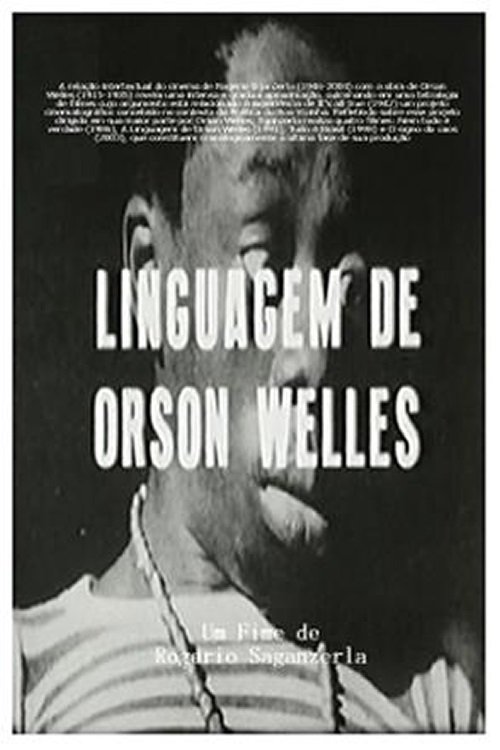 Film7.3Belgesel
Orson Welles acted in Brazilian culture and music by deeply researching Brazil's historical geology, consciously completing a legendary cultural mission. Although being turned down by Hollywood producers, he developed a triumphantly accomplished mission in the language domain - three friends of Welles' testified his love for cinema, his passion for Brazilian music and people and his obstinate endurance against formidable pressures coming from inside and outside Hollywood regarding his unfinished "It's All True".
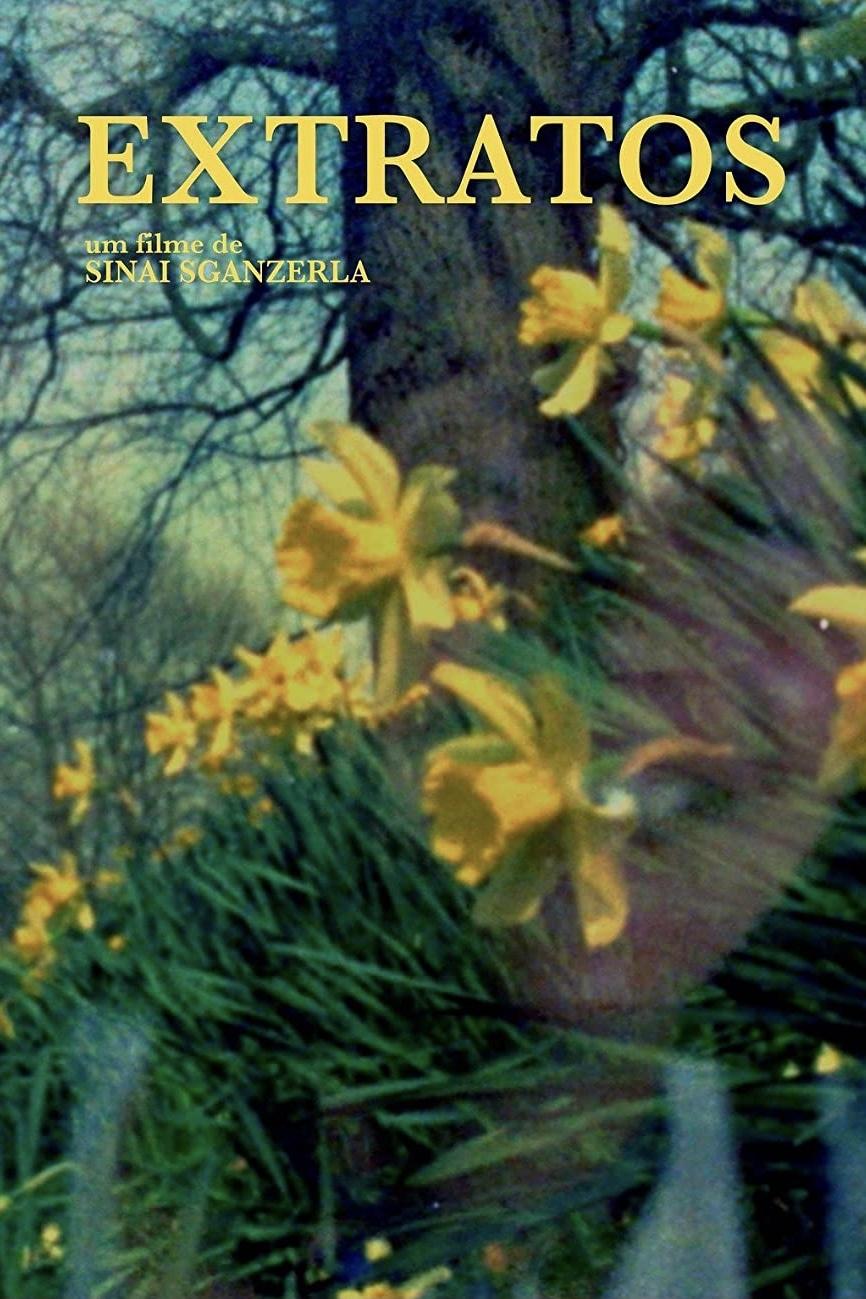 FilmBelgesel
Extracts is a short film with images from 1970 to 1972 in the cities of Rio de Janeiro, Salvador, London, Marrakech, Rabat and the Sahara Desert region. The images were filmed by Helena Ignez and Rogério Sganzerla in exile, in the "leaden years" of the military dictatorship.
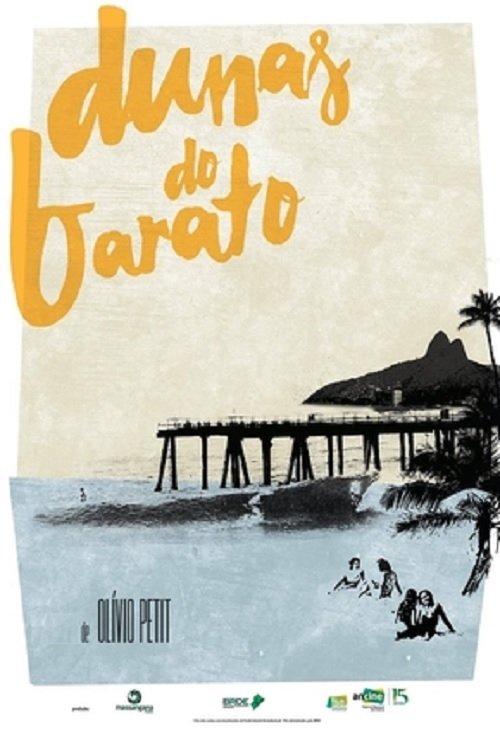 Film5.5Belgesel
A rescue of the history of Ipanema beach in the 1970s, when the construction of a pier changed the landscape and created fertile soil for a generation of artists and sportsmen.
Dunas do Barato
2017 · 2 votes
 FilmBelgesel
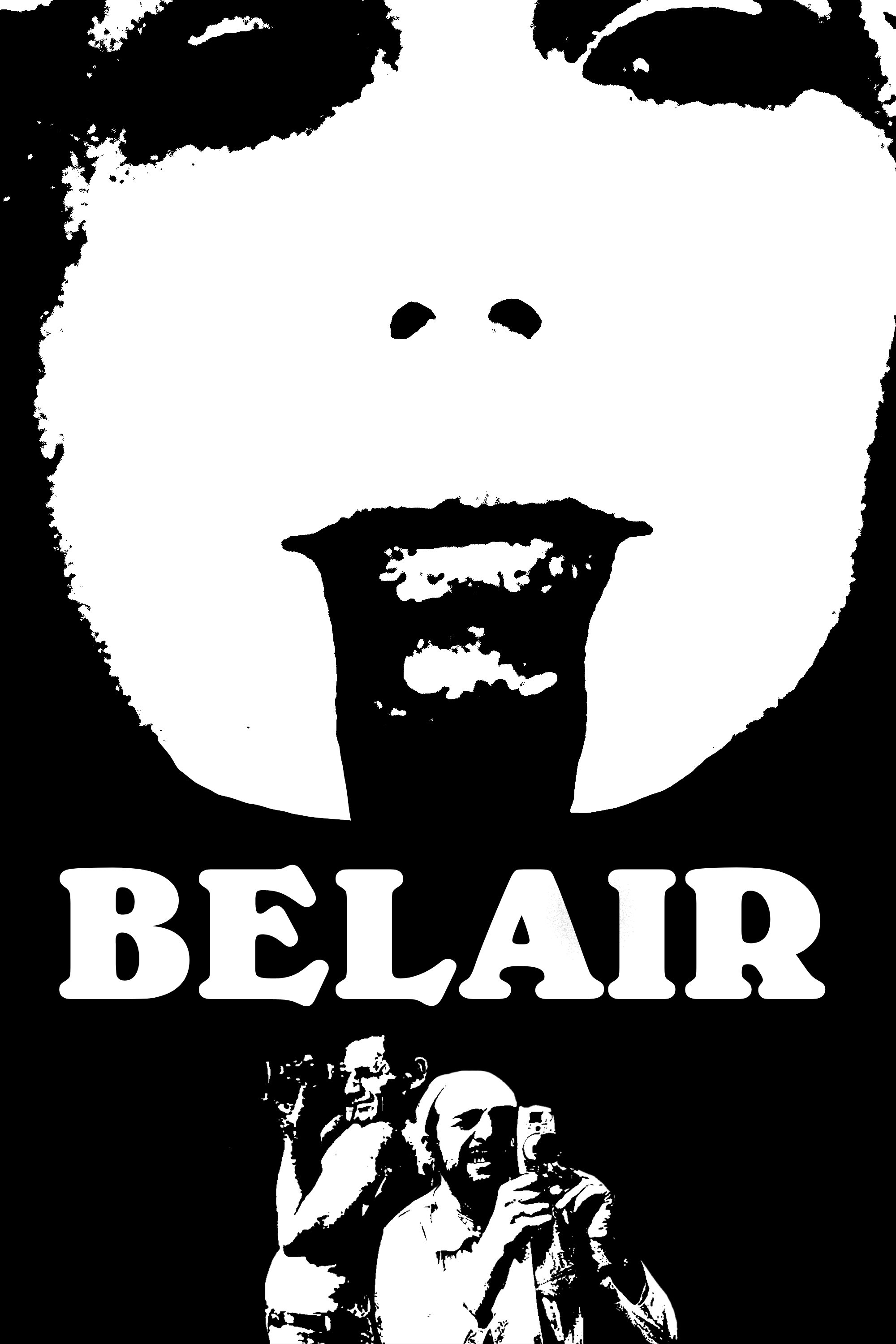
Between February an May of 1970, Julio Bresane and Rogerio Sganzerla made 7 films for their company Belair that were forbidden by the Brazilian censorship that reveal today images of an unique freedom.
Belair
2009
 Film5.0Belgesel
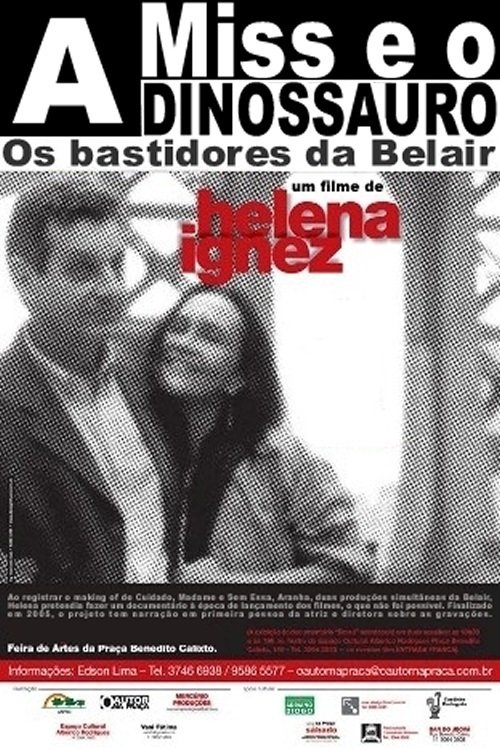
A short documentary on Belair, an independent Brazilian film company that lasted for only five months in 1970.
A Miss e o Dinossauro
2005 · 3 votes
 Film4.3Belgesel
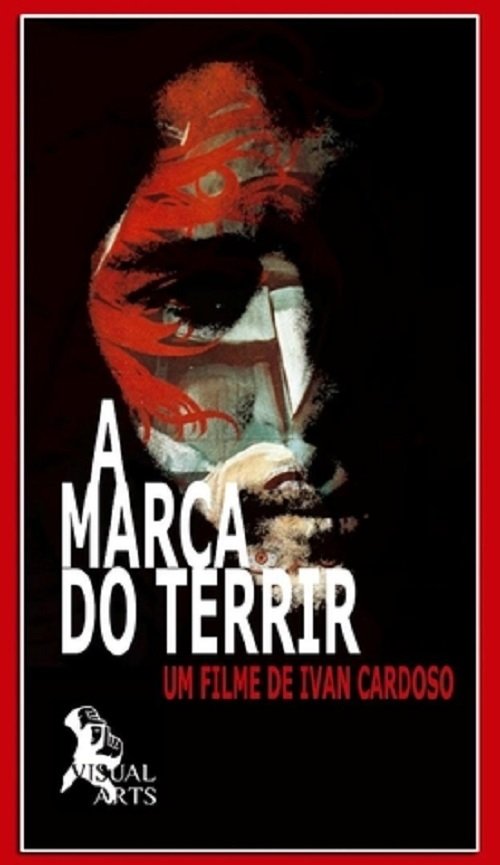
Compilation of early Ivan Cardoso's films in Super 8, including "Nosferato no Brasil (Nosferato in Brazil)"
A Marca do Terrir
2005 · 3 votes
 Film3.5Belgesel
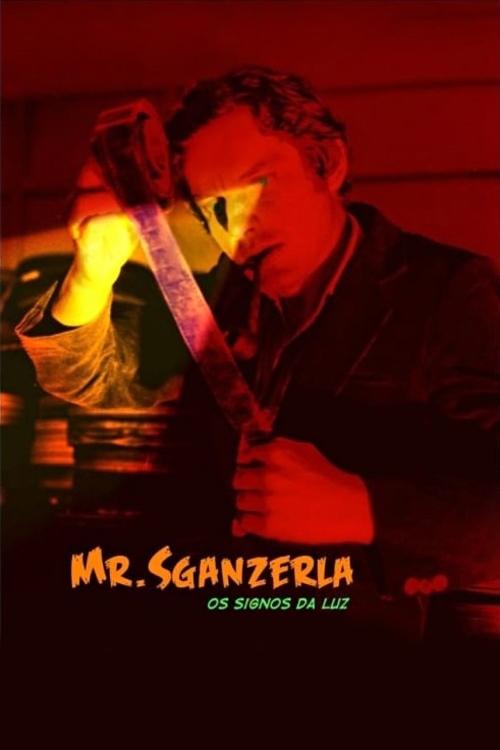
A documentary on prolific underground Brazilian filmmaker Rogério Sganzerla.
Mr. Sganzerla: Os Signos da Luz
2012 · 1 votes
 FilmBelgesel
An authentically marginal cinema created in Catholic university in Brazil. One of the most intriguing and imaginative moments in modern cinema in the voice of some of its select conspirators—with Carlos Reichenbach at the lead—, and through the most razing flow of images that can possibly be conceived.
- FilmBelgesel
A film portrait of Jose Mojica Marins.
 Film8.0Belgesel
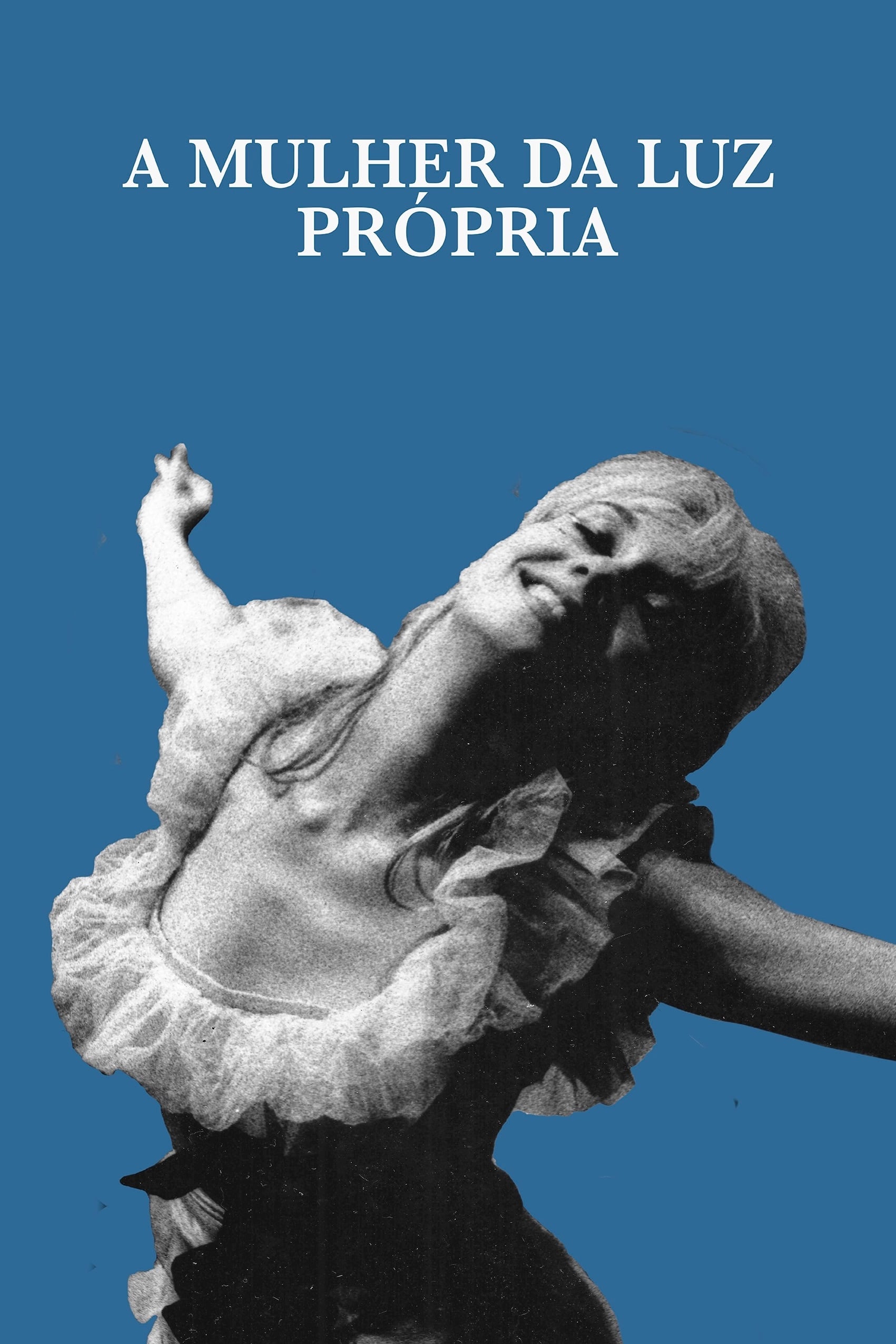
Helena Ignez is one of the main female figures of Brazilian cinema. She developed a new style of acting. Nowadays, she directs independent films. The documentary tells some of the History of Brazilian cinema, its political context and Helena's trajectory.
A Mulher da Luz Própria
2019 · 1 votes
 FilmBelgesel
A documentary on the restoration of Rogério Sganzerla's 1970 film "Copacabana, Mon Amour".
 Film1.0Belgesel
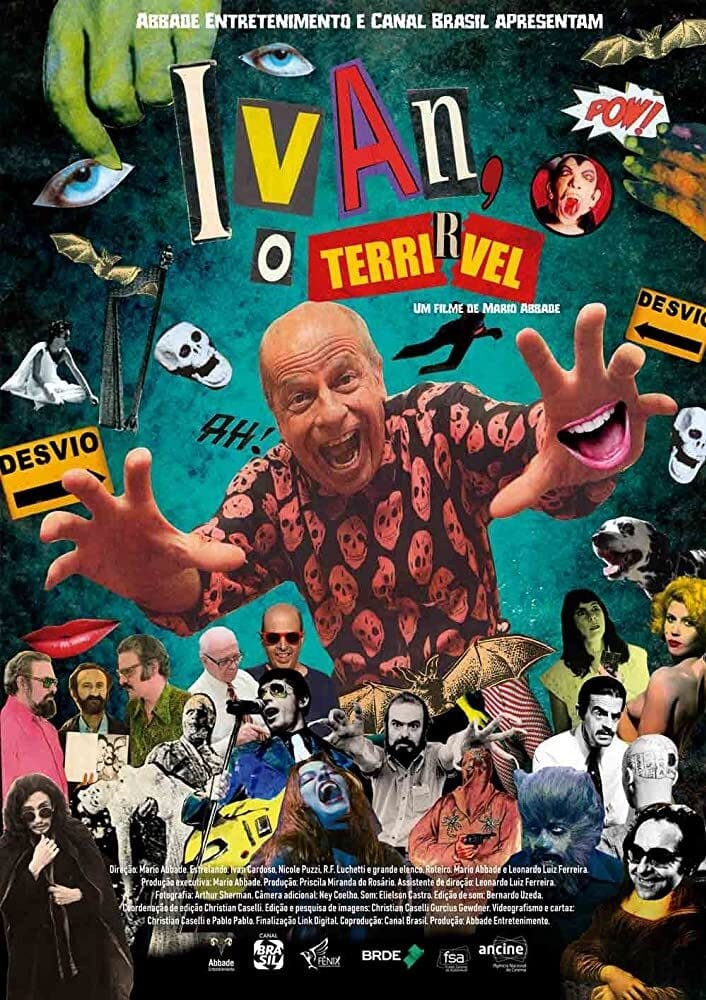
Ivan Cardoso is the inventor of the terrir, a subgenre that mixes comedy, Brazilian chanchadas and classic American horror. This film promotes a rescue of his work by mixing archival material, animations and fictional reconstructions.
 Film6.0Belgesel
An unusual look at 1978 Brasilia Film Festival and the politics that make certain films fashionable or not.
Horror Palace Hotel
1978 · 2 votes
 Film8.0Belgesel
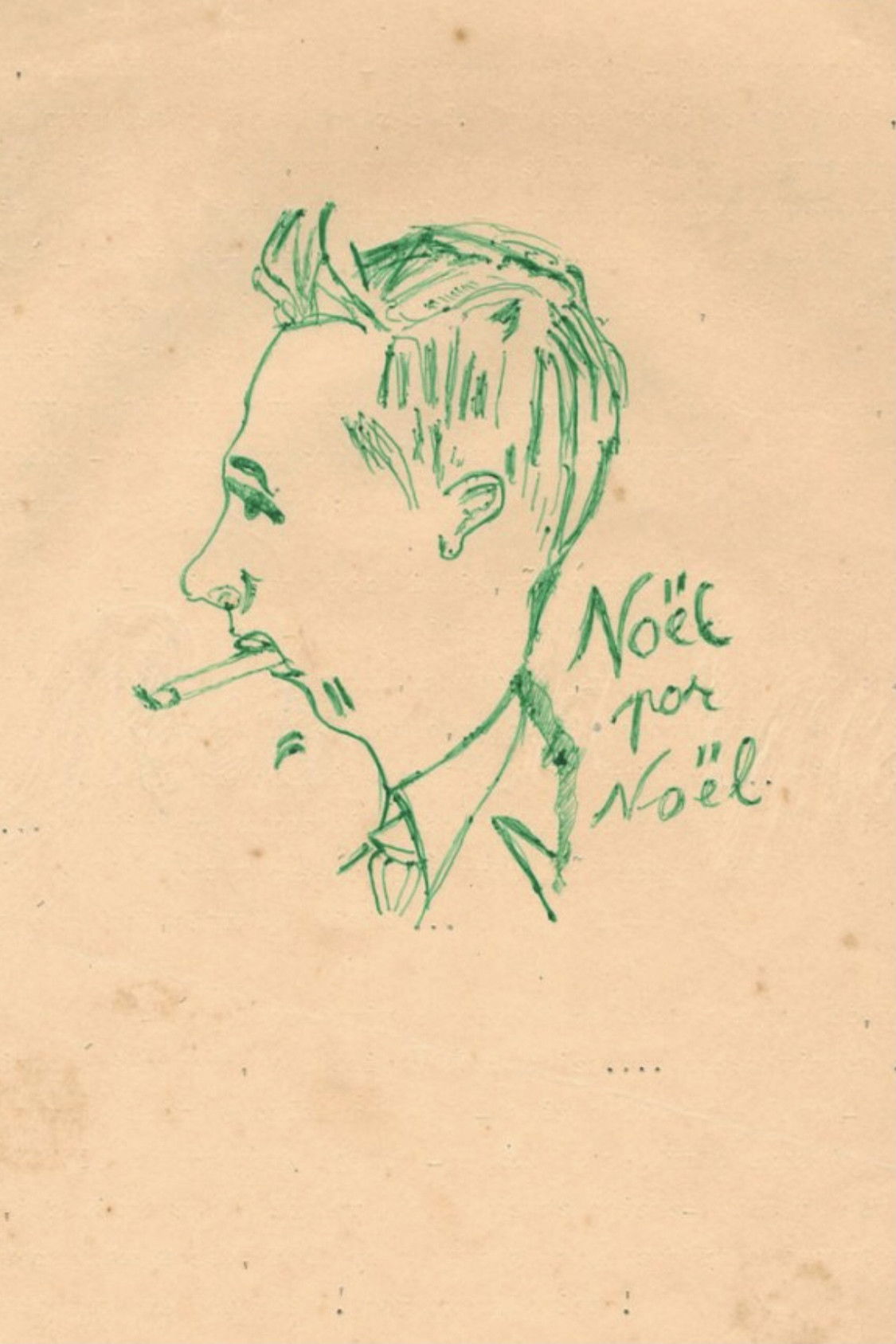
Homage to the great Brazilian samba songwriter Noel Rosa (1910-1937).
Noel por Noel
1981 · 2 votes
- FilmBelgesel
Documentary about the trajectory of Antônio Polo Galante, known as "The King of Boca". The film maps work and forms of production in Boca do Lixo, popular area in Luz neighborhood located downtown São Paulo, where usually night clubs and sexual services establishments were located.