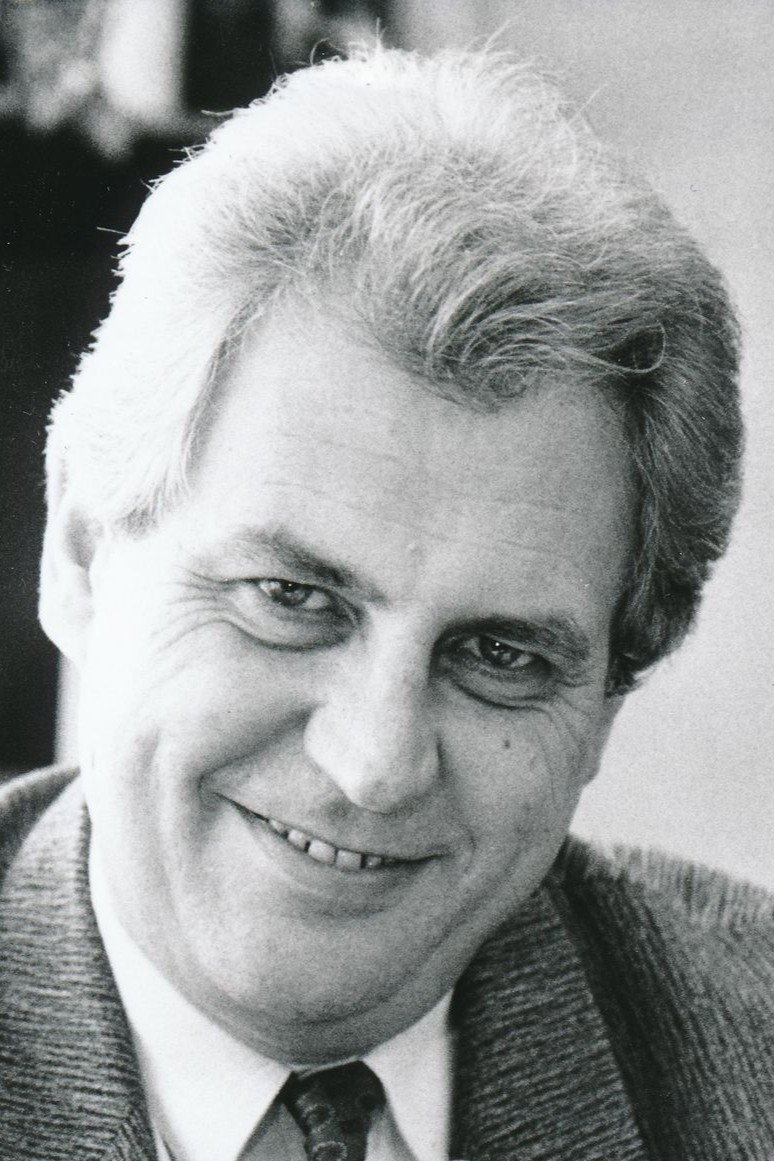
Miloš Zeman
Oyuncu · d. 1944
Miloš Zeman (Czech: [ˈmɪloʃ ˈzɛman]; born 28 September 1944) is a Czech politician who served as the third president of the Czech Republic from 2013 to 2023. He also previously served as the prime minister of the Czech Republic from 1998 to 2002. As leader of the Czech Social Democratic Party from 1993 to 2001, he is credited with the revival of the party into one of the country's major political forces. Zeman briefly served as the President of the Chamber of Deputies from 1996 to 1998. Born in Kolín to a modest family, Zeman joined the Communist Party of Czechoslovakia in 1968, but was expelled two years later due to his opposition to the Warsaw Pact invasion. Following the Velvet Revolution in 1989, he joined the Czech Social Democratic Party, which he led into the 1996 election. Zeman became Prime Minister following the 1998 legislative election after striking a controversial pact with his long-time rival Václav Klaus, which was heavily criticized by President Václav Havel, the media and opposition for weakening the system of checks and balances. His government continued the privatization of publicly owned industries and established new administrative regions. Zeman's cabinet also attempted to change the electoral system to first-past-the-post voting, which was struck down by the Constitutional Court. Under his leadership, the Czech Republic joined NATO in 1999. Zeman was the last leader to vote in favor of the 1999 bombing of Yugoslavia, effectively green-lighting the operation. He ran for president in 2003 but was eliminated after his own party members did not vote for him. In 2013, Zeman was elected president of the Czech Republic, becoming the first directly elected president in the nation's history; his predecessors were elected by the Parliament. In 2018, he was re-elected for a second term. His presidency was marked by deepening polarization and political discontent. Zeman has been a subject of widespread criticism and source of controversy. He was widely regarded as having pursued favourable policies towards Russia and China, while frequently clashing with traditional allies in the European Union and NATO. However, some of his supporters contest this characterization, and Zeman subsequently strongly opposed the Russian invasion of Ukraine. During his presidency, many of his high-level staff and associates were targets of investigations for mishandling classified information, corruption and fraud, among others. Zeman left office in 2023 and was succeeded by Petr Pavel. Description above from the Wikipedia article Miloš Zeman, licensed under CC-BY-SA, full list of contributors on Wikipedia.
Filmler9
 Film7.8Belgesel
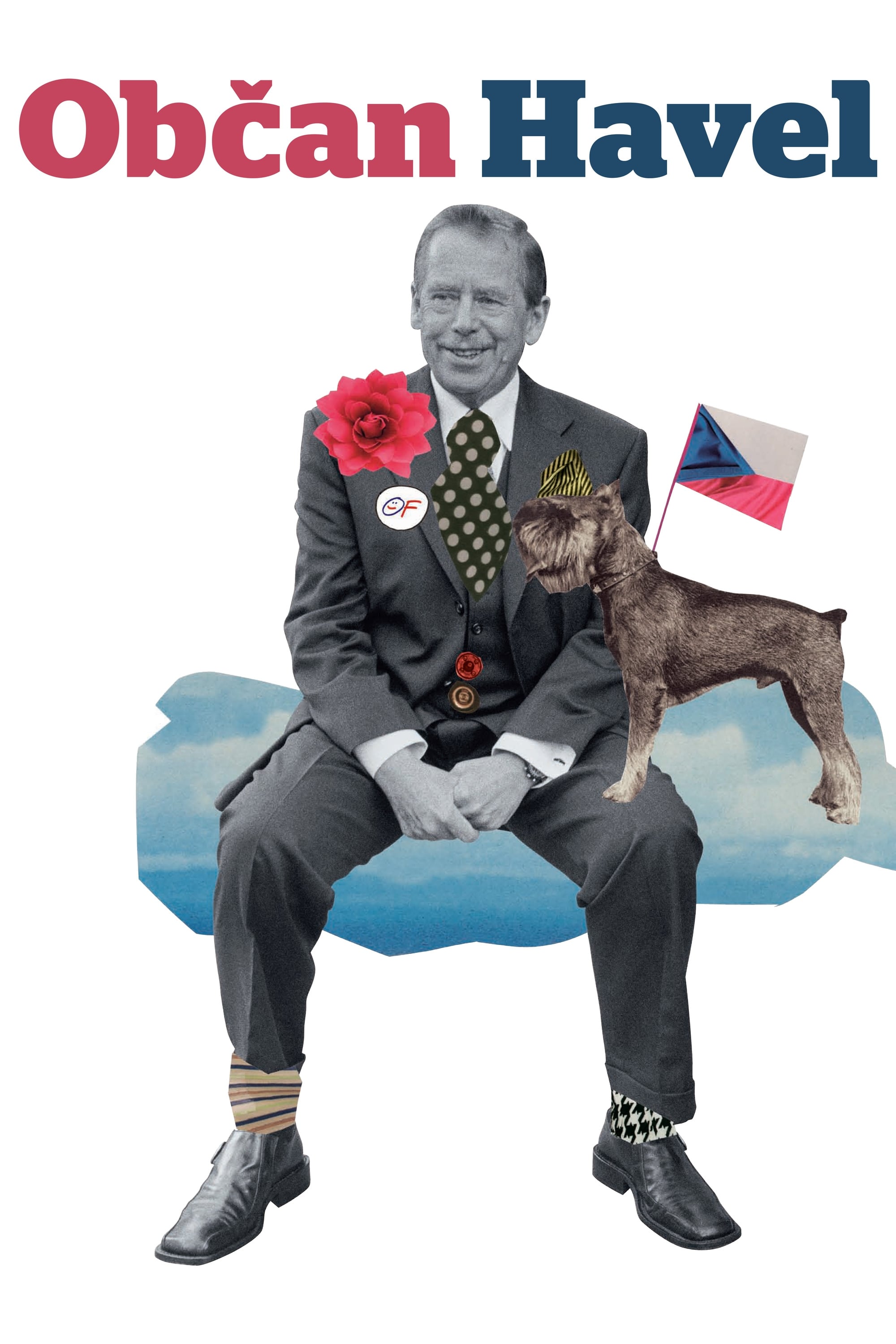
The documentary explores the presidency of Václav Havel, a poet who unexpectedly became president. The film, starting in 1992, captures Havel’s experiences after the breakup of Czechoslovakia, a significant defeat for him as he had campaigned for its continuation. Despite political opposition and accusations of responsibility for the breakup, Havel runs for president of the new Czech Republic. The film, a unique document, was Koutecký’s most important project, continued by Janek after Koutecký’s death in 2006.
 FilmBelgesel
- Film8.0Belgesel
From the behavior, discourse, and appearance of individual actors, Vachek composes, in the form of a mosaic, a broad and many-layered film-argument about Czechoslovak democracy in the period of its rebirth, all administered with the director’s inimitable point of view.
Nový Hyperion aneb Volnost, rovnost, bratrství
New Hyperion or Liberty, Equality, Brotherhood
1992 · 1 votes
- Film10.0Belgesel
Quite a few years have passed since November 1989. Czechoslovakia has been divided up and, in the Czech Republic, Václav Klaus’s right-wing government is in power. Karel Vachek follows on from his film New Hyperion, thus continuing his series of comprehensive film documentaries in which he maps out Czech society and its real and imagined elites in his own unique way.
Co dělat? Cesta z Prahy do Českého Krumlova aneb Jak jsem sestavoval novou vládu
What Is to Be Done? A Journey from Prague to Ceský Krumlov, or How I Formed a New Government
1996 · 1 votes
- Film8.0Belgesel
A labyrinthine portrait of Czech culture on the brink of a new millennium. Egon Bondy prophesies a capitalist inferno, Jim Čert admits to collaborating with the secret police, Jaroslav Foglar can’t find a bottle-opener, and Ivan Diviš makes observations about his own funeral. This is the Czech Republic in the late 90s, as detailed in Karel Vachek’s documentary.
Bohemia docta aneb Labyrint světa a lusthauz srdce (Božská komedie)
Bohemia Docta or the Labyrinth of the World and the Lust-House of the Heart (A Divine Comedy)
2000 · 1 votes
 Film6.6Komedi
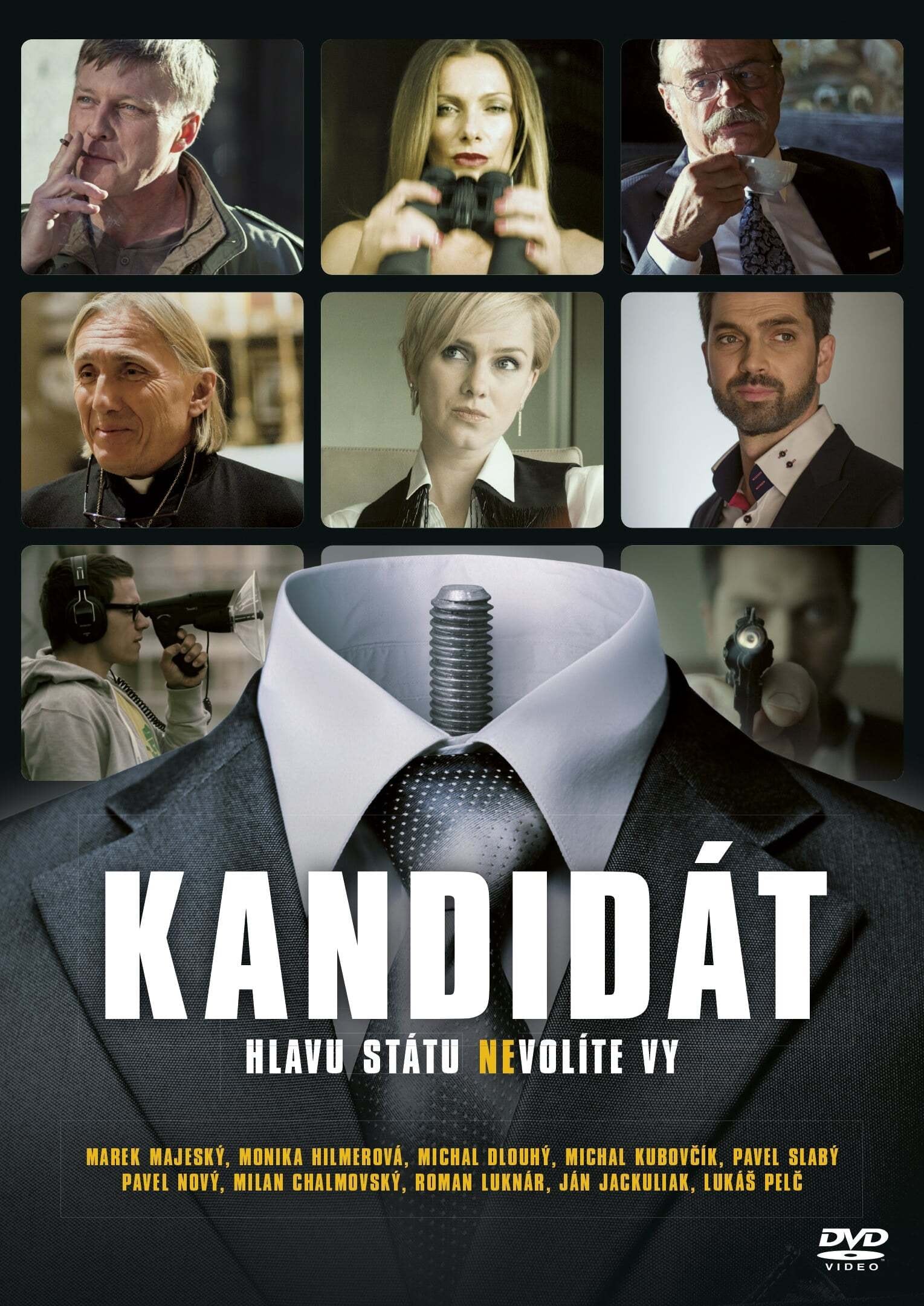
The story of the film The Candidate takes place during two months of campaigning before a non-specific presidential election in one specific country. The author of the diary entries has no idea for whom he is recording the eavesdropping and enthusiasm for an interesting job in which he follows a bishop, a crazy owner of an advertising agency and a bland presidential candidate with the eloquent name Peter Potôň and an even sweeter-sounding family history, soon give way to disgust and confusion. His diary becomes a file with transcripts of conversations, information about characters and characters, emails, scraps from psychiatric medical records and pictures, which he scribbles at first out of boredom, later because words and rational explanations are no longer enough. The candidate is a political farce, a sad-funny depiction of what happened, is happening, and could very easily happen in this small country.
 Film6.6Komedi
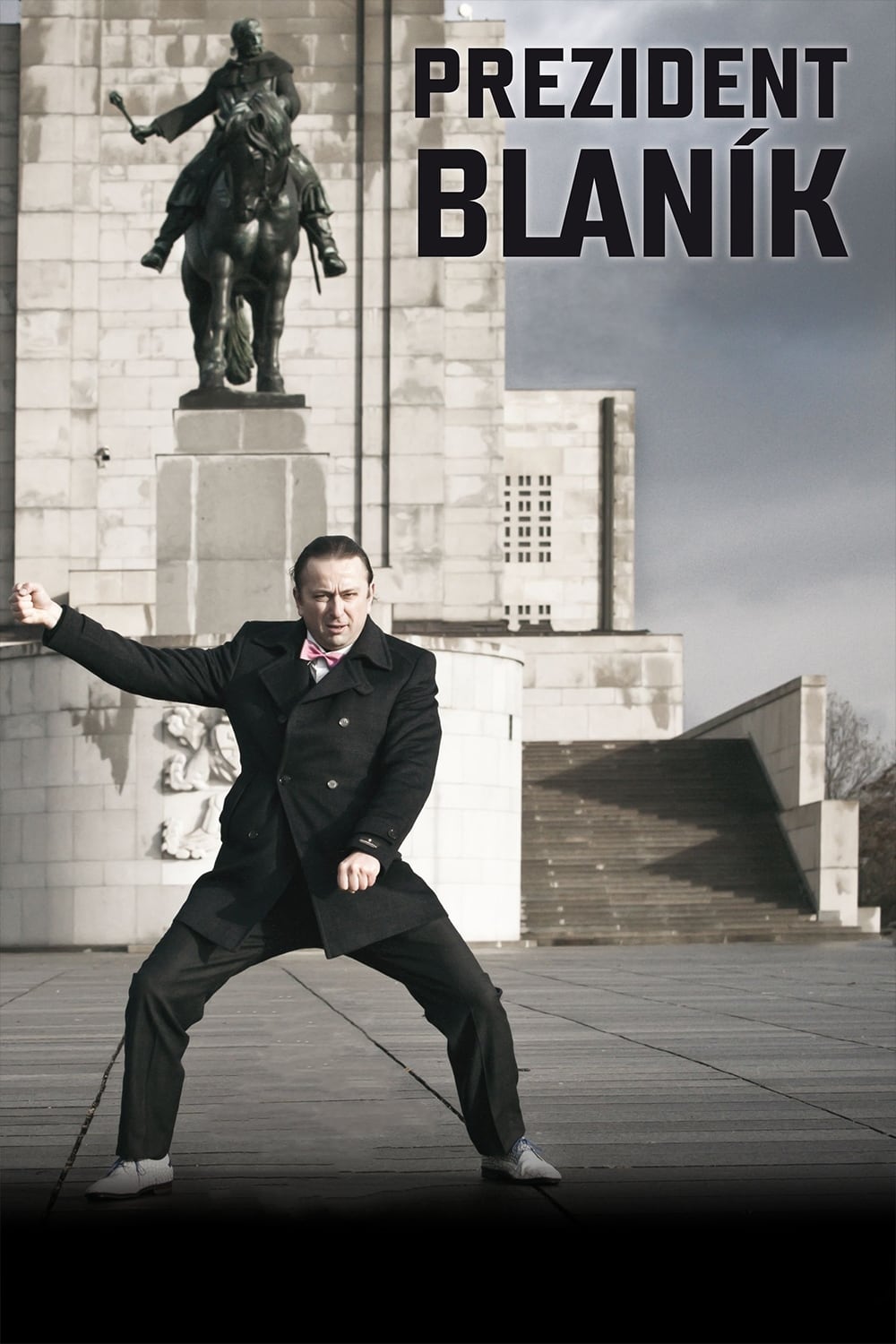
Tonda Blaník announced his presidential candidacy, promising, for example, butter and lithium for every family or corruption accessible to all, and even collected 100,000 signatures. However, he ultimately did not submit his candidacy for the presidency when his assistant Žížala failed to deliver the signature sheets to the Ministry of the Interior on time. Nevertheless, Tonda Blaník continues in his efforts to save the Czech Republic and show its inhabitants how to live better. The feature film follows on from the successful series Kancelář Blaník.
Prezident Blaník
2018 · 10 votes
- FilmBelgeselTV Movie
Young but already experienced filmmaker Robert Sedláček (author of the documentary trilogy about modern Czech history Tenkrát or the feature debut Pravidla lži), meets in the film the retired prime minister Miloš Zeman, who, with his own ambivalent attitude, sees this film as his "obituary". In the documentary, he talks about the personal and socio-political contexts of his life and confesses in it his admiring relationship with Vysočina, which is for him an "anchor in his soul". The viewer learns what the former prime minister thinks about and how he reflects on the recent past, and in this way he can actually learn something about himself, because Miloš Zeman is one of the most powerful men in our modern history and therefore also, in a certain sense, the embodiment of Czech society.
Miloš Zeman - nekrolog politika a oslava Vysočiny
Miloš Zeman: One Politician's Obituary and Celebration of Vysočina
2007
 Film5.0Belgesel
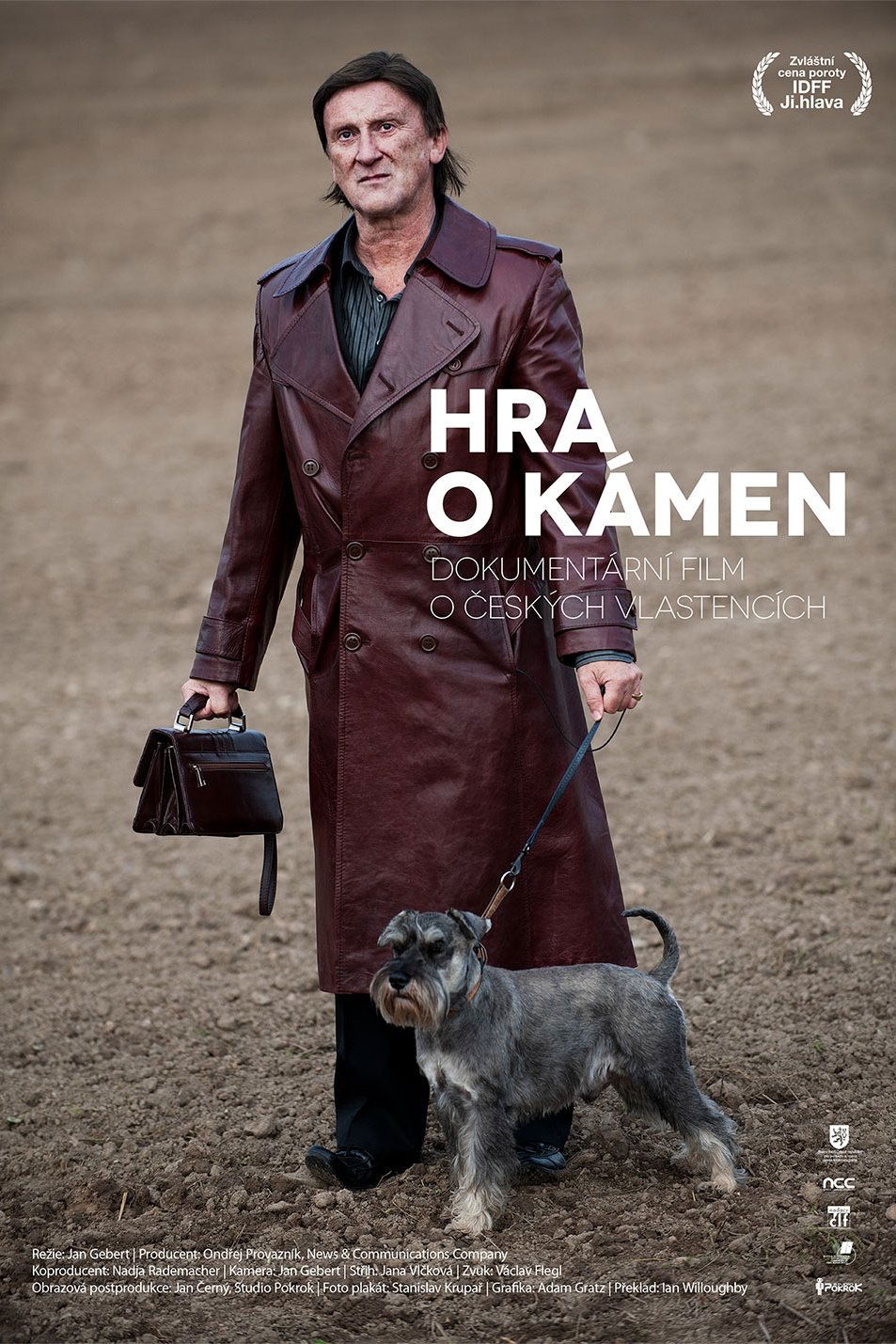
Do the Sudeten Germans who were tortured and killed during their expulsion at the end of the war deserve a monument or not? This Czech documentary shows that this is more than an intellectual question but a political struggle. In response to a stone monument to the victims of the expulsion in Nový Bor, a group of local inhabitants has unleashed a hate-filled ritual dance of national fervor and moral outrage that turns out to be a sufficiently strong election issue as well.