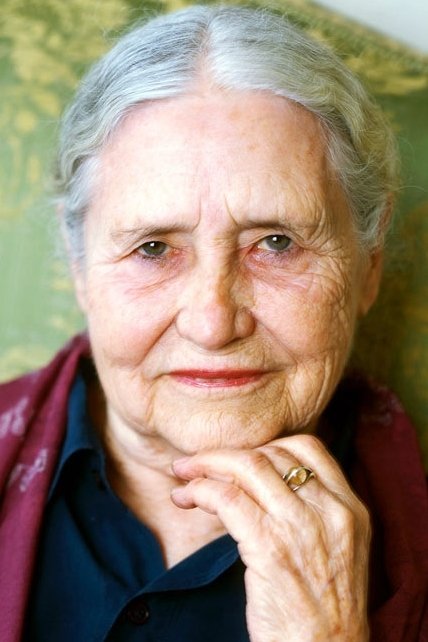
Doris Lessing
Senarist · 1919 – 2013 · Kermanshah, Persia [now Iran]
Doris May Lessing CH OMG (née Tayler; 22 October 1919 – 17 November 2013) was a British novelist. She was born to British parents in Iran, where she lived until 1925. Her family then moved to Southern Rhodesia (now Zimbabwe), where she remained until moving in 1949 to London, England. Her novels include The Grass Is Singing (1950), the sequence of five novels collectively called Children of Violence (1952–1969), The Golden Notebook (1962), The Good Terrorist (1985), and five novels collectively known as Canopus in Argos: Archives (1979–1983). Lessing was awarded the 2007 Nobel Prize in Literature. In awarding the prize, the Swedish Academy described her as "that epicist of the female experience, who with scepticism, fire and visionary power has subjected a divided civilisation to scrutiny". Lessing was the oldest person ever to receive the Nobel Prize in Literature, at age 87. In 2001 Lessing was awarded the David Cohen Prize for a lifetime's achievement in British literature. In 2008 The Times ranked her fifth on a list of "The 50 greatest British writers since 1945". Lessing was born Doris May Tayler in Kermanshah, Iran, on 22 October 1919, to Captain Alfred Tayler and Emily Maude Tayler (née McVeagh), both British subjects. Her father, who had lost a leg during his service in World War I, met his future wife, a nurse, at the Royal Free Hospital in London where he was recovering from his amputation. The couple moved to Iran, for Alfred to take a job as a clerk for the Imperial Bank of Persia. In 1925 the family moved to the British colony of Southern Rhodesia (now Zimbabwe) to farm maize and other crops on about 1,000 acres (400 ha) of bush that Alfred bought. In the rough environment, his wife Emily aspired to lead an Edwardian lifestyle. It might have been possible had the family been wealthy; in reality, they were short of money and the farm delivered very little income. As a girl Doris was educated first at the Dominican Convent High School, a Roman Catholic convent all-girls school in the Southern Rhodesian capital of Salisbury (now Harare). Then followed a year at Girls High School in Salisbury. She left school at age 13 and was self-educated from then on. She left home at 15 and worked as a nursemaid. She started reading material that her employer gave her on politics and sociology and began writing around this time. In 1937 Doris moved to Salisbury to work as a telephone operator, and she soon married her first husband, civil servant Frank Wisdom, with whom she had two children (John, 1940–1992, and Jean, born in 1941), before the marriage ended in 1943. Lessing left the family home in 1943, leaving the two children with their father. After the divorce, Doris's interest was drawn to the community around the Left Book Club, an organisation she had joined the year before. It was here that she met her future second husband, Gottfried Lessing. They married shortly after she joined the group, and had a child together (Peter, 1946–2013), before they divorced in 1949. She did not marry again. Lessing also had a love affair with RAF serviceman John Whitehorn (brother of journalist Katharine Whitehorn), who was stationed in Southern Rhodesia, and wrote him ninety letters between 1943 and 1949. ... Source: Article "Doris Lessing" from Wikipedia in English, licensed under CC-BY-SA 3.0.
Diziler5
 Dizi5.6BelgeselTalk Show
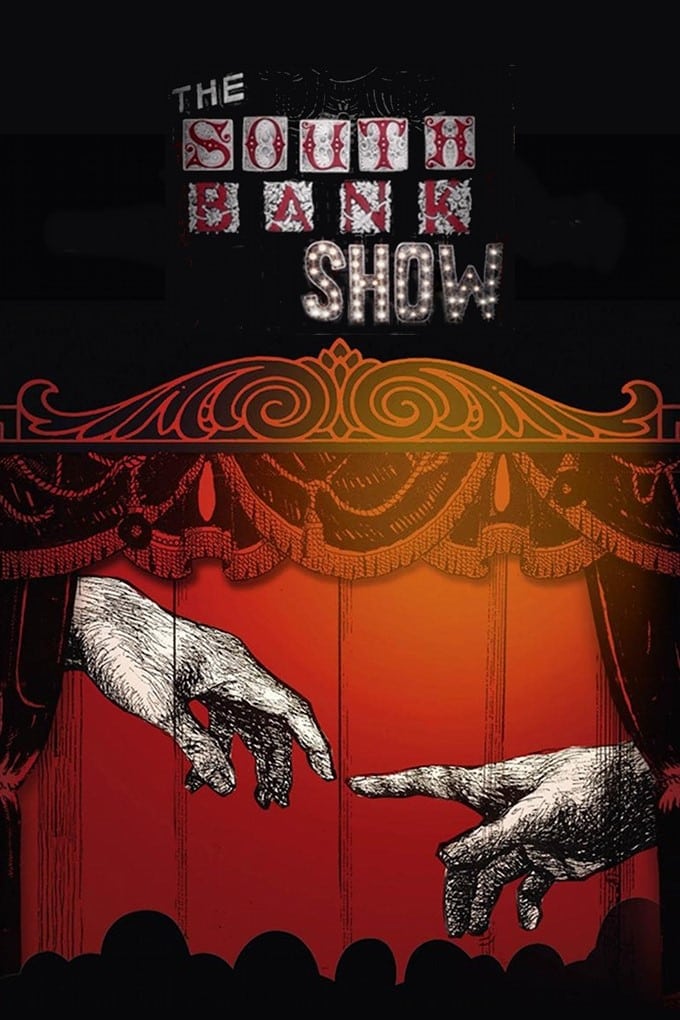
The South Bank Show is a television arts magazine show produced by ITV between 1978 and 2010. A new series began on Sky Arts from 27 May 2012. Presented by Melvyn Bragg, the show aims to bring both high art and popular culture to a mass audience.
The South Bank Show
1978 · 7 votes
 Dizi8.5Talk Show
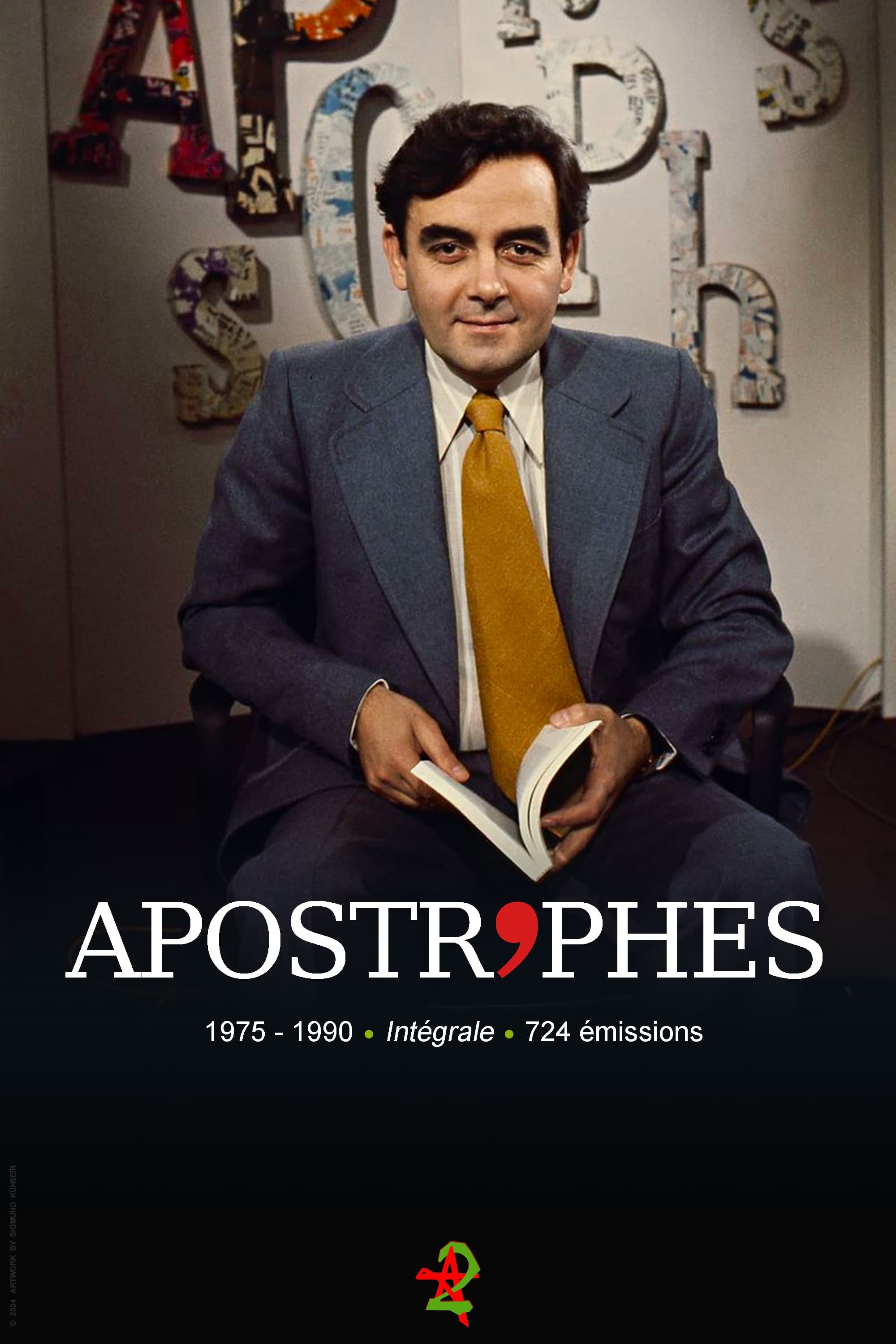
Apostrophes was a live, weekly, literary, prime-time, talk show on French television created and hosted by Bernard Pivot. It ran for fifteen years (724 episodes) from January 10, 1975, to June 22, 1990, and was one of the most watched shows on French television (around 6 million regular viewers). It was broadcast on Friday nights on the channel France 2 (which was called "Antenne 2" from 1975 to 1992). The hourlong show was devoted to books, authors and literature. The format varied between one-on-one interviews with a single author and open discussions between four or five authors.
Apostrophes
1975 · 4 votes
 Dizi7.2Belgesel
Omnibus was an arts-based BBC television documentary series, broadcast mainly on BBC1 in the United Kingdom. The programme was the successor to the long-running arts-based series 'Monitor'. It ran from 1967 until 2003, usually being transmitted on Sunday evenings. During its 35-year history, the programme won 12 Bafta awards. Among the series' best remembered documentaries are Cracked Actor, a profile of David Bowie, and Rene Magritte, a graduate film by David Wheatley, 'Madonna: Behind the American dream', a film produced by Nadia Hagger, and a profile of the British film director Ridley Scott. For a season in 1982, the series was in a magazine format presented by Barry Norman. The series was replaced by 'Imagine' hosted by Alan Yentob.
Omnibus
1967 · 9 votes
 Dizi5.9Belgesel
Prisoners of Gravity was a Canadian public broadcasting television news magazine program that explored speculative fiction — science fiction, fantasy, horror, comic books — and its relation to various thematic and social issues. Produced by TVOntario, the show was the brainchild of former comic retail manager Mark Askwith and writer Daniel Richler, and was hosted by Rick Green. The series aired 139 episodes over 5 seasons from 1989 to 1994.
Prisoners of Gravity
1989 · 7 votes
 Dizi7.0Belgesel
Britanya'nın sosyal ve kültürel tarihine geniş bir yelpazede yayılan belgesel dizisi, anlatı odaklı hikaye anlatımı, geçmişe zengin bir şekilde sürükleyici ve çeşitli bir pencere sunuyor.
Timeshift
2002 · 5 votes
Filmler1
 Film6.2Belgesel
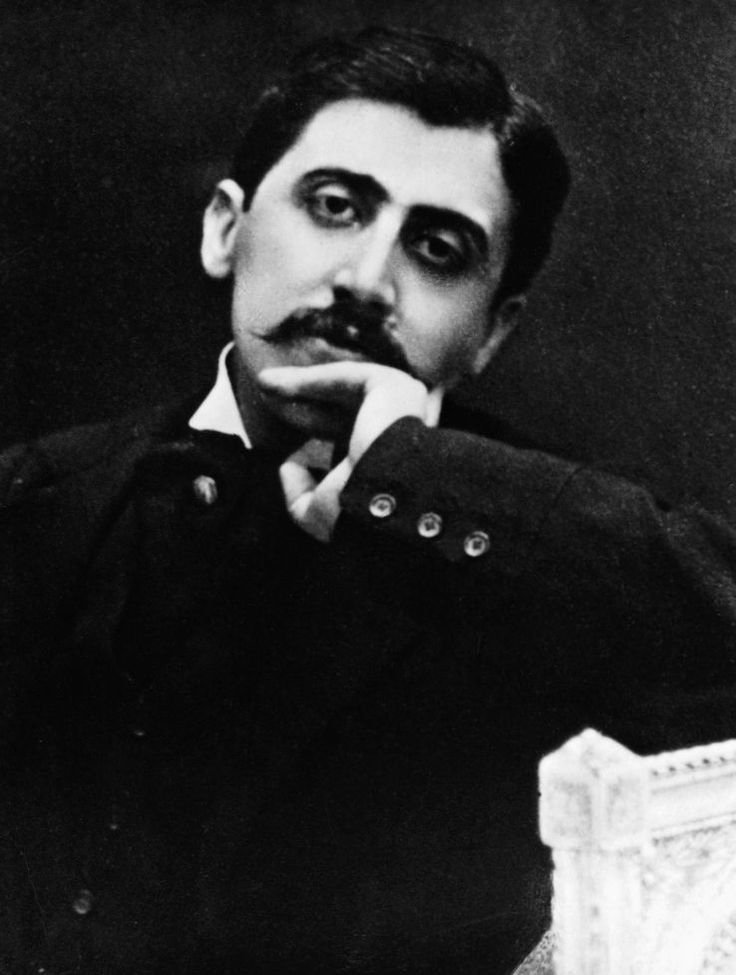
A docu-drama portrait of the early-20th-century French author Marcel Proust, based on Alain de Botton's updated analysis of his work as a modern-day self-help guide. Ralph Fiennes plays Proust, with Phyllida Law and Donald Sinden as his contemporaries, while commentators including de Botton, Louis de Bernières and Doris Lessing explain their enthusiasm for his work.
How Proust Can Change Your Life
2000 · 5 votes