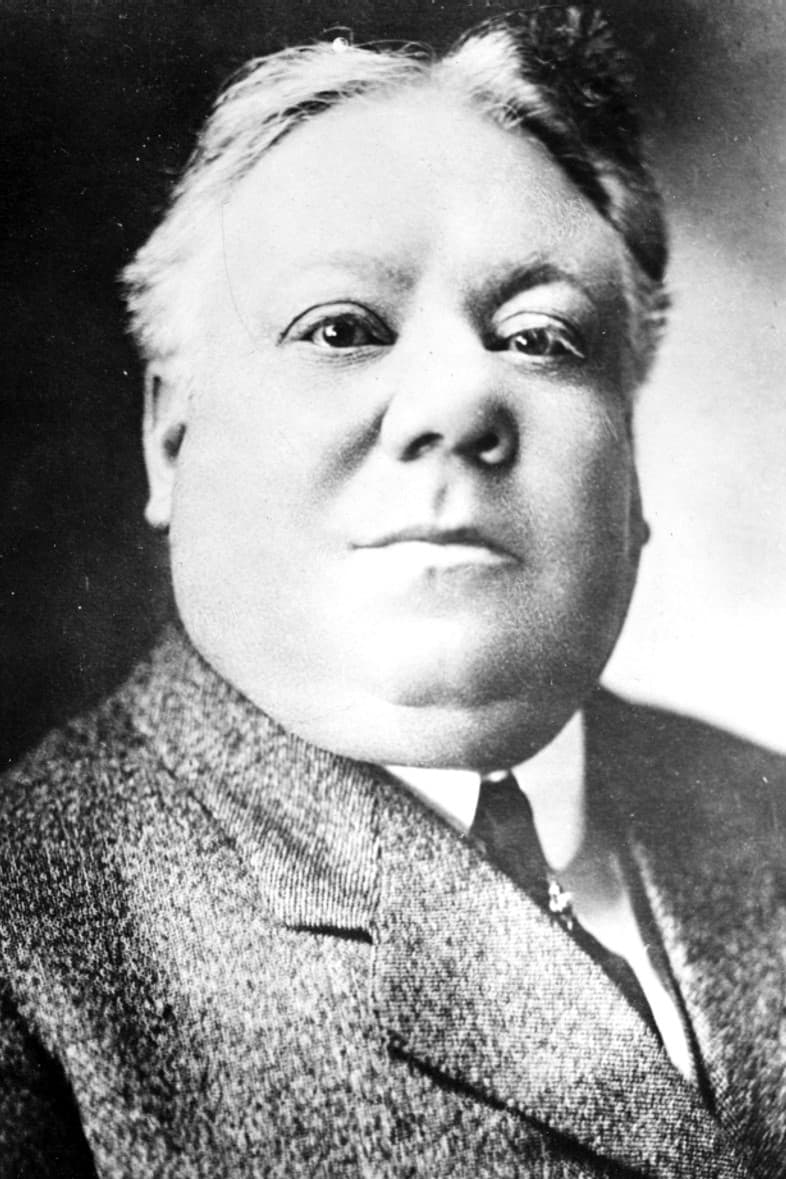
John Bunny
Oyuncu · 1863 – 1915 · New York City, New York, USA
John Bunny (September 21, 1863 – April 26, 1915) was an American actor. Bunny began his career as a stage actor, but transitioned to a film career after joining Vitagraph Studios around 1910. At Vitagraph, Bunny made over 150 short films – many of them domestic comedies with the comedian Flora Finch – and became one of the most well-known actors of his era.
Filmler24
 Film4.8Komedi
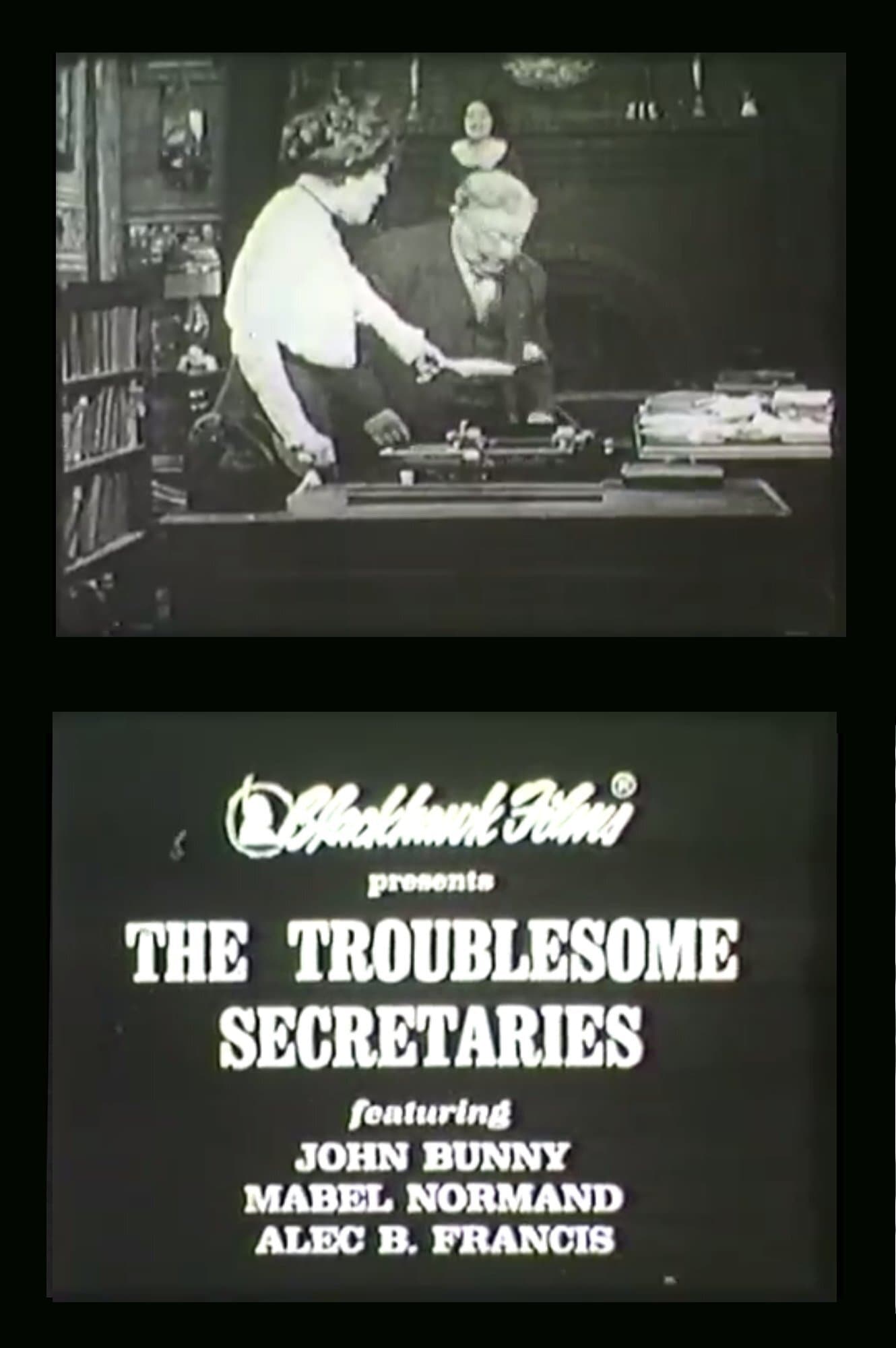
A frustrated, protective father tries to stop his secretaries from falling in love with his charming daughter, Betty. He hires two secretaries— only for them to be in on the practical jokes Betty plays on her father.
Troublesome Secretaries
1911 · 2 votes
- Film5.5
A silent comedy in which a sick young boy gets healthy after a regime of hard work, and does not complain that the housekeeper makes him work so hard.
Doctor Bridget
1912 · 2 votes
 Film5.0DramTarih
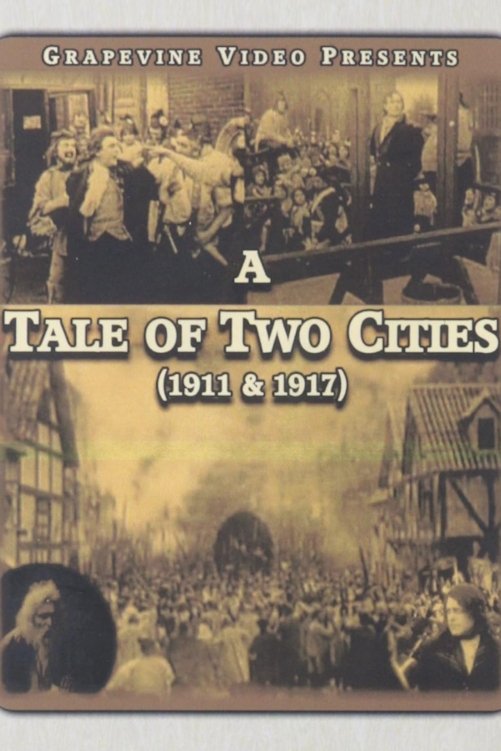
An early film version of the Charles Dickens classic about the French Revolution and its subsequent Reign of Terror.
A Tale of Two Cities
1911 · 2 votes
 Film6.7AnimasyonKomedi
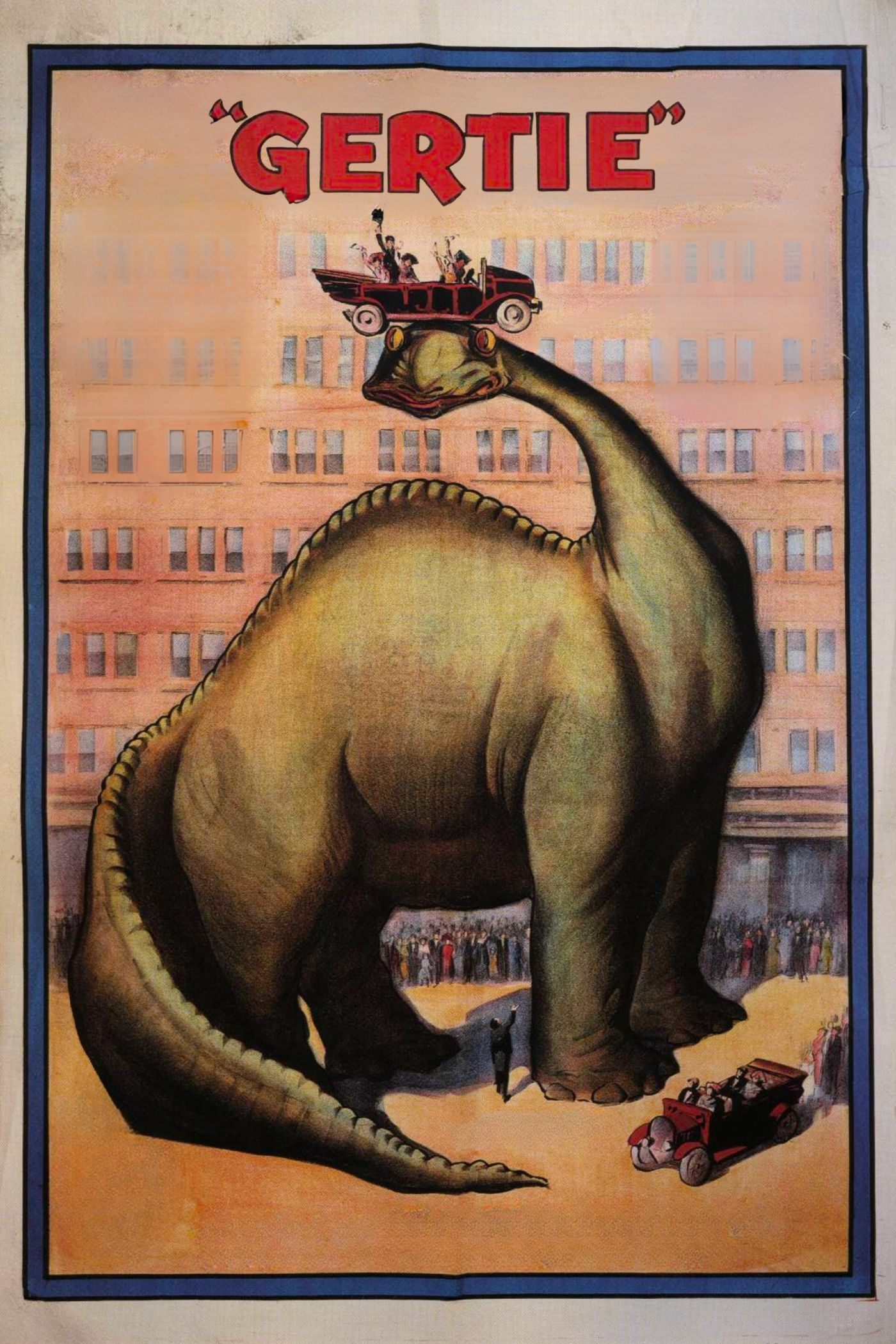
Although not the first feature-length animated film, as is sometimes thought, it was the first cartoon to feature a character with an appealing personality. The appearance of a true character distinguished it from earlier animated "trick films", such as those of Blackton and Cohl, and makes it the predecessor to later popular cartoons such as those by Walt Disney. The film was also the first to be created using keyframe animation.
Gertie the Dinosaur
1914 · 155 votes
 Film4.9Komedi
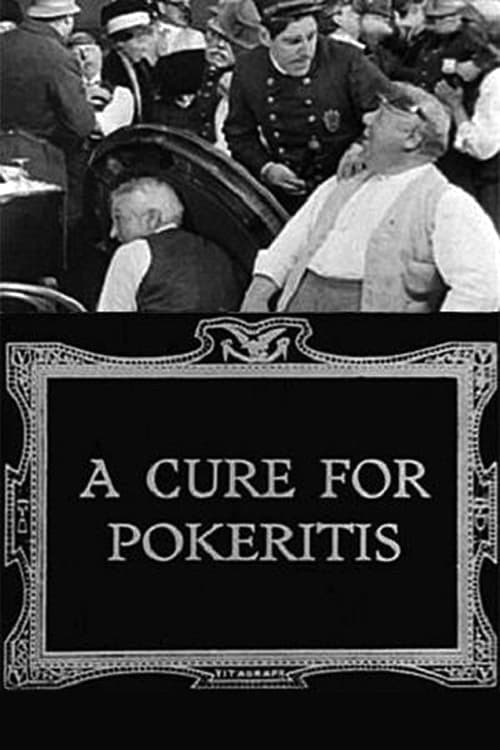
This domestic comedy depicts a woman who stops her husband's gambling habit by having her cousin stage a fake police raid on the weekly poker game.
A Cure for Pokeritis
1912 · 23 votes
 Film6.4AnimasyonKomedi
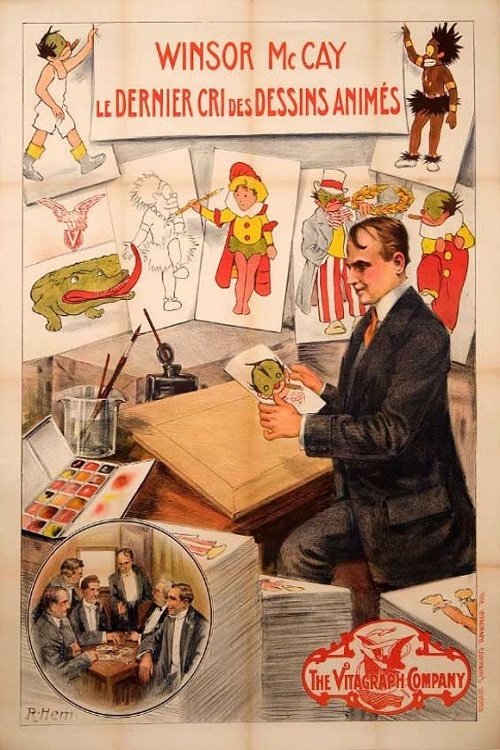
Cartoon figures announce, via comic strip balloons, that they will move - and move they do, in a wildly exaggerated style. Also known as "Winsor McCay, the Famous Cartoonist of the N.Y. Herald and His Moving Comics".
Little Nemo
1911 · 78 votes
 Film8.0TarihBelgesel
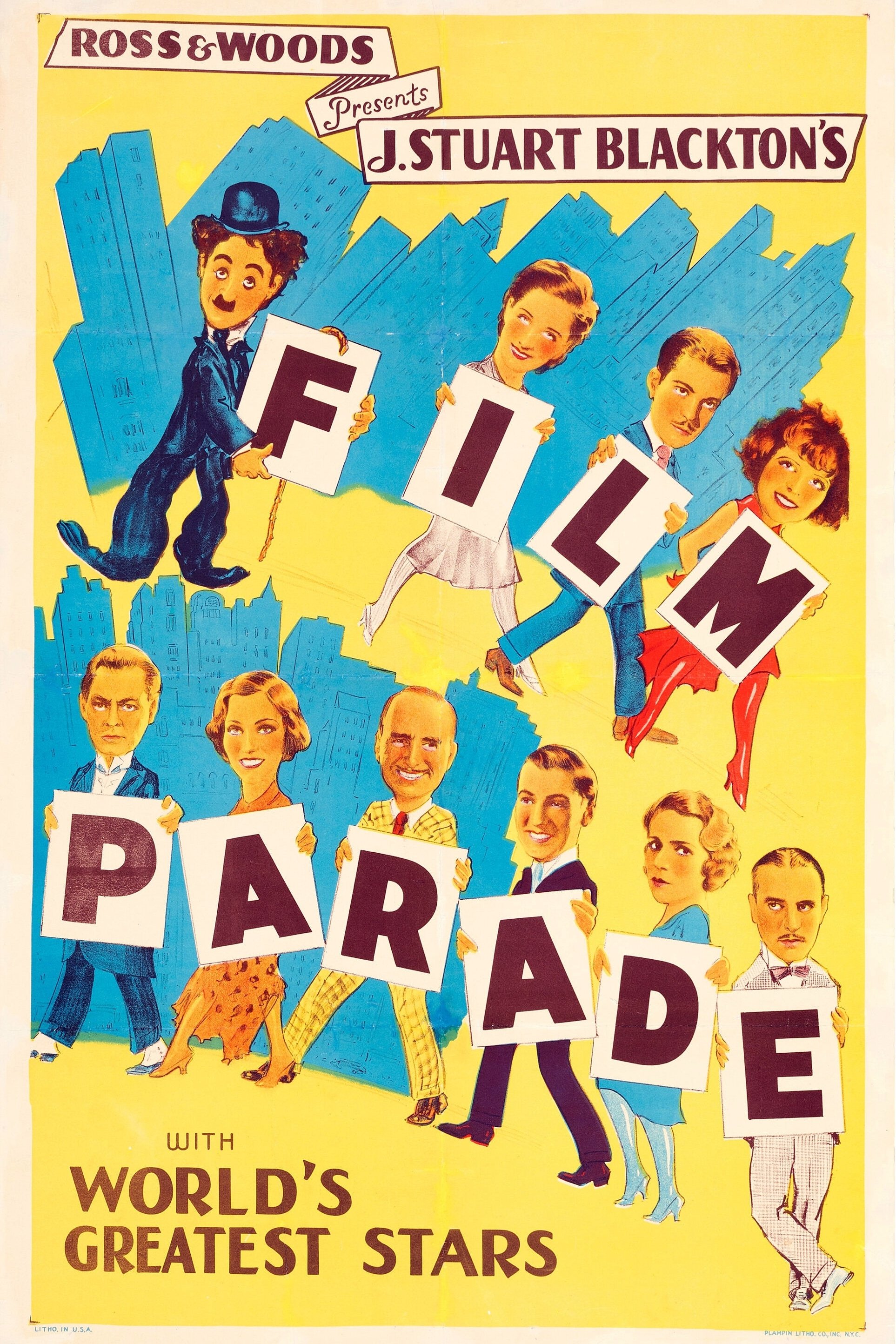
Pioneer filmmaker J. Stuart Blackton was intrigued by the idea of a film about the history of the movies as early as 1915. He finally released a 52-minute feature called The Film Parade that was shown in New York and favorably reviewed by "Variety" in 1933. He continued tinkering with the film for the rest of the decade, and later filmmakers and distributors used Blackton's footage for stock or to produce their own variously titled and truncated versions. -UCLA Film & Television Archive
The Film Parade
1933 · 1 votes
- FilmKomedi
No sooner have Jimmy and Mary, a newly-married couple, entered their new home when Jimmie receives a note from his wealthy uncle, announcing his intention of paying his nephew and heir a visit that evening.
The Honeymooners
1914
 Film10.0KomediWestern
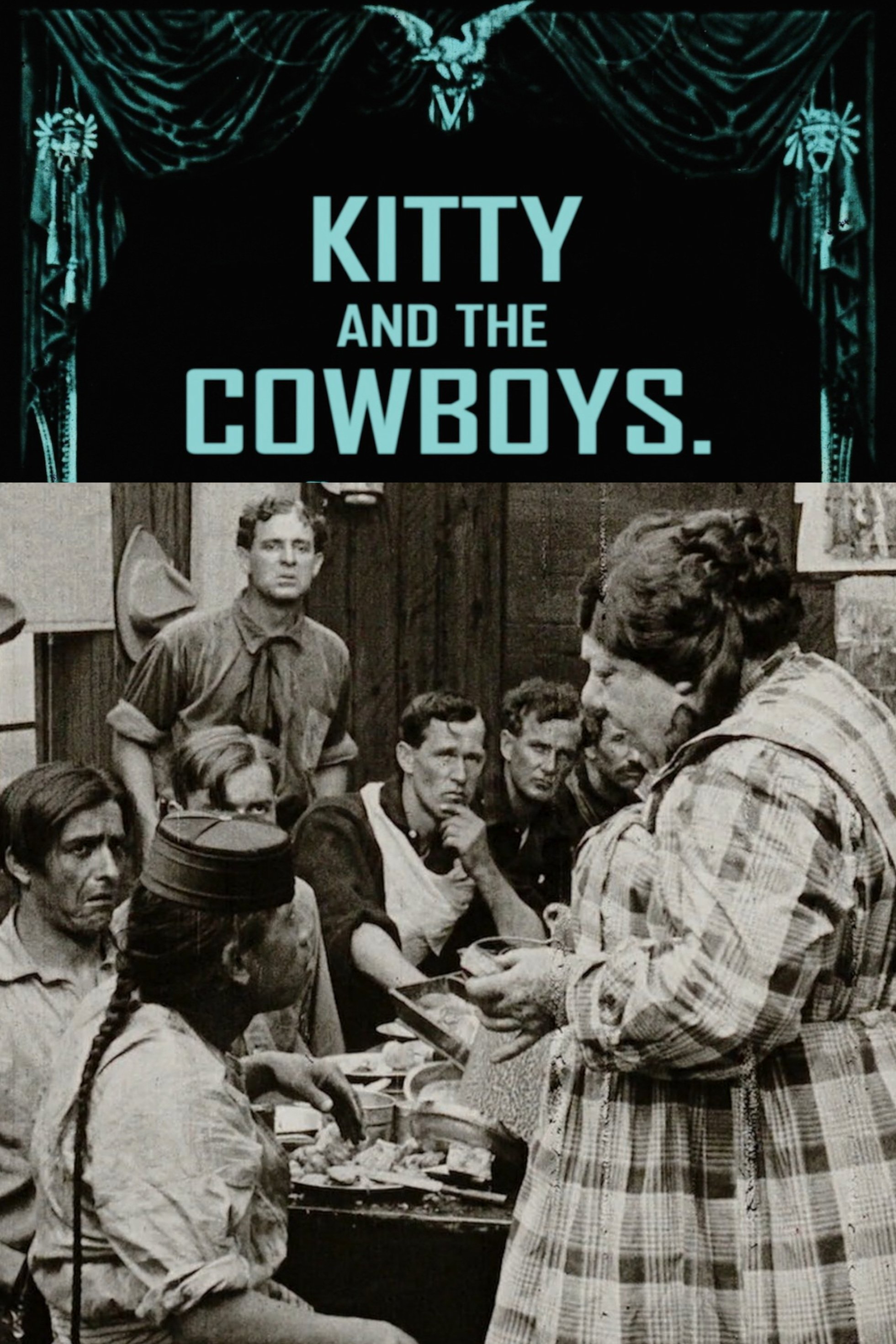
Fatty comes up with a plan to prank his cowboy buddies. He announces that his sister Kitty is coming to visit, but it's not at all what his friends expected.
Kitty and the Cowboys
1911 · 1 votes
 Film6.5Komedi
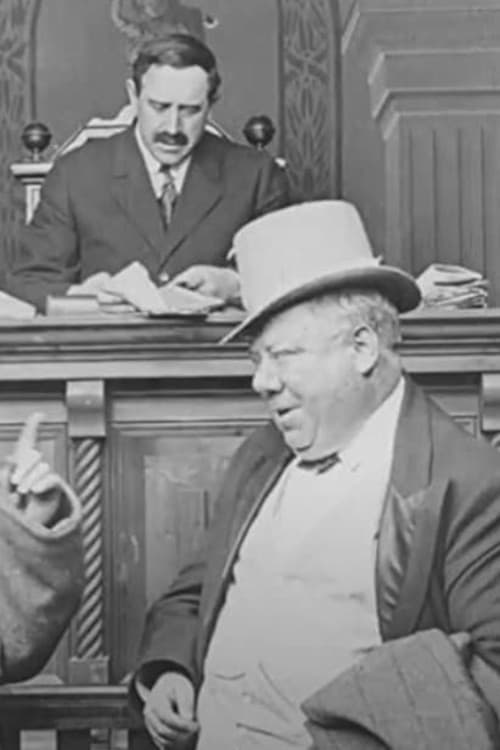
Mr. Bolten is hoping to woo the dancer Céleste and invites her for coffee. Her answer is that she will wait for him in hotel "Des imbeciles' in New York. He obviously cannot find the hotel, and to make matters worse he is robbed by a pickpocket. As a consequence he cannot pay his restaurant bill and is arrested. Luckily for him, a friend pays his bill so he can return home. There he picks up a dictionary and sees what "imbécile" means.
Mr. Bolter's Infatuation
1912 · 2 votes
 FilmKomedi
Harry Burton's sister and her husband are suddenly called away for a few days on business and telegraph him to come to their home and take care of their two little boys, "Toddie and Budge." He at once complies, and is soon with the children, assuming his duties as "governor." Helen Manton, stopping in the same town, thinks a great deal of Harry Burton, and naturally he of her.
 Film7.0Belgesel
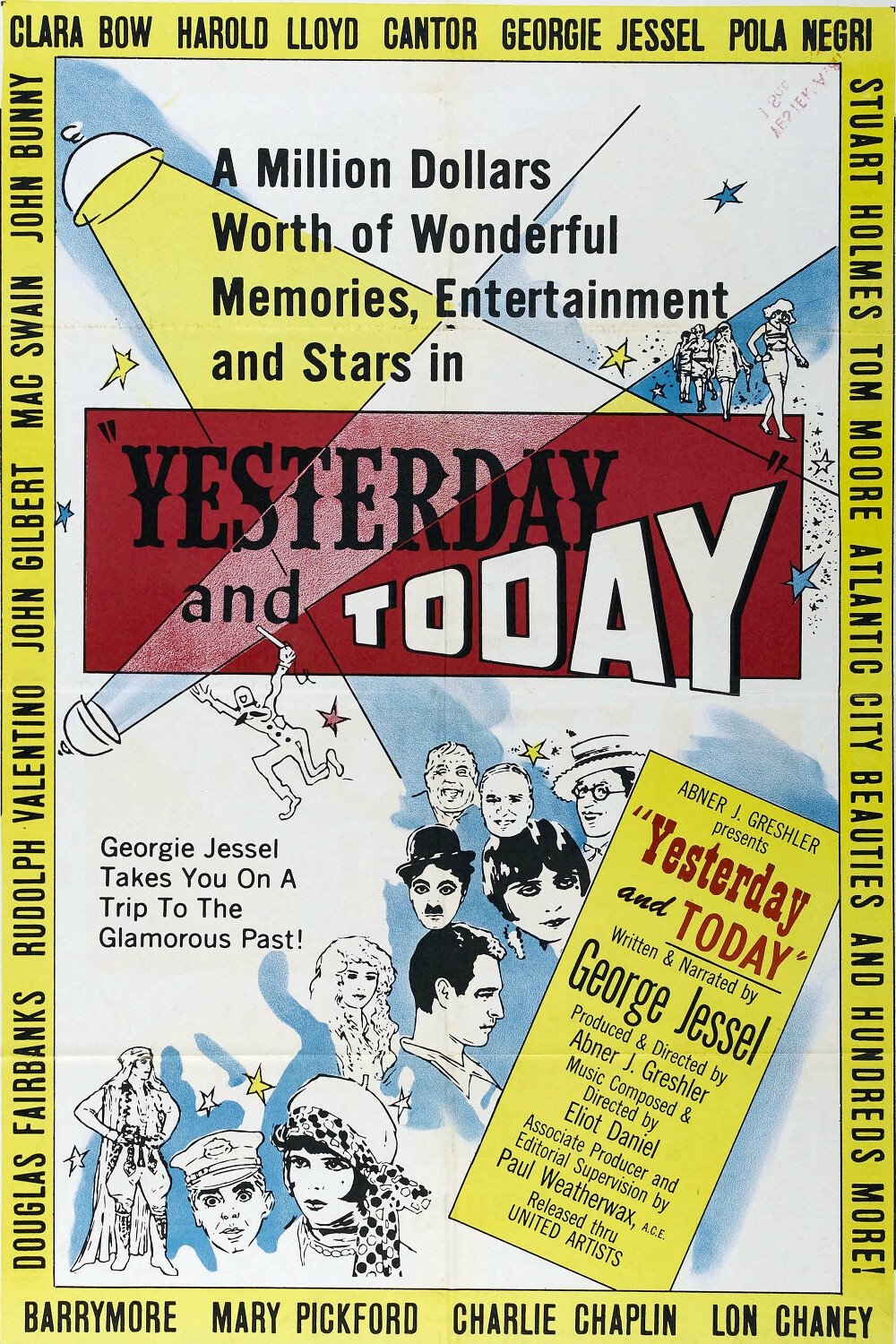
A compilation of early-day silent films that serves as a glimpse back to the formative days of the movie industry as a salute to Hollywood's Golden Year, so proclaimed by the Hollywood Chamber of Commerce as 1953.
Yesterday and Today
1953 · 1 votes
- Film4.0Komedi
A widower with four grown daughters remarries and brings his new wife home to meet them. The girls set out to make life as difficult as possible for their new mother.
The Troublesome Step-Daughters
1912 · 1 votes
- Film
A coster takes a girl to Epsom and saves a pony trap from theft.
 FilmKomedi
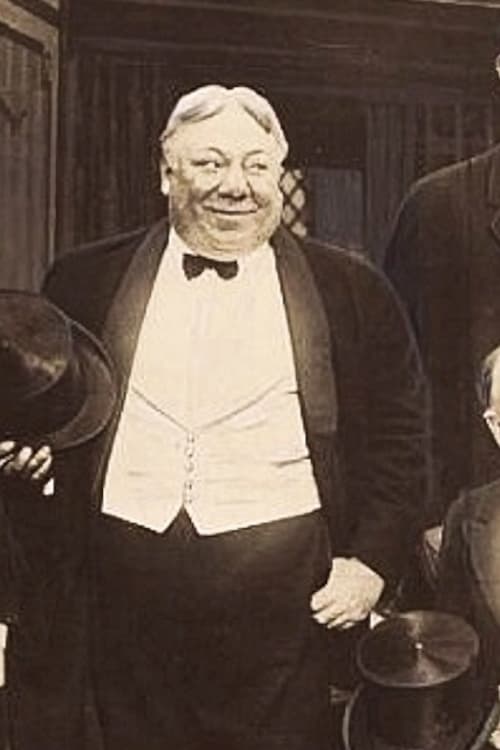
Bunny and Marsh attend a show and both fall in love with a charming danseuse.
Chumps
1912
- Film4.3Komedi
The lost 3rd part of the film The Pickwick Papers, directed by Laurence Trimble, appeared in 1913. This silent three-reel adaptation of Charles Dickens's first novel starred the American comedian John Bunny, who was very popular in his day but is now almost completely forgotten, and was filmed mainly on location in England.
The Adventure of the Shooting Party
1913 · 3 votes
- Film10.0Komedi
Norman Winthrop, a surveyor, accidentally meets John Bunny, an Irish watchman of a building. He introduces him to Tom and Will Hawley, two of his friends, at a little poker game in which Bunny pockets all the winnings. Talking over the matter the next day, the three men agree that it would be a great joke to introduce Bunny into society.
Bunny and the Bunny Hug
1913 · 1 votes
- Film7.0
A woman in a crowded trolley car accidentally puts a locket with her picture in it into a man's pocket; when the man gets home, his suspicious wife finds it.
The Locket; or, When She Was Twenty
1913 · 1 votes
 Film7.0Komedi
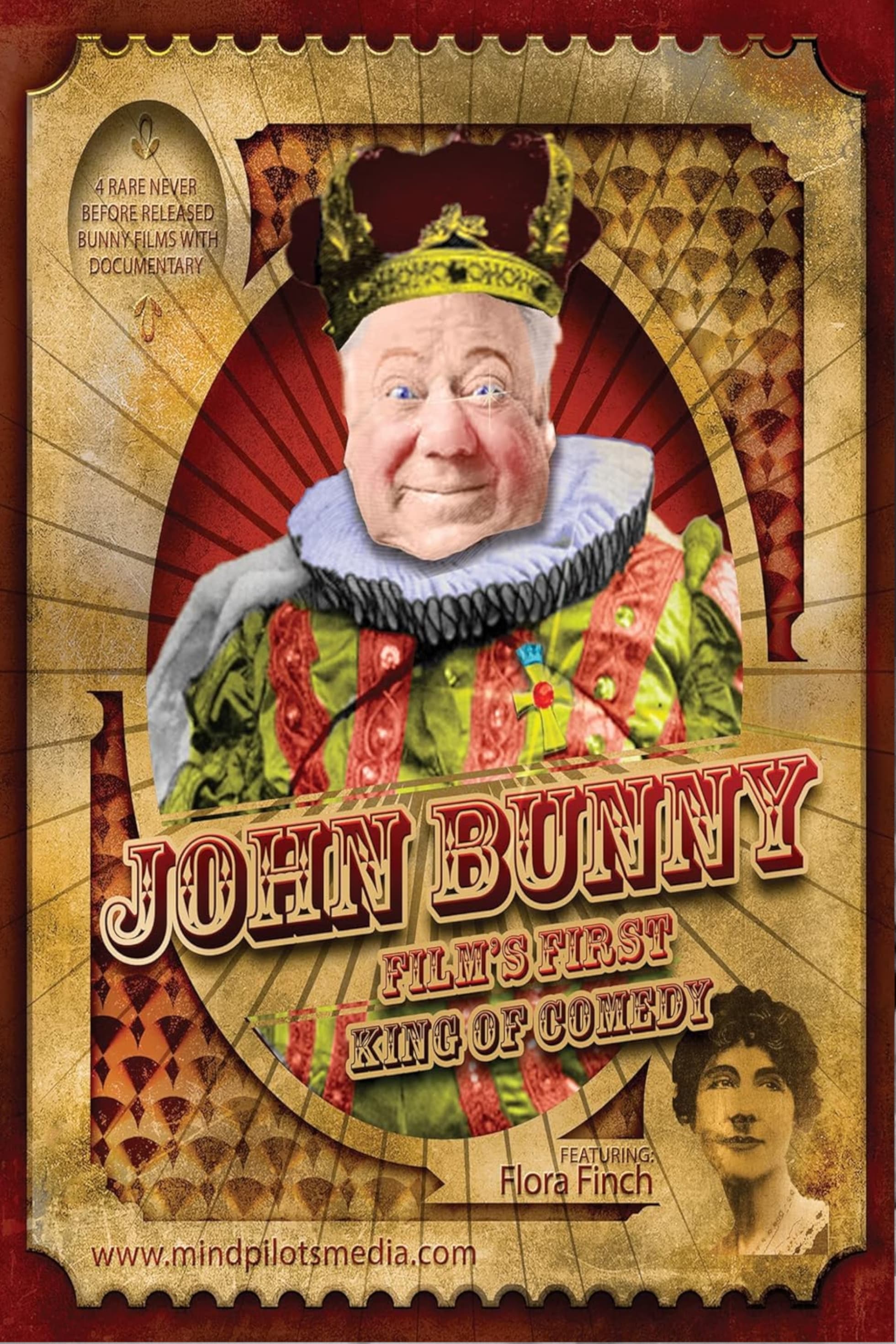
LOST FILM. A comedy in which Johan has no desire to meet the unmarried Sarah, and so has his friend Freddy pretend that he is Johan.
Mr. Bunny in Disguise
1914 · 2 votes
- Film7.0Komedi
Two vaudeville performers, Steve Jenks and Stella Triplight, receive urgent bookings in different towns but find themselves with each other's trunks due to a mix-up by a baggage agent. To perform, they improvise by wearing the wrong clothes – Steve in Stella's dresses and Stella in Steve's suits – and unexpectedly become huge hits, leading them to team up, share their wardrobe, and find romance after discovering their shared success and loneliness.
A Change in Baggage Checks
1914 · 1 votes
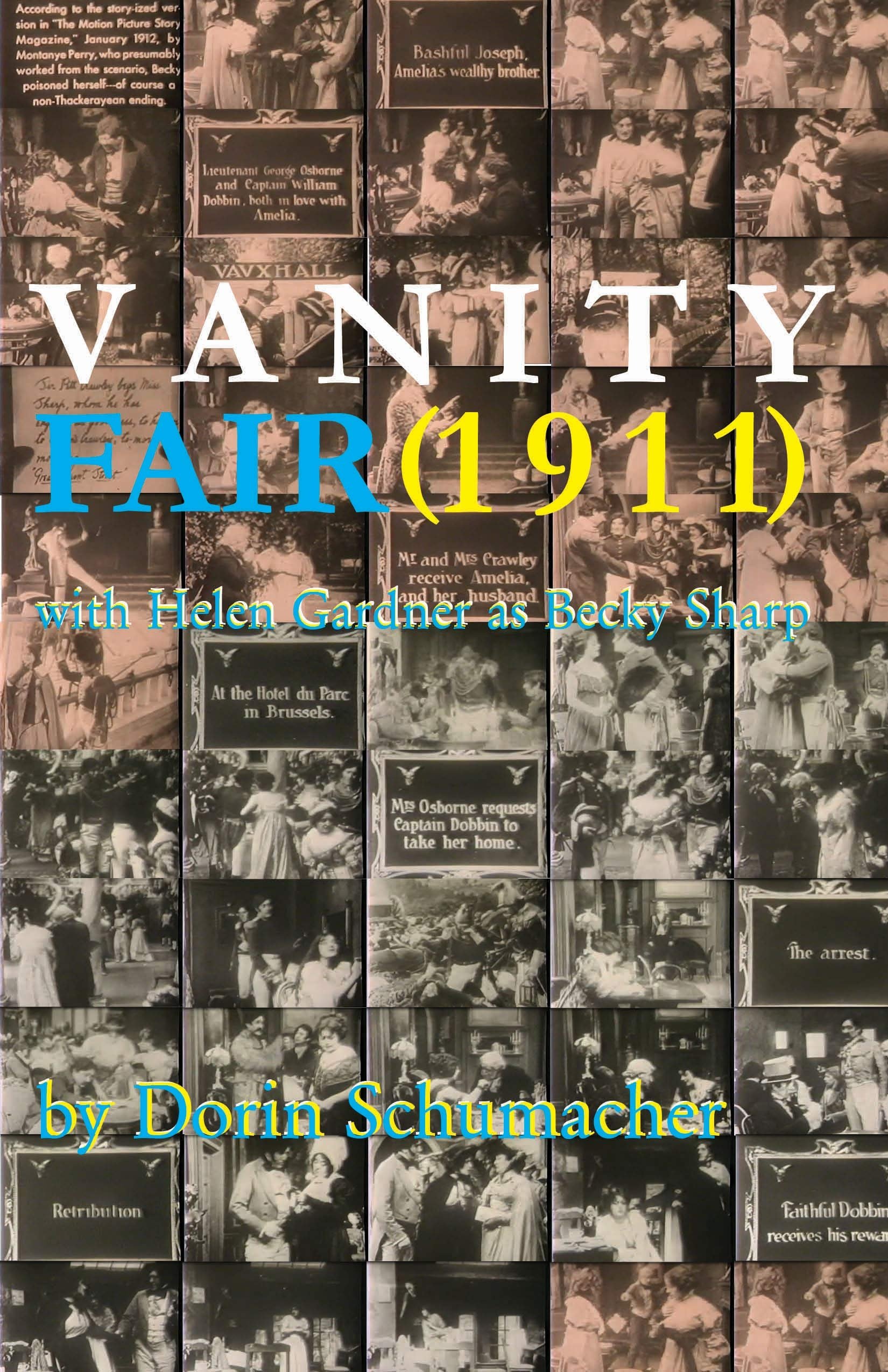 Film9.5Dram
In early 19th century England, ambitious and ruthless orphan Rebecca Sharp advances from the position of governess to the heights of British society.
Vanity Fair
1911 · 2 votes
- FilmKomedi
Mrs. Nag objects to her husband having a pretty female stenographer in his office, and orders him to employ one of his own sex. So Miss Prue, the good-looking stenographer to whom Mrs. Nag objects, dresses in man's attire. On her way to business one morning she sends a bouquet of flowers to Mrs. Nag, with the inscription, "Compliments of an ardent admirer." Miss Prue apprises her boss of her deed, and when Mrs. Nag arrives at his office, he accuses her of having another admirer. Miss Prue is victorious and when we see her in the last scene she is her own admirable self once more, seated before the typewriter in Mr. Nag's office, with every prospect of being an uninterrupted and permanent employee. Mild and docile, Mrs. Nag modestly enters the office, but offers no objections or interruptions, submissively waiting for her husband to escort her home.
- Film5.0Komedi
On his trip to Europe, Bunny is very much disturbed because he fails to make his usual impression with the ladies. He notices that the captain of the steamer is the real thing with the fair sex and decides it is the uniform that attracts them and that it is the only thing lacking to make him as popular in their estimation as the commander of the ship.
Bunny All at Sea
1912 · 1 votes
- Film9.0Komedi
A wife attempts to cure her husband Binks's addiction to alcohol by bringing the Misses Simms, identical twin sisters, to her home as part of a scheme.
Seeing Double
1913 · 1 votes