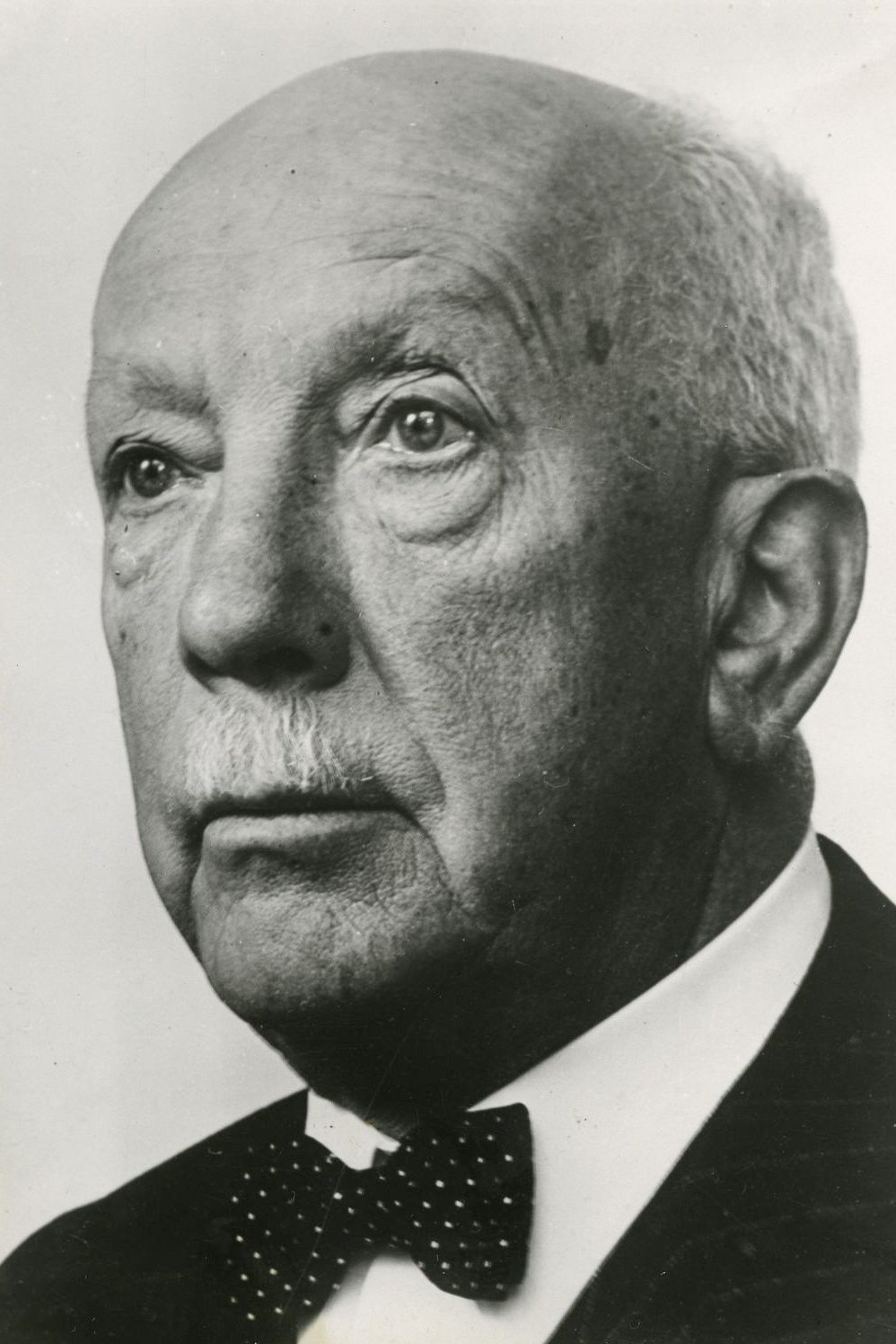
Richard Strauss
Ses · 1864 – 1949 · Munich, Bavaria, Germany
Richard Georg Strauss was a leading German composer of the late Romantic and early modern eras. He is known for his operas, which include Der Rosenkavalier and Salome; his lieder, especially his Four Last Songs; and his tone poems and other orchestral works, such as Death and Transfiguration, Till Eulenspiegel's Merry Pranks, Also sprach Zarathustra, An Alpine Symphony, and Metamorphosen. Strauss was also a prominent conductor throughout Germany and Austria.
Filmler5
 Film9.0Belgesel
Documentary about sixteen great conductors of the 20th century.
The Art of Conducting: Great Conductors of the Past
1993 · 2 votes
 FilmBelgesel
 FilmBelgesel
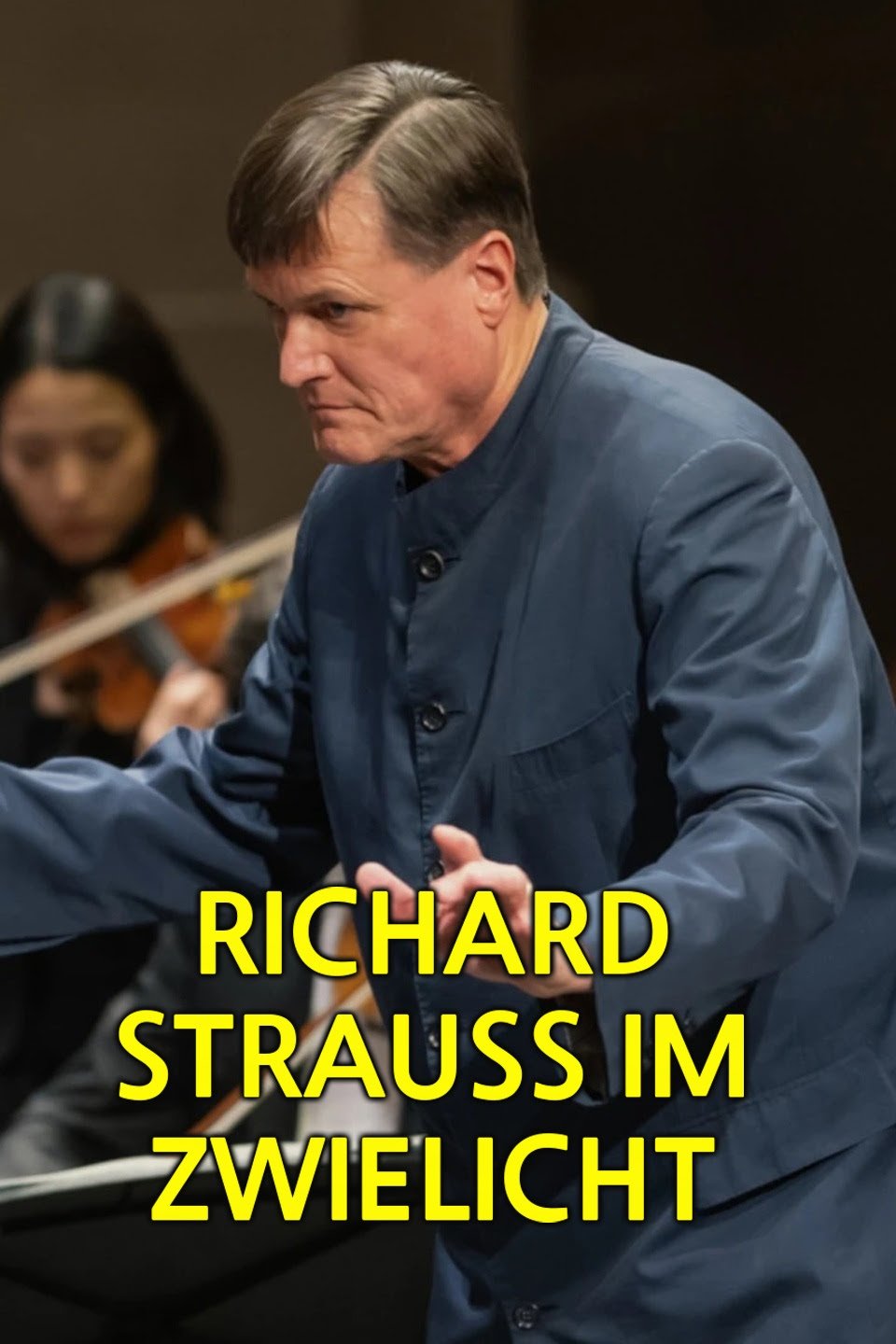
The composer Richard Strauss (1864-1949) is still a shining light today. But behind his radiant aura lies a dark shadow. His life was full of contradictions. During the "Third Reich", he was president of the Reich Chamber of Music and at the same time protector of the Jewish part of his family. Who was this Richard Strauss?
 Film9.0MüzikDram
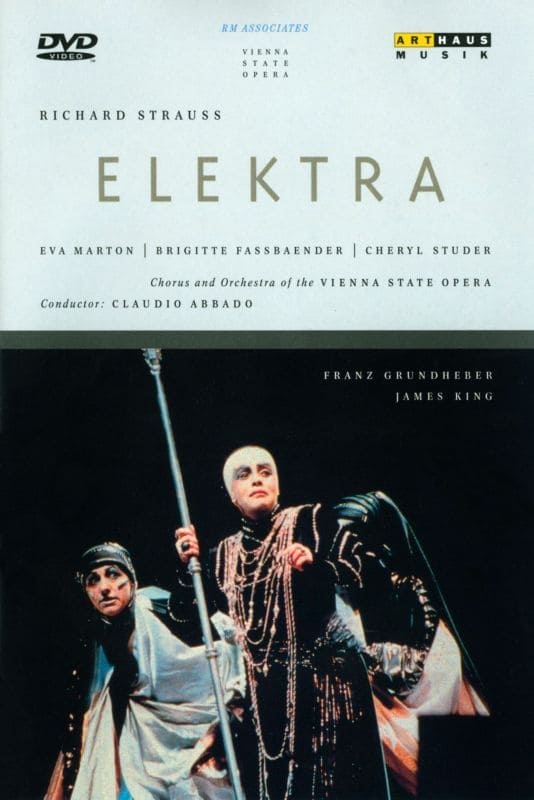
Recorded at the Vienna State Opera house in 1989, this staging of Richard Strauss and Hugo von Hofmannsthal’s Elektra is one of the glories of live opera on film, deserving of eternal availability. The DVD picture has great clarity, despite the darkness of Hans Schavernoch’s set design. Other than the cliché of a huge statue head, toppled on its side, the set manages to be suitably representative of a decaying palace as well as an imposing, theatrical space, dominated by the mammoth body of the statue from which the head apparently dropped, draped with the ropes that seem to have enabled the decapitation. Sooner or later most of the characters cling to and twist around those ropes, an apt stage metaphor for the remorseless repercussions from the murder of Agammenon by his unfaithful wife Klytämnestra and her paramour, Aegisthus. Reinhard Heinrich’s costumes capture a distant era while sustaining a creepily modern look — part Goth, part homeless, part Spa-wear.
Elektra
1989 · 1 votes
- FilmBelgeselMüzik
Diziler1
 Dizi7.2Belgesel
Omnibus was an arts-based BBC television documentary series, broadcast mainly on BBC1 in the United Kingdom. The programme was the successor to the long-running arts-based series 'Monitor'. It ran from 1967 until 2003, usually being transmitted on Sunday evenings. During its 35-year history, the programme won 12 Bafta awards. Among the series' best remembered documentaries are Cracked Actor, a profile of David Bowie, and Rene Magritte, a graduate film by David Wheatley, 'Madonna: Behind the American dream', a film produced by Nadia Hagger, and a profile of the British film director Ridley Scott. For a season in 1982, the series was in a magazine format presented by Barry Norman. The series was replaced by 'Imagine' hosted by Alan Yentob.
Omnibus
1967 · 9 votes