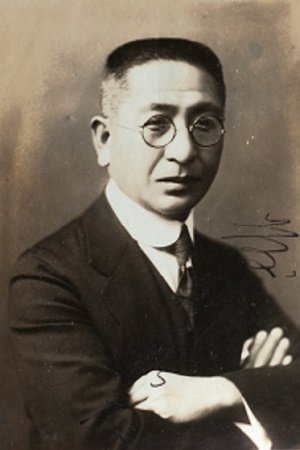
Hideo Fujino
Oyuncu · 1878 – 1956 · Tokyo, Japan
Filmler23
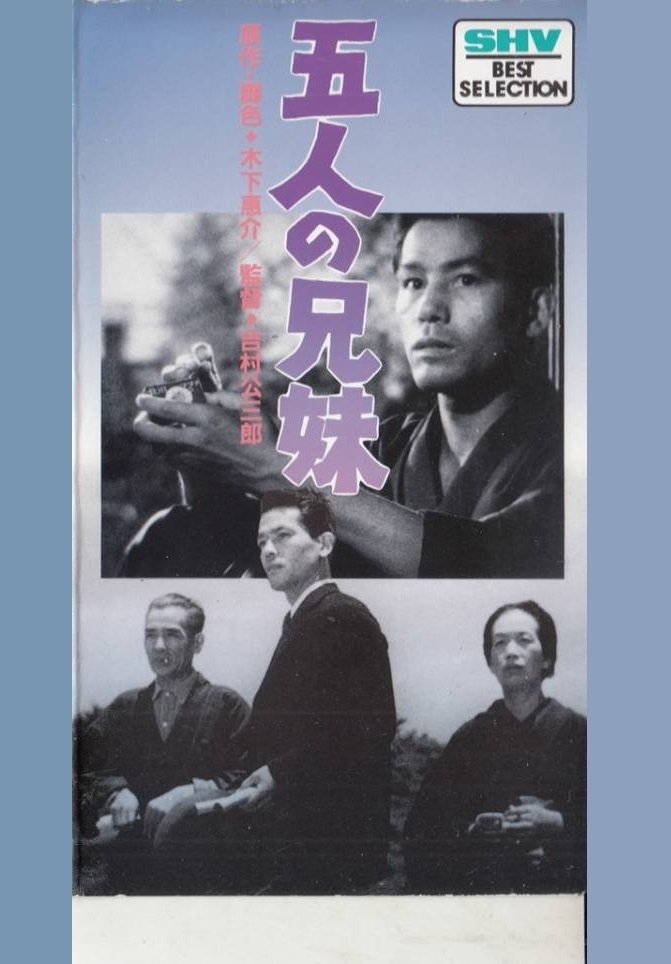 Film8.0
A businessman runs afoul of the law and commits suicide, leaving behind a wife and five children. The eldest son takes the family to Tokyo and labors to restore its name and fortune
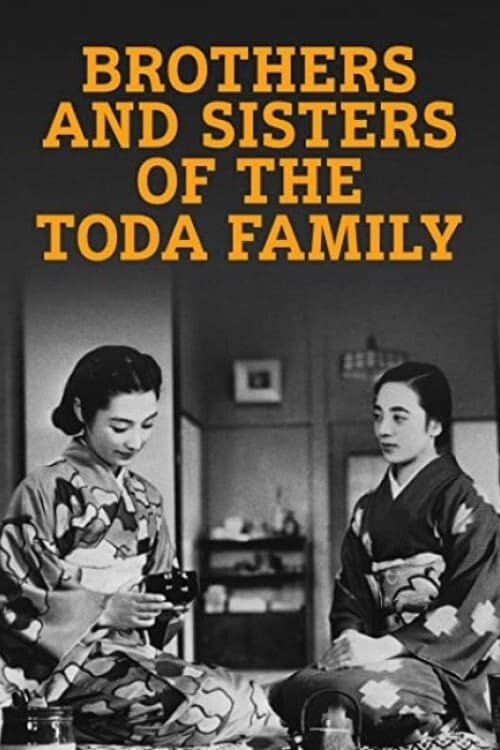 Film6.9Dram
After the death of her husband, an elderly woman and her youngest, unmarried daughter are forced to sell their house to cover his debts and decide to move in with one of the former's children, each of whom is scarcely happy to accommodate.
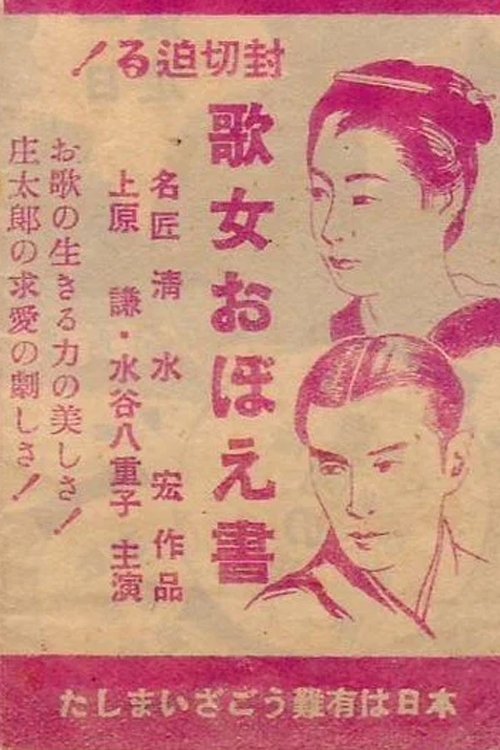 Film7.4Dram
Uta’s mother died when she was six years old; her father she never met. She was forced to adopt a traveller’s life when her grandmother died, and now she is a dancer and part of a family of actors who travel from town to town, setting up street performances. A way of escape from this marginal existence arises when she gets the chance to move to tea merchant Hiramatsu’s place, where she is asked to teach his daughter to dance.
 Film7.0
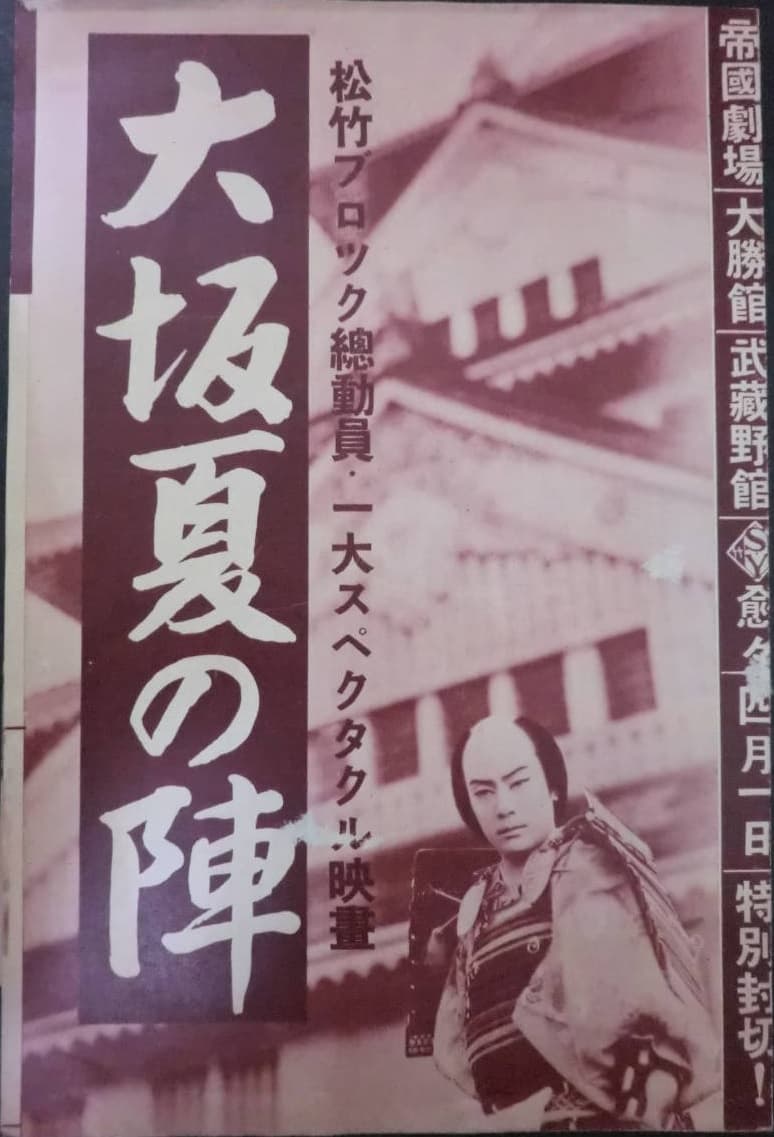
The Siege of Osaka
 Film6.7
Japanese silent film directed by Yasujirô Shimazu, originally released as a two-part movie on December 11, 1931.
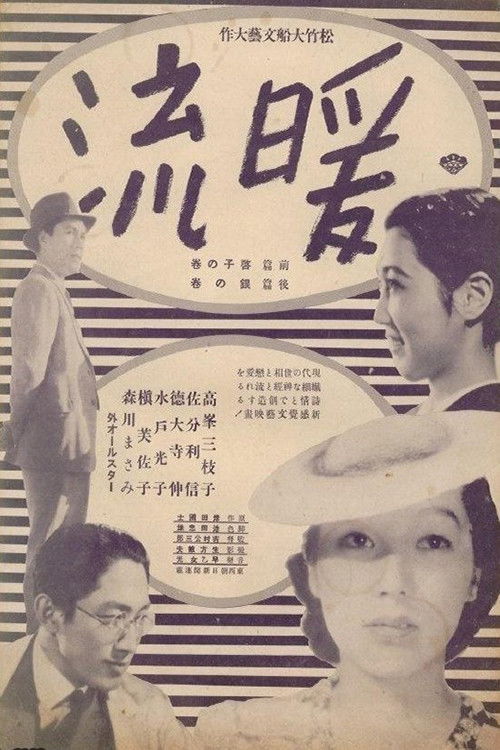 Film5.2Dram
Adaptation of Kishida Kunio's novel. Set against the backdrop of a power struggle within a hospital, depicts the love lives of the director's daughter, the administrative director, a doctor, and a nurse.
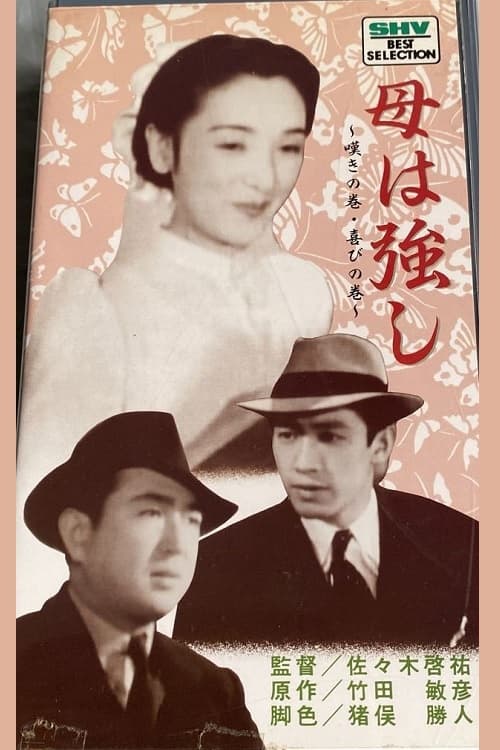 Film
Film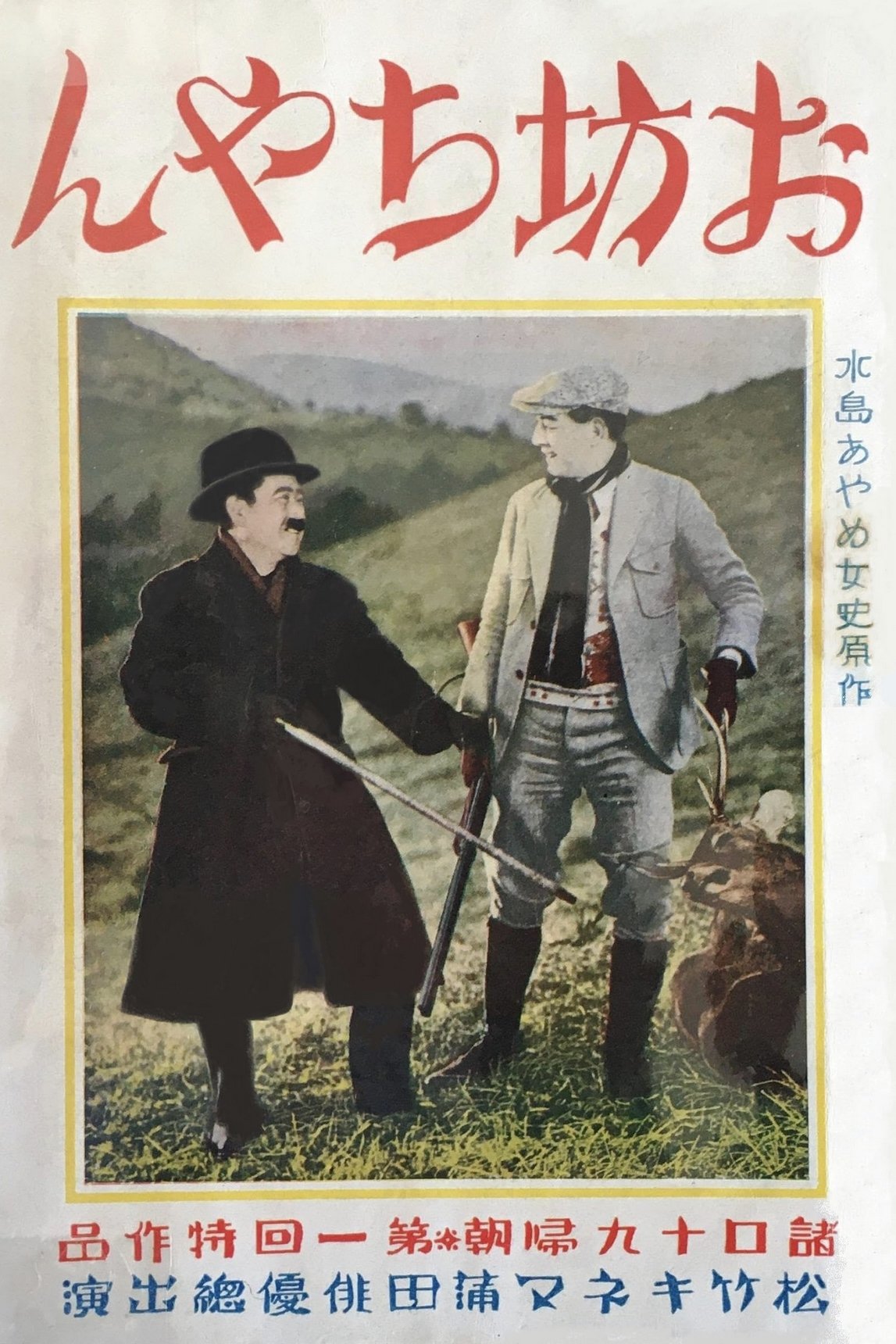 Film
FilmJapanese silent film from 1926. (Obo-chan meaning "Young Master.") Written by Ayame Mizushima, the first female screenwriter in Japan.
- Film
Directed by Eizo Tanaka. Only 8 minutes of film is known to have survived.
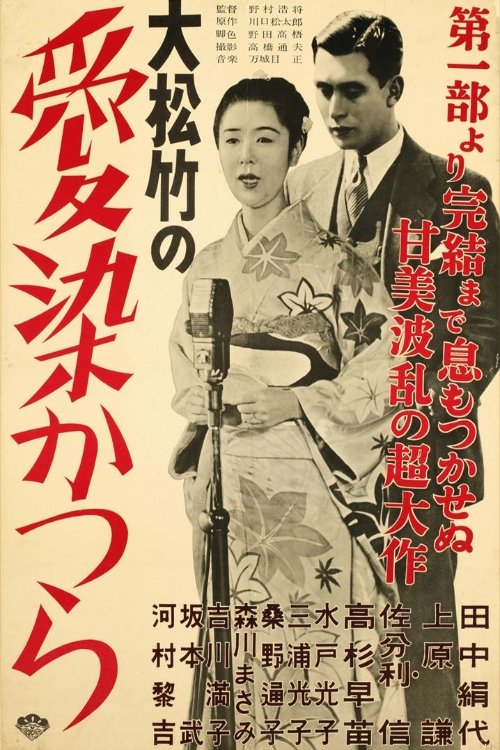 Film7.0RomantikDram
A young doctor, Kozo Tsumura, falls for young nurse Katsue Takaishi. But she's got a secret: she's a widow with a son. Kozo and Katsue decide to run away to Kyoto, but her child suddenly became sick and she just missed the train and Kozo. She makes it to Kyoto finally, but is unable to meet him. Plus she isn't accepted into Kyoto society. She goes back to her hometown and tries to forget him. She quits the hospital to concentrate on her singing. She makes her professional debut with the hit "Aizen Katsura". Kozo is in the audience.
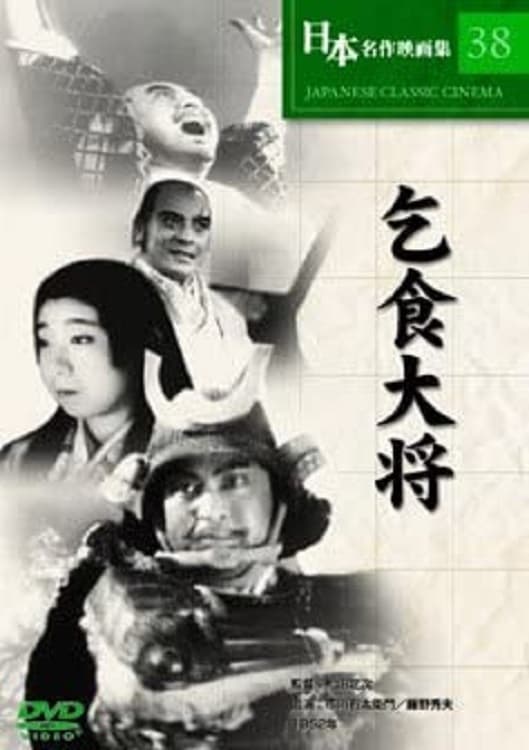 Film10.0TarihDram
Gotō Matabei is the most able and fierce samurai of the Kuroda clan. However, he gradually dislikes the ruthless personality of Kuroda Nagamasa and leaves the clan. Seven years later, he joins Toyotomi Hideyori's army. Filmed in 1945 and released in 1952.
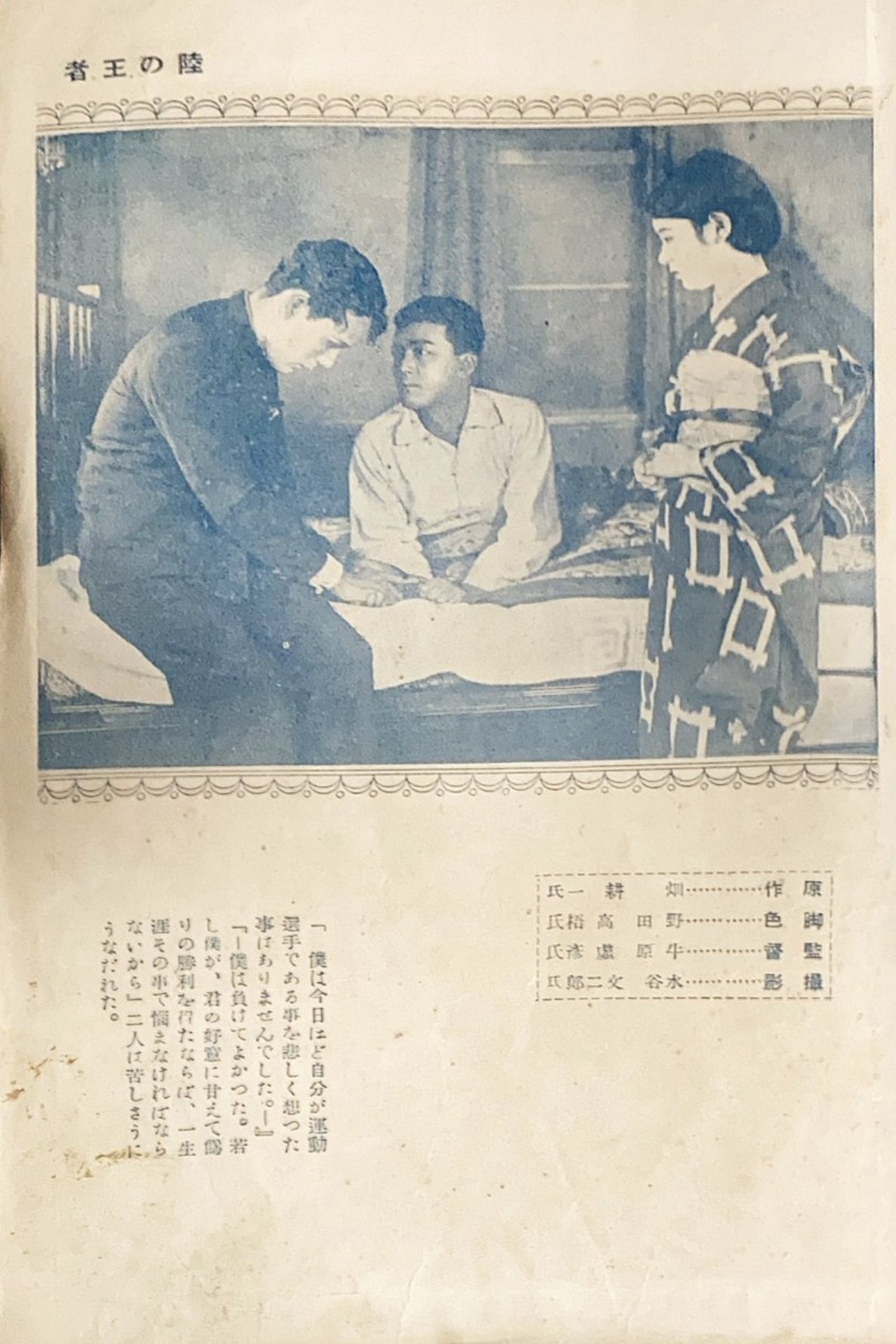 FilmDram
Japanese silent film from 1928, ranked as Kinema Junpo's second-best Japanese movie of the year.
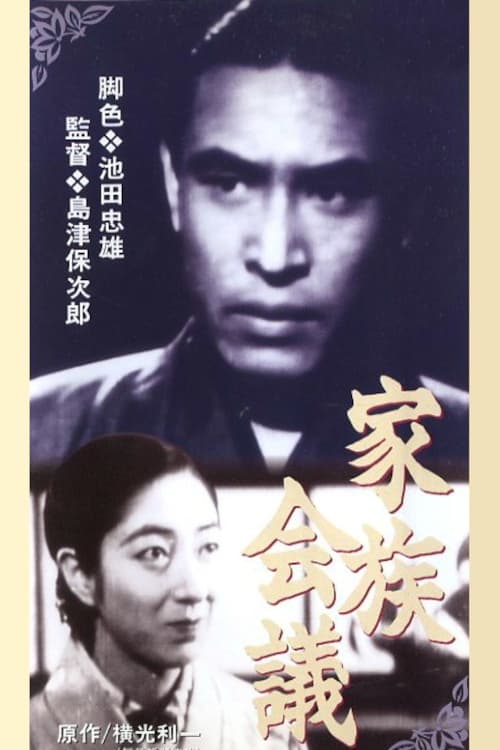 FilmDram
A melodrama about a businessman's relations with the three women in his life.
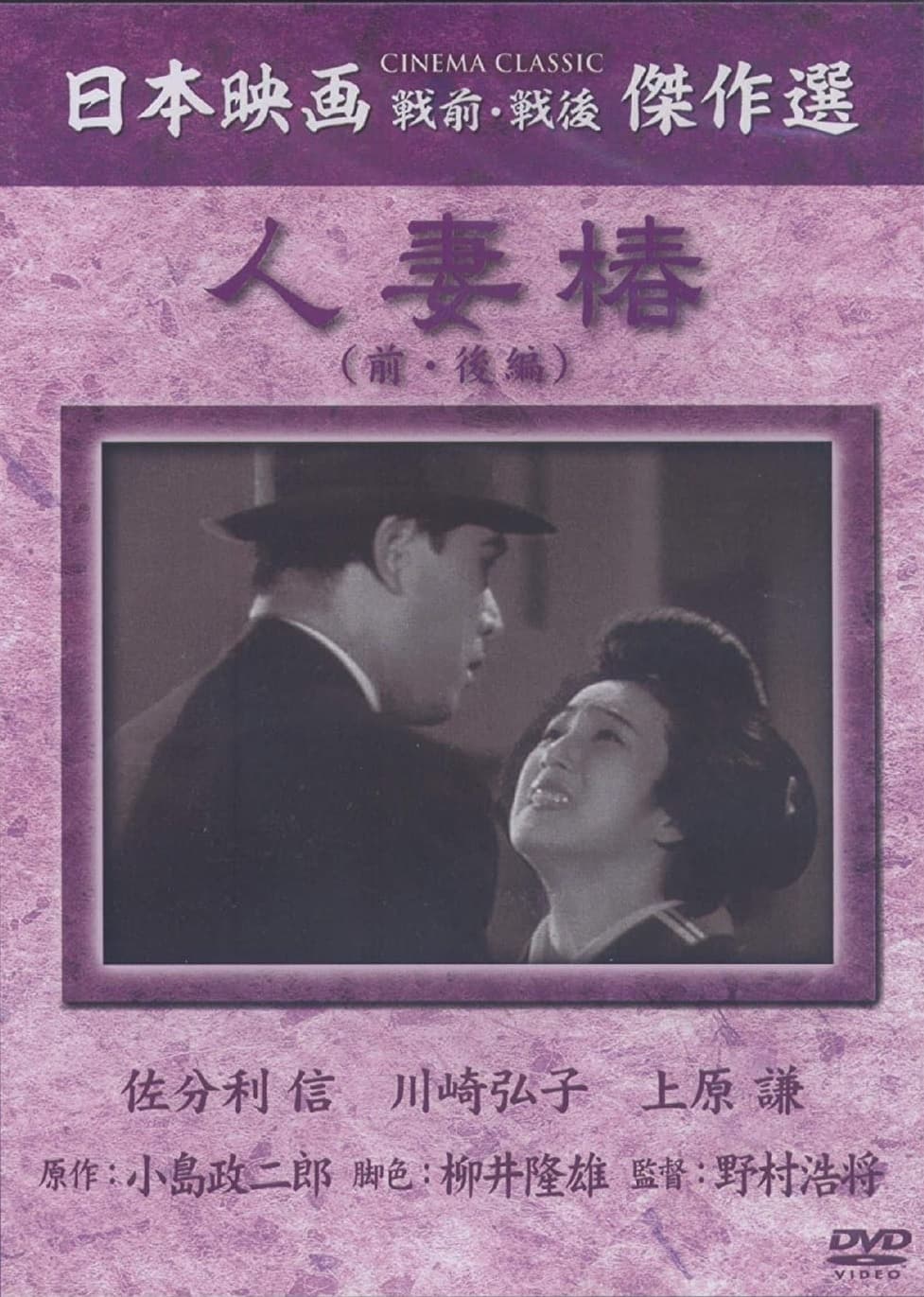 Film7.0
The narrative is about a woman who faces hard times, when her husband is arrested for a crime committed by his boss. The woman also has a child to look after, and they end up meeting several colorful personalities.
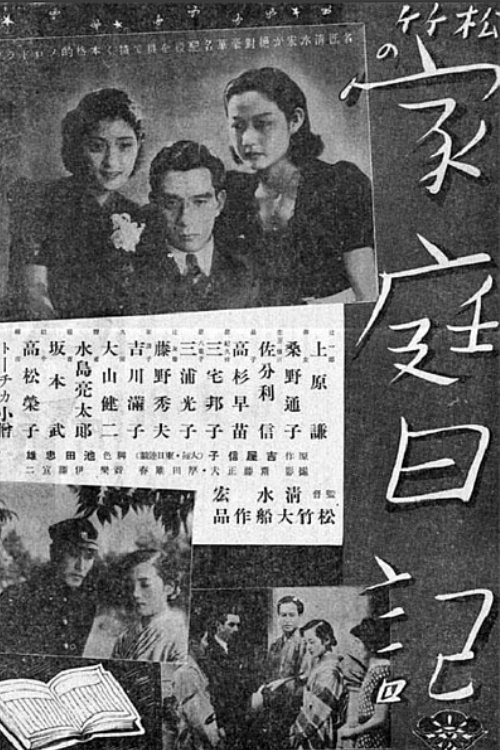 Film5.7Dram
Two childhood friends go their own ways but meet again some years later after they have both married. They get re-acquainted, meet each others’ families, and all is well. Then the disagreements start...
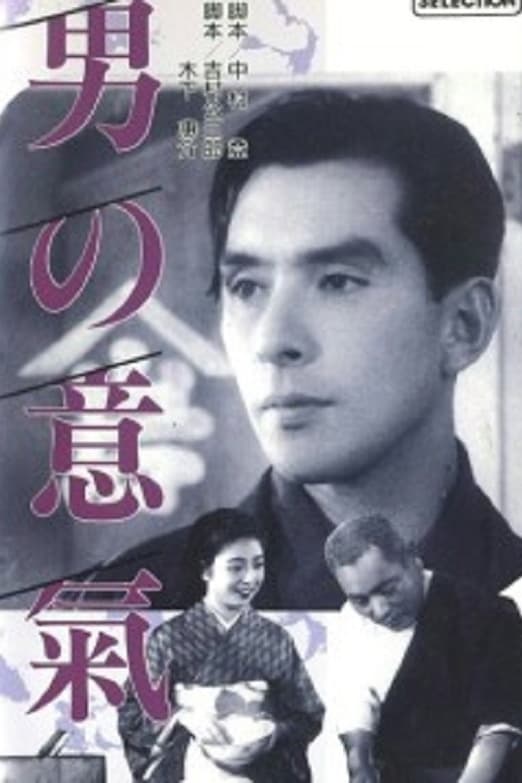 Film
FilmThis was 1942, so it was a national policy film, no matter what you call it. But when the war was still on the winning side, there wasn't even a little bit of sadness in the film (as the war was getting worse and worse, the burdens on our backs were increasing day by day, and we had to keep forming a line for tomorrow with nowhere to go (Akira Kurosawa's "The Most Beautiful", Admiral Nomura's "Enemy Air Raid", etc.) (Song of Annihilation, directed by Sasaki Yasushi). The film closes with the hope of the blue cloud that is bubbling up in the air. Or it may be the last time that a Japanese film talks about war and looks at the end of the war with an unconcerned eye.
Otoko no iki
1942
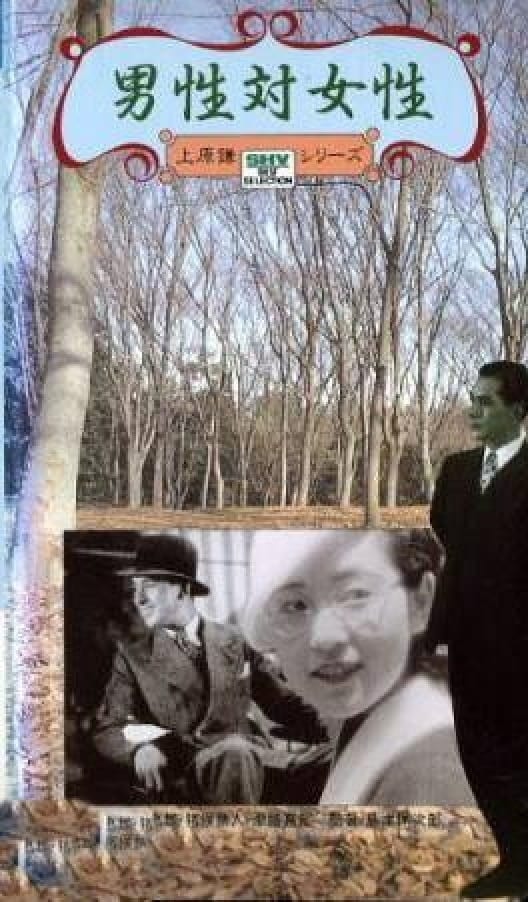 Film7.0KomediMüzik
Three couples connected to rival business and theatrical families navigate complicated romances, workplace disputes, and family opposition.
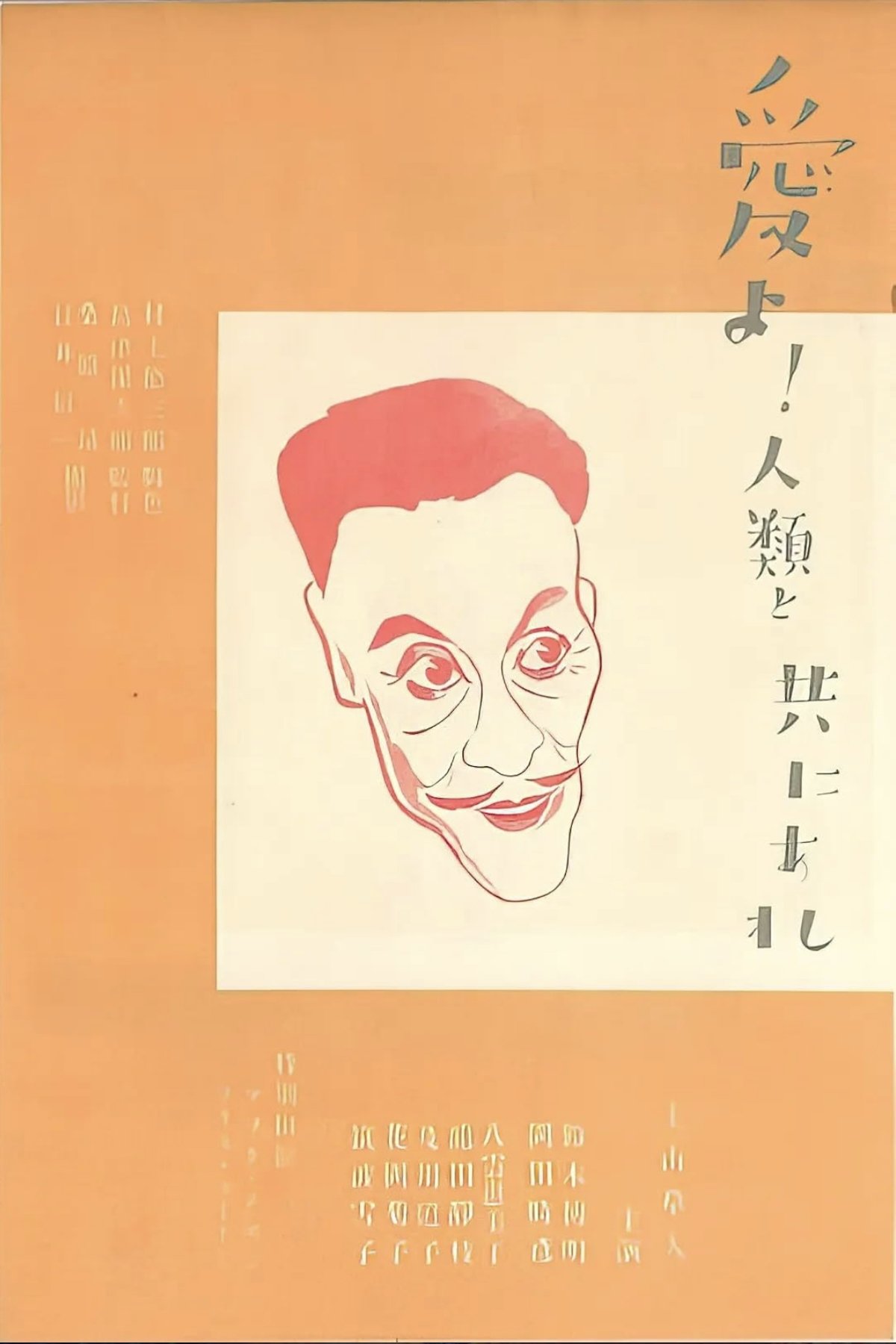 Film8.0
The three-hour Ai yo jinrui to tomo ni are / Love, Be with Humanity (1931) starts as a satire of alienation in the world of money, develops into a lumberland epic with a forest fire on Sakhalin Island, turns into a tragedy of King Lear dimensions, and manages to amaze the blasé audience with a happy end in the Wild West.
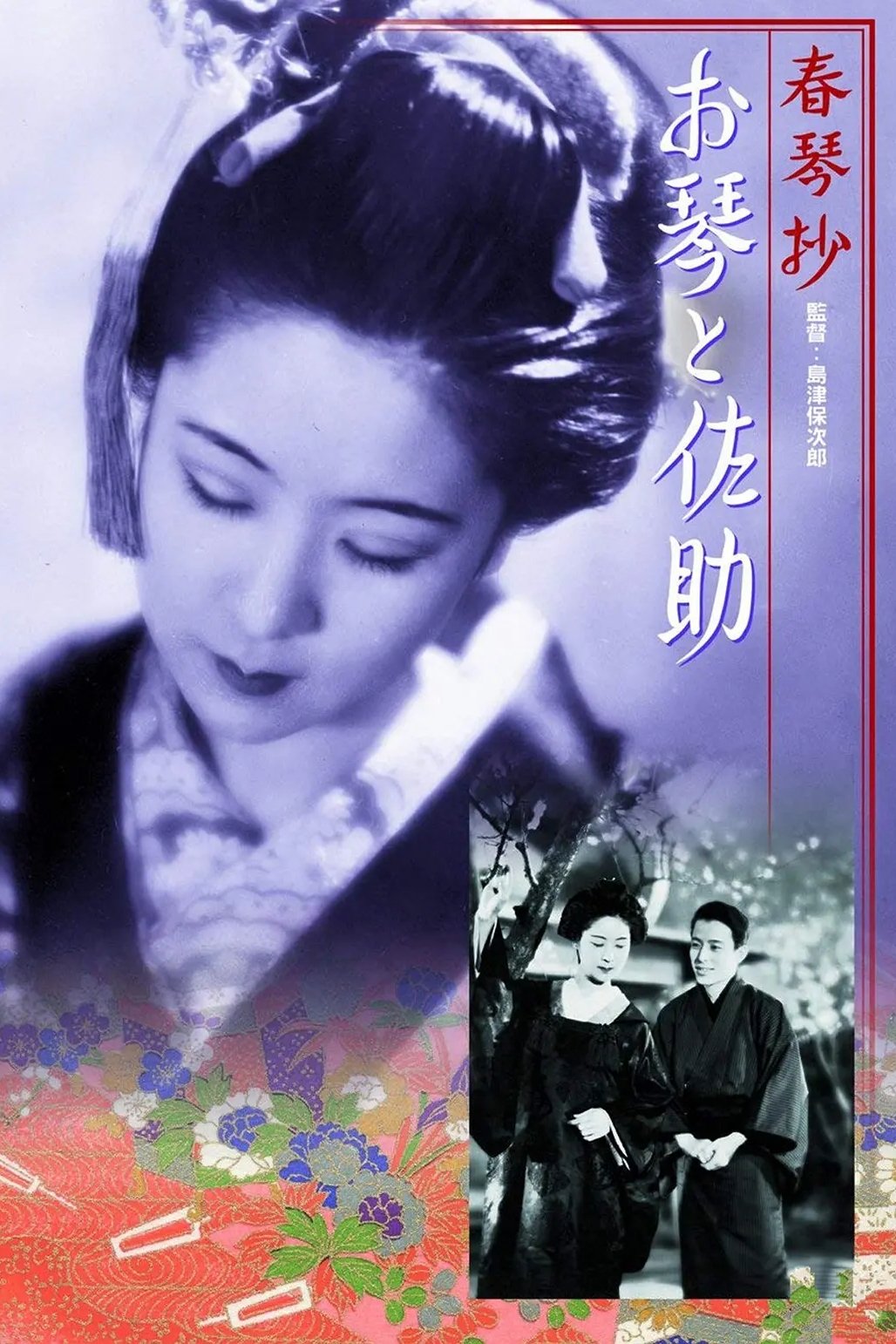 Film6.8Dram
A period piece about the love of a wealthy blind woman, a teacher of koto and shamisen, and her devoted manservant. Based on a novella by Tanizaki Junichiro.
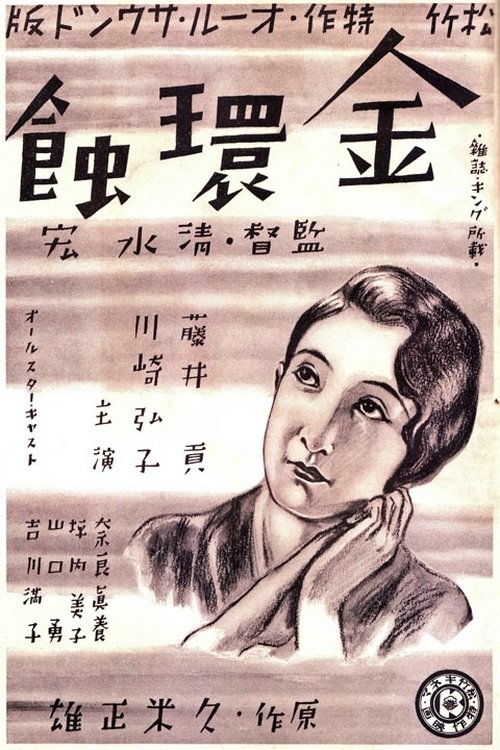 FilmDram
The story is centered around the devastating experiences of two villagers, Osaki Shuichi, and his cousin, Nishimiura Kinue, when they leave their hometown for the metropolis of Tokyo. They are in love with each other, but Kinue is expected to marry the lawyer Kanda Seiji. In consequence, Shukichi leaves for Tokyo, where he becomes tutor to the son of the rich Iwaki family. The heartbroken Kinue also makes her way to the capital, where she becomes a bar hostess.
- Film7.0
The three-hour Ai yo jinrui to tomo ni are / Love, Be with Humanity (1931) starts as a satire of alienation in the world of money, develops into a lumberland epic with a forest fire on Sakhalin Island, turns into a tragedy of King Lear dimensions, and manages to amaze the blasé audience with a happy end in the Wild West.
- Film7.0Romantik
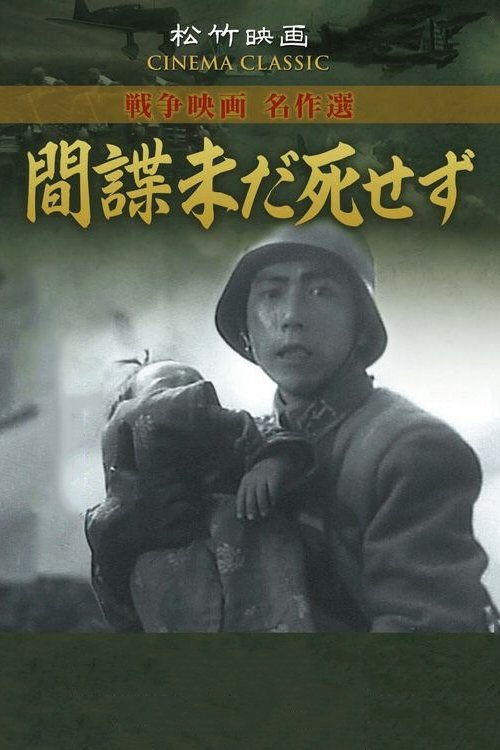 FilmDramSavaş