Stephen Dwoskin
Yönetmen · 1939 – 2012 · New York, New York
Stephen Dwoskin was born in New York in 1939 and began making independent shorts there in 1961. In 1964 he followed his research work to London where he settled and participated in the founding of the London Filmmaker’s Co-op. His experimental films, for which he himself does the camera work, play with ideas of desire, sexual and mental solitude and the passage of time. In his films he also explores representation in cinema, performances, personal impressions and his own physical handicap which has been a source of inspiration for him throughout his career. Dwoskin died on 28th June 2012 in London. His sensitive and emancipating works have been the subject of various international presentations.
Filmler12
 Film4.9Belgesel
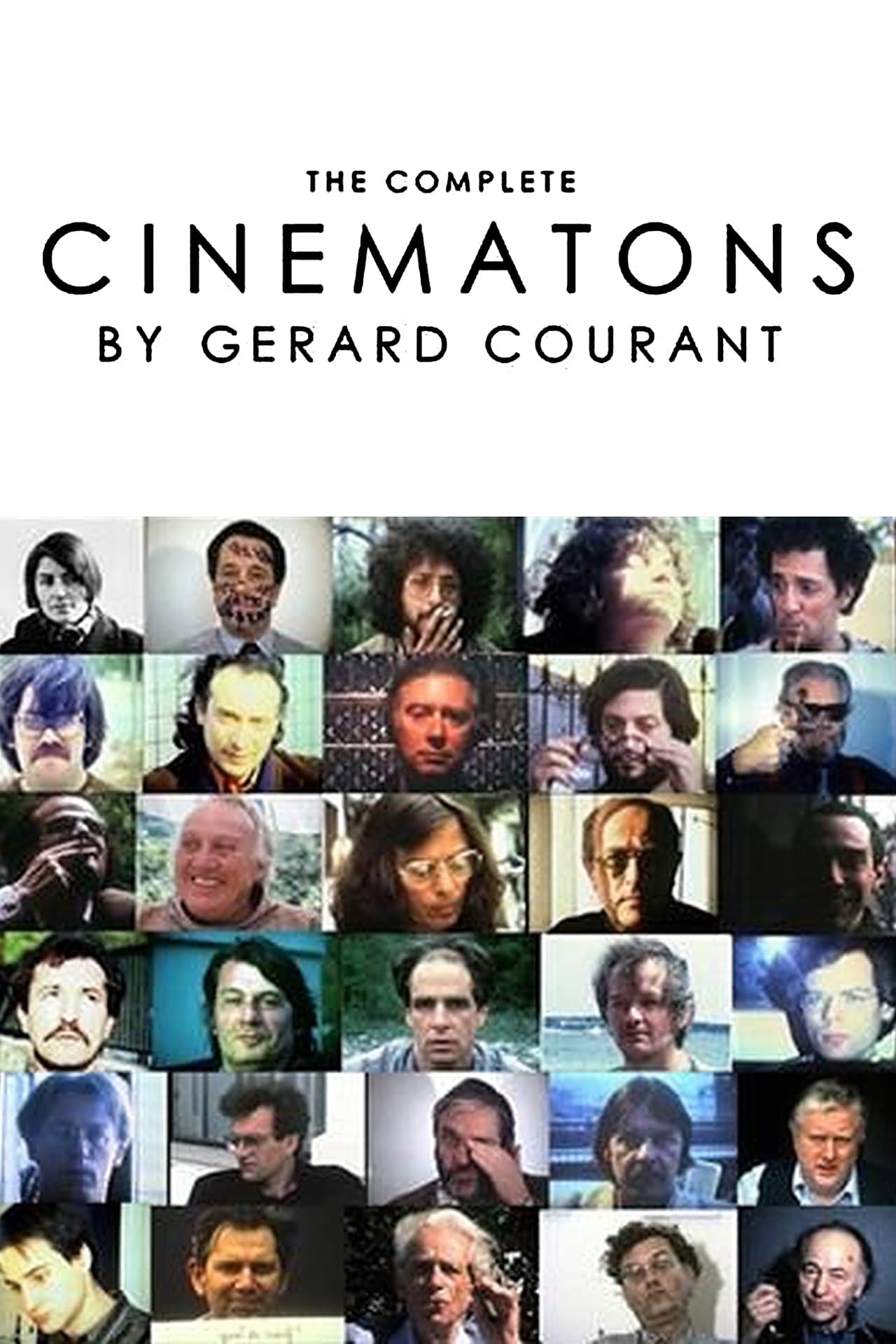
Cinématon is a 156-hour long experimental film by French director Gérard Courant. It was the longest film ever released until 2011. Composed over 36 years from 1978 until 2006, it consists of a series of over 2,821 silent vignettes (cinématons), each 3 minutes and 25 seconds long, of various celebrities, artists, journalists and friends of the director, each doing whatever they want for the allotted time. Subjects of the film include directors Barbet Schroeder, Nagisa Oshima, Volker Schlöndorff, Ken Loach, Benjamin Cuq, Youssef Chahine, Wim Wenders, Joseph Losey, Jean-Luc Godard, Samuel Fuller and Terry Gilliam, chess grandmaster Joël Lautier, and actors Roberto Benigni, Stéphane Audran, Julie Delpy and Lesley Chatterley. Gilliam is featured eating a 100-franc note, while Fuller smokes a cigar. Courant's favourite subject was a 7-month-old baby. The film was screened in its then-entirety in Avignon in November 2009 and was screened in Redondo Beach, CA on April 9, 2010.
Cinématon
1978 · 7 votes
 Film7.0Belgesel
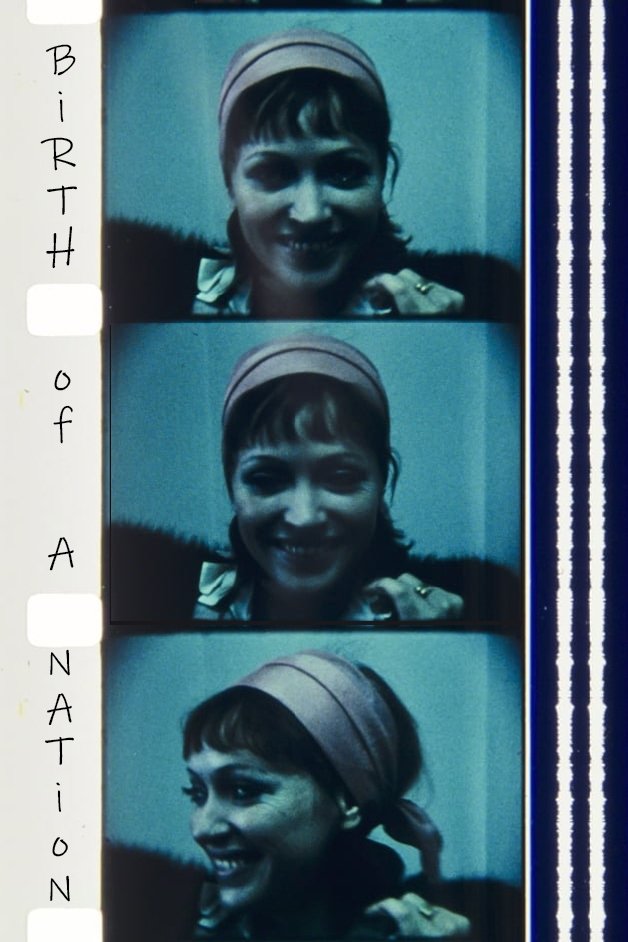
Jonas Mekas assembles 160 portraits, appearances, and fleeting sketches of underground and independent filmmakers captured between 1955 and 1996. Fast-paced and archival in spirit, the film celebrates the avant-garde as its own “nation of cinema,” a vital community existing outside the dominance of commercial film.
Birth of a Nation
1997 · 4 votes
- Film
Includes 'portraits' of Marianne Faithfull, Thelonious Monk and 28 others, some known, some less so.
Heads
1969
- Film7.1Belgesel
The film is just this kind wandering through the personal ways and whys of different kinds of pain in different kinds of people. The film searches through the many levels of pain and finds it in its unique position between disaster and pleasure. Pain is..thus plunges us instantly into the midst of controversy and the unknown.
Pain Is...
1997 · 6 votes
 Film3.2Belgesel
This distinctly personal journey into the artistic possibilities of independent film is not to be missed. Jonas Mekas, Jean-Pierre Gorin, Robert Kramer and many other visionaries and mavericks of the silver screen – as well as a book seller, a critic and a psychoanalyst – discuss what cinema has meant to them, what it is and what it could be and, implicitly, how it has changed over the 18 years in which this film was shot. Director Boris Lehman leads the charge, drawing in moments of absurdist humour and inventive camera work; he keeps things raw and spontaneous. His encounters with the now much-missed Jean Rouch and Stephen Dwoskin are particularly touching and stand testament to their personal playfulness and candour. An engaging, absorbing, epic odyssey of a movie.
 Film7.2DramTV Movie
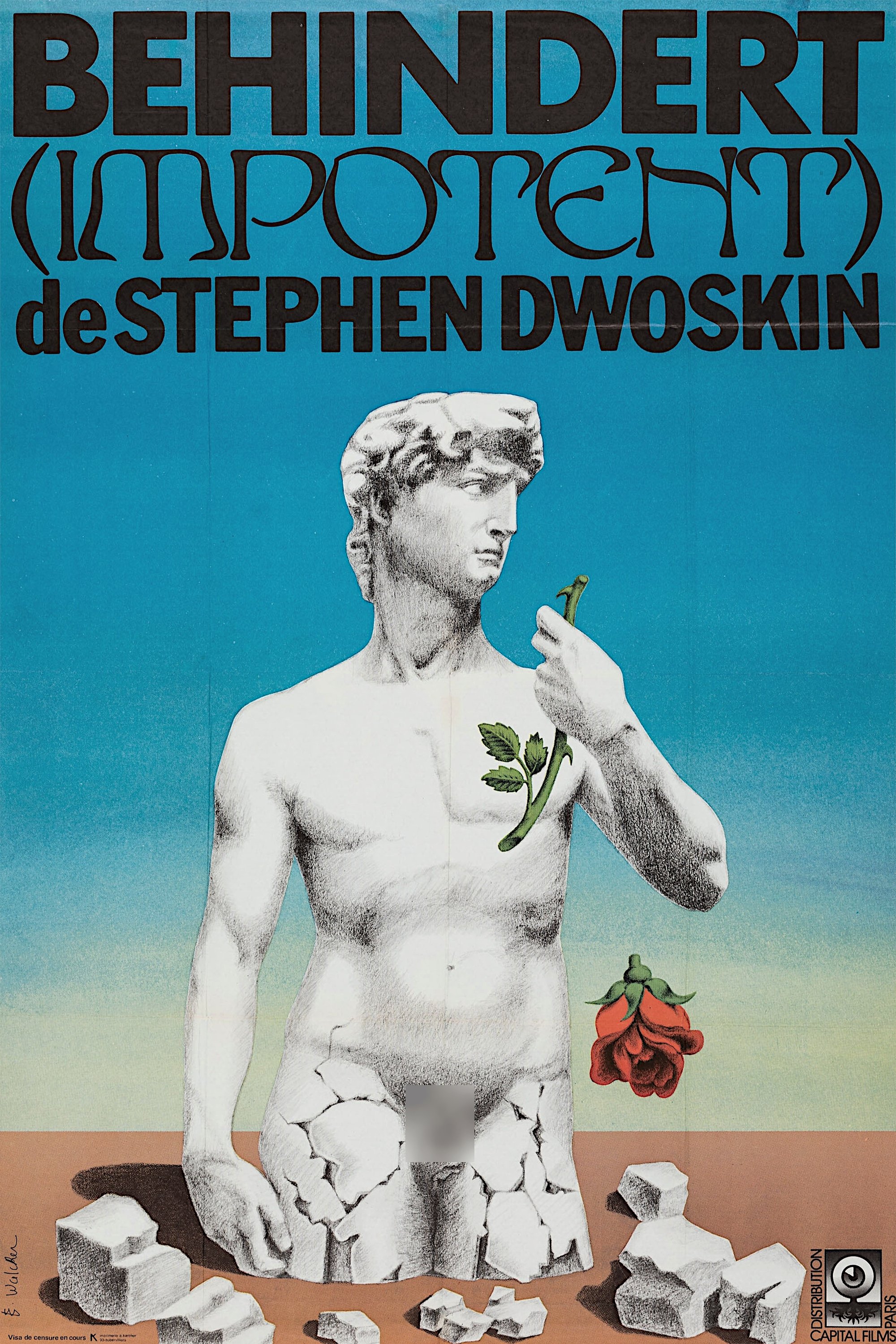
A portrait of a relationship between a physically disabled man and an able-bodied woman.
Behindert
1974 · 5 votes
 Film9.0
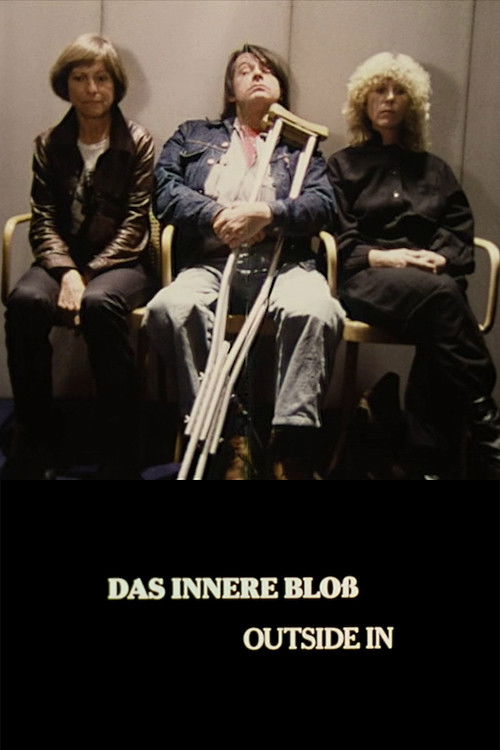
A personal film by experimental director Stephen Dwoskin.
Outside In
1981 · 1 votes
- FilmTV MovieBelgesel
A exploration of the origin, theory, philosophy and themes of Stephen Dwoskin's films from 1963 to 1984.
 Film6.8KorkuDram
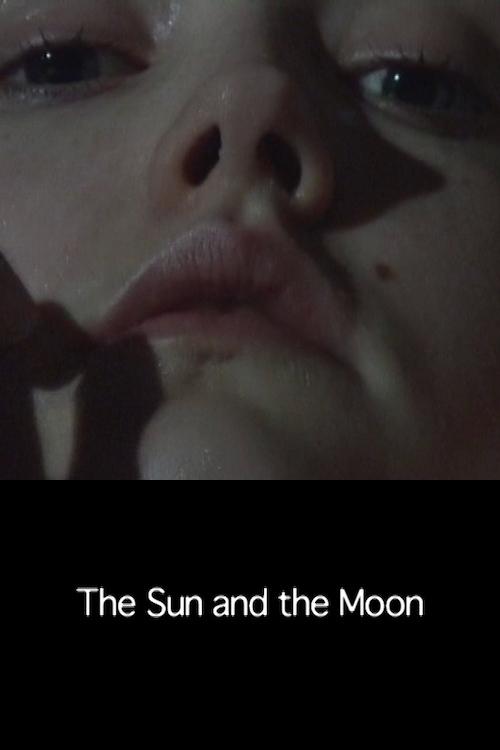
'The Sun and the Moon, a film fairy tale, is about two women’s terrifying encounter with ‘Otherness’ in the form of a man, abject and monstrous, and for them to either to witness, accept or partake in his annihilation. All are caught in their own isolation and are fearful of the menace that has to be met. The film, as a personal interpretation of Beauty and the Beast, enciphers concerns, beliefs and desires in seductive images that are themselves a form of camouflage, making it possible to utter harsh truths.'
The Sun and the Moon
2008 · 5 votes
- Film
Avant-garde appeal on behalf of and made by the adventurous leftist London cinema, The Other Cinema, using the facilities provided by the BBC community programme unit.
- FilmBelgesel
Shot in Brixton, London, in 2004, the film is originally a letter addressed to Dwoskin by its authors. It creates a unique space, movement and rhythm in which they develop his point of view on the evolution of cinema in the western world.
 Film6.0Belgesel
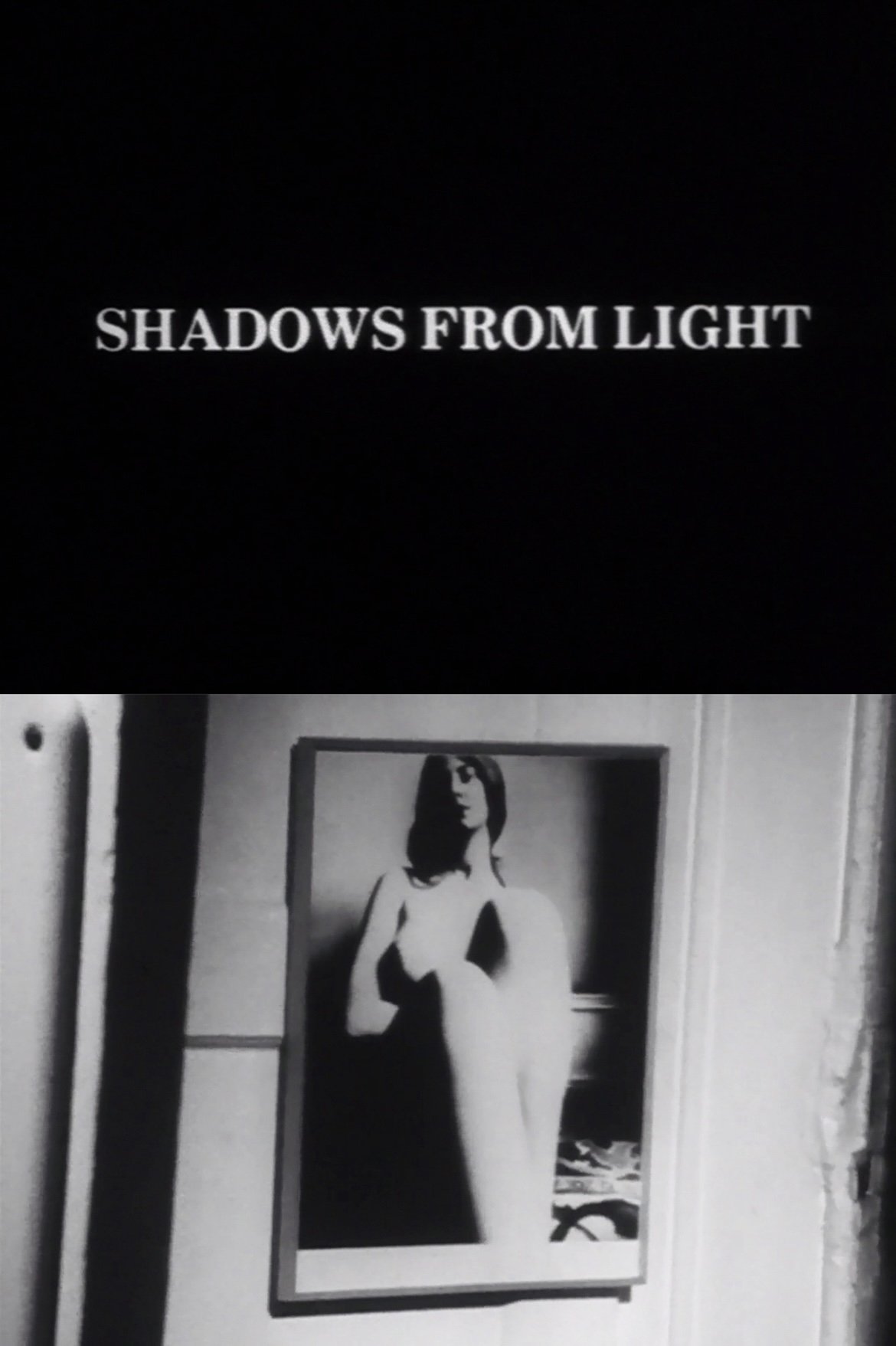
Born in 1904, Brandt was a shy and enigmatic man who dominated British photography for decades. His early studies of class-divided Britain were followed by the postwar series of "distorted nudes", shot on beaches and inside rooms. The film is a fitting final portrait of Brandt (it was completed in the year he died), and recomposes his work in cinematic terms. The camera moves through an apartment where the pictures were taken, to reveal photographs scattered 'in situ'. These are panned to show the surrounding space, the angle of vision and a model who reconstructs Brandt's original image. Dwoskin emphasises visual atmosphere through the language of the eye.
Shadows from Light
1983 · 3 votes