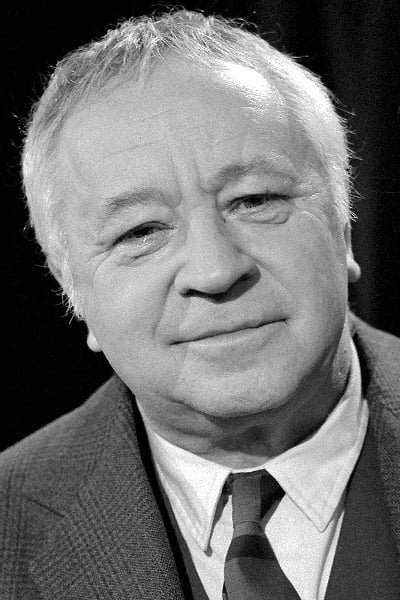
Miroslav Horníček
Oyuncu · 1918 – 2003 · Plzeň, Česká republika
K divadlu se dostal na plzeňské reálce, kde chodil do ochotnického spolku a se spolužáky založil Studentský avantgardní kolektiv. Po vystudování byl krátce zaměstnán jako úředník v plzeňské nemocnici. V roce 1941 přijal angažmá v Městském divadle v Plzni, brzy po válce odešel do Prahy. Nejprve hrál v Divadle Větrník, o rok později nastoupil k bratrům Oldřichu a Lubomíru Lipským do Divadla satiry. Poté hrál šest let na scéně Národního divadla. V roce 1955 se stal partnerem Jana Wericha v Divadle ABC (Jiří Voskovec po 2. světové válce emigroval do Spojených států amerických). S Werichem hrál šest let, například ve hrách Těžká Barbora nebo Husaři. Po Werichově odchodu roku 1961 vytvořil podobnou dvojici s Milošem Kopeckým. Nehráli však spolu dlouho. Už v roce 1962 se stal na dva roky členem Hudebního divadla v Karlíně a záhy i Divadla Semafor, kde účinkoval například ve hře Člověk z půdy. Působil i vMěstských divadlech pražských, velmi známé a značně populární byly jeho Hovory přes rampu kde přímo z divadelní rampy odpovídal na živé dotazy diváků kladené z hlediště a tak neformálně besedoval s publikem. Hrál také ve filmech. Ztvárnil hlavní role ve filmech Táto, sežeň štěně a Kam čert nemůže a v televizním seriálu Byli jednou dva písaři, dále několik vedlejších rolí v mnoha dalších filmech, z nichž nejznámější je role Krásného prince ve filmové pohádce Byl jednou jeden král. V roce 1965 si zahrál v komediálním snímku z produkce východoněmecké Defy Bez pasu v cizích postelích. Známé je také jeho působení v roli moderátora filmového zpravodajství z Mezinárodního filmového festivalu v Karlových Varech. V roce 1967 se účastnil avantgardního projektu Kinoautomat autorů Radúze Činčery, scenáristy Pavla Juráčka a režisérů Jána Roháče a Vladimíra Svitáčka na světové výstavě v Montrealu. Horníček působil v roli průvodce filmovým představením, které se v určitých dramatických momentech větvilo. Samo publikum rozhodovalo, jak bude děj pokračovat. Zajímavostí je, že on sám neuměl vůbec anglicky. Text měl foneticky odposlouchaný a naučený. Tehdejší novinka vzbudila značný ohlas a po celou dobu výstavy byla představení beznadějně vyprodaná, jednalo se o první případ tzv. interaktivního filmu na světě. Z tohoto pobytu vytěžil knihu fejetonůJavorové listy, uveřejňovaných původně v Literárních novinách. Po návratu z Montrealu se společně s režisérem Vladimírem Svitáčkem pustili do televizního projektu, který mu přinesl obrovskou popularitu. Scéna byla jednoduchá. Uprostřed publika byl stolek, u kterého seděl nad lahví červeného vína Horníček se svým hostem. Promlouval s takovými osobnostmi, jako byli mj. Jan Werich, Jan Pivec, Jiří Sovák, Július Satinský a Milan Lasica. Do svých rozhovorů vkládal inteligentní humor, který oslovuje mnohé diváky i dnes. V roce 2004 vyšla v reedici kniha Hovory H.. Pořad se vysílal v letech 1968–1971, s nástupem normalizace byl však zrušen. Dochovaly se z něj vzácné televizní záznamy, pořad vyšel i na gramofonových deskách firmy Supraphon, později i na CD. V Plzni je na jeho počest od roku 2000 pojmenováno Horníčkovo divadlo. Byla zde 10. listopadu 2003 odhalena pamětní deska.
Filmler14
 Film8.0AileKomedi
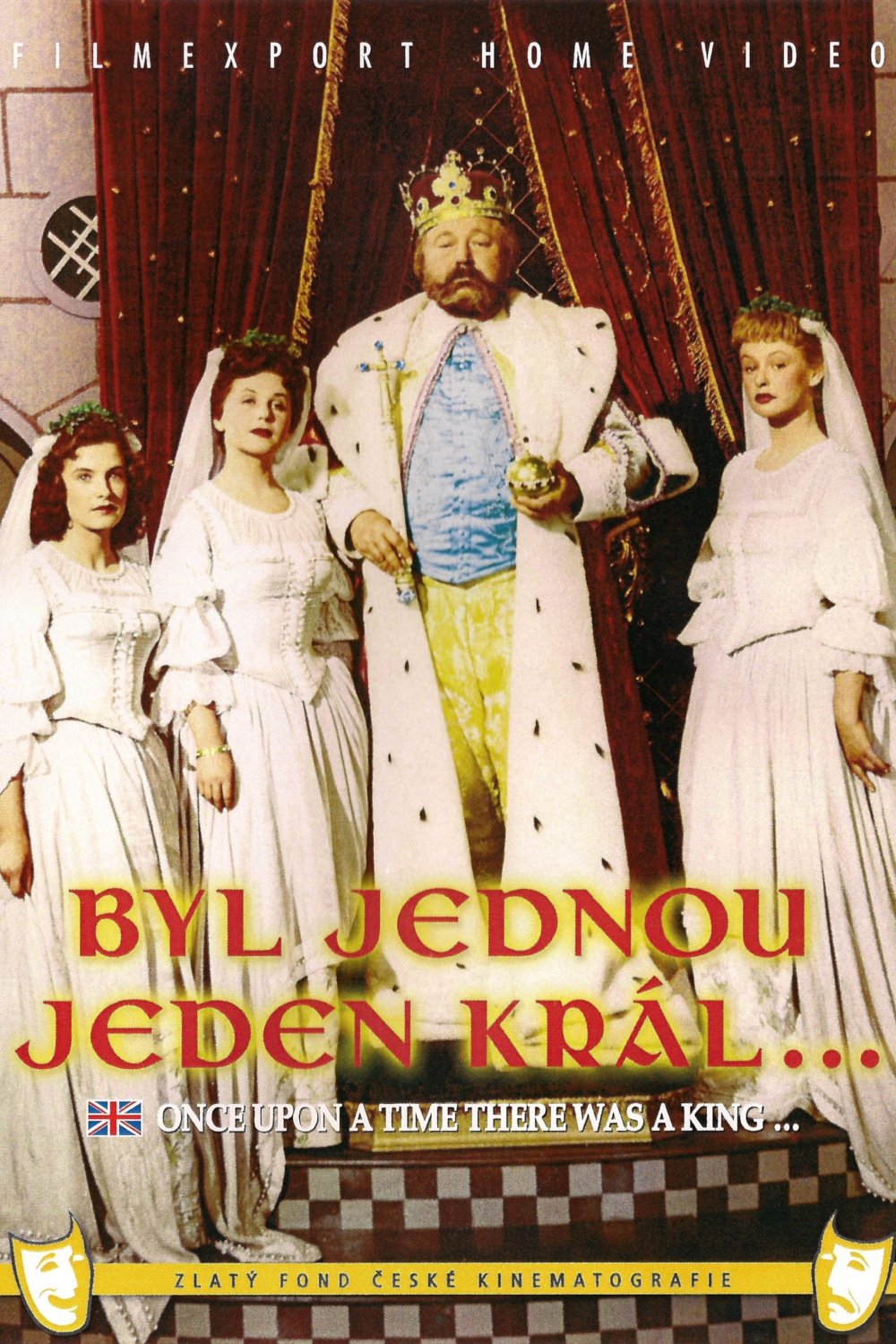
A selfish self-centered widowed ruler, barely tolerated by his subjects and called appropriately enough, 'King Myself, First' asks his three daughters to name the measure of their love for him. When one of them says, "more than salt", he banishes her from the kingdom. Not understanding what she meant the King assumes love can only be measured by precious metals or one's own talent, the 'correct' answers from his other two daughters. The arrogance of the King leads him to gather all the salt in the kingdom and destroy it. Of course, this backfires as he slowly learns the universal value of the substance, and of course, the essence of his daughter's reply. With the help of the wise and magical old 'herb woman', the King also learns what it means to be a true and wise ruler.
- Film8.0BelgeselMüzik
The 50th anniversary of the Barrandov studios was celebrated with a spectacular show: many directors and other important people gathered in the expensive decorations of the Variety Theatre auditorium (built for the Circus Humberto series). They smiled and showed well-deserved relaxation after a job well done in managing socialist cinema. Vladimir Sís interspersed this with excerpts from films, mainly his own and also a little of others who had worked on the "Hill of Dreams".
Barrandovské nokturno aneb Jak film tančil a zpíval
1985 · 1 votes
- Film3.7KomediMüzik
Silvestr na přání aneb Čí jsou hory Kavčí
1977 · 3 votes
 FilmKomediMüzik
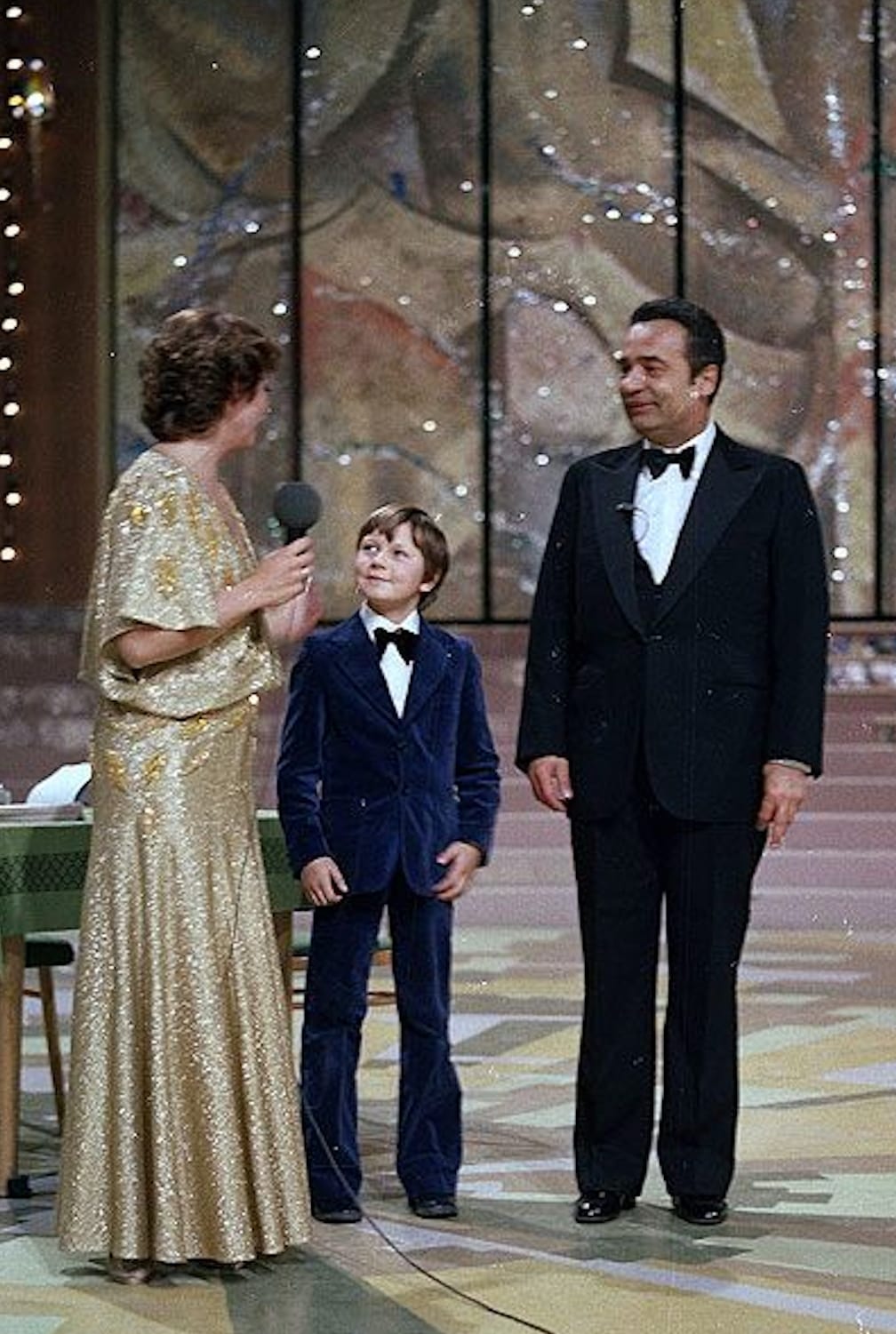
A New Year's Eve television variety show from late 1979.
 Film7.3Komedi
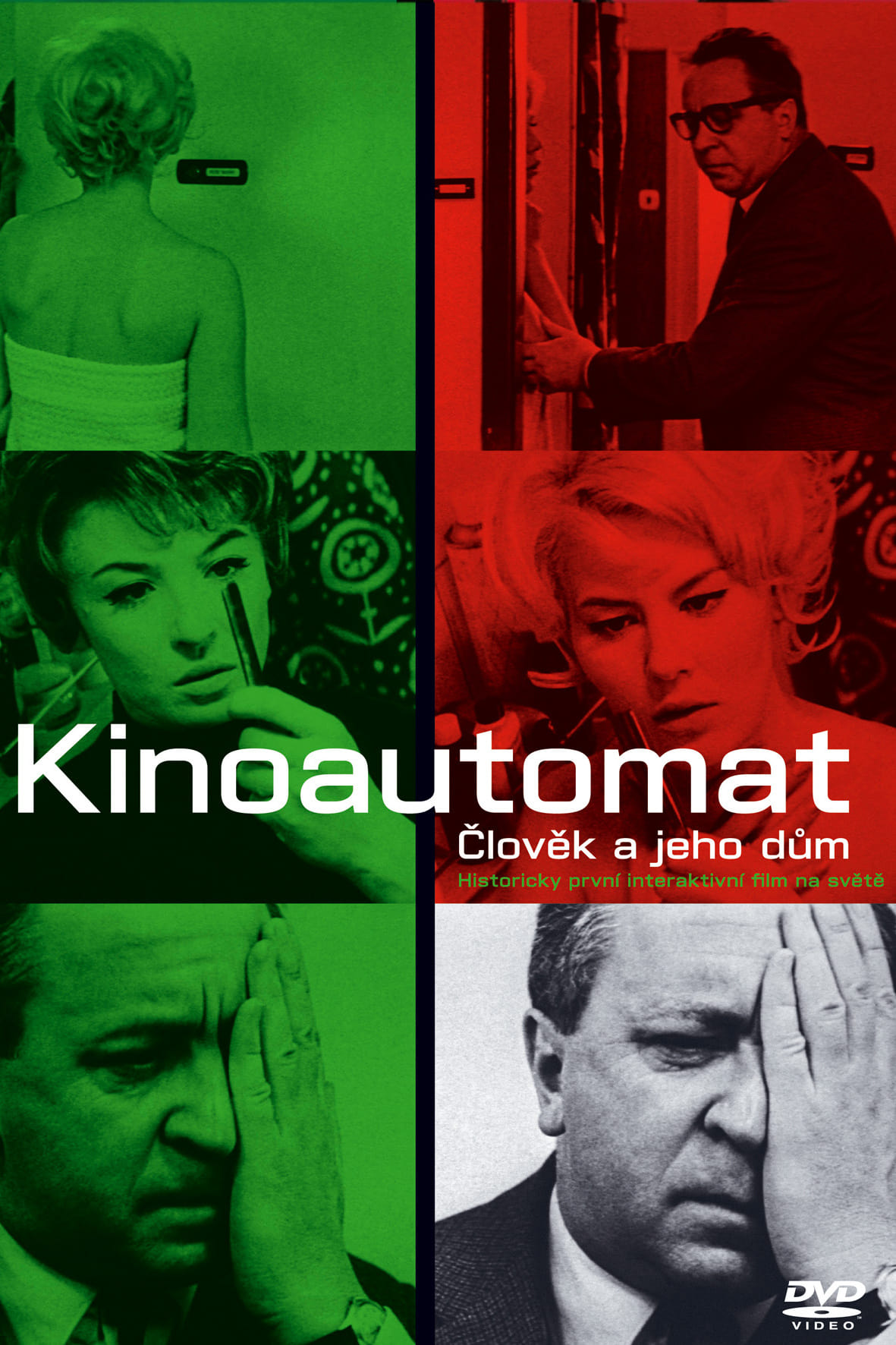
Kinoautomat was the world's first interactive movie, conceived by Radúz Činčera for the Czechoslovak Pavilion at Expo '67 in Montreal. At nine points during the film the action stops, and a moderator appears on stage to ask the audience to choose between two scenes; following an audience vote, the chosen scene is played.
- FilmKomedi
Žárlivost
1962
- Film9.0Dram
A youthfully enthusiastic teacher tries to raise the standard of living of the residents of a declining border village... A sympathetic young man with a suspended sentence was Josef Abrham's first big role. Miroslav Horníček often told a funny story from the set about his motorcycle rides.
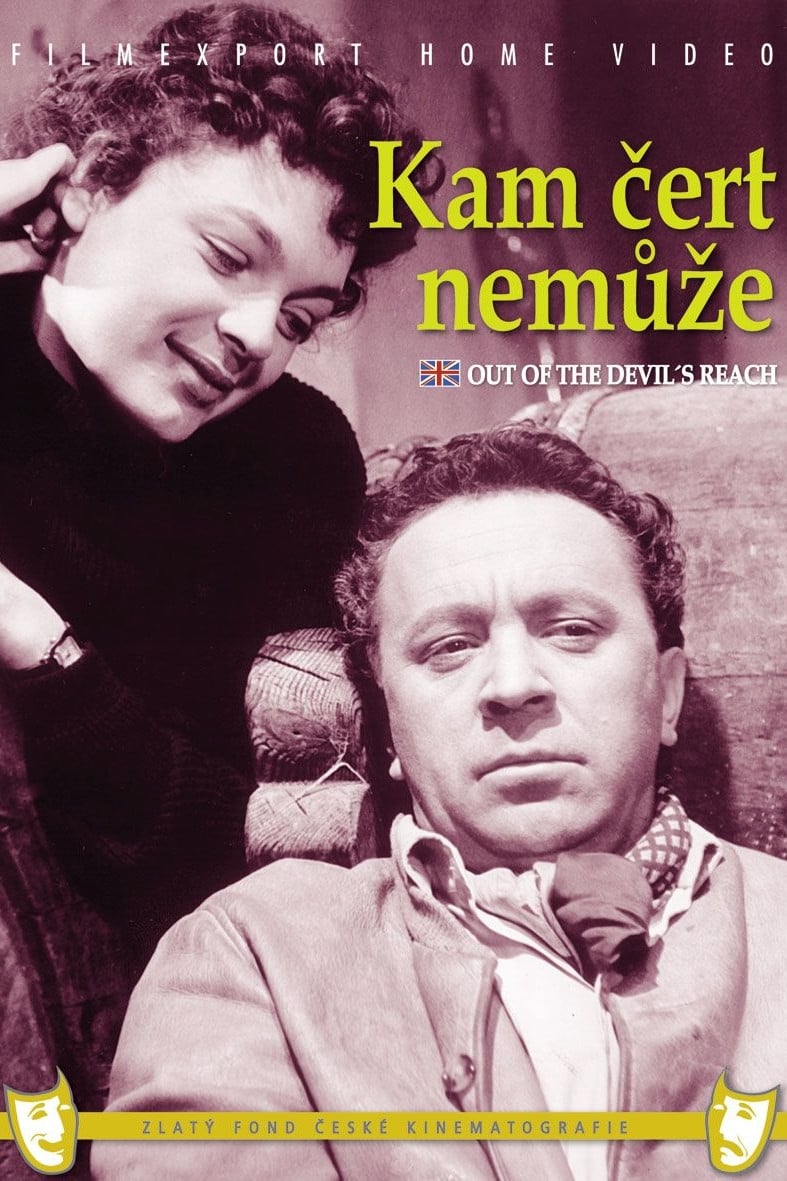 Film6.8Komedi
Miroslav Hornicek is a deluded young man who is convinced he is Faust incarnate. This turn of mind leads to some ludicrous situations, such as when he believes a woman is really a cat. Before he can be rounded up and interned wherever they keep people with this type of a problem, love enters his life and the clouds that obscured his vision begin to dissipate.
 Film5.6KomediAile
The holiday story revolves around the children of editor Hlavsa and their desire to get a dog. Dad bravely faces his children's wish and all he cares about is the dreamed summer peace. However, the editor's unexpectedly requested regular feature stories from the children's lives change everything. The uproar in the pages of the newspaper and the children's determination not to give up on their dream leads to the hope that something four-legged might eventually turn up at the Hlavs' after all.
Táto sežeň štěně
1964 · 5 votes
- Film6.2Komedi
Těžká Barbora
1960 · 3 votes
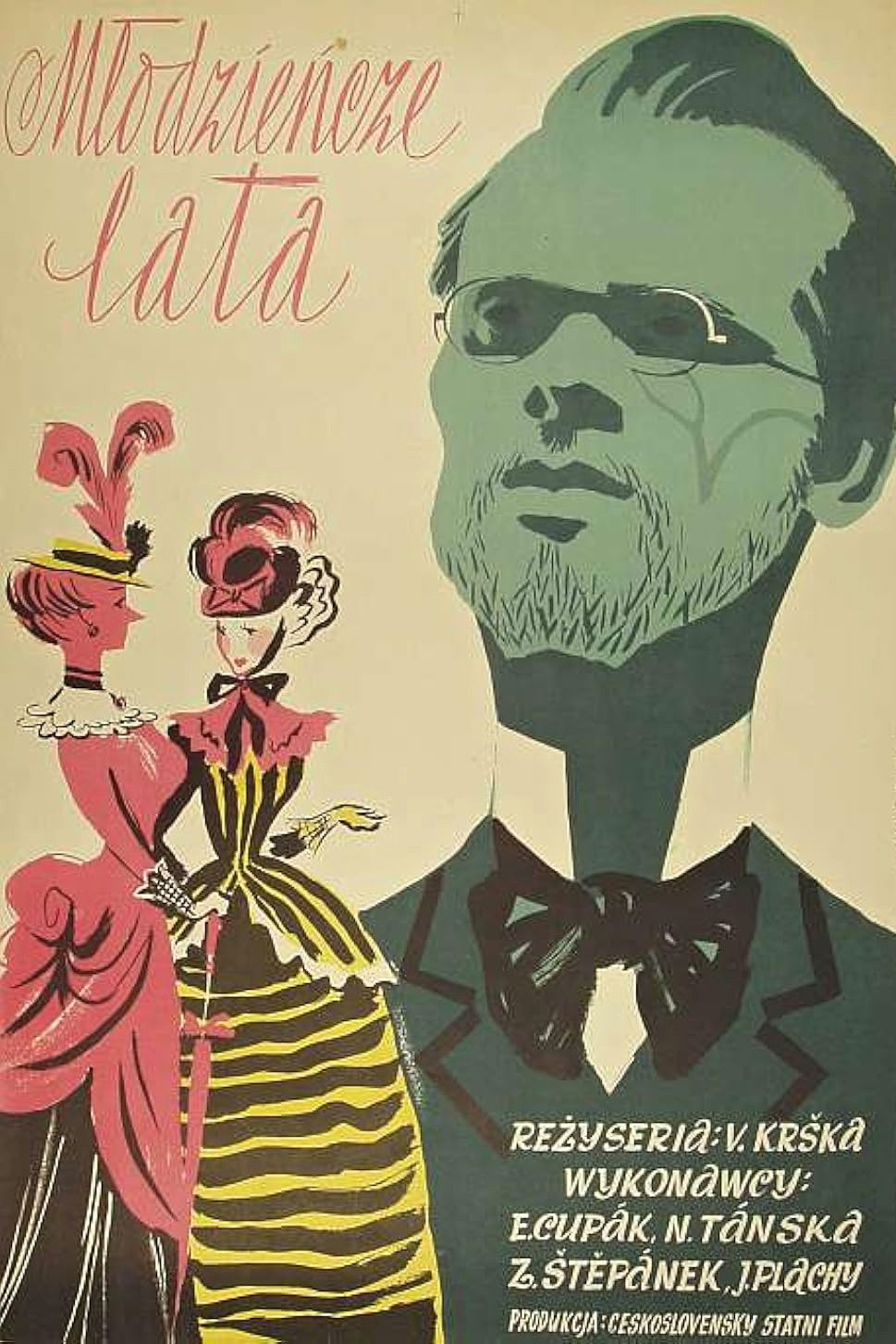 Film6.5DramTarih
Early Days follows the early life of famous Czech writer Alois Jirásek. Jirásek had already developed his own view of the history of the Czech nation while he was at grammar school in Broumov. When he becomes the supply teach in Litomyšl, he has already written his first book and a number of poems. The local dignitaries await the arrival of the young writer in excited anticipation. Jirásek, however, is sickened by the empty patriotism from the depths of his soul and soon becomes disagreeable to the notables. The district sheriff tries to remove Jirásek from the school and drive him out of town. Unable to do this, the sheriff appoints a pro-Austrian headmaster who attempts to sabotage Jirásek. The students stand behind Jirásek , however, and discontent is not only felt in Litomyšl but throughout Bohemia.
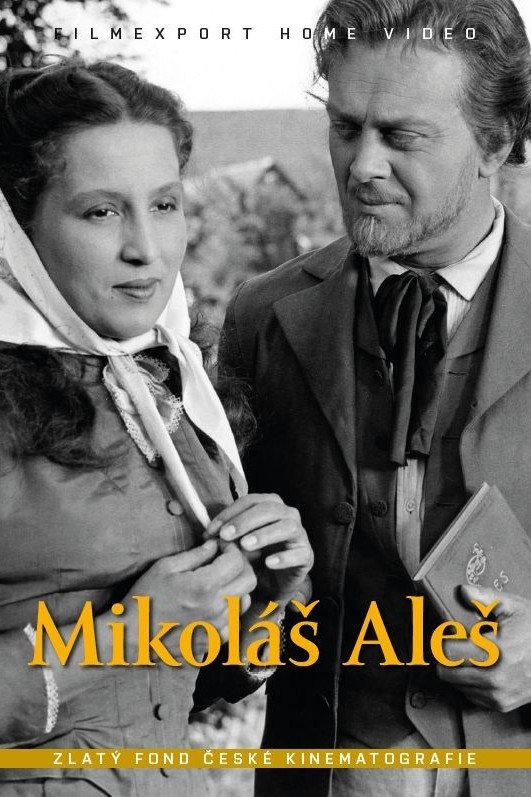 Film7.5Dram
A biographical film about the famous Czech painter Mikoláš Aleš, portrayed as part of the vanguard of the working class and a spokesman for the oppressed, who asserts himself despite the opposing bourgeoisie and reactionaries of all kinds. The film focuses on the period when Mikoláš Aleš participated in the competition to decorate the National Theatre.
Mikoláš Aleš
1952 · 2 votes
- Film8.0Animasyon
A meat-eating monarch marries a vegetarian princess.
- Film7.0Dram
An outdated fireclay factory is due to close, but its long-time employees can't imagine stopping what has fed them all their lives and what they do best...
Bez svatozáře
1964 · 1 votes
Diziler4
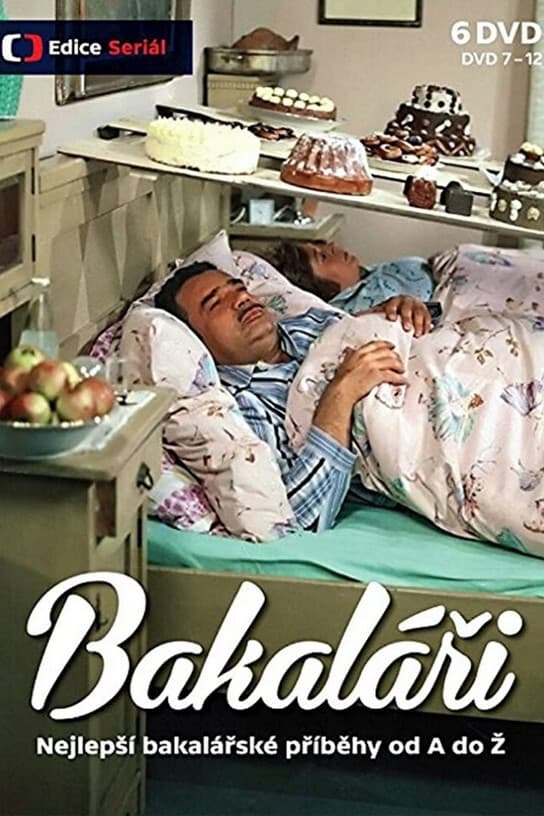 Dizi7.0Komedi
Bakaláři
1972 · 2 votes
- DiziBelgesel
GENUS
1995
 Dizi8.1Komedi
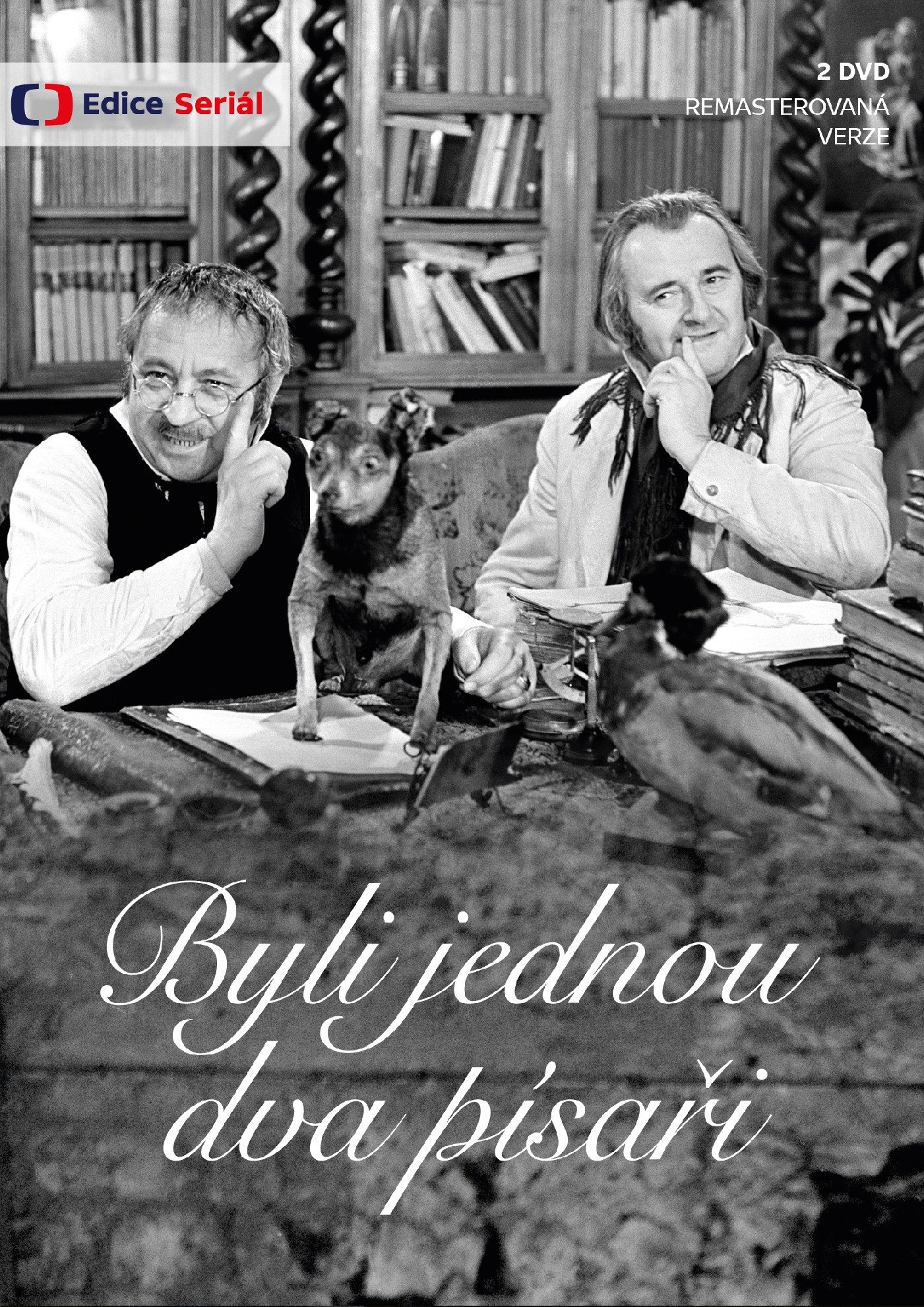
Byli jednou dva písaři...
1973 · 6 votes
- Dizi