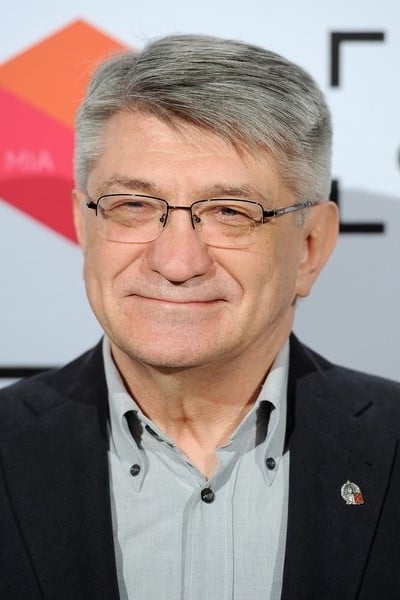
Aleksandr Sokurov
Yönetmen · d. 1951 · village Podorvikha, Irkutsk Region, RSFSR, USSR, (now Russia)
Aleksandr Sokurov (born June 14, 1951) is a Russian director of avant-garde and independent films that have won him international acclaim. Described as a heir to Tarkovsky, spare, gloomy and contemplative, he often blurs lines between image and world. His noticable trademark and style includes long, accurate shots of real painterly compositions, disorted field of view, zooms and use of wide angle lenses. Often plotless with emphasis on aesthetics and impressionism his films are noted for philosophical approach to history and nature. Sokurov underlines the importance of film, not to yield to the modern audience laziness, and to stay away from mere entertainment. His most significant works include a feature film, Russian Ark (2002), filmed in a single unedited shot, Mother and Son (1997) and Faust (2011), which was honoured with the Golden Lion, the highest prize for the best film at the Venice Film Festival.
Filmler17
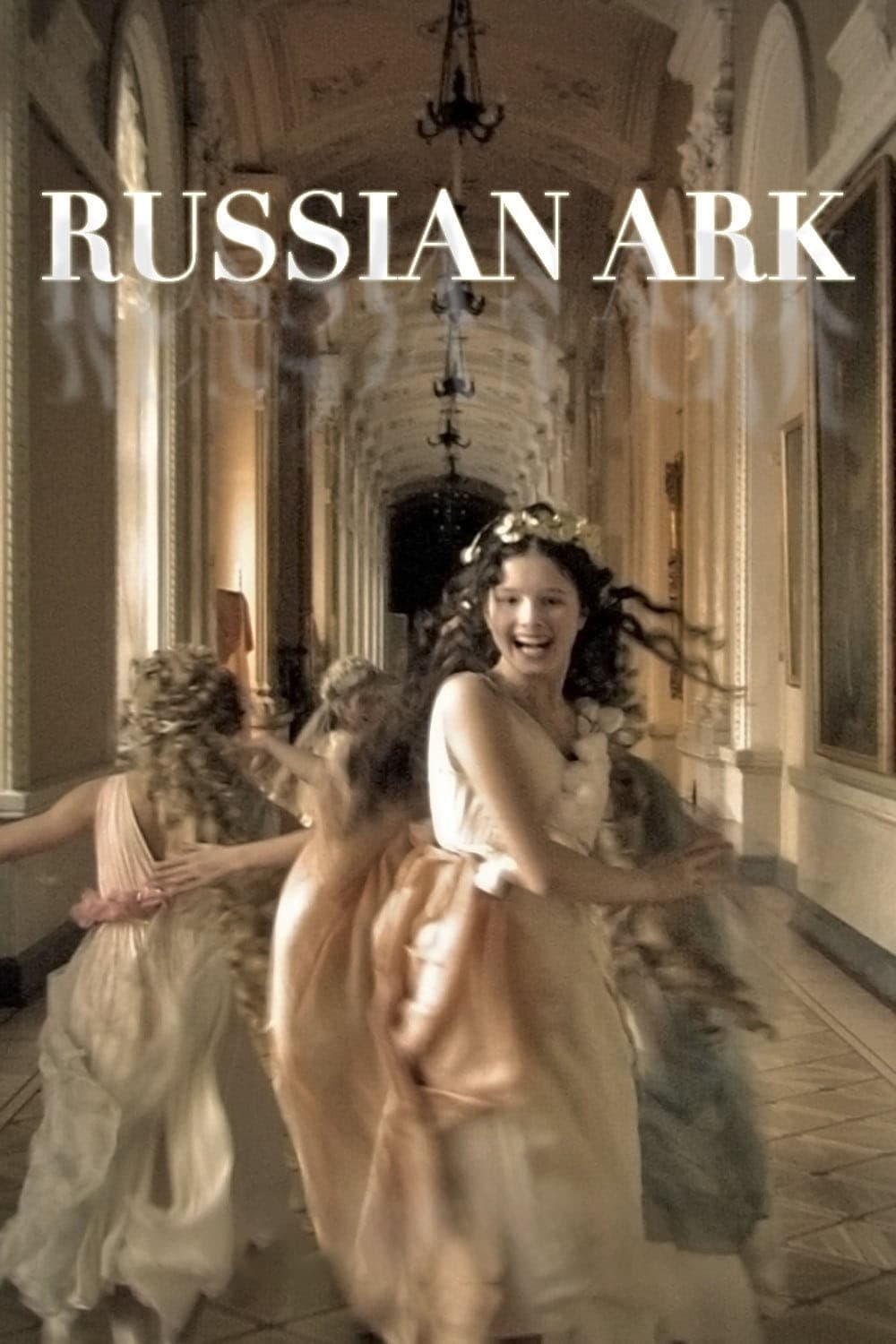 Film7.2DramFantastik
Rus tarihinin çeşitli dönemlerinden kesitlerin yer aldığı bir müzede geçen ilginç bir zaman kesiti... Oldukça deneysel ve zor bir çalışma olan Rus Hazine Sandığı, bütün filmin tek bir seferde çekildiği tek bir kareden oluşuyor. Rus tarihinin önemli olayları, çoğu kendilerini oynayan oyuncular tarafından canlandırılıyor.Bu oldukça zor çalışmanın altından başarı ile kalkan ünlü Rus yönetmen Aleksandr Sokurov, bu sıradışı çalışması ile pek çok uluslararası festivalde ödüllendirildi.
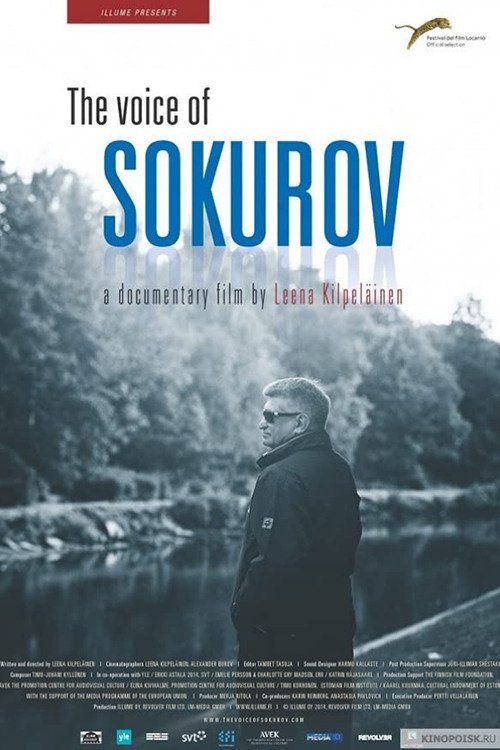 Film6.5Belgesel
Five years in the making, based on six lengthy interviews filmed on six different locations in Saint Petersburg, we meet an outspoken artist who covers here his entire life and prolific career. The locations were Sokurov’s own favourites, where he felt at home.
 Film7.6Belgesel
Agnès Varda travels around the world to meet friends, artists and filmmakers for an expansive view of the global contemporary art scene.
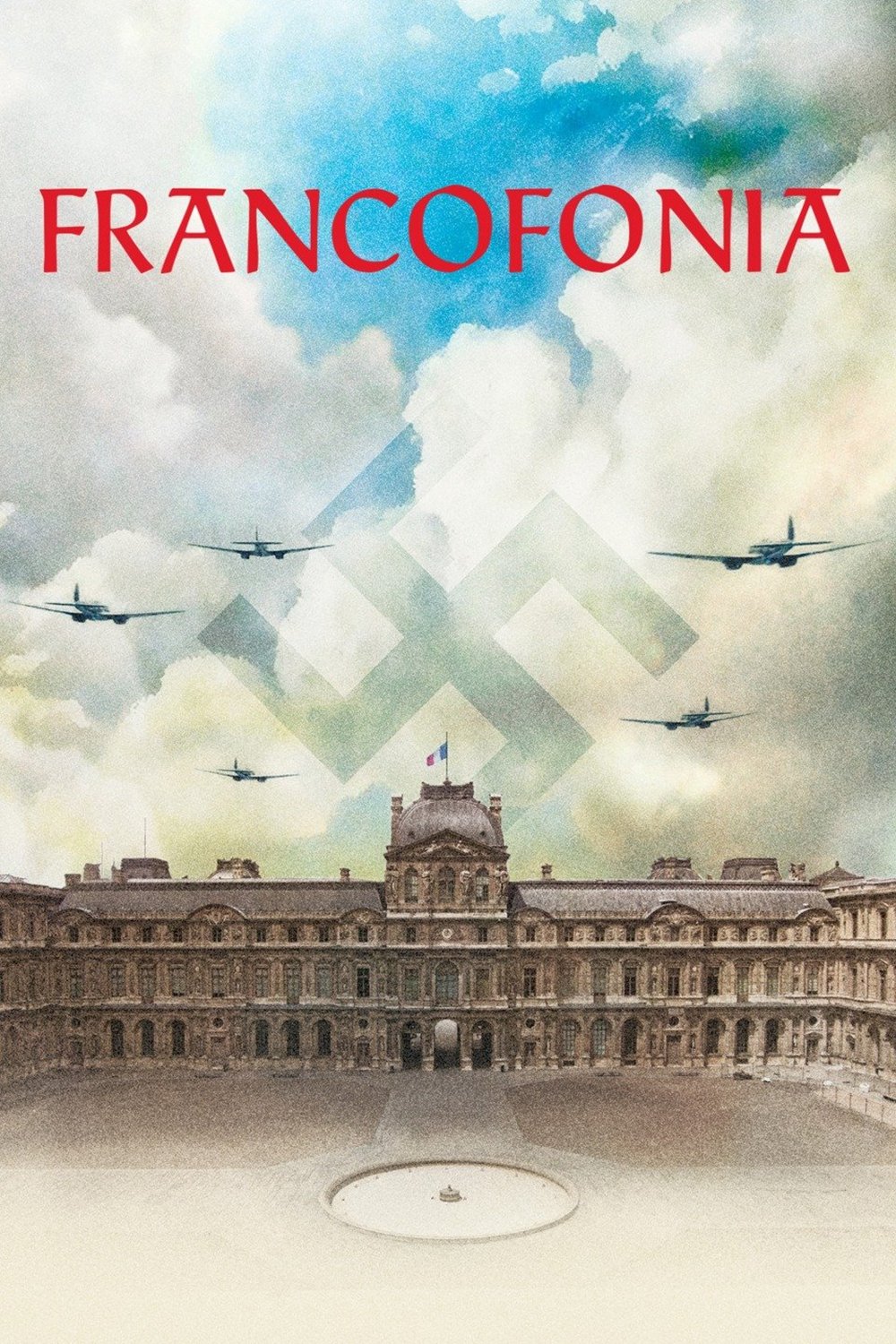 Film6.5Belgesel
Master filmmaker Alexander Sokurov (Russian Ark) transforms a portrait of the world-renowned museum into a magisterial, centuries-spanning reflection on the relation between art, culture and power.
Francofonia
2015 · 87 votes
 Film7.4Belgesel
This intimately narrated journey from Russia to Rotterdam, via rail, road and Finnish ferry, is a melancholy meditation on divinity, time and place in art, purpose (or its lack) and the loneliness of the soul. Passing through misty snowscapes, half-glimpsed cities and the icy night sea-swell.
 FilmBelgesel
Explores some of the most innovative attempts by contemporary artists, filmmakers, architects etc to explore multiple Temporalities and to counter the uniform sense of time promoted by our technology-driven society.
The Art of Time
2009
 Film6.2BelgeselTarih
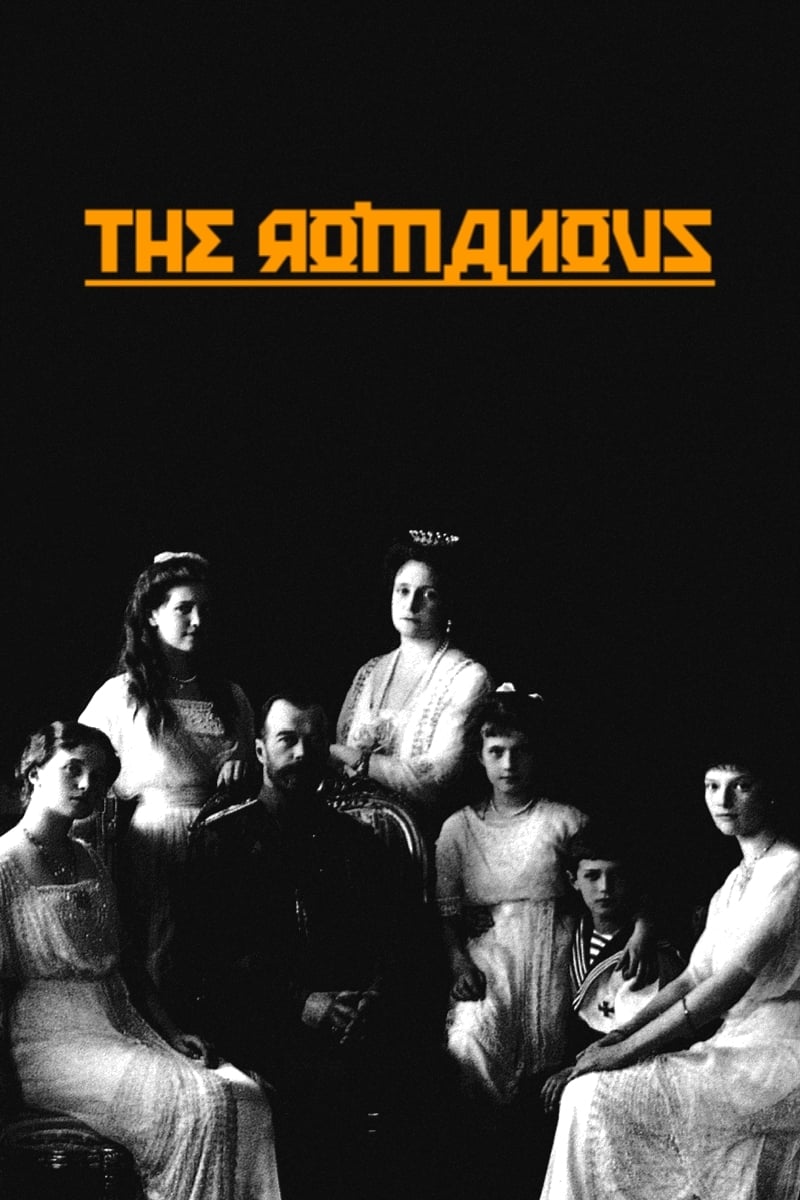
Yekaterinburg, Russia, July 17th, 1917. Czar Nicholas II Romanov and his entire family are brutally murdered by the Bolsheviks. This tragic event puts an end to the long dynasty that had ruled the country with an iron hand since the coronation of Michael I Romanov in 1613.
Die Romanows: Glanz und Untergang des Zarenreichs
The Romanovs: Glory and Fall of the Czars
2013 · 3 votes
 FilmBelgesel
A portrait of Naum Kleiman — film scholar, historian, and sage. In conversation with him, a vast cultural landscape unfolds, where Pushkin meets Godard, Sokurov, Dionysius, Eisenstein, Snyders, Glass, Ozu, and many others. Kleiman reveals the simplicity of mystery, and in doing so, reveals himself.
 Film6.5Belgesel
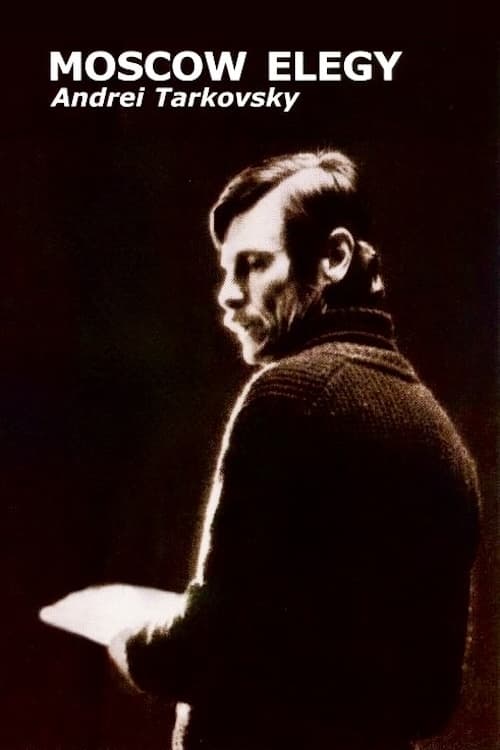
A 1988 documentary film directed by Alexander Sokurov, about the later life and death of Soviet Russian filmmaker Andrei Tarkovsky. The film was originally intended to mark the 50th birthday of Tarkovsky in 1982, which would have been before his death. Controversy with Soviet authorities about the film's style and content led to significant delays in the production.
 FilmBelgesel
From 1961 to 1995, Alexander Sokurov kept a personal diary, recording both important events and everyday trivia. Now these candid recordings are taking on a new life in a large-scale five-hour documentary, intertwined with footage from iconic films of that era. This is not just the autobiography of a famous director, but a personal look at the history of the second half of the 20th century, full of reflections and observations.
 Film3.0SavaşDram
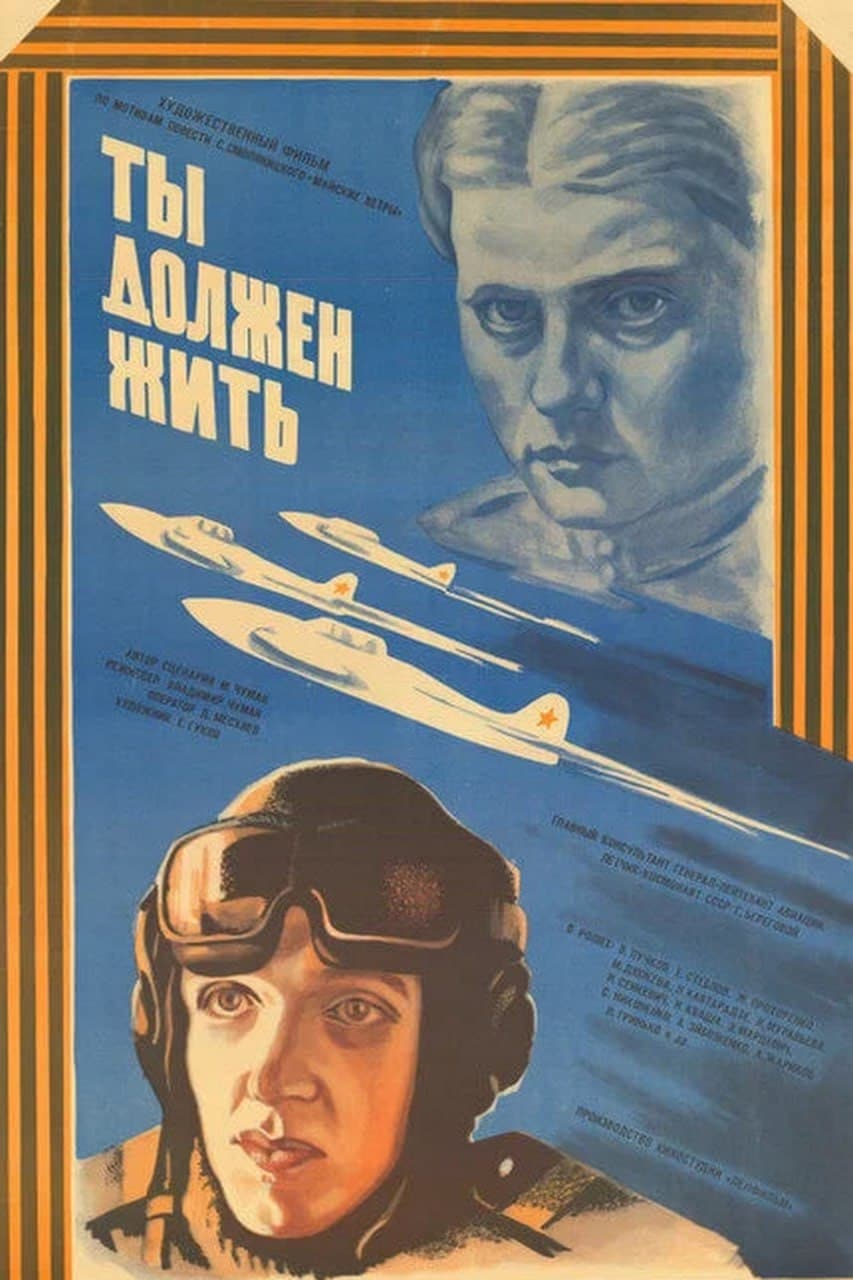
1945, an attack aviation regiment is based at the field airfield, which is served by a team of young girls. The last days of the war are coming... In one of the battles, Lieutenant Volynin’s attack aircraft, damaged by a shell fragment, landed in territory occupied by the Germans. Air gunner Shchepov carried the wounded commander out of the burning plane. With the help of the Polish teacher Anna, they managed to get to theirs. And everyday life at the front began again. A few days before the Victory, Dima Shchepov died. Volynin took the death of his friend seriously. But it was even harder for him to learn about the death of Anna, whom he loved and whom he promised to find after the war...
 Film5.2Belgesel
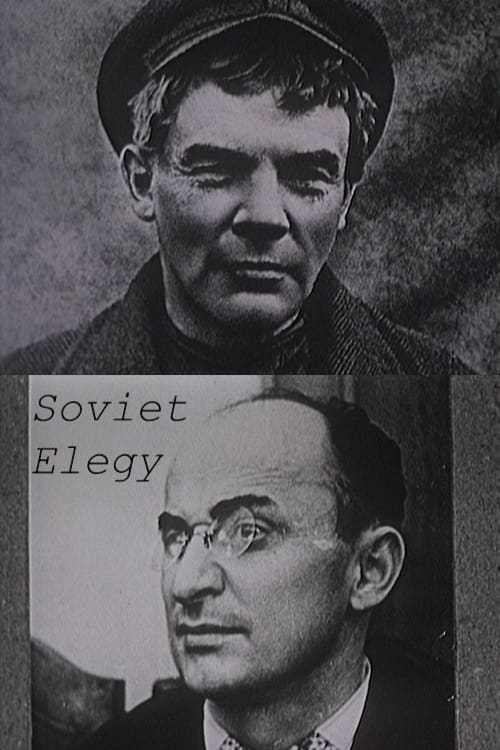
In "The Soviet Elegy" the long train of photos of the Soviet leaders, dead or alive, stops at the portrait of Yeltsin. At the time of shooting Yeltsin had fallen down from the assembly of the Communist Party deities, and participated in the earthly life through connections of different kinds.
- Film8.0Belgesel
The second film by Sokurov featuring Boris Yeltsin as the principal character. Now he is the President of Russia, invested with power, bearing the full responsibility for the destinies of his distant compatriots as well as his closest kin and friends.
 Film5.0Belgesel
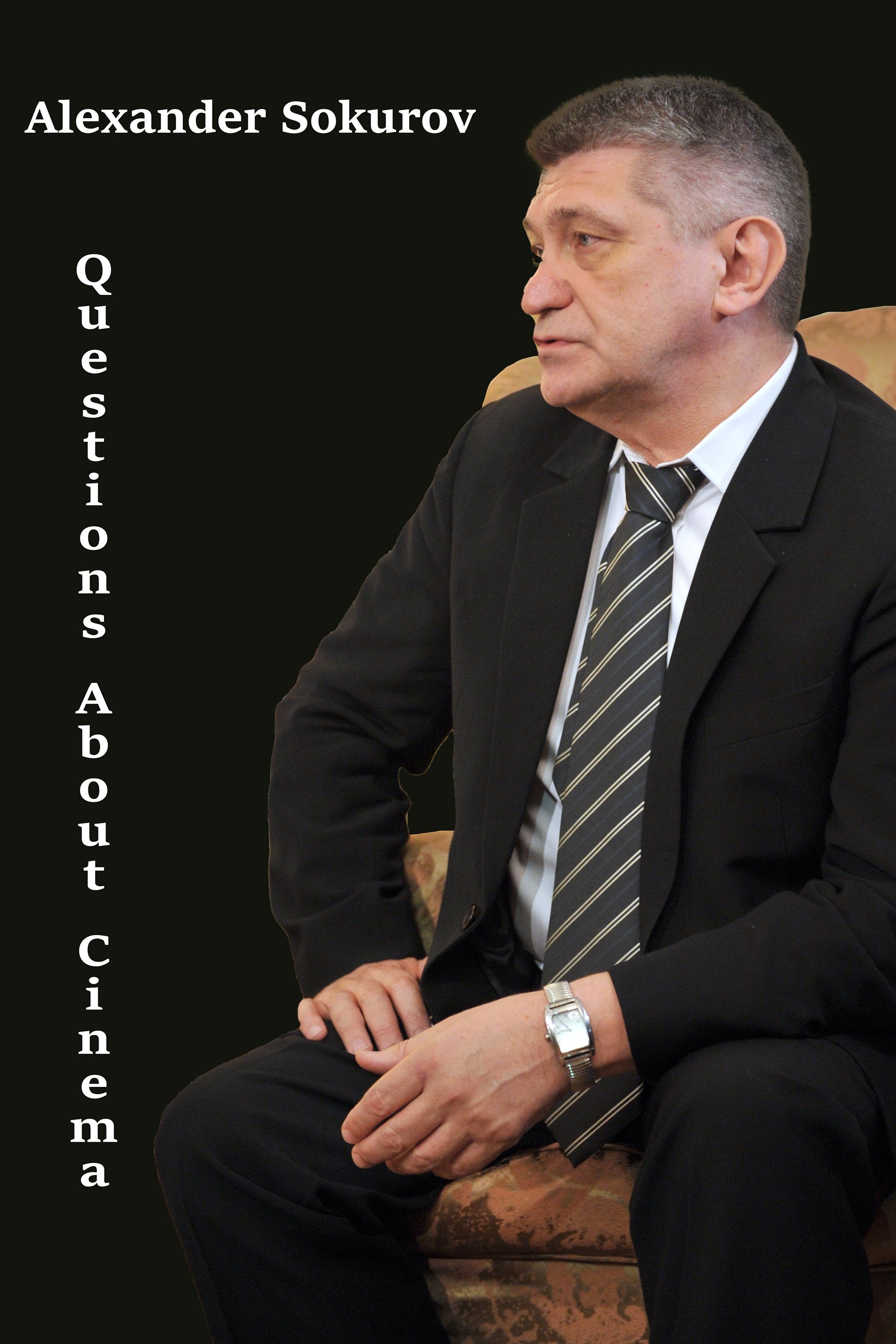
An encounter with the great Russian film director Alexander Sokurov, which gives rise to a lot of questions about his artistic stand and the problems he touches upon and resolves in his works. The film presents the director’s thoughts about the history of cinema, about the power of the sound and image, about the past and future of cinema, accompanied by fragments from his films and various archival materials.
 Film6.0Belgesel
The story about the life of Shaliapin’s family, and an emotional generalization of the life of people in modern Leningrad.
 FilmBelgesel
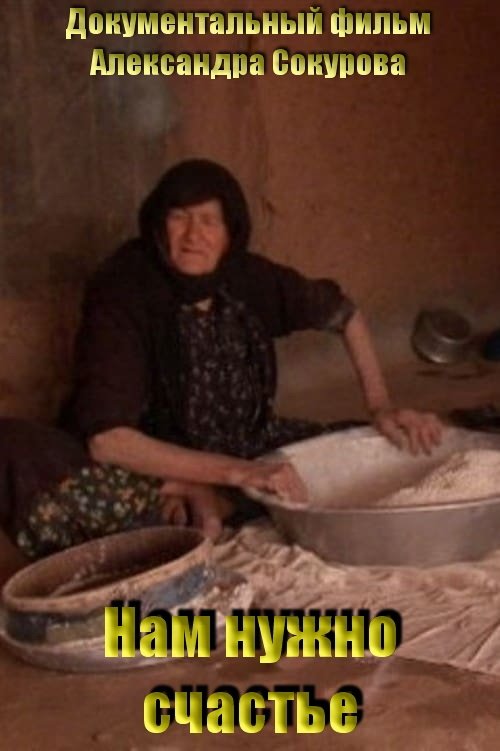
The life stories of two elderly women living in a remote region of Kurdish Iraq.
 Film6.9Belgesel
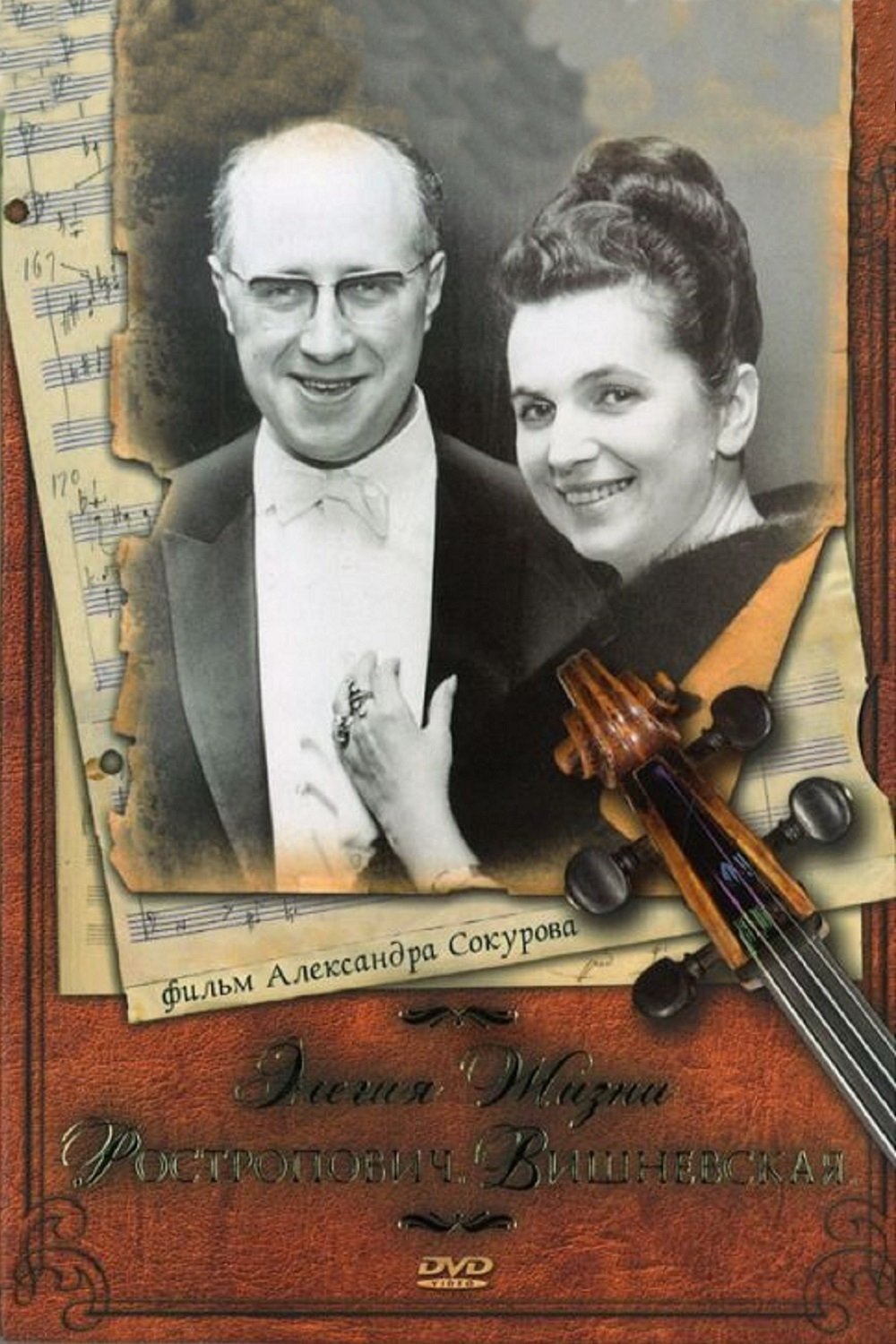
A documentary about the famous musician Mstislav Rostropovich and his wife, Galina Vishnevskaya.
Diziler2
 Dizi7.7Belgesel
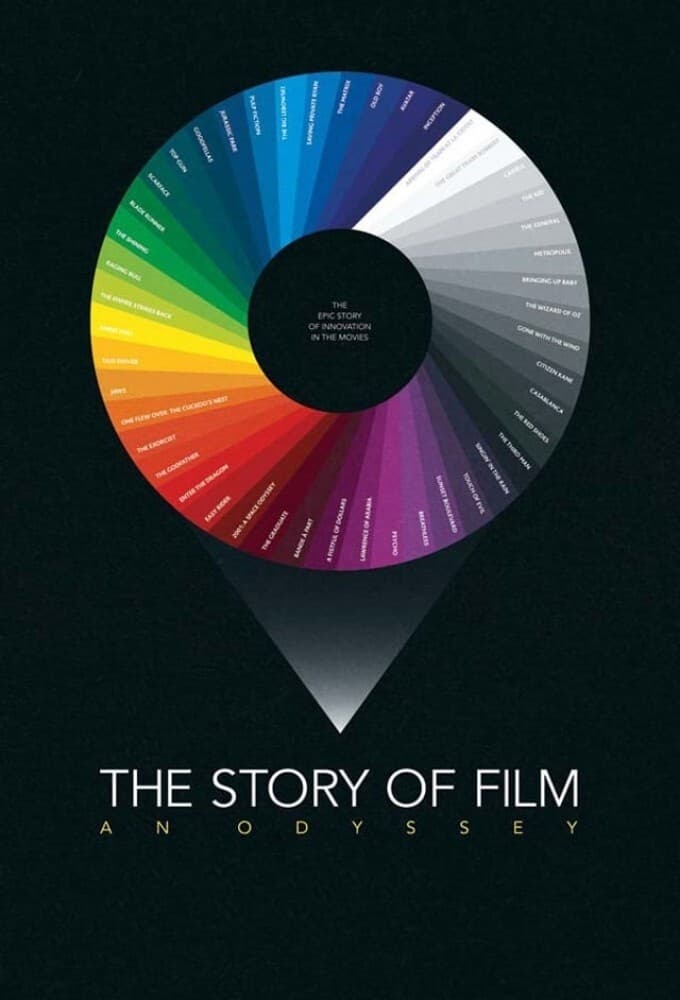
A worldwide guided tour of the greatest movies ever made and the story of international cinema through the history of cinematic innovation.
The Story of Film: An Odyssey
2011 · 69 votes
 Dizi6.5Belgesel
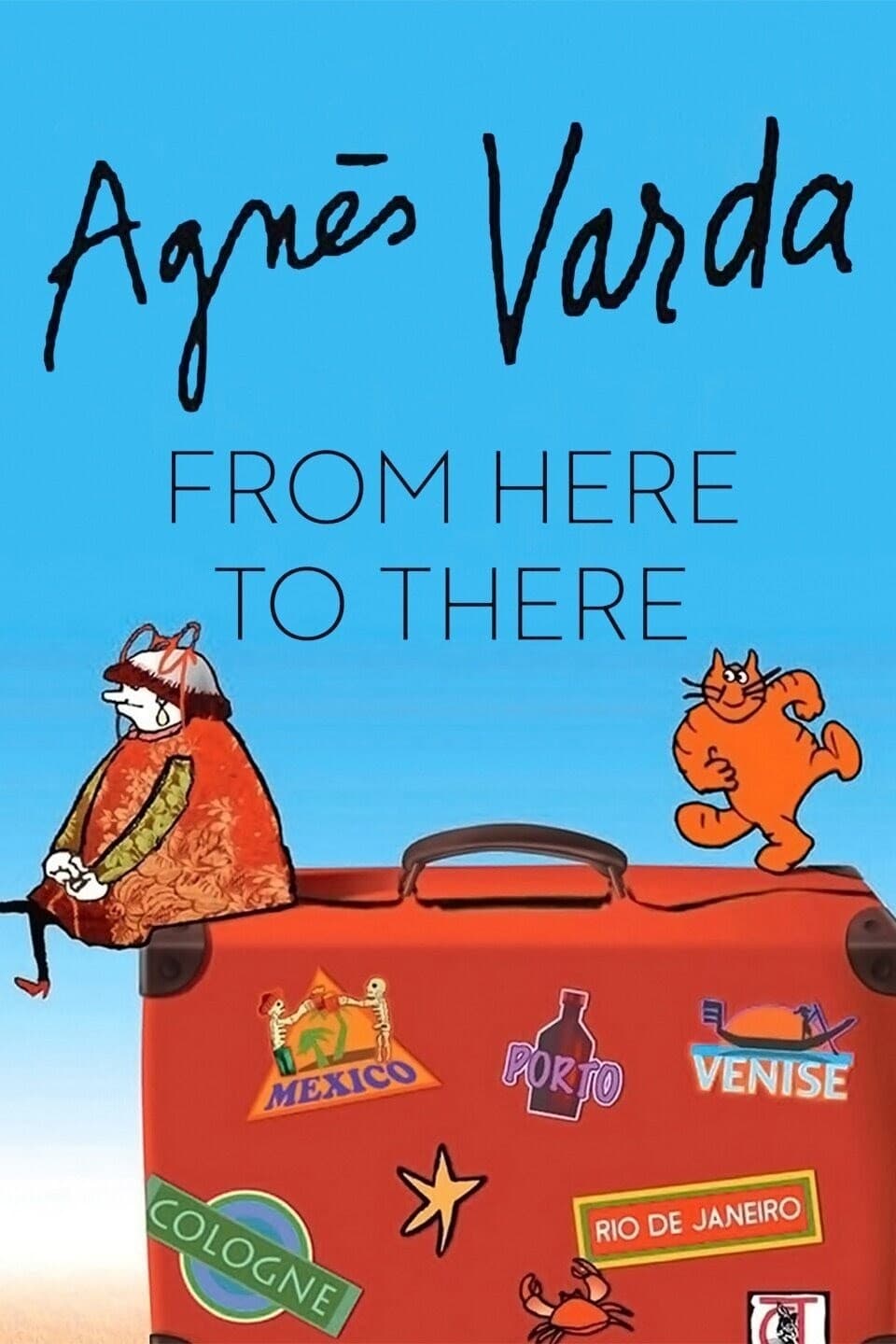
Agnès Varda takes us on a journey of discovery as she travels the globe—from Stockholm to St. Petersburg, Lisbon to Rio de Janeiro, Mexico City to Los Angeles—meeting with friends, artists, and fellow filmmakers.