
Ozualdo Ribeiro Candeias
Yönetmen · 1918 – 2007 · Cajobi, São Paulo, Brazil
Ozualdo Ribeiro Candeias (1918 – 2007) was a Brazilian screenwriter, editor, photographer, director of photography, actor, producer and filmmaker. Candeias is believed to have been born in 1918, but was only registered in the town of Cajobi, in the state of São Paulo, in 1922. He worked in a number of jobs, from aeronautics sergent to truck driver. A self-taught filmmaker, he released his debut feature "A Margem" in 1967, a starting point for the Cinema Marginal movement (also dubbed Cinema de Invenção), which would forever change paradigms in the history of Brazilian cinema. Longing for distribution company for it, he turned to the Boca do Lixo, a block in downton São Paulo then known as a stronghold to independant filmmakers. A passionate advocate for the Boca, he paid homages to it in both short and feature films. His work is composed of numerous shorts and feature-length films, mostly depiciting life of communities either in urban or rural Brazil dealing with life in poverty. Among the genres Candeias has worked with are horror, western, exploitation and drama, although his films are hard to categorize due to their experimental nature. Although a few of his features met commercial success, such as 1969s "Meu Nome É Tonho", Candeias' films had a notoriously small audience during his lifetime. "Caçada Sangrenta" (1974) and "A Freira e a Tortura" (1983), two of his features aimed at a more conventional public, emerged from a deal with producer/actor David Cardoso, who had previously starred in "A Herança" (1971), Candeias' take on Hamlet reimagined as taking place in rural Brazil. Candeias' picture "Aopção ou As Rosas da Estrada" (1981) won the Bronze Leopard at the Locarno Film Festival. His last feature, "O Vigilante" (1992), won the Special Jury Award at the 25th Brasília Film Festival, but was never distributed at the theatres.
Filmler16
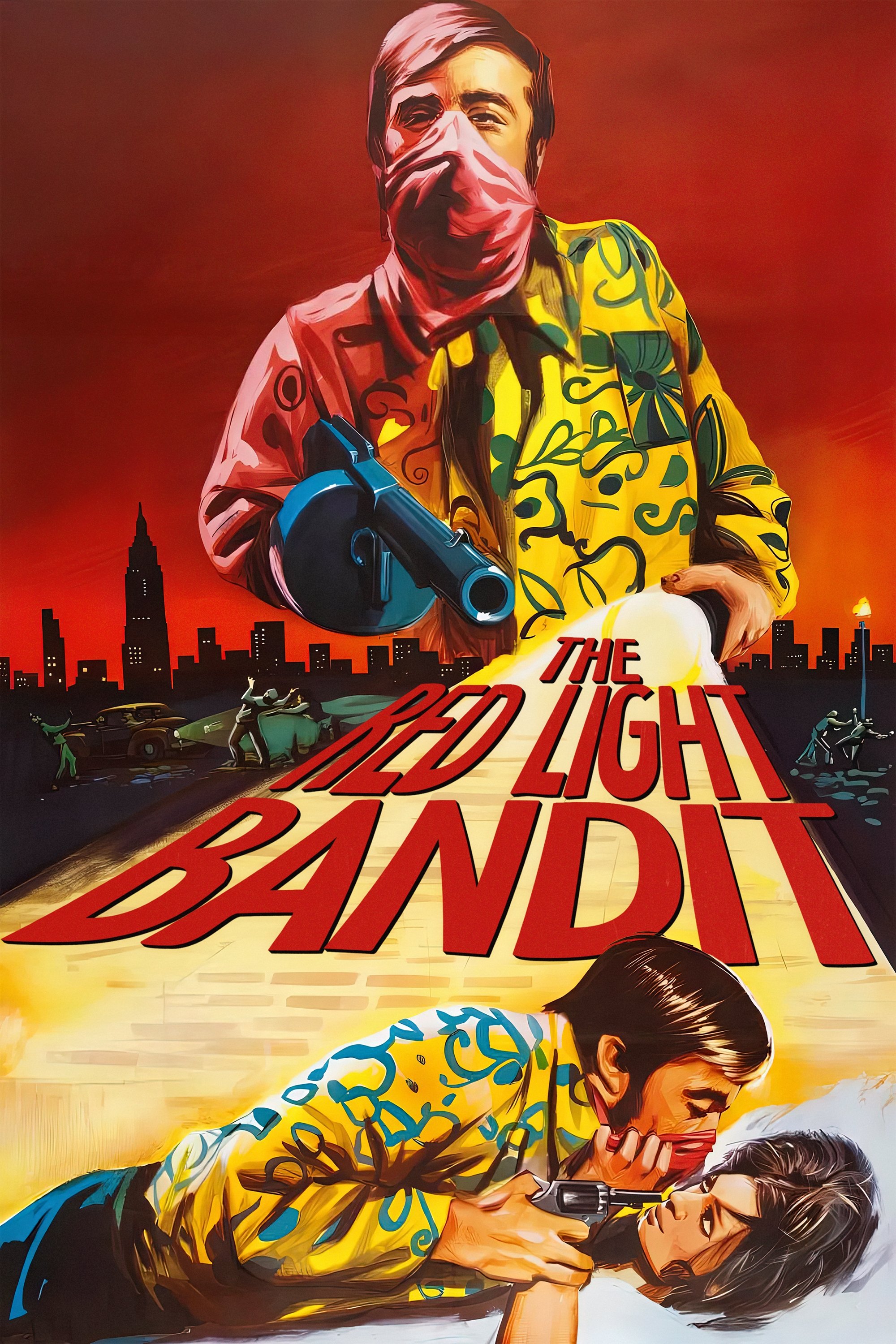 Film7.7GerilimSuç
Born and raised in the misery of Brazilian slums, Jorge becomes a luxury house burglar in São Paulo and gets nicknamed "The Red Light Bandit" by the sensationalist press. In addition to wearing a red flashlight, he talks to his hostages in an irreverent tone and makes bold breakthroughs to later spend the money extravagantly. His world is the decadent neighbourhood of Boca do Lixo.
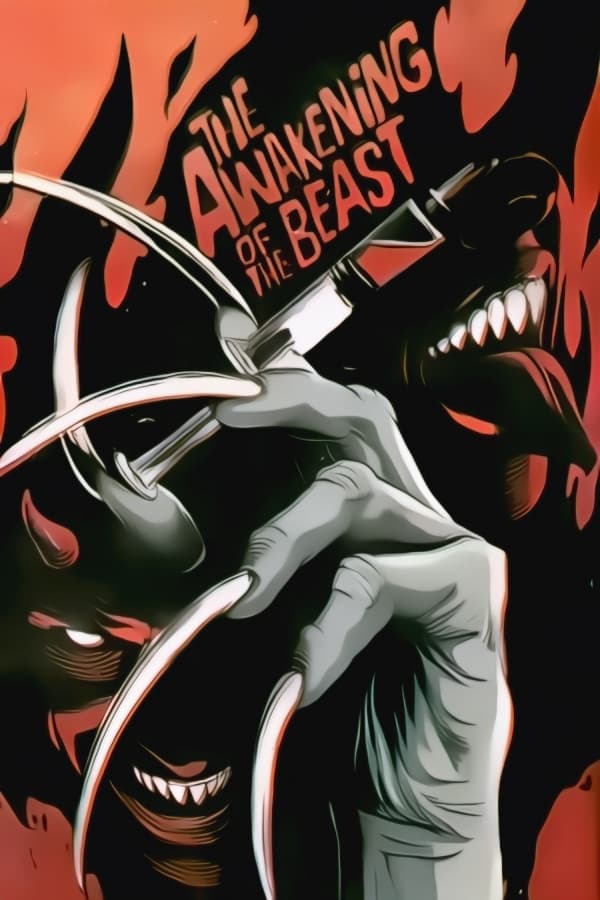 Film5.5KorkuDram
A psychiatrist experiments on four volunteers with LSD to examine '60s drug culture, soon unleashing an expert in depravity.
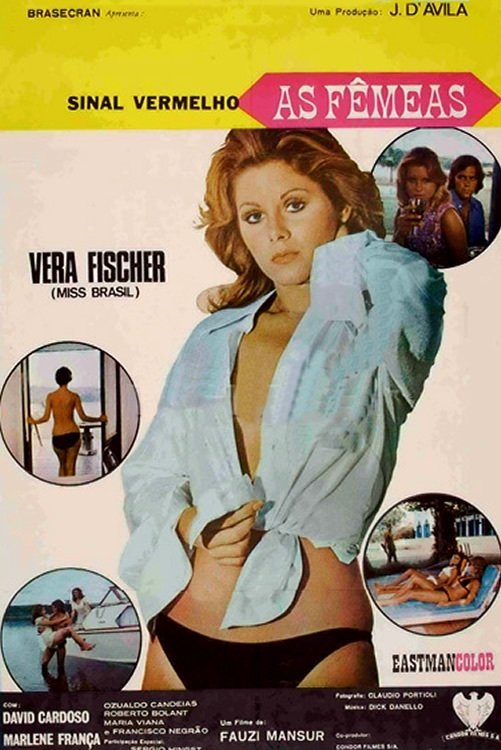 Film6.0Dram
Sinal Vermelho - As Fêmeas
1972 · 2 votes
 FilmBelgesel
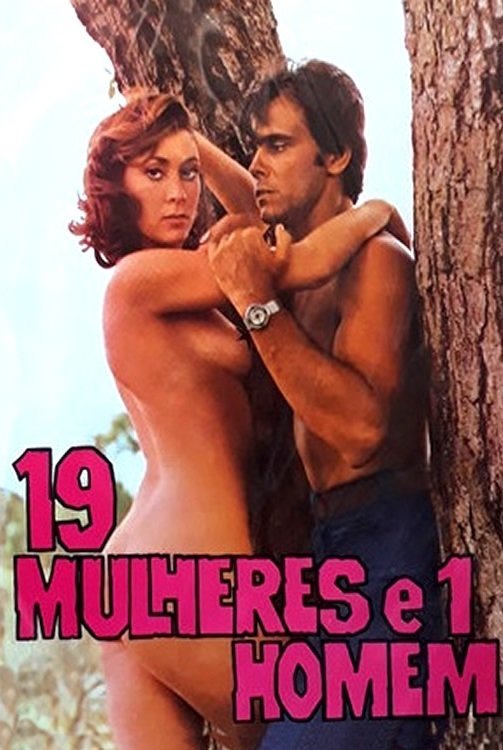 Film7.0DramMacera
19 Mulheres e 1 Homem
1977 · 2 votes
 Film9.0Dram
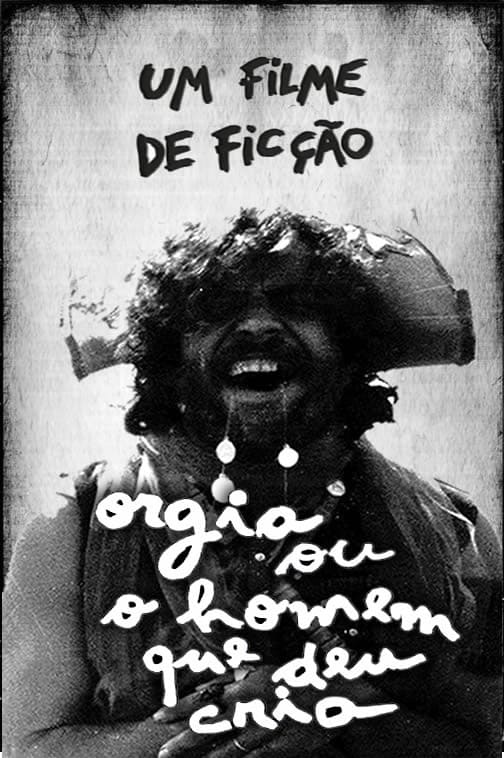
A countryman kills his father and heads for the big city. On his way, he meets the most bizarre and allegorical types: a robber, a drag queen who thinks he's Carmen Miranda, a black king, a fallen black angel, a priest, two whores, a pregnant cowboy, among others.
 Film8.0DramBelgesel
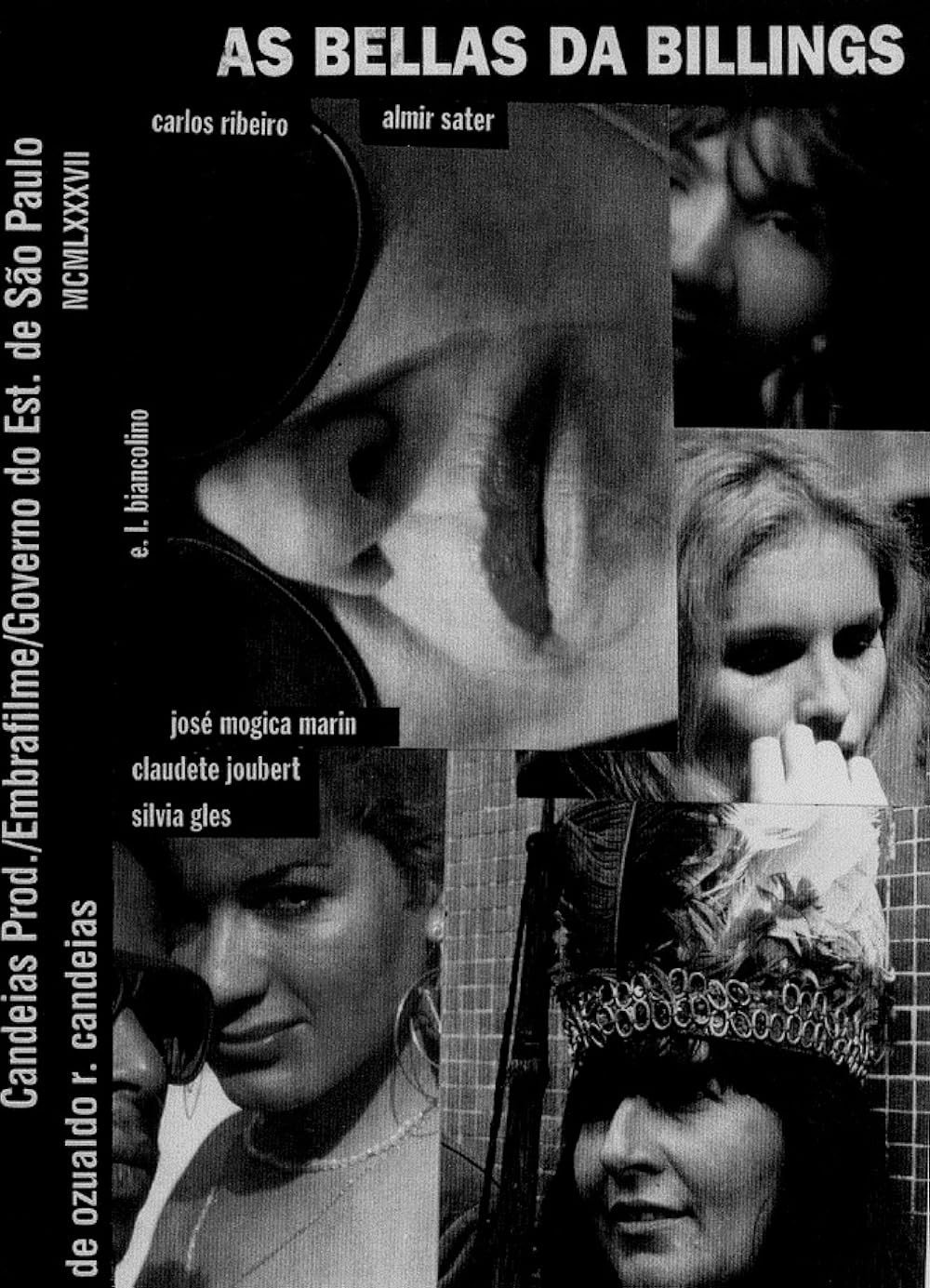
A travelogue through the remains of São Paulo failing 80s economy, including its in ruins film industry.
 Film10.0Belgesel
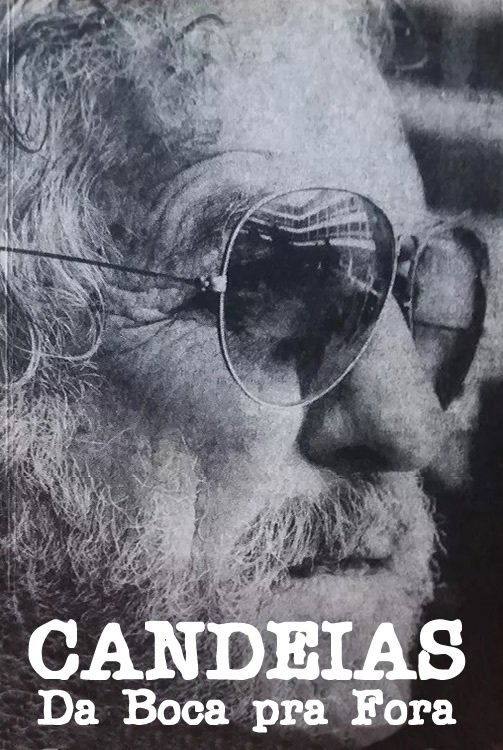
Candeias: Da Boca pra Fora
2003 · 1 votes
 FilmBelgesel
An authentically marginal cinema created in Catholic university in Brazil. One of the most intriguing and imaginative moments in modern cinema in the voice of some of its select conspirators—with Carlos Reichenbach at the lead—, and through the most razing flow of images that can possibly be conceived.
 FilmBelgesel
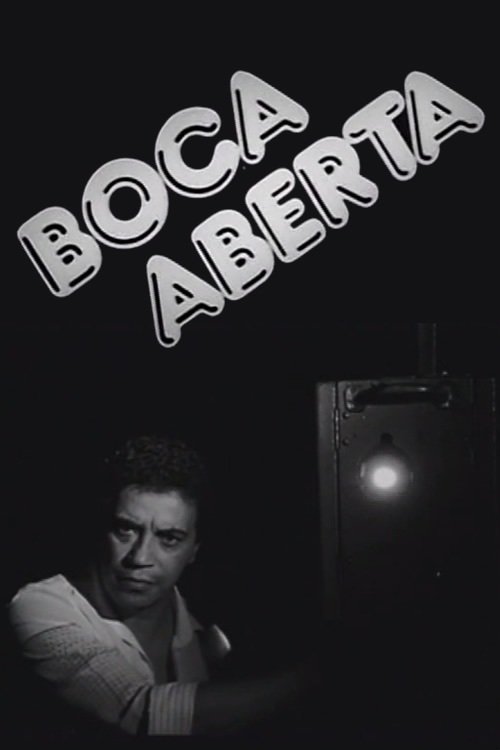
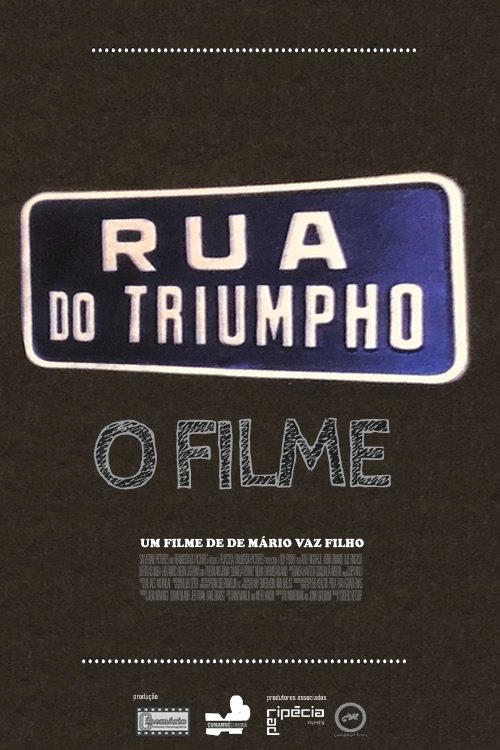
A discussion on Brazilian cinema, focusing on São Paulo's Boca do Lixo production pole.
Boca Aberta
1985
 FilmBelgesel
 Film8.0Korku
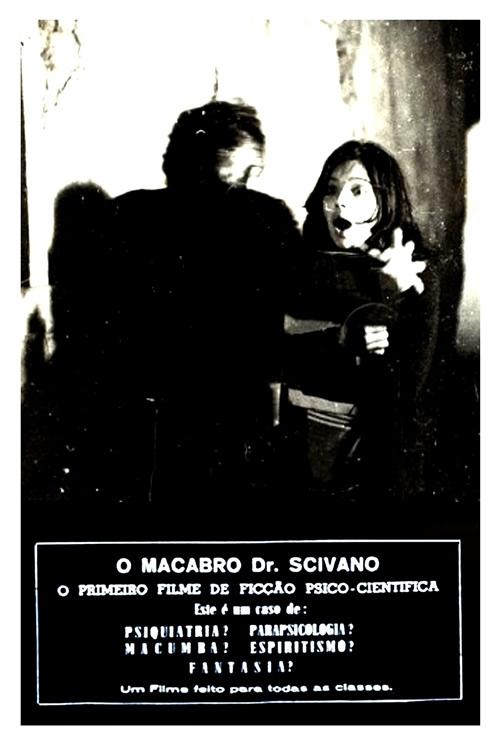
Edmundo Scivano returns to his hometown after years of failure in his political career. Discredited, he seeks the support of his countrymen to get his life back on track, but finds only contempt and disappointment in his path. Dissatisfied and angry, Scivano decides, insanely, to make a pact with the devil to obtain power and wealth to plot his revenge.
 FilmBelgesel
Soberano
2005
 Film10.0Belgesel
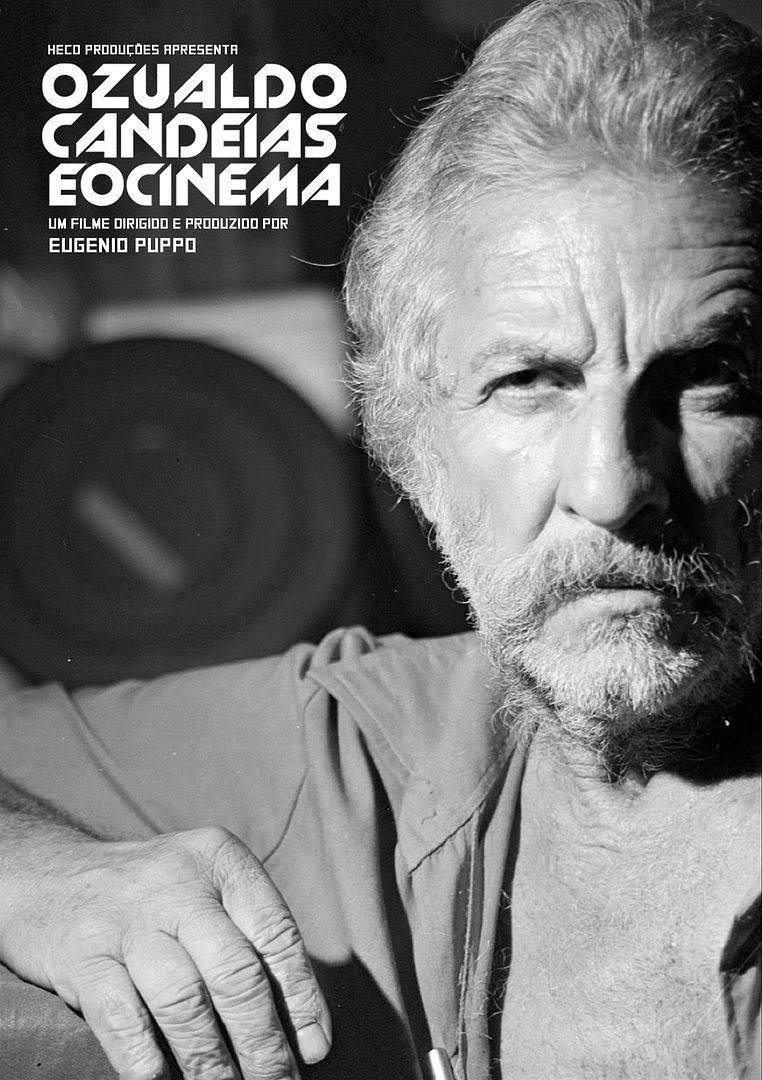
Using a mixture of film clips and interviews with Ozualdo Candeias himself the film tells the director's 40 year trajectory.
 FilmBelgesel
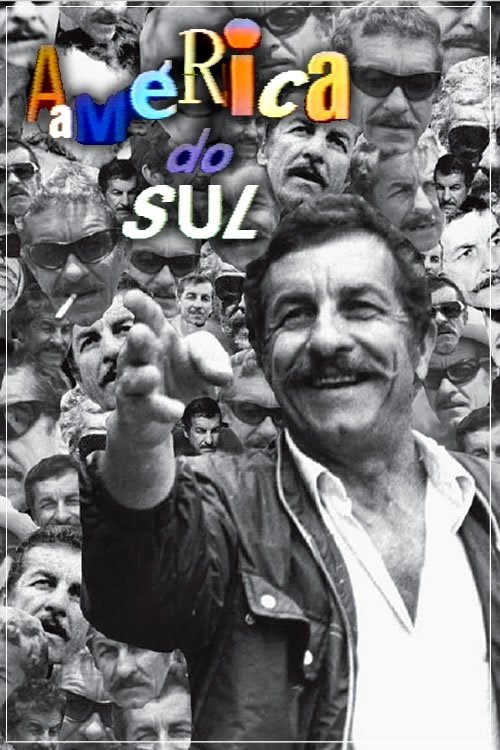
In 1968, Candeias made five short films shot by him in the South American countries of Argentina, Paraguay, Bolivia, Colombia and Venezuela. The films were lost for over two decades before being found in 1992. After discovery the shorts were packaged together in this film.
A América do Sul
1992
 FilmBelgesel