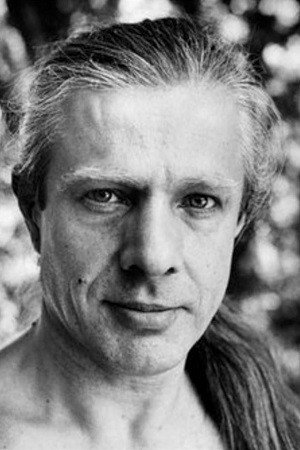
Peter Orlovsky
Oyuncu · 1933 – 2010 · New York City, New York, USA
Peter Anton Orlovsky (July 8, 1933 – May 30, 2010) was an American poet and actor. He was the long-time partner of Allen Ginsberg.
Filmler15
 Film6.6
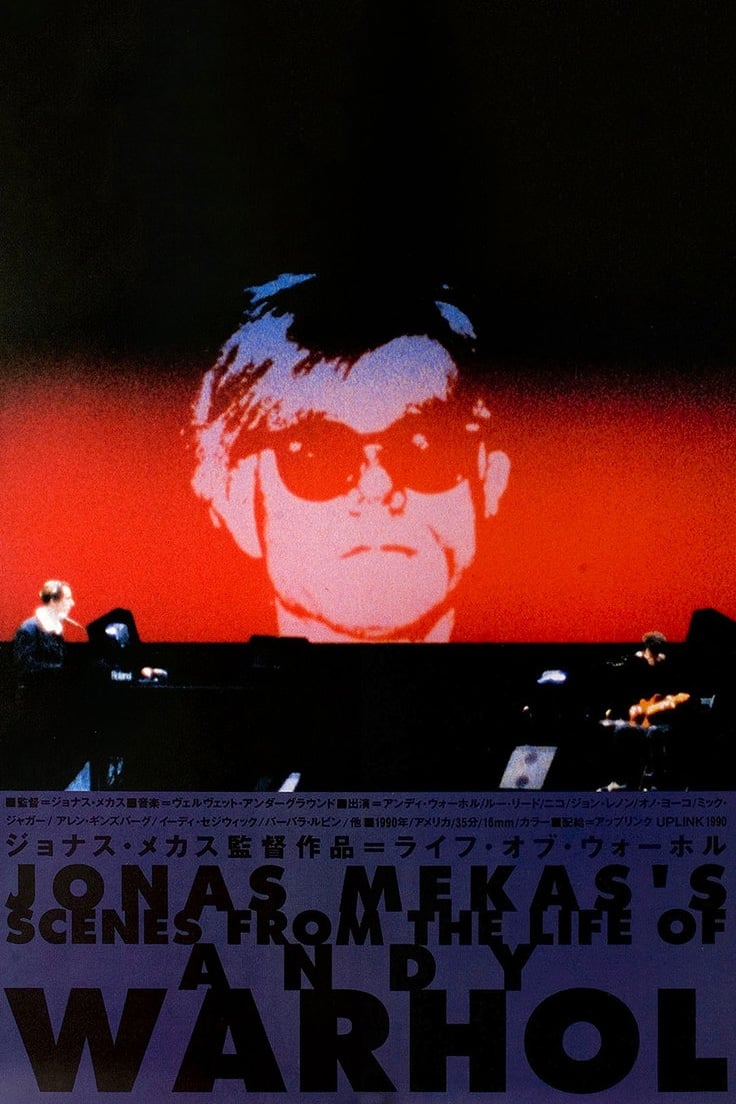
Bu filmde Jonas Mekas, büyük pop sanatçısı Andy Warhol’un değil aynı zamanda onun etrafındaki sosyal ve kültürel coşkunun, uyuşturan Velvet Underground kalp atışlarının izini sürüyor.
 Film7.0BelgeselMüzik
Part documentary, part concert film, part fever dream, this film captures the troubled spirit of America in 1975 and the joyous music that Dylan performed during the fall of that year.
Rolling Thunder Revue: A Bob Dylan Story by Martin Scorsese
2019 · 151 votes
 Film10.0Belgesel
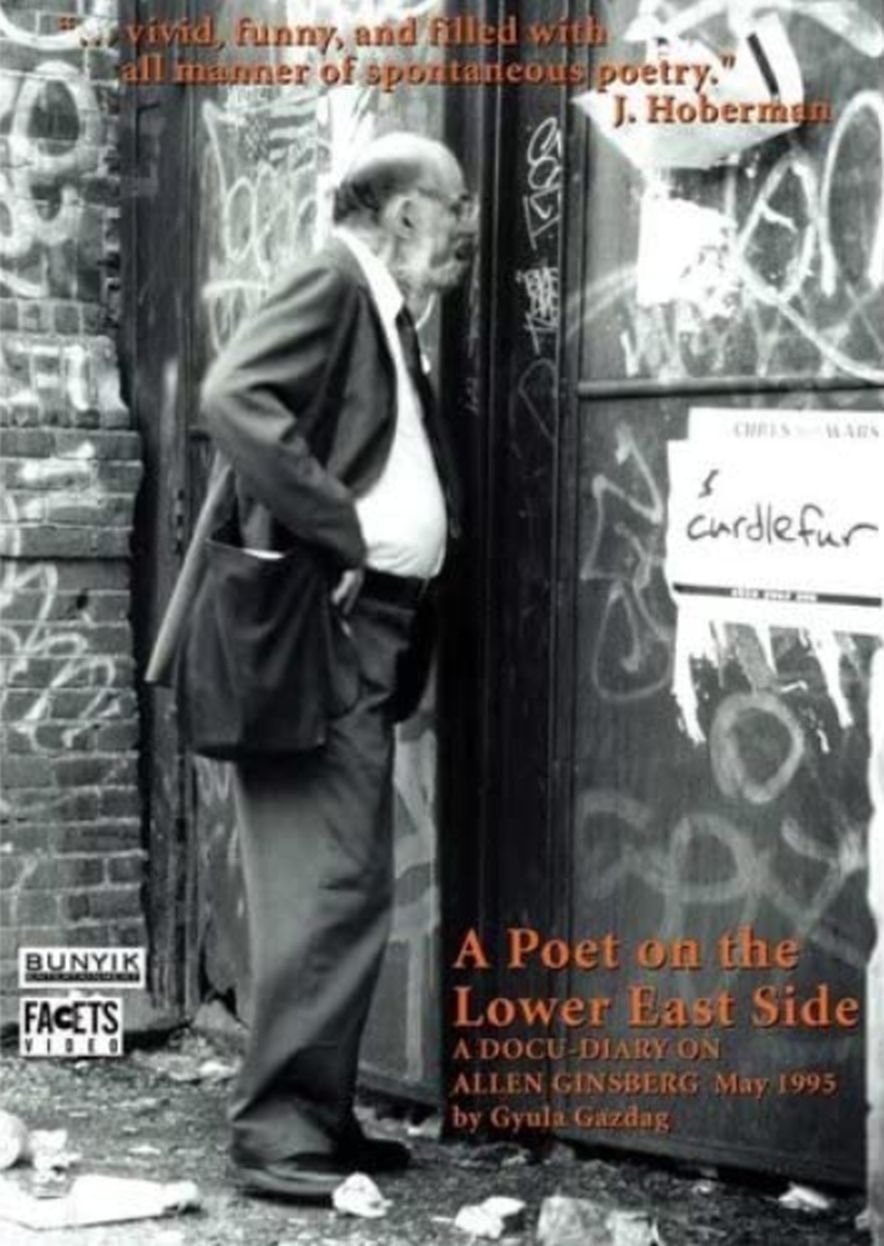
Filmmaker Gyula Gazdag's fascinating documentary follows Hungarian poet, playwright and activist István Eörsi on a trip to the streets of New York to visit his friend and contemporary, the iconic beat poet Allen Ginsberg. Shot just two years before Ginsberg's death, the film follows the two friends as they share poetry and laughs, wandering the streets of the Lower East Manhattan, musing about the past and contemplating the future.
 FilmBelgeselTarih
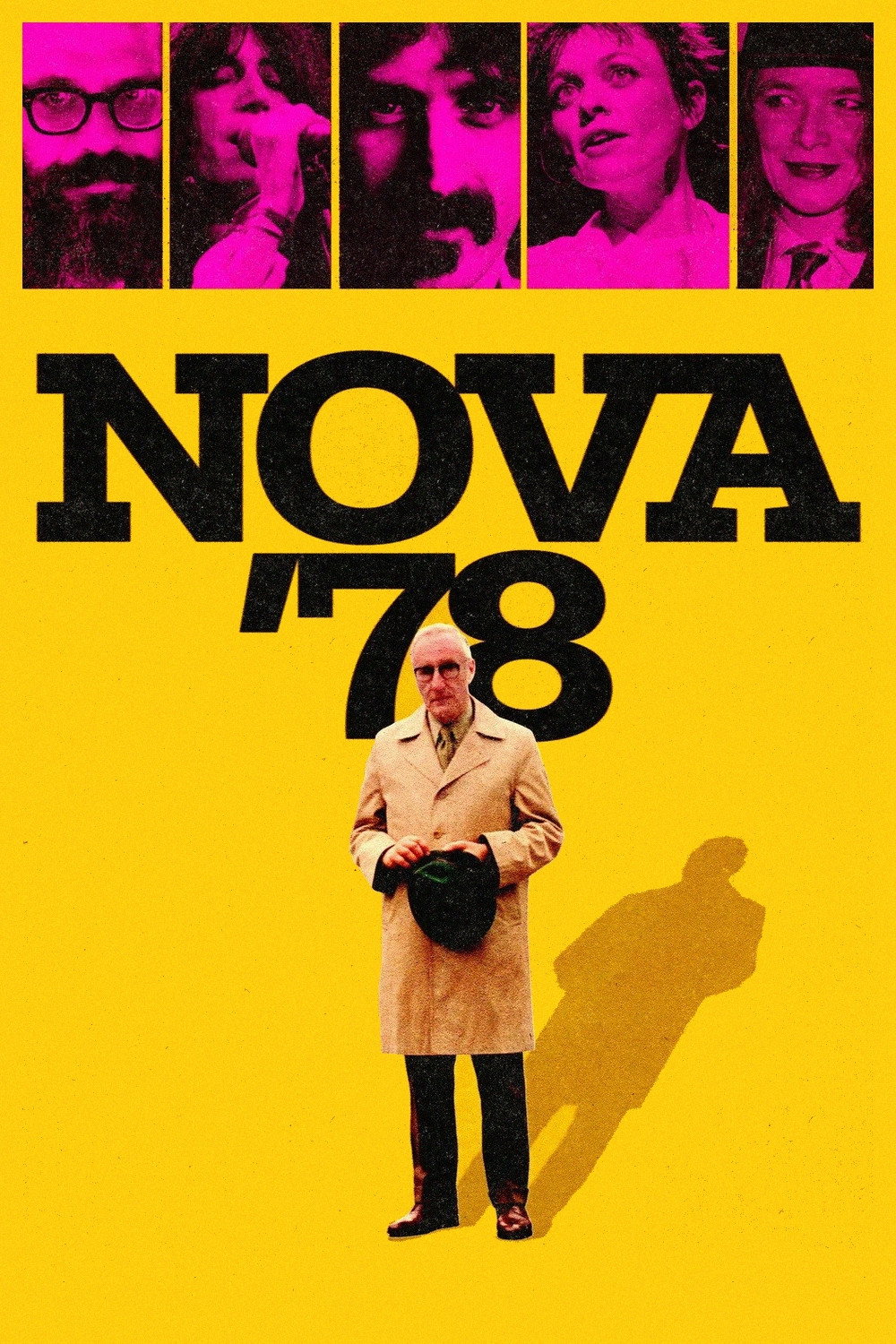
East Village, New York, 1978. William Burroughs, Patti Smith, Frank Zappa, Allen Ginsberg, and other brilliant minds come together in an explosion of ideas, art, and rebellion.
Nova '78
2026
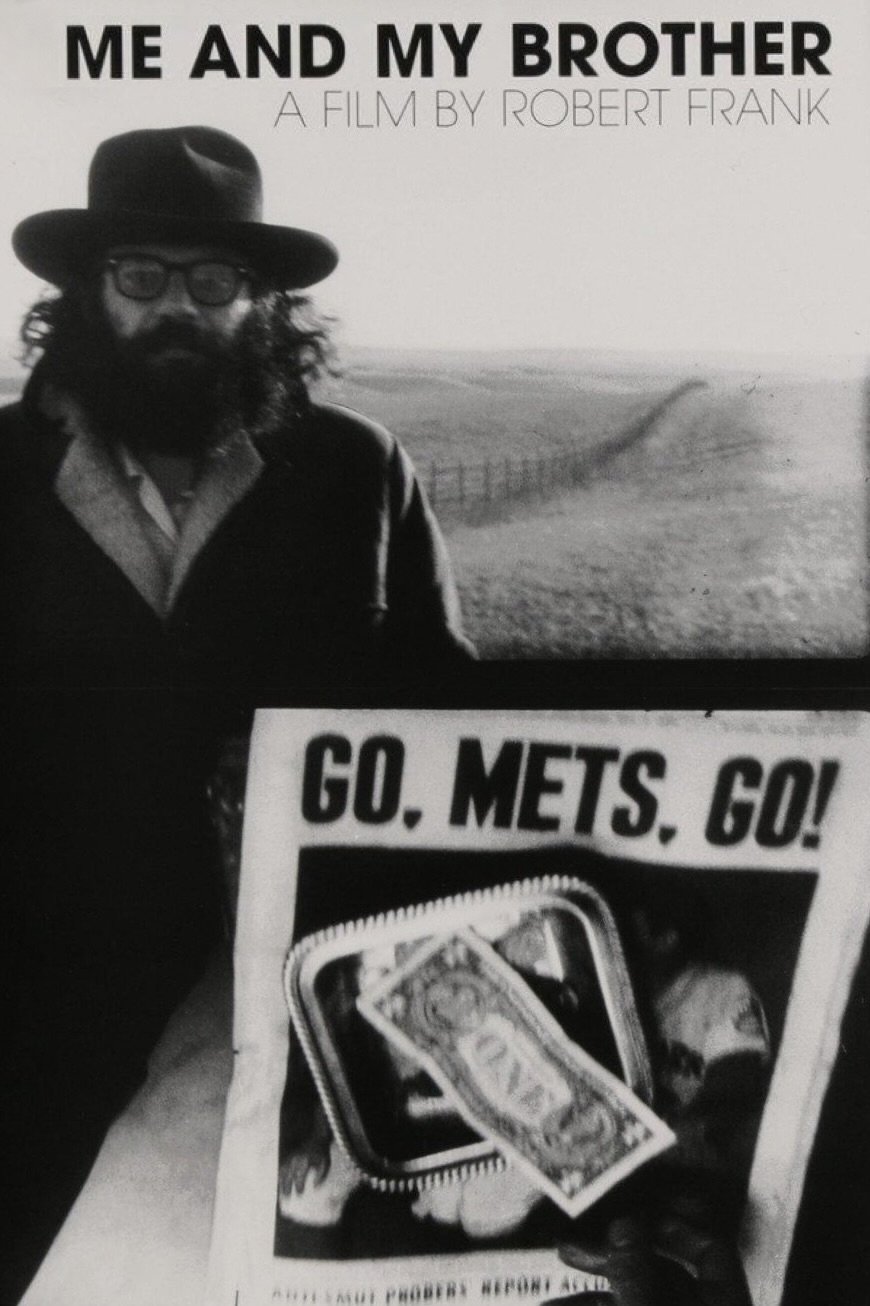 Film6.5Dram
Julius Orlovsky, after spending years in a New York mental hospital, emerges catatonic and must rely on his brother Peter, who lives with poet Allen Ginsberg. When Julius wanders off in the middle of filming, Frank hires and actor (Joseph Chaikin) to play the character and begins a fictional version of his psychological portrait. Then, as suddenly as he vanished, Julius turns up in an institution where he and Peter must face their relationship.
Me and My Brother
1969 · 6 votes
 Film6.3Dram
Semi-autobiographical story of Conrad Rooks, who travels to France to undergo a drug-withdrawal cure. Flashbacks to the beginings of psychedelia in San Fran. Though initially confusing, as Rooks blends drug-illusion with reality, and cuts color with black-and-white and monochrome tinted shots, "Chappaqua" is conventionally constructed with a beginning, middle, and end.
Chappaqua
1966 · 12 votes
- Film7.7Belgesel
After World War II a group of young writers, outsiders and friends who were disillusioned by the pursuit of the American dream met in New York City. Associated through mutual friendships, these cultural dissidents looked for new ways and means to express themselves. Soon their writings found an audience and the American media took notice, dubbing them the Beat Generation. Members of this group included writers Jack Kerouac, William Burroughs, Allen Ginsberg. a trinity that would ultimately influence the works of others during that era, including the "hippie" movement of the '60s. In this 55-minute video narrated by Allen Ginsberg, members of the Beat Generation (including the aforementioned Burroughs, Anne Waldman, Peter Orlovsky, Amiri Baraka, Diane Di Prima, and Timothy Leary) are reunited at Naropa University in Boulder, CO during the late 1970's to share their works and influence a new generation of young American bohemians.
Fried Shoes Cooked Diamonds
1979 · 3 votes
 Film
FilmThe influence of Jewish fathers on their sons and the complexity of familial relationships are explored in a witty, poignant portrait of two artists. Beat poet Allen Ginsberg (whose father Louis was a poet in his own right) and performance artist/sculptor Allan Kaprow (whose father is a high-powered lawyer) are the sons who struggle with and against the influences of these patriarchal figures.
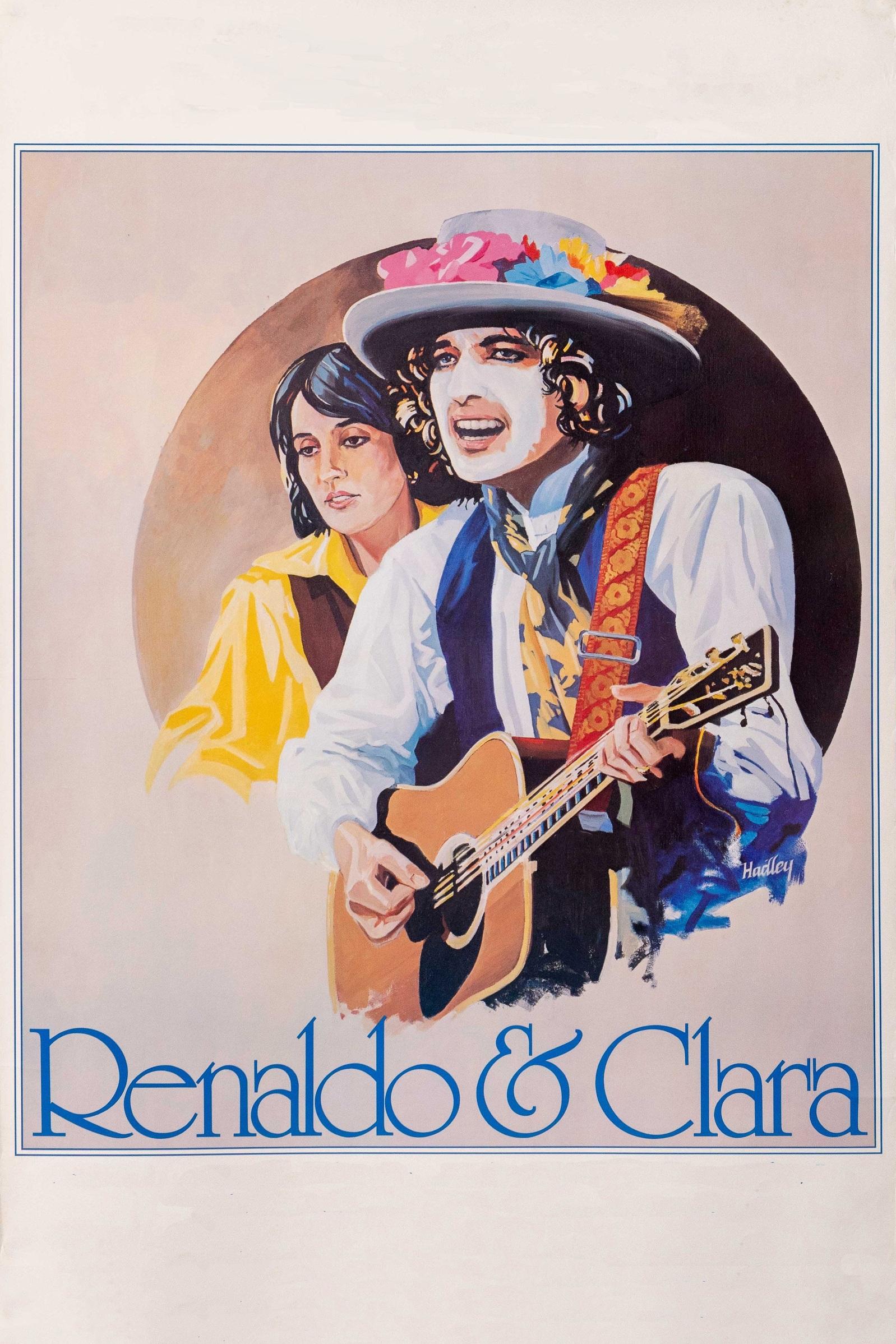 Film7.9DramMüzik
Filmed in the autumn of 1975 prior to and during Bob Dylan's Rolling Thunder Revue tour – featuring appearances and performances by Ronee Blakley, T-Bone Burnett, Jack Elliott, Allen Ginsberg, Arlo Guthrie, Ronnie Hawkins, Roger McGuinn, Joni Mitchell, Mick Ronson, Arlen Roth, Phil Ochs, Sam Shepard, and Harry Dean Stanton – the film incorporates three distinct film genres: concert footage, documentary interviews, and dramatic fictional vignettes reflective of Dylan's song lyrics and life.
Renaldo and Clara
1978 · 11 votes
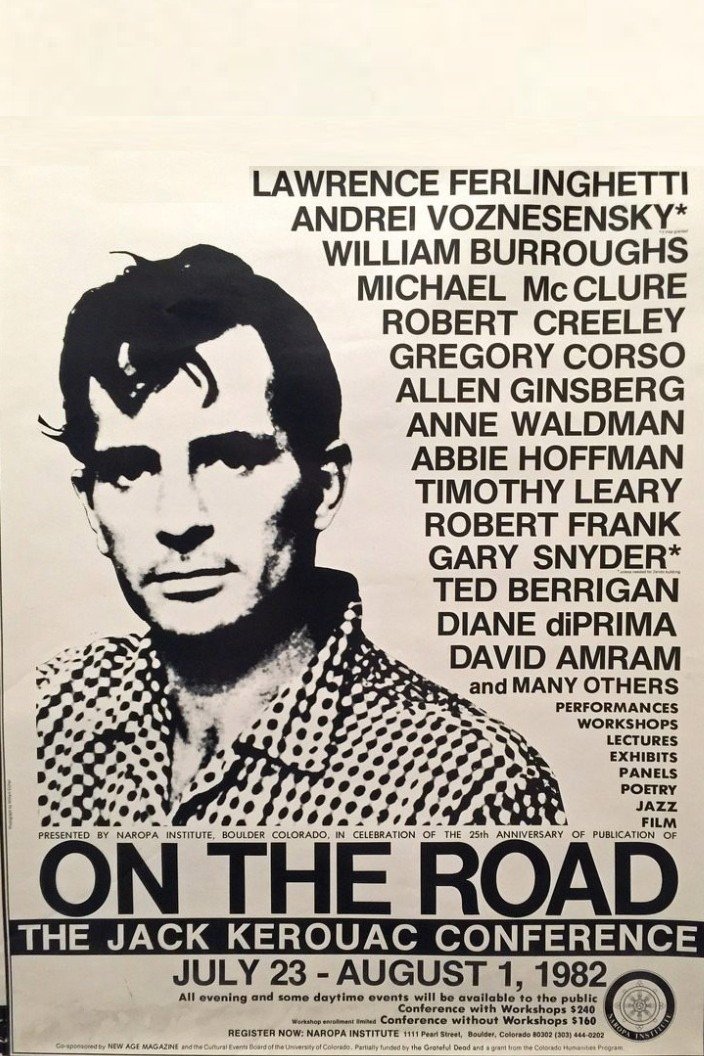 Film6.5Belgesel
In 1982, Robert Frank was on hand at the Naropa Institute in Boulder, Colorado, to film the Jack Kerouac Conference, a 25th-anniversary commemoration of On the Road in which poignantly aging Beats and fellow-traveling authors, activists, and composers (Allen Ginsberg, William Burroughs, Gregory Corso, Michael McClure, Herbert Huncke, Anne Waldman, Lawrence Ferlinghetti, Ken Kesey, Abbie Hoffman, David Amram) gathered on a rain-swept Chautauqua porch to recite poetry and raise a glass to their patron saint. Particularly memorable is Frank’s humorous encounter with a group of grizzled and well-lubricated onlookers. — Museum of Modern Art
This Song for Jack
1983 · 2 votes
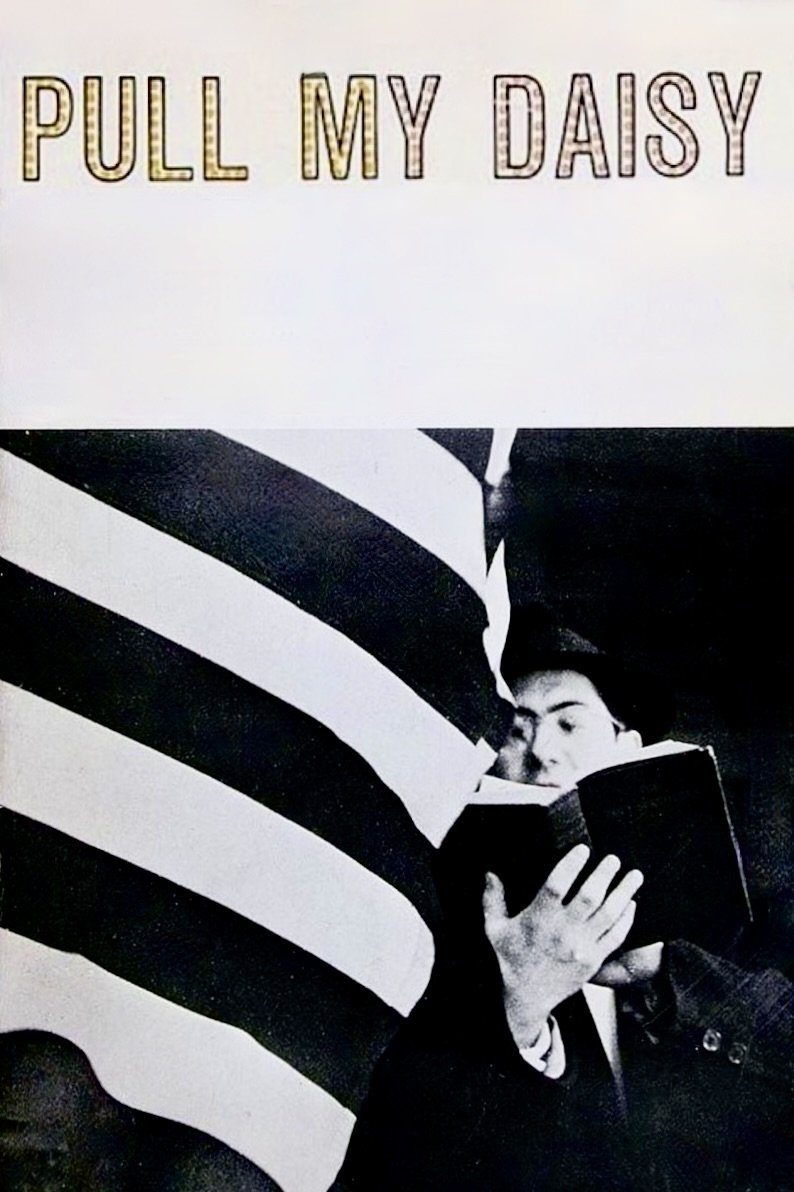 Film6.1KomediDram
Based on an incident in the life of Beat icon Neal Cassady and his wife, the painter Carolyn, the film tells the story of a railway brakeman whose wife invites a respected bishop over for dinner. However, the brakeman's Bohemian friends crash the party, with comic results. Pull My Daisy is a film that typifies the Beat Generation. Directed by Robert Frank and Alfred Leslie, Daisy was adapted by Jack Kerouac from the third act of his play, Beat Generation; Kerouac also provided improvised narration.
Pull My Daisy
1959 · 30 votes
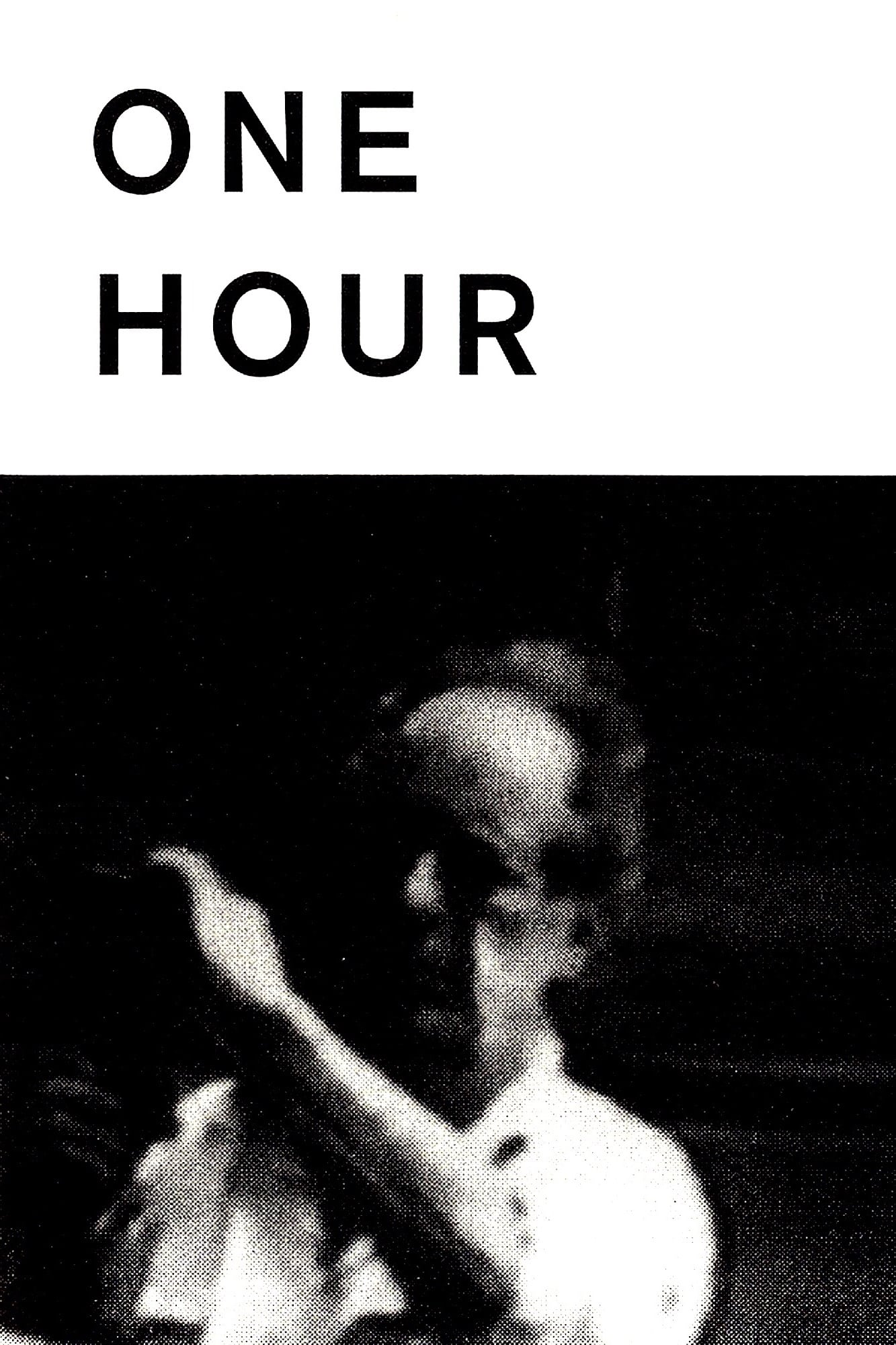 Film6.6Belgesel
One of the longest handheld tracking shots in film history, It’s Real documents an hour in the street life of downtown Manhattan. Not only is it a unique record of a particular time and place—July 26, 1990, from 3:45 to 4:45 p.m. in the Lower East Side near Robert Frank’s studio (we note in a Daily News headline that after some 20 years the Zodiac killer still hasn’t been identified)—it’s also an experiment in fragmentary language, gesture, and life caught unawares. Snippets of dialogue captured in passing at phone booths and crosswalks, in alleyways, subways, and diners—chance encounters, only presumably, with people going about their day—have something of the aleatory cut-up technique of the Dadaists in the 1920s and William Burroughs and Byron Gysin in the 1950s, an effort to divine new and deeper meanings in ordinary life. — Museum of Modern Art
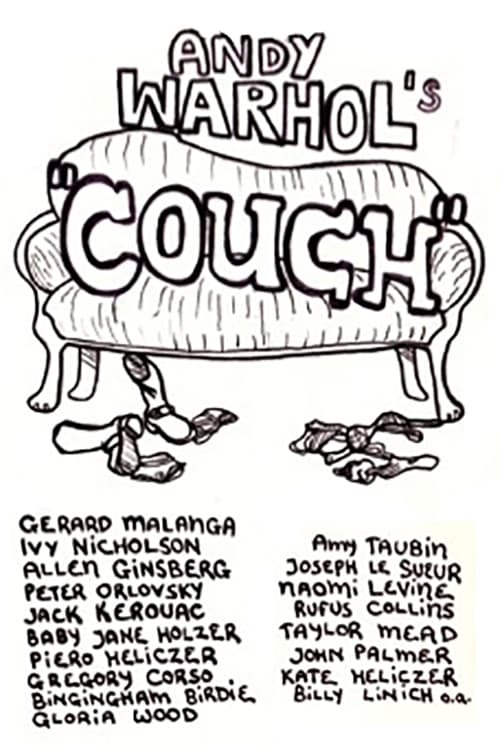 Film6.4
The couch at Andy Warhol's Factory was as famous in its own right as any of his Superstars. In Couch, visitors to the Factory were invited to "perform" on camera, seated on the old couch. Their many acts-both lascivious and mundane-are documented in a film that has come to be regarded as one of the most notorious of Warhol's early works. Across the course of the film we encounter such figures as poets Allen Ginsberg and Gregory Corso, the writer Jack Kerouac, and perennial New York figure Taylor Mead.
Couch
1964 · 8 votes
 Film5.7Belgesel
This film describes a psychological state "kin to moonstruck, its images emblems (not quite symbols) of suspension-of-self within consciousness and then that feeling of falling away from conscious thought. The film can only be said to describe or be emblematic of this state because I cannot imagine symbolizing or otherwise representing an equivalent of thoughtlessness itself. Thus the actors in the film, Jane Brakhage, Tom and Gloria Bartek, Williams Burroughs, Allen Ginsberg, Peter Olovsky and Phillip Whalen are figments of this 'Thought-Fallen Process', as are their images in the film to find themselves being photographed."
Thot-Fal'N
1978 · 6 votes
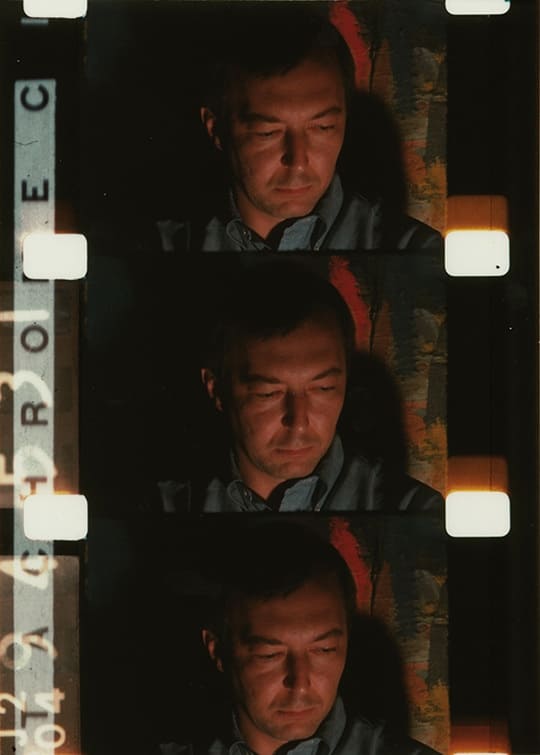 Film10.0Belgesel
In March and April of 1966, Markopoulos created this filmic portrait of writers and artists from his New York circle, including Parker Tyler, W. H. Auden, Jasper Johns, Susan Sontag, Storm De Hirsch, Jonas Mekas, Allen Ginsberg, and George and Mike Kuchar, most observed in their homes or studios. Filmed in vibrant color, Galaxie pulses with life. It is a masterpiece of in-camera composition and editing, and stands as a vibrant response to Andy Warhol's contemporary Screen Tests. Preserved by the Academy Film Archive in 2001.
Galaxie
1966 · 1 votes