Martha Rosler
Yönetmen · d. 1943 · Brooklyn, New York, USA
Martha Rosler (born 1943) is an American artist. She is a conceptual artist who works in photography and photo text, video, installation, sculpture, site-specific and performance, as well as writing about art and culture. Rosler's work is centered on everyday life and the public sphere, often with an eye to women's experience. Recurrent concerns are the media and war, as well as architecture and the built environment, from housing and homelessness to places of passage and systems of transport. Since the early 1970s, Martha Rosler has used photography, performance, writing, and video to deconstruct cultural reality. Describing her work, Rosler says, “The subject is the commonplace — I am trying to use video to question the mythical explanations of everyday life. We accept the clash of public and private as natural, yet their separation is historical. The antagonism of the two spheres, which have in fact developed in tandem, is an ideological fiction — a potent one. I want to explore the relationships between individual consciousness, family life, and culture under capitalism.” Avoiding a pedantic stance, Rosler characteristically lays out visual and verbal material in a manner that allows the contradictions to gradually emerge, so that the audience can discern these disjunctions for themselves. By making her ideas accessible, Rosler invites her audience to re-examine the dynamics and demands of ideology, urging critical consciousness of the individual compromises exacted by society, and opening the door to a radical re-thinking of how cultural “reality” is constructed for the economic and political benefit of a select group.
Filmler6
 Film
FilmIn this live performance for Paper Tiger Television's public-access cable program in New York, Rosler deconstructs the messages in Vogue and its advertising. Rosler looks at the institutional slants of the magazine industry and the fashion industry's reliance on sweatshops.
 FilmKomediDram
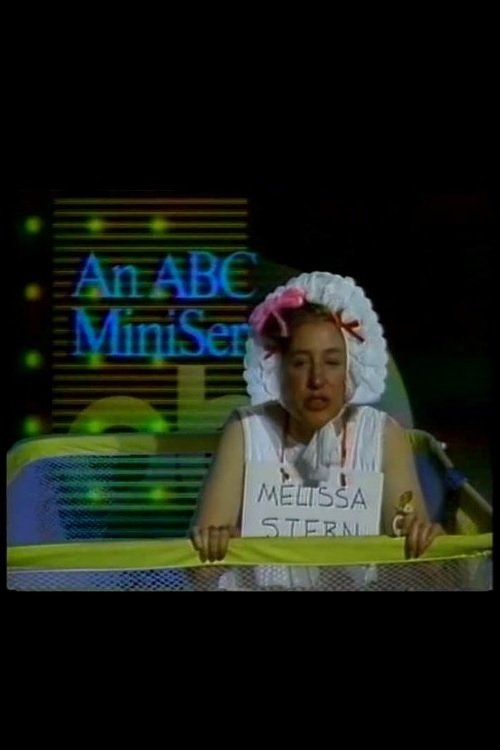
Born to be Sold is Paper Tiger Television and Rosler's acerbic and witty interpretation of the notorious "Baby M" case, in which a natural — "surrogate" — mother and father of a baby fought each other for custody of the child. Rosler assumes various roles of the participants in the controversy, from the baby to the sperm, from the lawyer to the judge, as well as the two women in the case. Reconstructing the story from its trial by media and the court transcripts, Rosler views "surrogate" mother Mary Beth Whitehead's actions as an attempt to defy the identity assigned by her class and gender, and sees the verdict favoring the Sterns as an endorsement of the father's phallic right, his jurisprudential entitlement. Her analysis demonstrates how political, class and ideological systems are played out on the body of the woman.
 Film9.0
Taking aim at the social standardization enforced particularly on women's bodies, Rosler critiques the politics of "objective" or scientific evaluation that result in the depersonalization, objectification, and colonization of women and Others.
Vital Statistics of a Citizen, Simply Obtained
1977 · 1 votes
- FilmBelgesel
Artist Martha Rosler identifies the totalitarian implications of an argument for torture under certain circumstances, as it appears in the editorial pages of Newsweek magazine.
 Film5.9
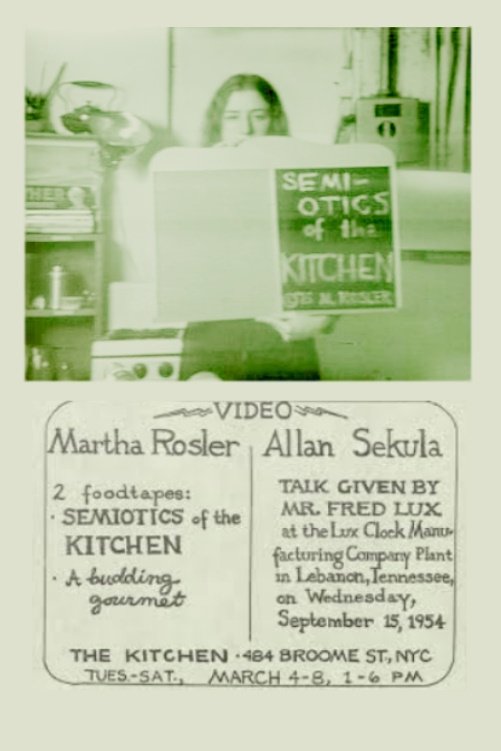
Martha Rosler explores kitchen utensils by alphabet.
Semiotics of the Kitchen
1975 · 7 votes
 Film
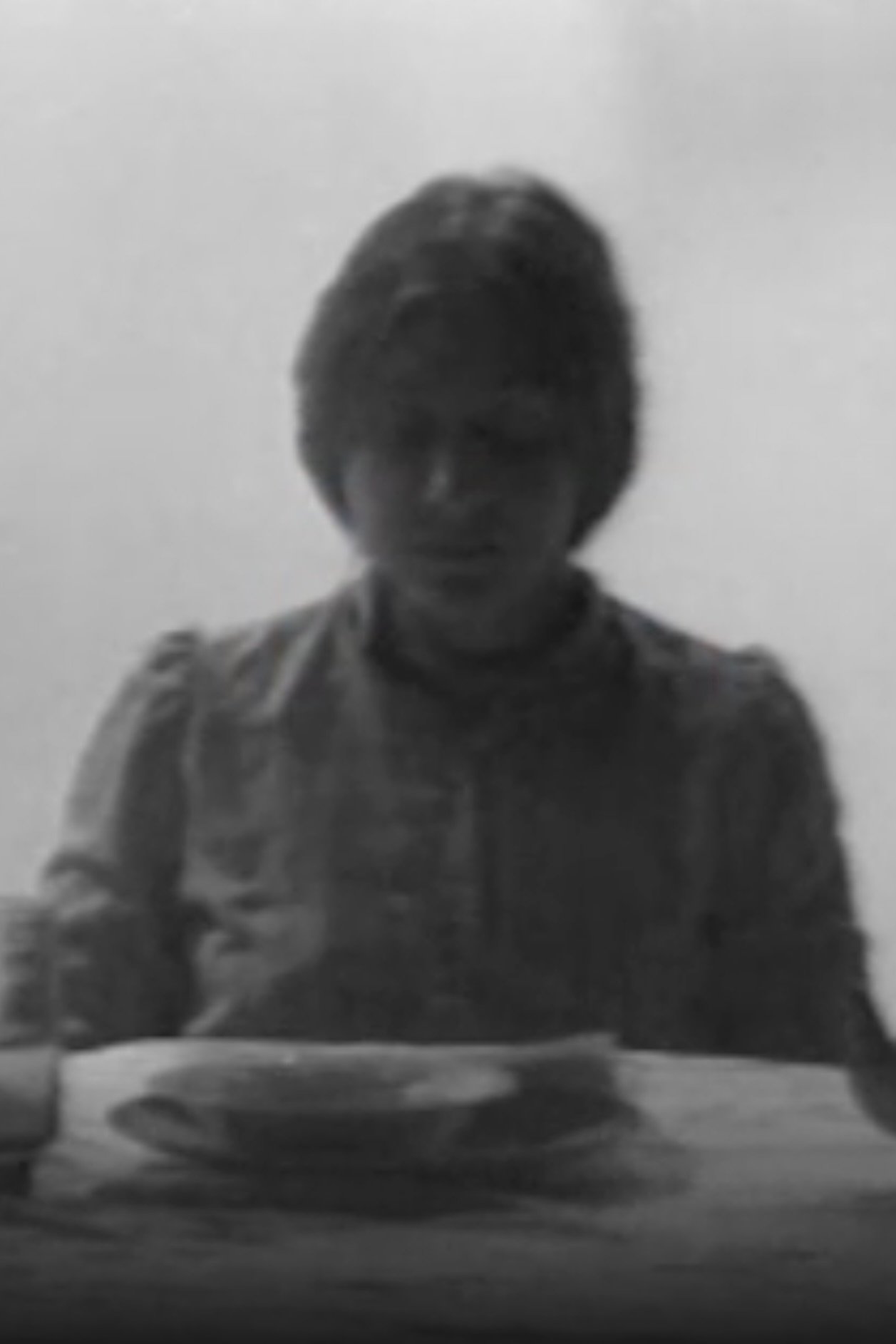
Film‘A cook can’t just mix things up’, says a woman with a typical Brooklyn accent while the camera shows sophisticated images from food and travel magazines. In this black-and-white video, her first in this format, Martha Rosler explores the relationship between gastronomy, class and breeding. A silhouetted woman hiding her face from the camera describes her efforts to improve her status and that of her family through gastronomy. With a deadpan voice and accompanied by the strains of a violin concerto, the woman explains why she wants to become a gourmet. The text comes from one of Rosler’s ‘postcard novels’ entitled Budding Gourmet – also written in 1974 – in which in eleven chapters the artists tells the story in the first person of a woman wanting to learn haute cuisine to climb the social ladder.