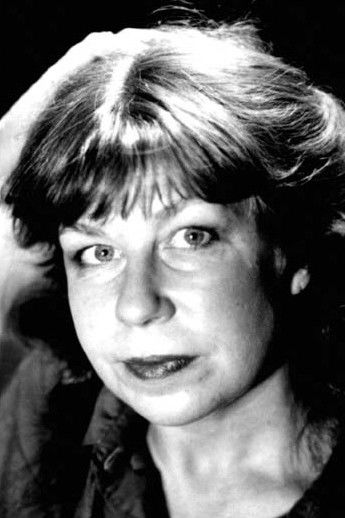
Dore O.
Yönetmen · 1946 – 2022 · Mülheim an der Ruhr, Germany
Trained as a painter, O. was cofounder of the Hamburger Filmschau, alongside with her husband and collaborator Werner Nekes. For all the psychedelia of her early work, subsequent films are rigorous in refractory experimentation: rear-projections, double-impositions, repeated frames and breathtaking lunges of the handheld camera, which seems bolstered as much by raw impulse as it does by any guiding principle of onscreen organization. O.’s work establishes its own space-time linearities, then argues them against each other–sometimes content with a mild flicker, a closing or opening aperture or a flurry of blunt smears. This is a playful and often freefalling visual poetics, best left to wash over you pure and analyzed later (or better yet, not at all.)
Filmler10
 Film7.0Belgesel
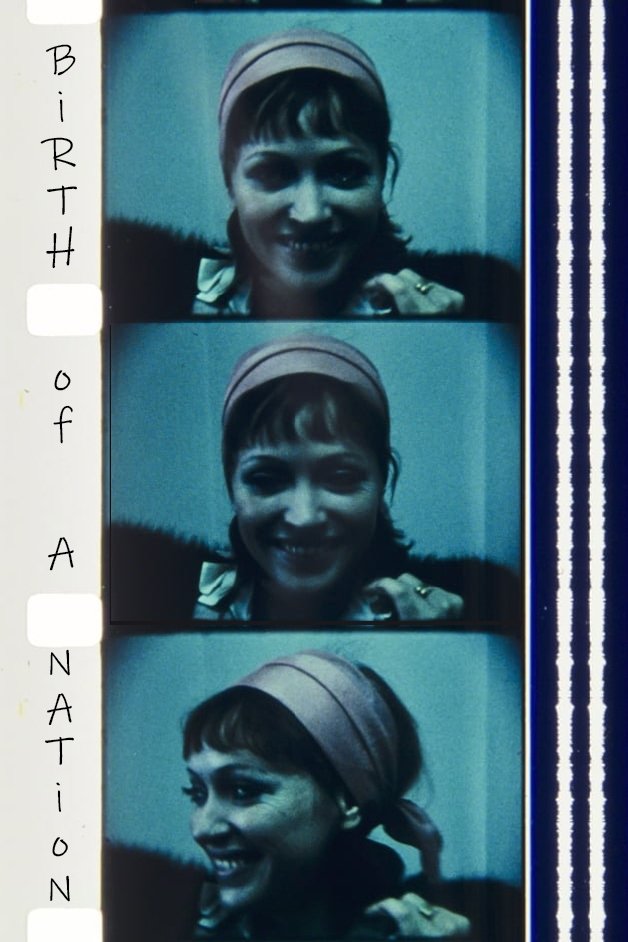
Jonas Mekas assembles 160 portraits, appearances, and fleeting sketches of underground and independent filmmakers captured between 1955 and 1996. Fast-paced and archival in spirit, the film celebrates the avant-garde as its own “nation of cinema,” a vital community existing outside the dominance of commercial film.
Birth of a Nation
1997 · 4 votes
 Film5.8Belgesel
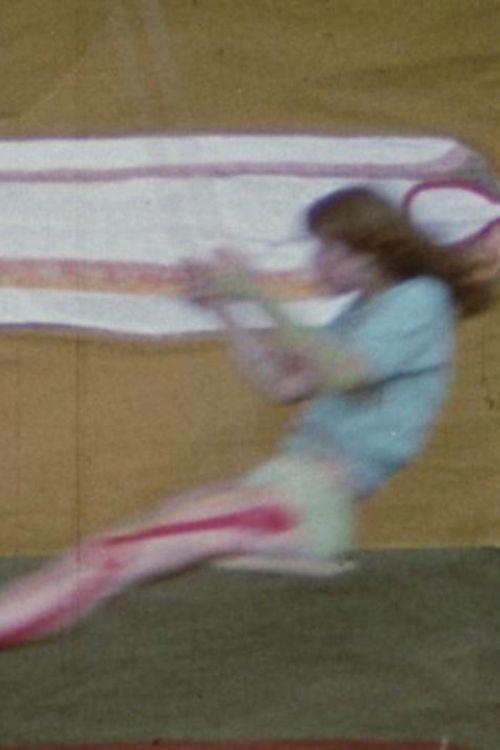
A montage experiment in which Dore O., her body painted in different colours, swings back and forth in front of a movie screen, on which is painted a phallus (slightly abstract and fairly large). The perspective is such that the girl appears to be swinging into and out of the phallus. It is one who is content to see through the specific event. The work exhausts itself in a trivial aspect, the literary. This is most comfortable for the critic: the literary content of a work is easiest to reproduce in a literary form of criticism.
Jüm-Jüm
1967 · 6 votes
 Film10.0Belgesel
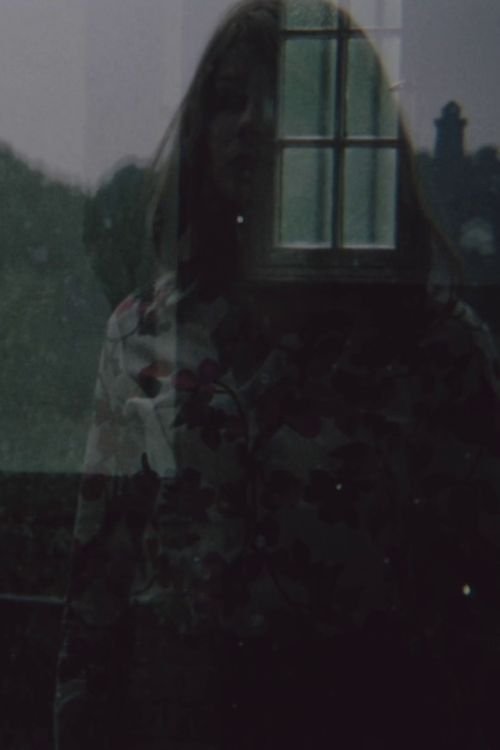
A strange succession of tableaux of four women and a man which gives the sense of a sort of dream family locked in an antiseptic world of endless afternoon teas, dinners and waiting. Often her images seem to be stills either before or after something has been said.
Lawale
1969 · 2 votes
 Film7.9Belgesel
Attracted to Nordic landscapes, [Dore O.] filmed KALDALON (1970/71) in Iceland where images of water, rocks, steam and smoke were technically enhanced to appear blue-tinged.
Kaldalon
1971 · 9 votes
- Film9.0Belgesel
"...Nekes retreats behind his film. What is left is a double portrait, in which neither Dore 0. nor the grand landscape remain unchanged. The cold of the icy coastline - long shots of stones, snow and the sea - dwindles away before the image of Dore 0. Solitude is superflous, when the grandiose mountain meadow invites somersaults. ... In this case Nekes handles what he shows considerately. He releases the objects he portrays. He allows them to unfold. And so model and patterns actually serve another purpose: to let poetry grow, and energy and beauty and confidence nell'abbandono."
Abbandono
1970 · 3 votes
 Film7.3Dram
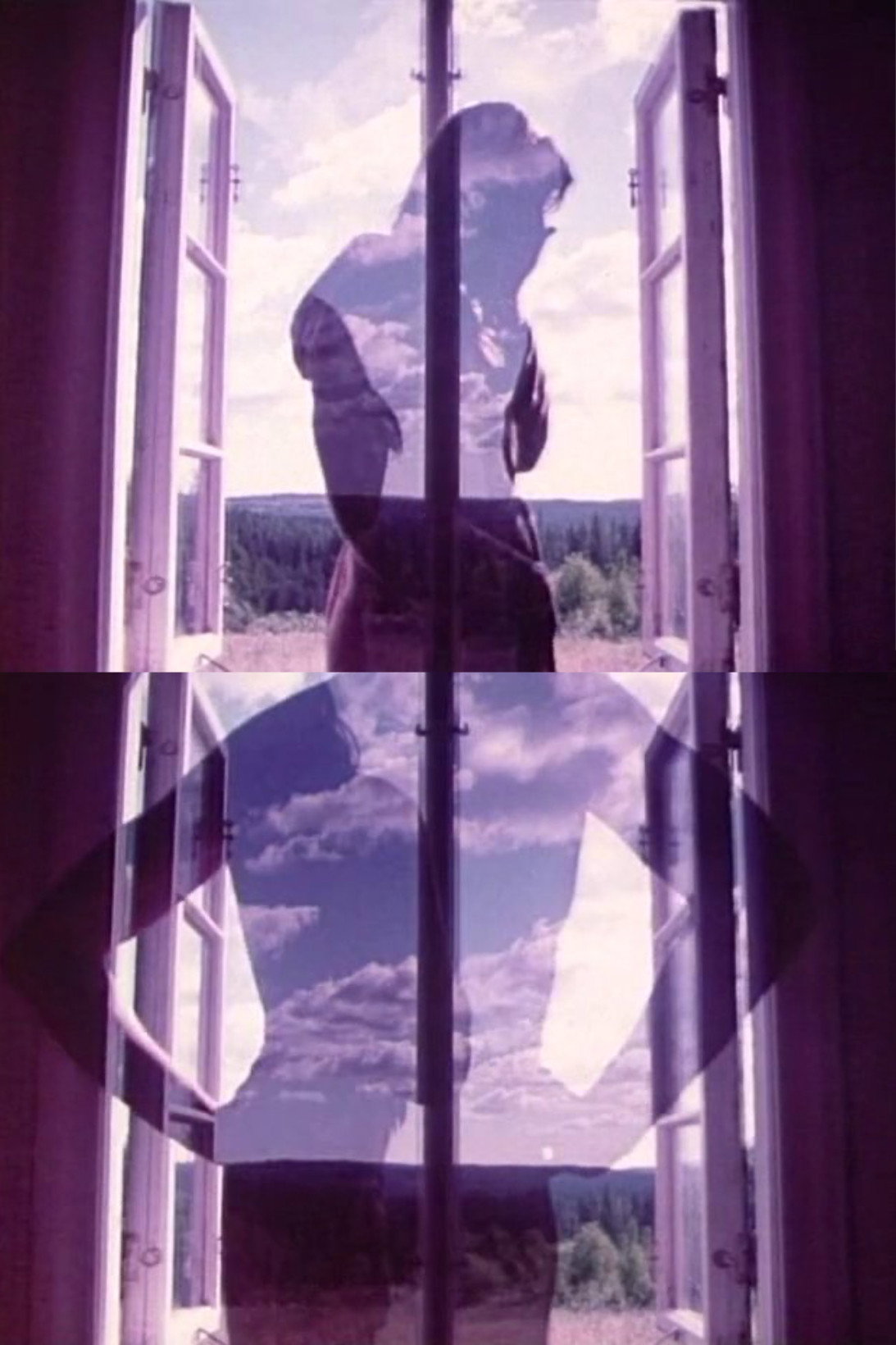
Diwan, a lyric anthology, an outdoor movie with people. With people living in the surrounding precious and very beautifully photographed nature, are neither more nor less than one part of it. What Nekes manages there with landscape, as a cunning and quote many fine artist in a medium that runs in time, as he defeated the time changed, by themselves for change of scenery uses, as it interferes with the laws of chronology through the rewind ability of the camera or destroyed, which is a compelling and highly aesthetic experimental company.
Diwan
1974 · 6 votes
 Film4.3Dram
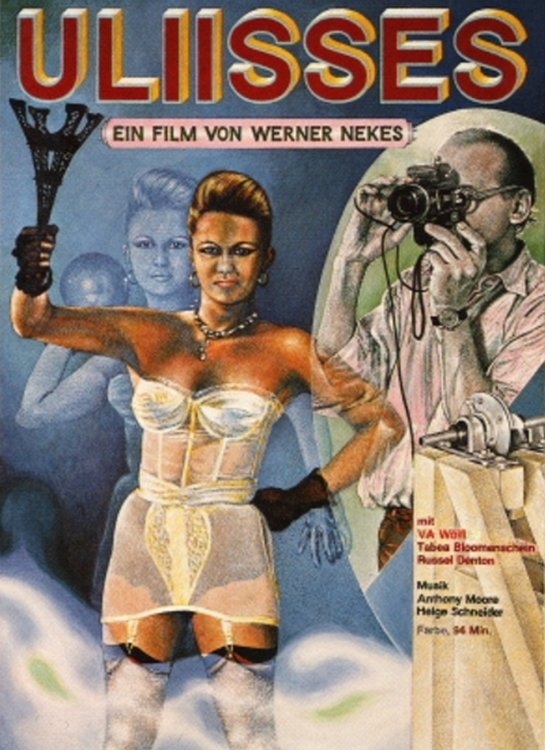
Director Werner Nekes has created this experimental film in the mode of James Joyce's Ulysses to the extent that human interactions are represented by poetic, symbolic images and language, with a certain amount of nudity added in.
Uliisses
1982 · 6 votes
 Film4.8Dram
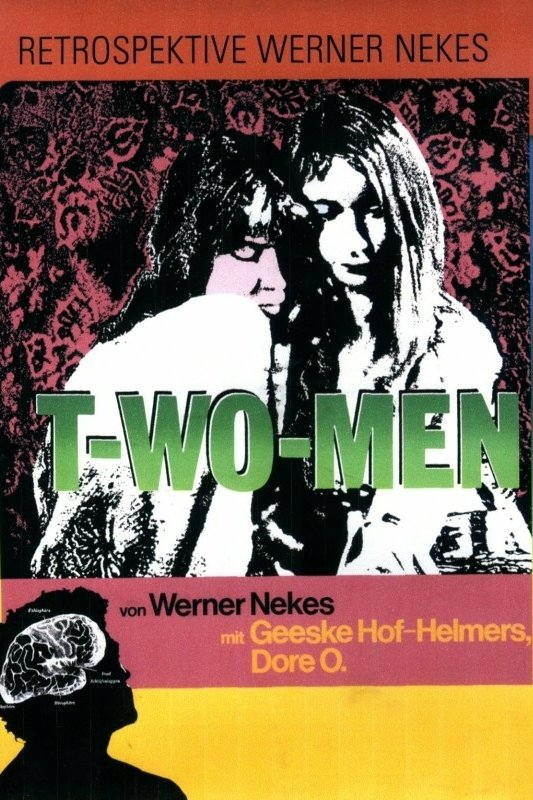
The film is divided into five parts differing in pictorial and musical structure. The plot, two women and their love for one another, is of secondary importance. An ingenious combination of stereoscopic images and montage of individual pictures make new qualities of perception accessible to the viewer. In the final part of the love scenes pictorial sequences and music build up to a delirious rhythm.
T-Wo-Men
1972 · 9 votes
- Film9.0Belgesel
A documentary about the 'critical mass', the Film Coop, a group of young filmmakers in Hamburg during the 1960s - a small group far from the Mainstream or the New German Cinema.
 Film9.5
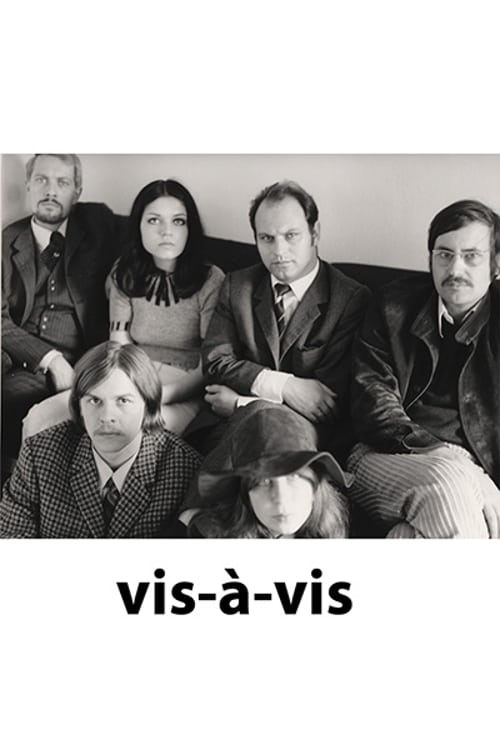
A fixed shot showing six persons, looking into the camera inertly. Gradually tiny, minimal movements can be registered.
Vis-à-vis
1968 · 2 votes