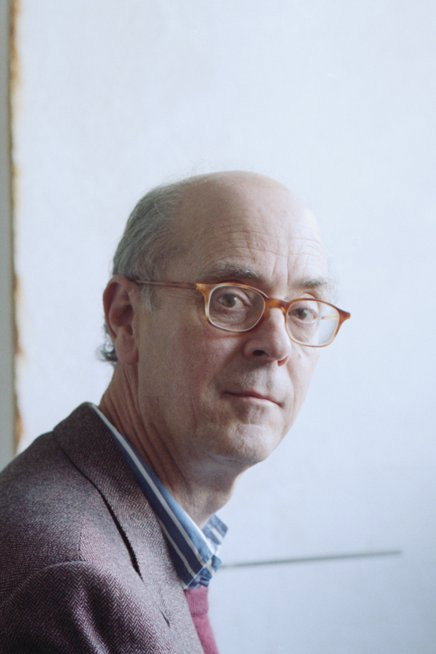
Robert Beavers
Yönetmen · d. 1949 · Brookline, Massachusetts, USA
Robert Beavers (born 1949) is an American experimental filmmaker whose work stands among the most significant in postwar avant-garde cinema. He is best known for My Hand Outstretched to the Winged Distance and Sightless Measure, an 18-film cycle spanning decades of work, much of it later re-edited. Beavers developed a distinctive visual language using hand-cut mattes, filters, and precise sound–image structures, often focusing on craft and manual labor as metaphors for filmmaking itself. Born in Brookline, Massachusetts, he began making films in New York before moving to Europe in 1967 with his partner, Gregory J. Markopoulos. Together they withdrew their films from distribution, presenting them only at the Temenos screenings in Arcadia, Greece (1980–86). After Markopoulos’s death in 1992, Beavers founded Temenos, Inc. to preserve both of their legacies. His films draw deeply on place and history, from Florence in From the Notebook of… (1971/1998) and Venice in Ruskin (1975/1997) to the Greek landscapes of Wingseed (1985), The Hedge Theater (1986–90/2002), and The Ground (1993–2001). Later works include Pitcher of Colored Light (2007), The Suppliant (2012), Listening to the Space in My Room (2013), and The Sparrow Dream (2022). Beavers continues to live and work between Berlin and Massachusetts with filmmaker Ute Aurand, while overseeing the preservation of both his own films and Markopoulos’s Eniaios.
Filmler9
 Film7.0Belgesel
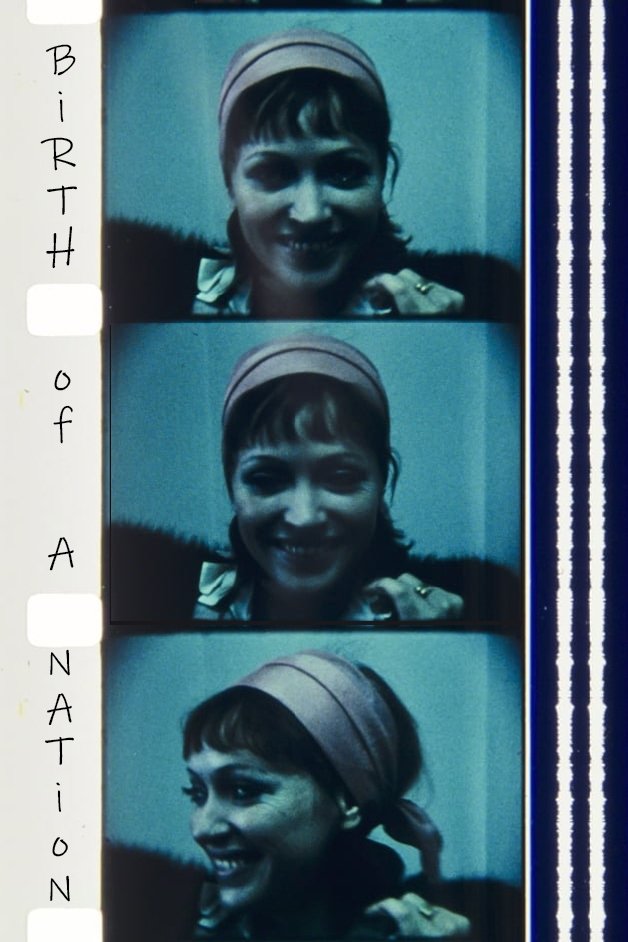
Jonas Mekas assembles 160 portraits, appearances, and fleeting sketches of underground and independent filmmakers captured between 1955 and 1996. Fast-paced and archival in spirit, the film celebrates the avant-garde as its own “nation of cinema,” a vital community existing outside the dominance of commercial film.
Birth of a Nation
1997 · 4 votes
 FilmBelgesel
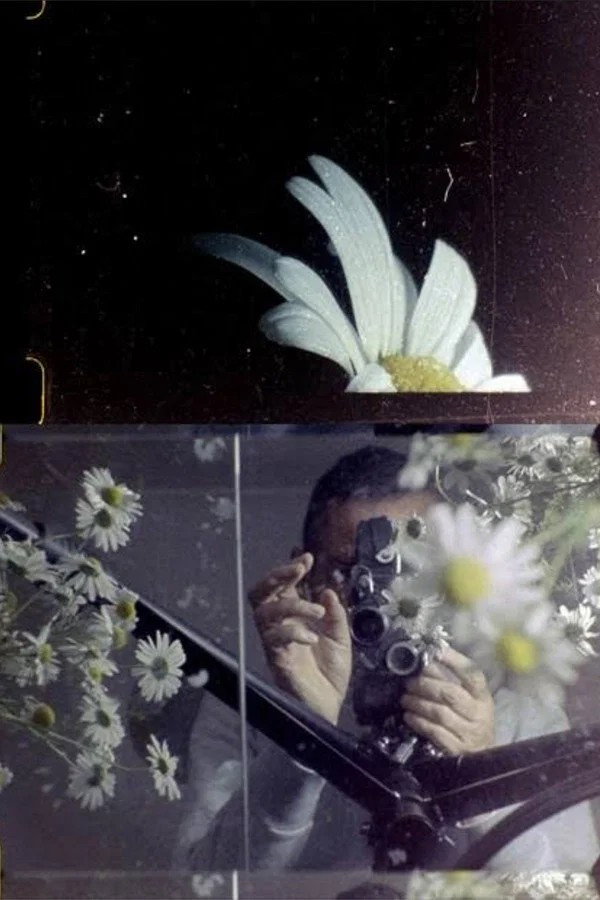
My Hand Outstretched to the Winged Distance and Sightless Measure is a film cycle by American avant-garde filmmaker Robert Beavers. It consists of eighteen films in three parts. The films were made from the late 1960s through the early 2000s in different European countries, particularly Greece, Switzerland, and Italy. Most of the works in the cycle are radically re-edited, condensed versions of the original films. The cycle premiered in its entirety in 2005.
 Film6.3Belgesel
Shot in Florence, the film draws on Leonardo da Vinci’s notebooks and Paul Valéry’s essay on da Vinci’s creative process to explore parallels between Renaissance space and the moving image. Beavers employs rapid pans and tilts along the city’s facades, interspersed with glimpses of his own face, linking camera movement to the filmmaker’s investigative gaze. The work marks a turning point in his practice, foregrounding presence and perception as central to his method. (Note: The film was re-edited and re-released in 1999.)
From the Notebook of...
1972 · 14 votes
 Film8.5Belgesel
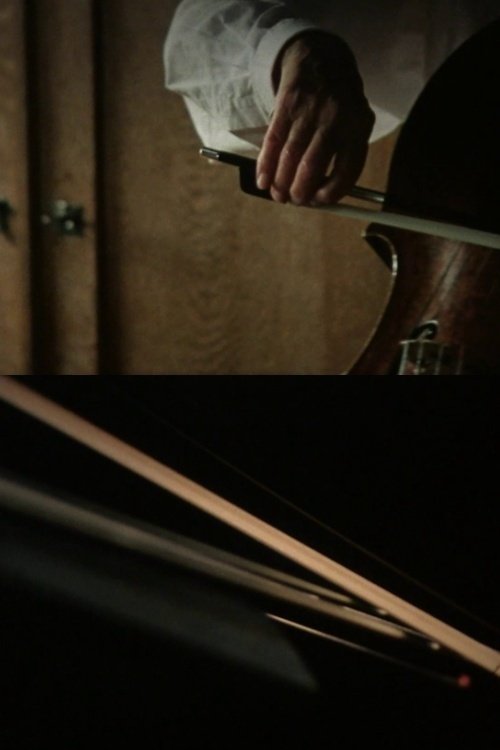
A portrait of a recently vacated home, the film evokes both memory and the lingering presence of past inhabitants. Through precise, enigmatic sound–image construction, Beavers crafts an intimate meditation on art, existence, and the search for meaning.
Listening to the Space in My Room
2013 · 2 votes
 Film6.5Belgesel
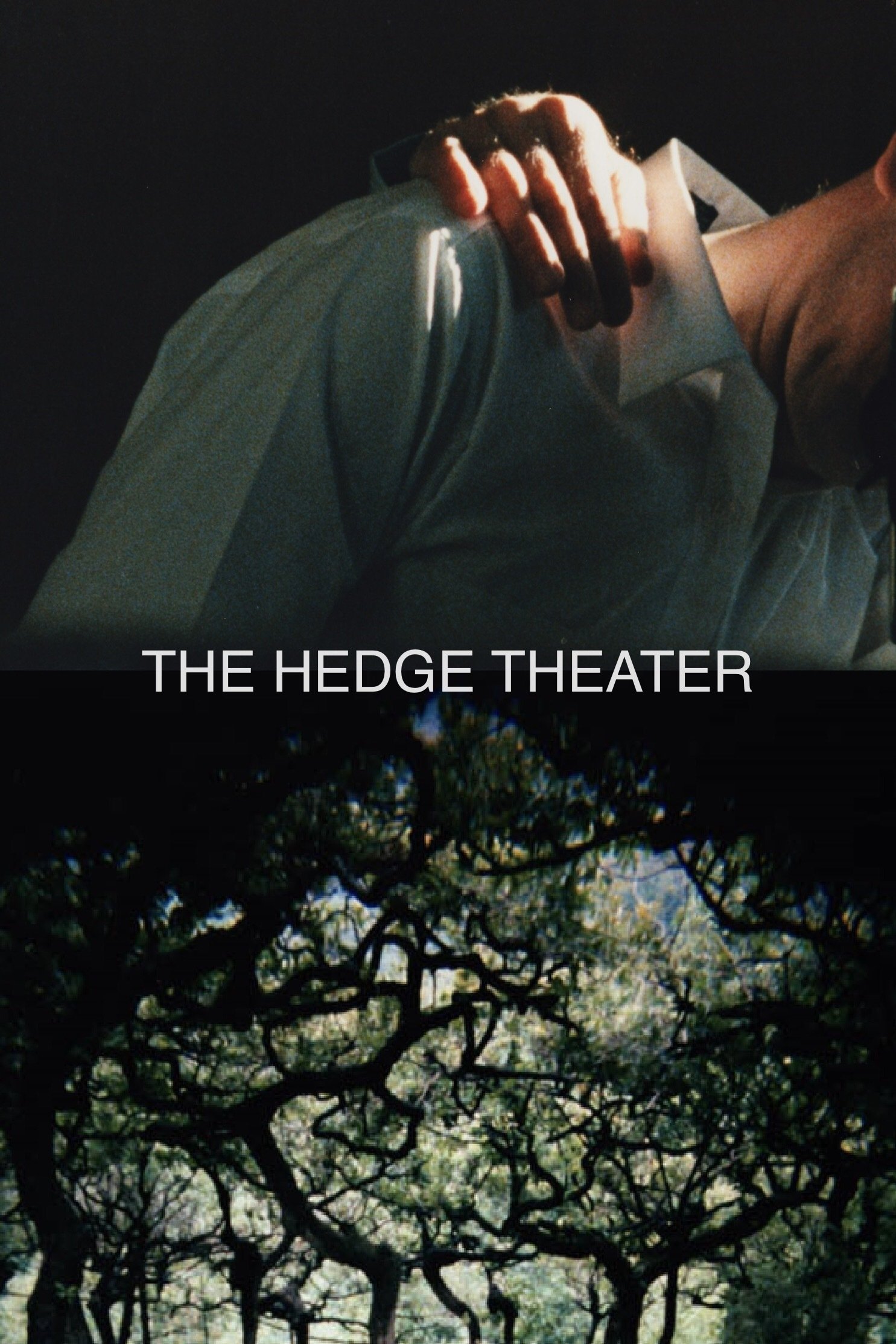
Filmed in Rome in the 1980s, the work draws on Borromini’s Baroque architecture and Il Sassetta’s St. Martin and the Beggar. Beavers contrasts winter’s subdued light with the verdant growth of spring, constructing a precise montage in which image and sound form a poetic dialogue.
The Hedge Theater
2002 · 10 votes
 Film6.8Belgesel
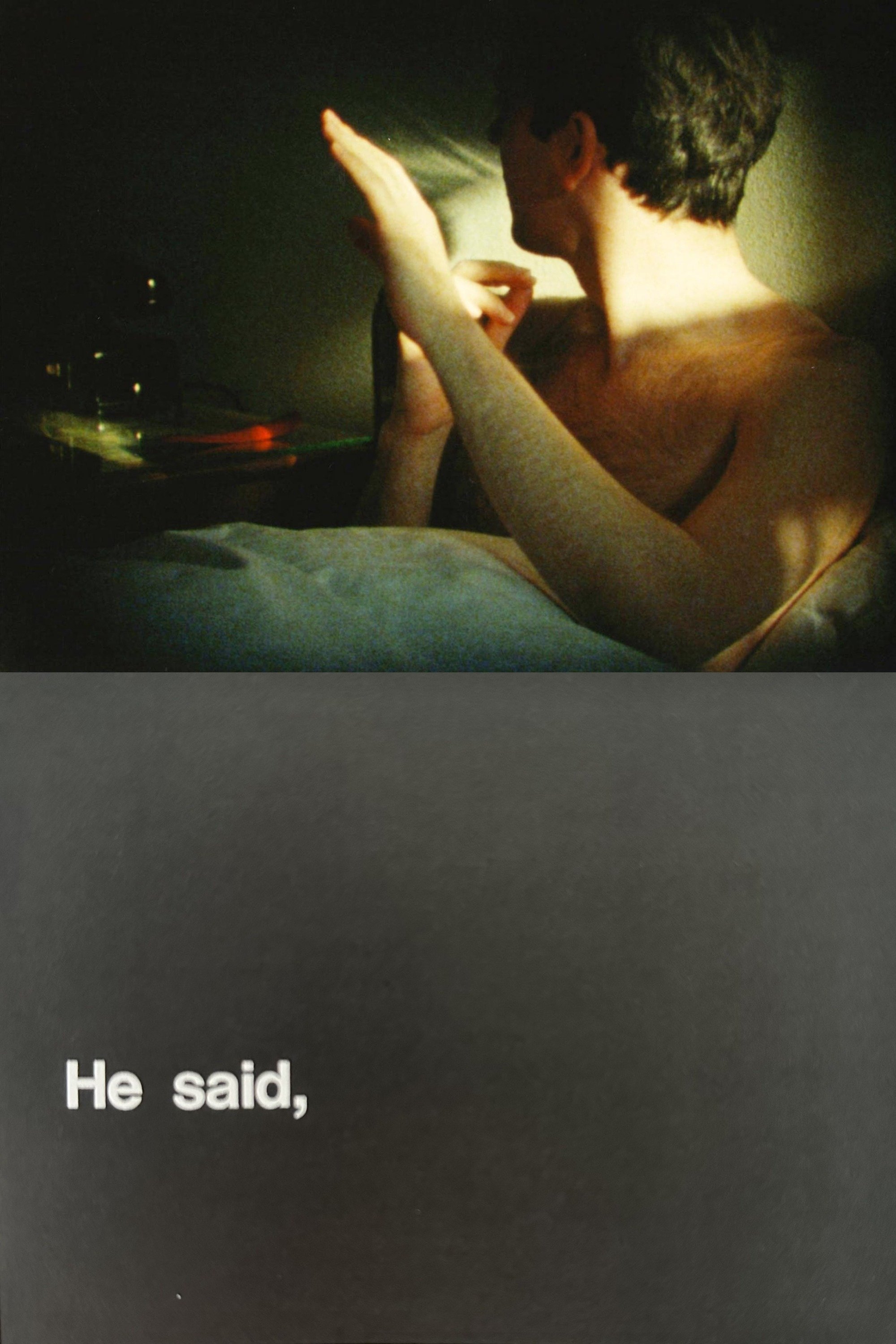
Distilled in 1996 from an earlier 50-minute trilogy, this film was shot in Greece and Austria and structured around two recurring intertitles, “He said” and “he said.” Each introduces delicate studies of light and place—hotel interiors, cafés, hillsides, storefronts, and street life—framed in parallel variations. The title invokes Apollo as savior and healer.
Sotiros
2000 · 4 votes
 Film8.0Belgesel
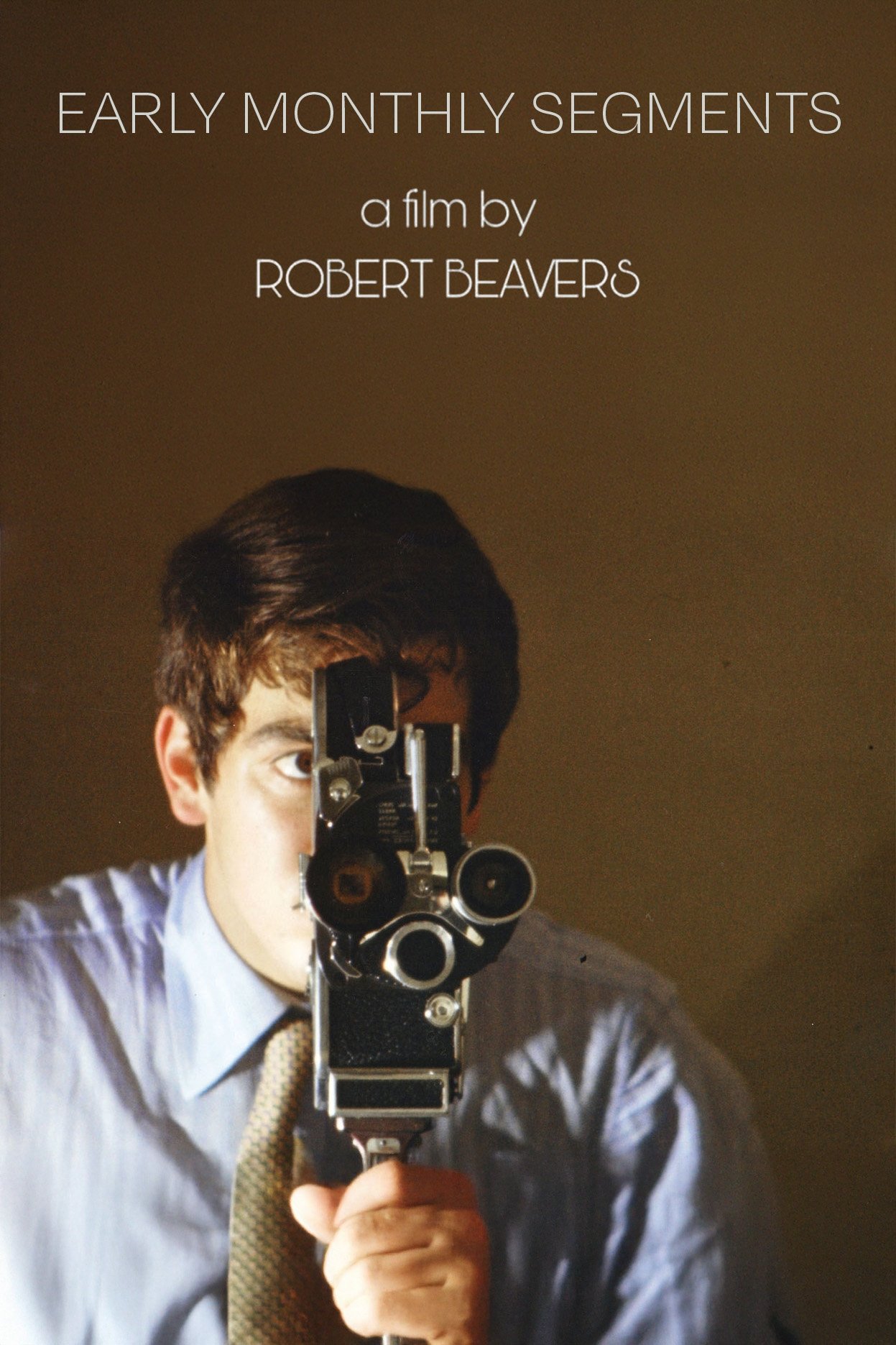
Filmed when Beavers was 18–19, this self-portrait depicts him and Gregory J. Markopoulos in their Swiss apartment. A diary of domestic life, it transforms everyday objects and intimate details into a charged meditation on love, memory, and desire.
Early Monthly Segments
2003 · 1 votes
 Film4.0Dram
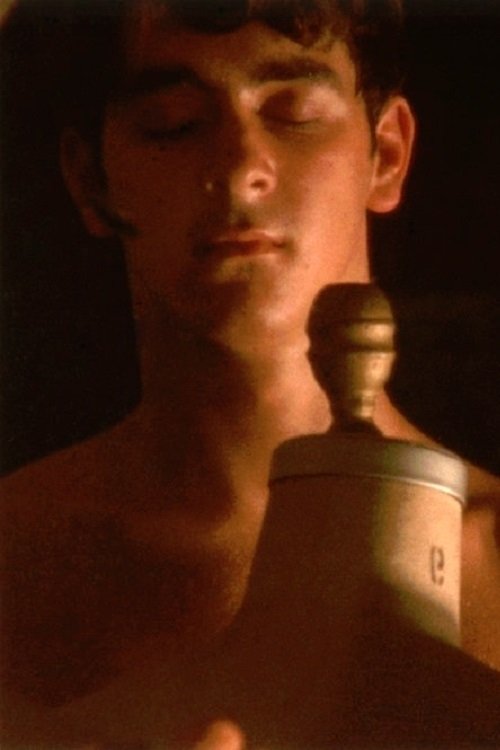
Structured in nine tableaux each a study of a simple action or situation involving a lone, naked figure, the blind Eros, searching for fulfilment, for self. The objects he touches - books, paintings - can be seen as icons of the creative spirit; there is also a motor cycle and film equipment. In succeeding scenes he appears to try on identities offered by institutional doctrines of religion and social traditions of (overt) masculinity. Much of the film was constructed in-camera with a small amount of editing afterwards. An innovation was the use of in-camera fade-outs as phrase markers, not as terminal points, within a single set-up or shot.
Eros, O Basileus
1967 · 3 votes
 Film6.5Belgesel
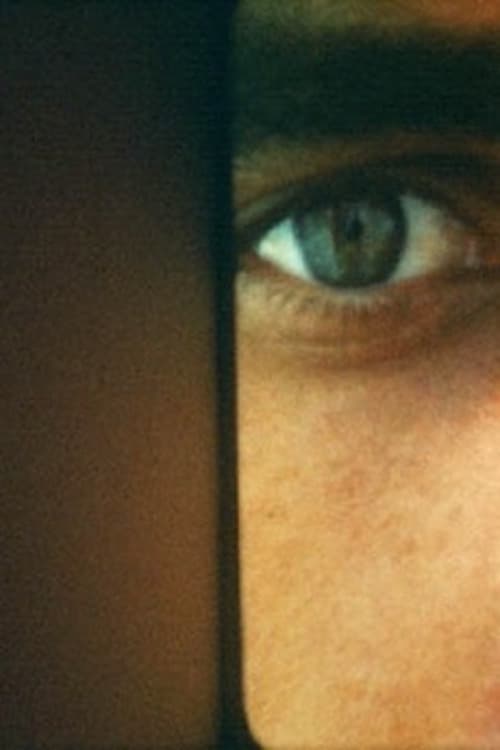
Filmed on Hydra, the work studies a young man’s face across shifting light and landscape, framed through customized masks and filters. The constant visage, set against iconic surroundings, evokes a Renaissance portrait while reflecting on binaries of youth and age, creation and critique, image and text.
Still Light
1971 · 2 votes