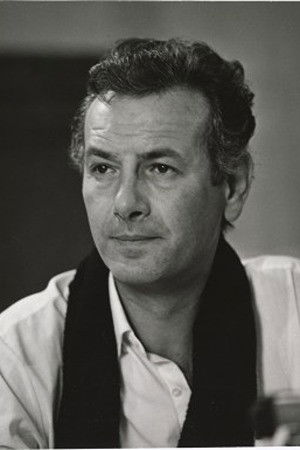
György Fehér
Yönetmen · 1939 – 2002 · Budapest
György Fehér (12 February 1939 – 15 July 2002) was a Hungarian film director and screenwriter. In 1972, he graduated from the Academy of Theatre and Film Arts, majoring in directing and cinematography. Between 1980 and 1982, he was artistic director of the Móricz Zsigmond Theatre in Nyíregyháza. He graduated from the Academy of Theatre and Film Arts in 1972, majoring in directing and opera. Between 1980-1982 he was artistic director of the Móricz Zsigmond Theatre in Nyíregyháza. His first feature film, Szürkület (Twilight) (1990), won a special prize at the XXII Hungarian Film Festival and various awards at international festivals such as Locarno and Strasbourg. His film Passion (1998) won the Grand Jury Prize for Feature, Experimental and Short Films, the Best Director Award, the Best Actor and Actress Award, the Cinematography Award and the Gene Moskowitz Award from foreign critics at the XXIX Hungarian Film Festival. in 1996 he published Cyclopedia Anatomicae, an artistic reference book for human and animal anatomy with 1500 illustrations. He later published two more books on human and horse anatomy. At the National Theatre in Miskolc, Fehér helmed two plays starring Ági Olasz: Rainer Werner Fassbinder's The Bitter Tears of Petra von Kant in 1998 and Edward Albee's Who's Afraid of Virginia Woolf? in 2000. In 1999, he directed the opera Leonce and Lena by János Vajda and George Büchner at the Hungarian State Opera House.
Filmler3
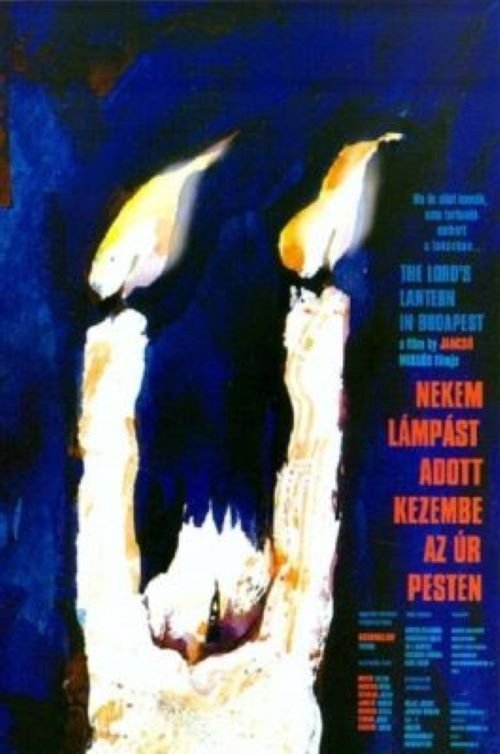 Film6.4KomediDram
In the Kerepesi Street cemetery, three grave diggers contemplate the fate of the world, then they step out of this role and in a sequence of episodes they play the typical figures of contemporary Hungarian reality, the fat cat, the swashbuckler, the victim, underworld chieftains, and present little absurd dramas of love, marriage, friendship, public order and legal safety. The author and the film director walk among them all the time, contemplating, laughing at their plays. The stories starting from the graveyard and returning there warn of the inevitability of death. The author and the director (Gyula Hernádi and Miklós Jancsó) wisely make friends with death.
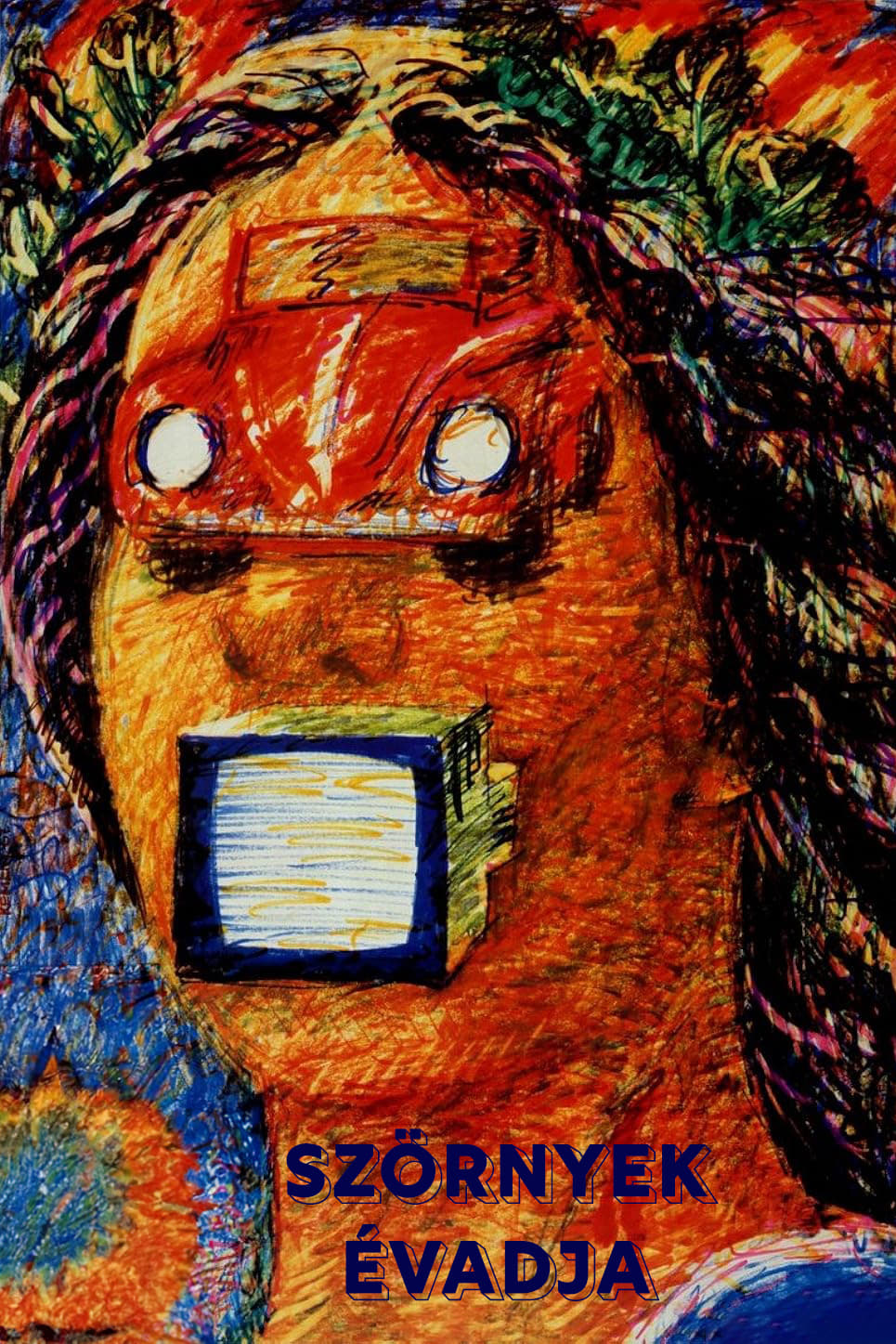 Film5.5Dram
Zoltai is a Hungarian professor who returns home after a visit to the United States. Following a television interview, he commits suicide and leaves a note for his longtime friend Dr. Bardocz. The doctor and Zoltai's colleague Komindi join the police in investigating what drove the man to suicide.
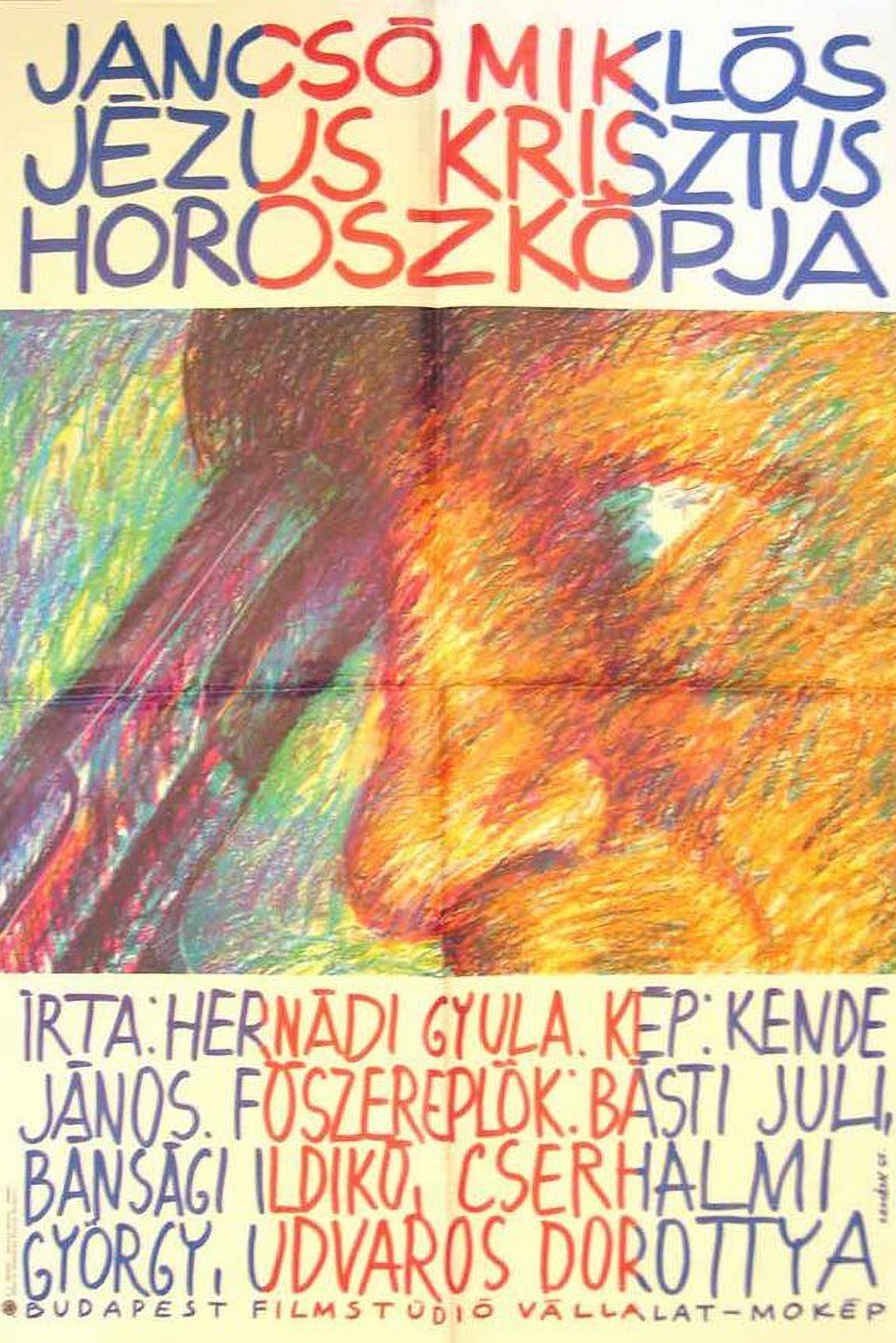 Film6.5Dram
A focus on the tormented lives of intellectuals who failed to protest recent troubles in their homeland. Jancsó emphasizes highly evocative and ambiguous imagery over dialog or exposition as he – through visually fascinating imagery – depicts the painful, stunted lives of Hungary's intellectuals who have remained silent and ineffectual during various political crises.