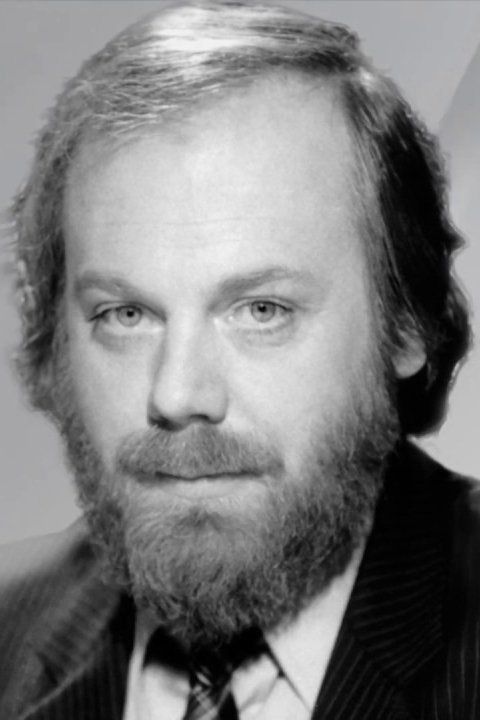
Pavol Mikulík
Oyuncu · 1944 – 2007 · Prešov - Slovakia
The Slovak actor and director, Pavol Mikulík, was born on March 2, 1944 in Prešov. From an early age, he devoted himself to art. Together with his brother Peter (a prominent director), they began attending a children's radio party in Bratislava. He was only seven years old when he played the first great figure. Here he met a later friend and classmate Stan Dančiak. Ľubo Roman, Stano Dančiak and Marián Labuda were his classmates at the Academy of Performing Arts in Bratislava, which he graduated from in 1965. He later taught at this school himself and in 1990 he was even vice-rector. After school, he immediately took the first stage to the SND in Bratislava, where he was until 1968. He went to the Korzo Theater and after its abolition moved to the New Stage, where he was the artistic director of the ensemble from 1977 to 1980. He later returned to the SND, where he was until 1994. Pavol Mikulík has starred in about 500 films and productions. He starred in the film as early as 1954, in the film by Andrej Lettrich, Drevená dedina. In the work of the same director, he played as a student (The Dead Don't Cry, 1965). He has starred in many television works, such as Safari, Elizabeth's Court and the famous Mario and the Magician, who won the Monte Carlo MTF award. Pavol Mikulík has starred in several important works, such as Južná pošta, Perinbaba and The Thousand-Year-Old Bee, which are among the best recorded in Slovakia. He also became famous as a dabber when he recruited the main character in the Polish film Mastičkár. Pavol Mikulík also became famous as a chef. He published a recipe book and filmed a cooking show on television. After one shooting in Košice, he suffered a stroke. It was Stano Dančiak who found him in the hotel room. After his intervention, they took Pavel to the hospital, which saved his life. He remained confined to a wheelchair. He was later amputated his leg. After arriving from the hospital, Pavol had nowhere to live because he did not want to move in with his ex-wife, with whom he had lived for 26 years. He was helped by his friend Ľubo Roman, who accommodated him in his boarding house. Pavol did not give up, he fought and lived his difficult life with the help of friends, doctors and a young student Miriam Kičiňová. In 2003, he published a book of memoirs entitled "And just not!". He even got him in the theater, where he played the role of a disabled person. Pavol Mikulík has been awarded many times. In 2000, he was awarded the Crystal Wing Award and was inducted into the Hall of Fame at the OTO Television Award. The actor, director, university teacher died on November 27, 2007 in Bratislava, when his big heart betrayed him.
Filmler15
 Film5.0DramMüzik
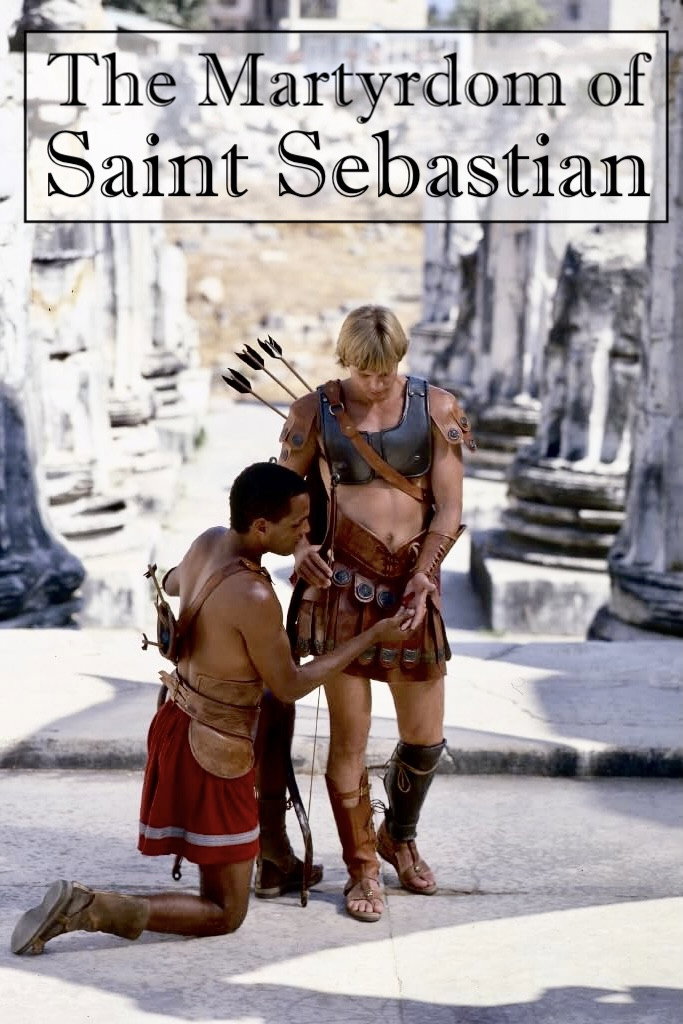
Sebastian, Chief Archer in the Roman Army, converts to Christianity. A favorite of Emperor Augustus, Sebastian's devotion to Christ eventually drives him to reject the Emperor's love, causing the Emperor to angrily order Sebastian to be shot with arrows by his fellow archers. The film retells this mystery play with a definite 'art-house' approach: an almost poetical use of language, singing, dancing, some homoerotic themes, and some special effects.
 Film10.0Dram
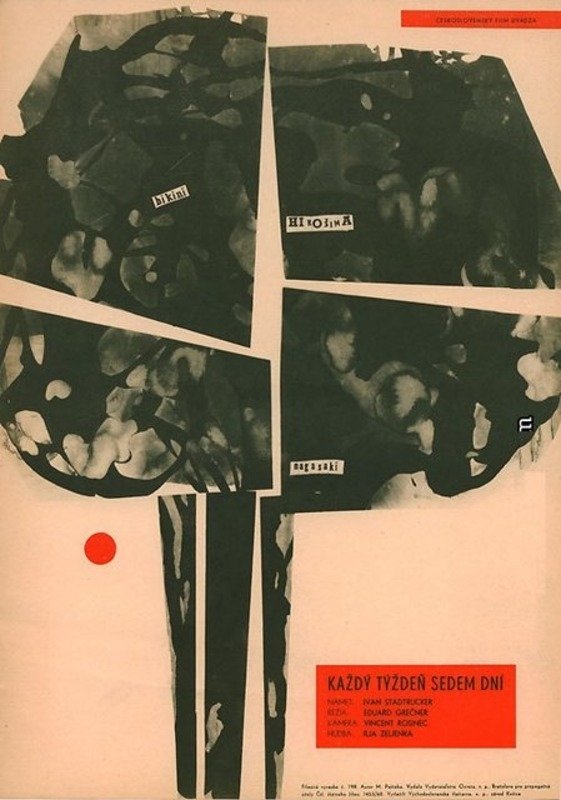
Set in Bratislava, university friends Turo and Andrey are paralyzed by existential dread under the shadow of the Cold War and the threat of nuclear war. Rejecting long-term goals, Turo is an astronomy student that adopts a hedonistic lifestyle, while Andrey channels his anxiety into a sculpture for Hiroshima. This shared trauma ultimately tests their friendship and undermines their relationships.
 Film7.1FantastikAile
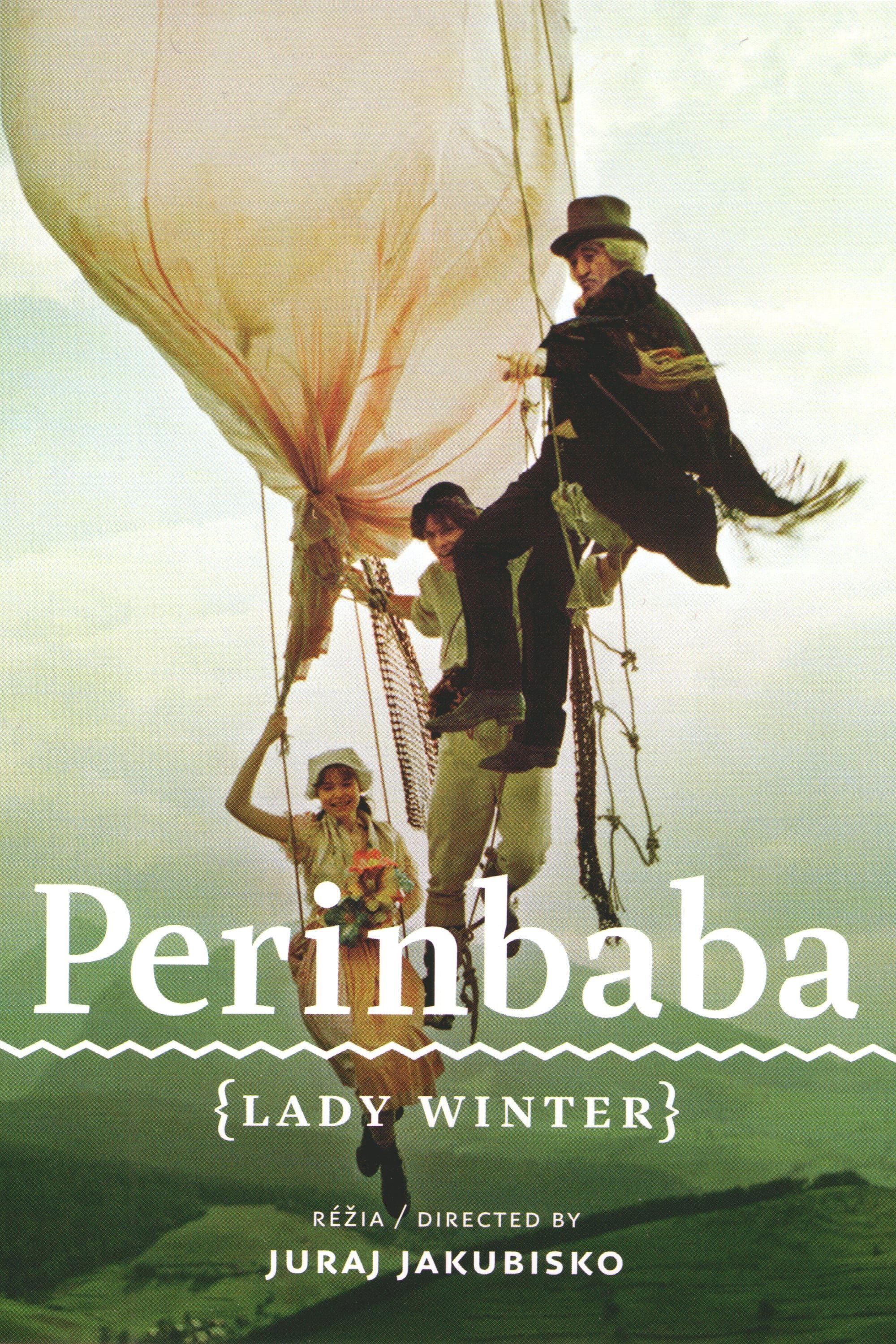
A fairy-tale about an old lady who takes care of snow and Jakub who does not fear death. It reflects the idea of people's longing for happiness, love and understanding, their effort to overcome troubles and win over death. It criticizes greed and evil desires.
- FilmDram
Poslední
1991
 Film6.3KomediDram
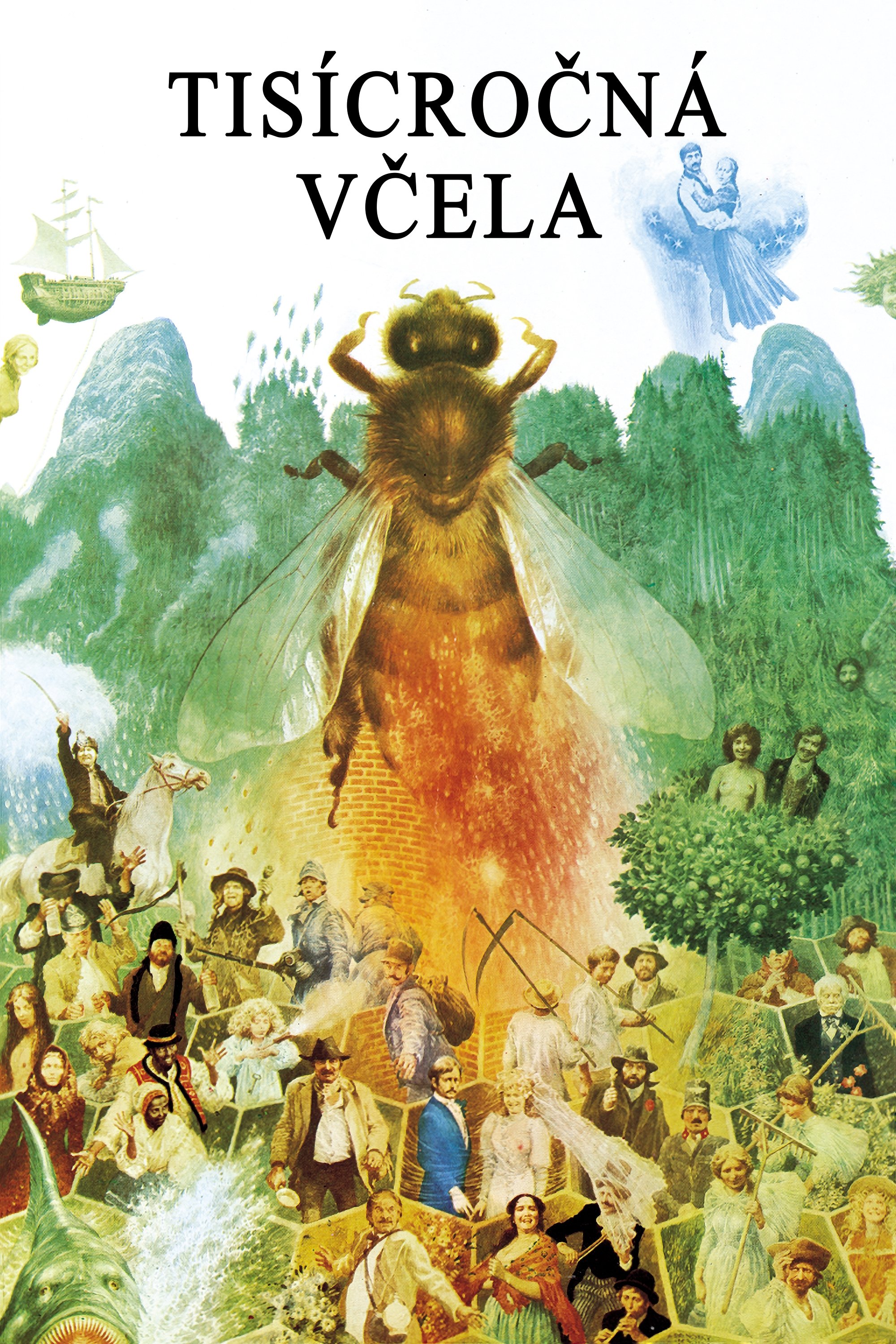
A family saga taking place mostly in a small Slovak village over a period of thirty years (1887–1917). The first part captures the life of Martin Pichandu in the development of his craft, masonry; in the second part, his son is center stage living in a period of socio-political crisis, which ultimately results in the first World War. After originally airing on Czechoslovakian television in 1983 as a four-part 226-minute mini-series, this production received a 163-minute theatrical release in 1984.
 Film9.0Dram
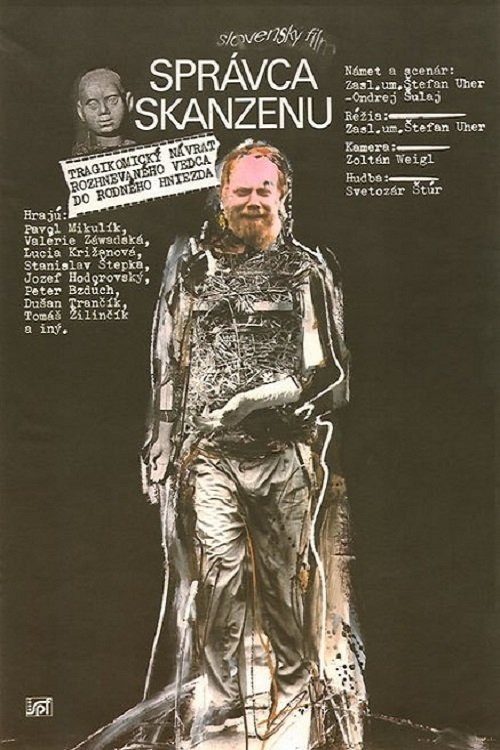
The story of a man who decides to leave his job and good position to return to his native region and become the administrator of an open-air museum. This step is primarily his personal rebellion against the abuse of his scientific work. It is only a personal confession in a conversation with his teenage daughter that brings him moral cleansing and a return to his lost psychological balance. The final film by Slovak director Stefan Uher.
- Film7.7Dram
Monsieur Batmanov
1979 · 3 votes
 Film6.8AileFantastik
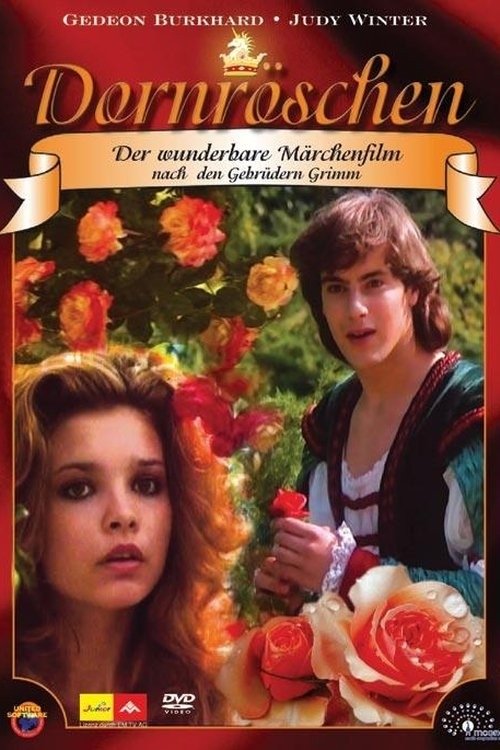
A beautiful princess born in a faraway kingdom is destined by a terrible curse to prick her finger on the spindle of a spinning wheel and fall into a deep sleep that can only be awakened by true love's first kiss.
- FilmDram
Služobná cesta
1981
 Film5.3Dram
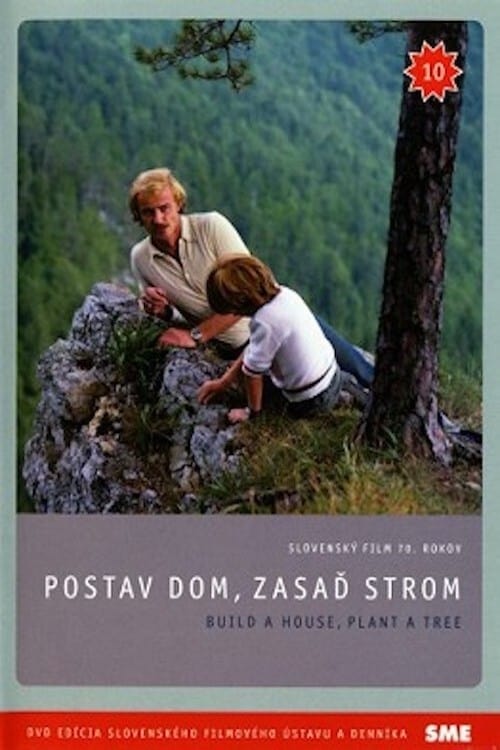
Juraj Jakubisko's first feature film after a forced nine-year-long break is a story about an unconventional man, Jozef Matúš. He arrives to a small village in eastern Slovakia to settle down and start a family. He is ready to subordinate everything to his goal. It all starts with stealing building material and ends with him disregarding those close to him to a point where his ambitions are turning against him. Build a House, Plant a Tree is a viewer-friendly film with a plot resembling a western, including several attractive action sequences.
 Film6.7FantastikMacera
Maria, an inn keeper, is always a bride but never a wife. She meets newcomer Pierre, who disturbs the peace of the small village and teaches the locals how to enjoy life. E. Havetta's debut was inspired by naïve art, French impressionism, silent slap-stick and Western Slovakian folk traditions.
- FilmDramTarih
A TV adaptation of a historical comedy from Dürrenmatt's early period, depicting in an ironic manner the final moments of the Roman Empire, which its emperor Romulus Augustus decides to destroy and lay at the feet of the conquering Germanic tribes.
Romulus Veľký
1992
- Film9.0Dram
Tetované časom
1976 · 1 votes
 Film5.5Dram
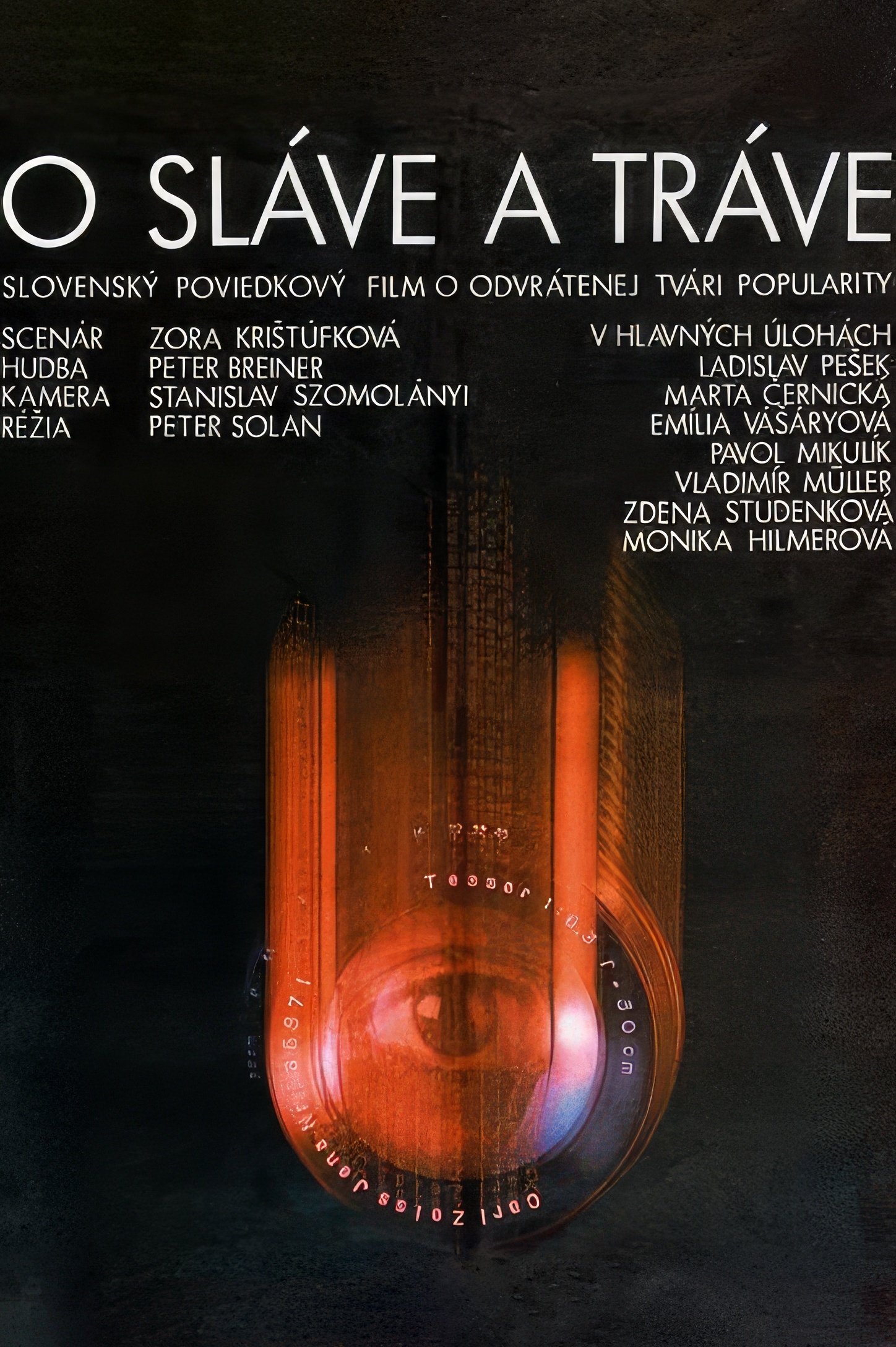
Each of the four short stories, framed by the figure of the photographer, depicts the lives of women and girls whose work has brought them to the limelight, but also marked their relationships with those closest to them.
O sláve a tráve
1985 · 2 votes
 FilmAileBilim Kurgu
Kľúče od mesta
1983
Diziler13
 Dizi7.0Komedi
Bakaláři
1972 · 2 votes
 Dizi8.6Suç
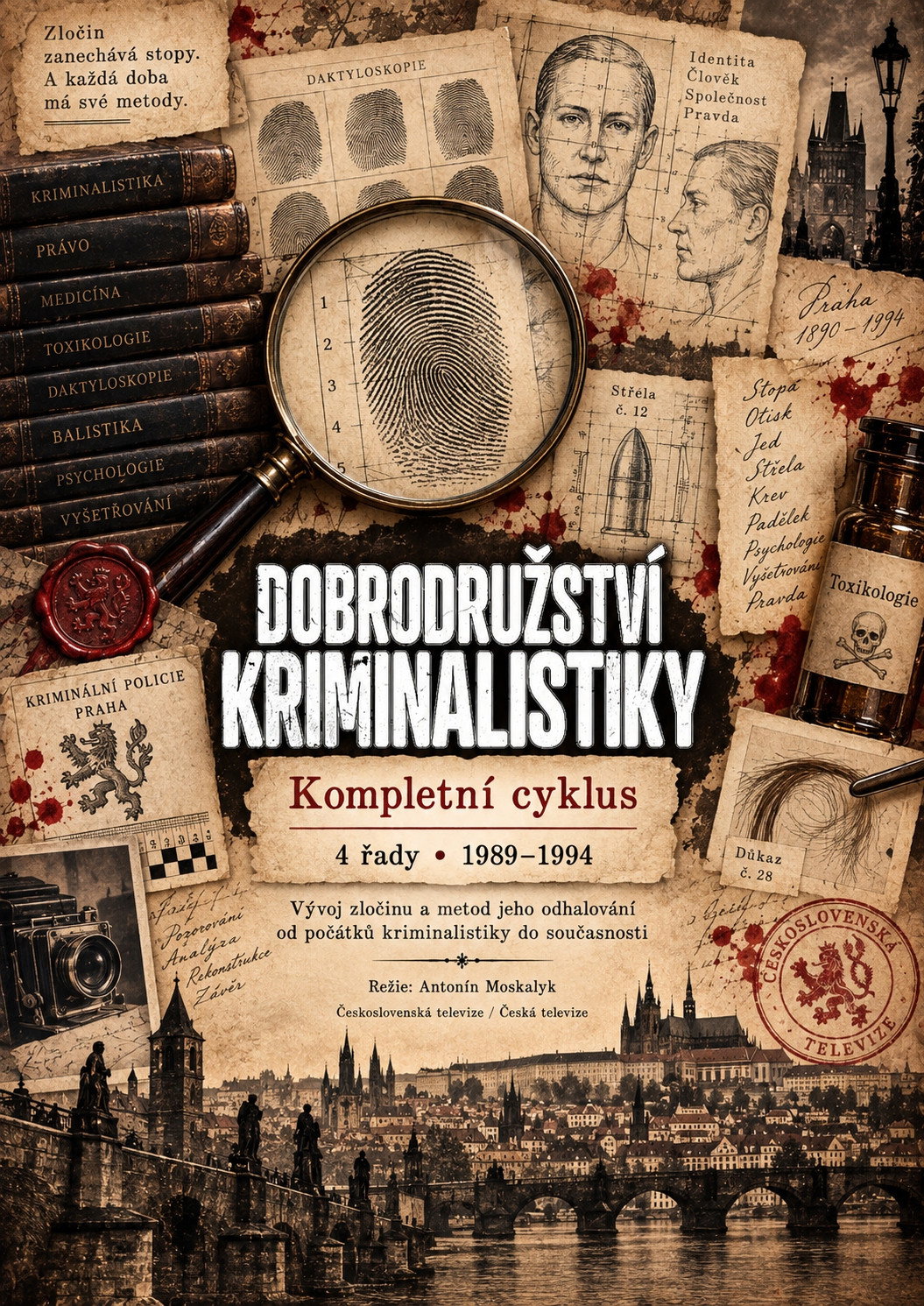
Dobrodružství kriminalistiky
1989 · 7 votes
 Dizi8.2KomediÇocuk
Spadla z oblakov is a Slovak language sci-fi TV series for children created in year 1978. The series became very popular in Czechoslovakia and several other countries. The series was based on 1967 child book Spadla z nebe by Václav Pavel Borovička, a Czech writer and screenwriter. The first, very successful edition was followed by several reprints, the last in year 2000. The TV series follows the book quite closely.
 DiziDramKomedi
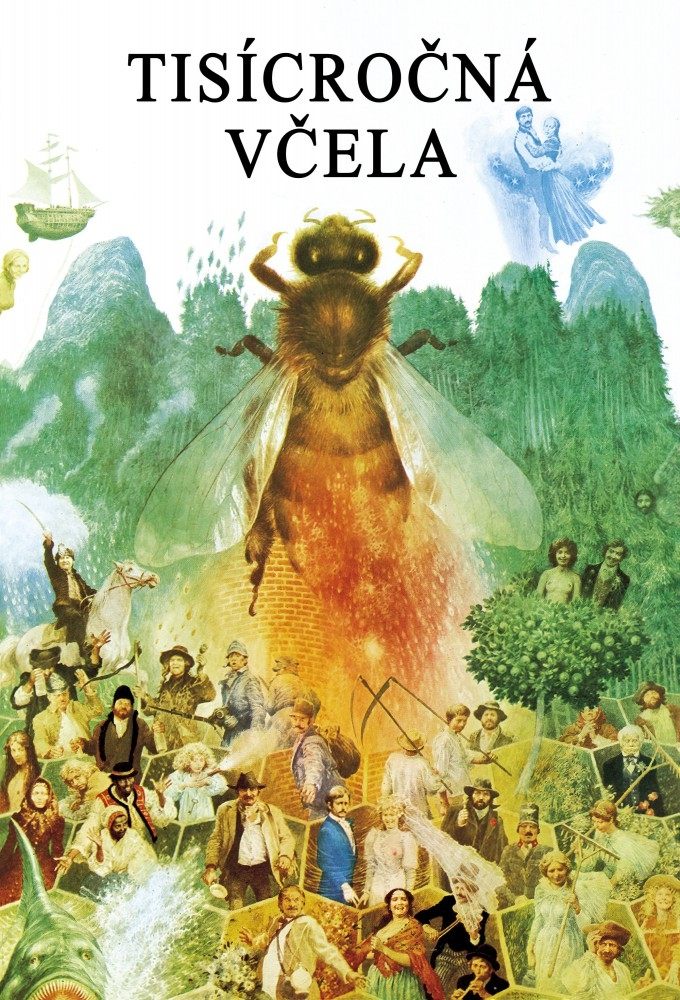
Tisícročná včela
1984
- DiziDram
Reťazenie
1984
- DiziDramSuç
Tajný agent
1974
- DiziDramSavaş ve Politika
V tieni vlkov
1972
- Dizi
- DiziAile
Sršne v úli
1985
- DiziDram
The series depicts the history of Slovak society in the first decades of our century and leaves a deep faith in humanity and the nation. It tells the life story of Pavlínka, the daughter of a laborer and innkeeper, whose fate is filled with love, social ambitions, and unfulfilled dreams, and who ultimately returns to the basics of life, to naturalness and wisdom.
Život bez konca
1983
- DiziKomedi
- DiziAileBilim Kurgu ve Fantastik
Rachotilkovia
1978
- DiziBilim Kurgu ve FantastikGizem
A handsome young man trades his soul so that his portrait ages while he stays eternally young.