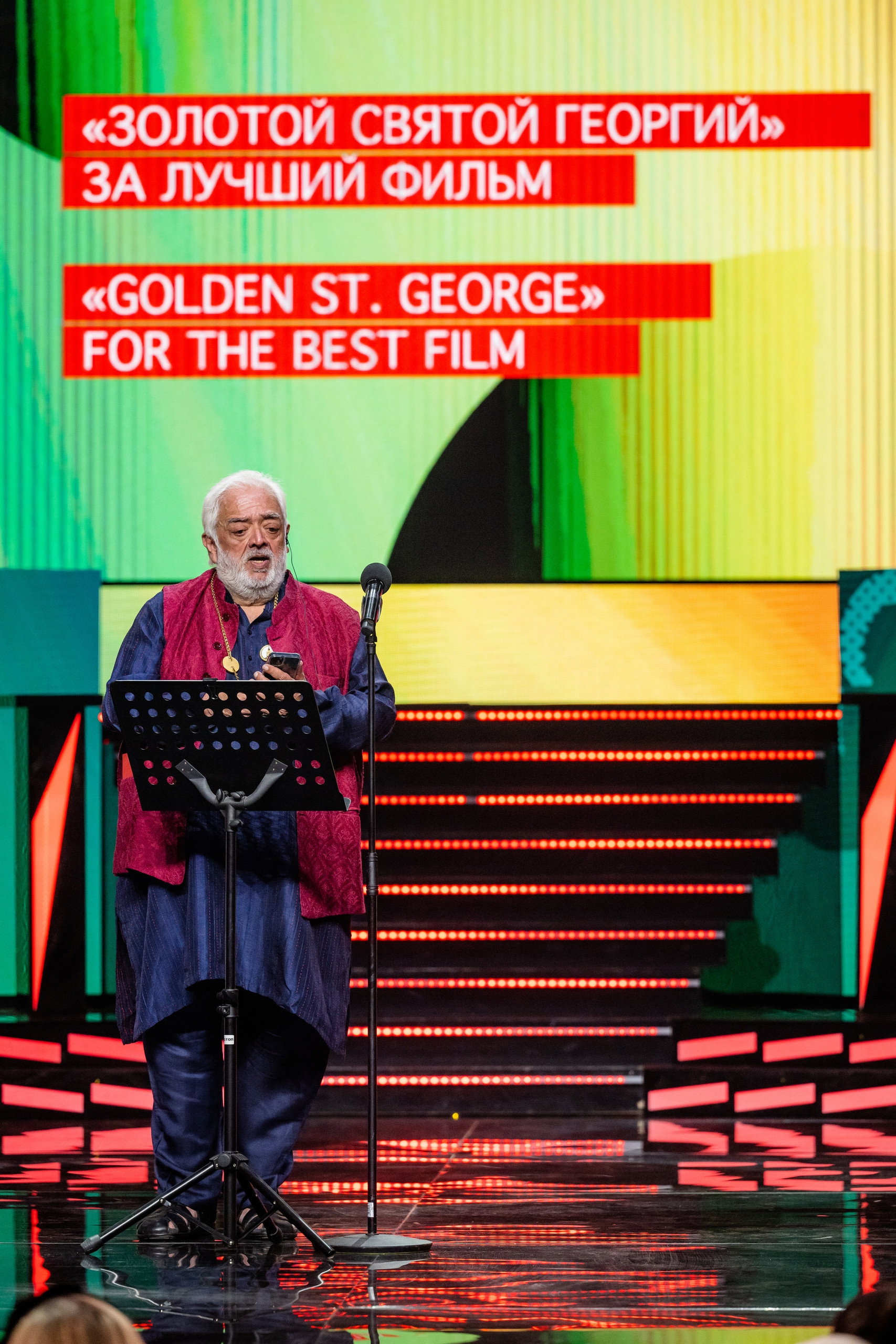
Rahul Rawail
Yönetmen · d. 1951
Rahul Rawail was born on 7 April 1951 in Bombay, State of Bombay, India. Rahul Rawail is the son of film director Harnam Singh Rawail (often credited as H. S. Rawail) who is known for his films Mere Mehboob (1963), Sunghursh (1968), Mehboob Ki Mehndi (1971) and Laila Majnu (1976).[citation needed] Rawail paid tribute to his father's 1968 film Sunghursh by titling one of his films as Jeevan Ek Sanghursh (1990). Rahul's son Bharat Rawail is an up-and-coming director, who had assisted Yash Chopra for the film Jab Tak Hai Jaan (2012). Rawail began his career as assistant to Raj Kapoor and debuted as director with 1980 Bollywood film Gunehgaar starring Parveen Babi, Rishi Kapoor, Rajendra Kumar, and Asha Parekh. His first two films were not successful but his third film Love Story (1981) starring débutante Kumar Gaurav and Vijeta Pandit was a turning point for his career. The film was a musical love story and was a commercial success. Since then, Rawail has directed seventeen films and two television series. He has often collaborated with actor Sunny Deol who worked with Rawail on six of his films, including his debut film Betaab (1983) with Amrita Singh.
Filmler1
 Film3.2AksiyonKomedi
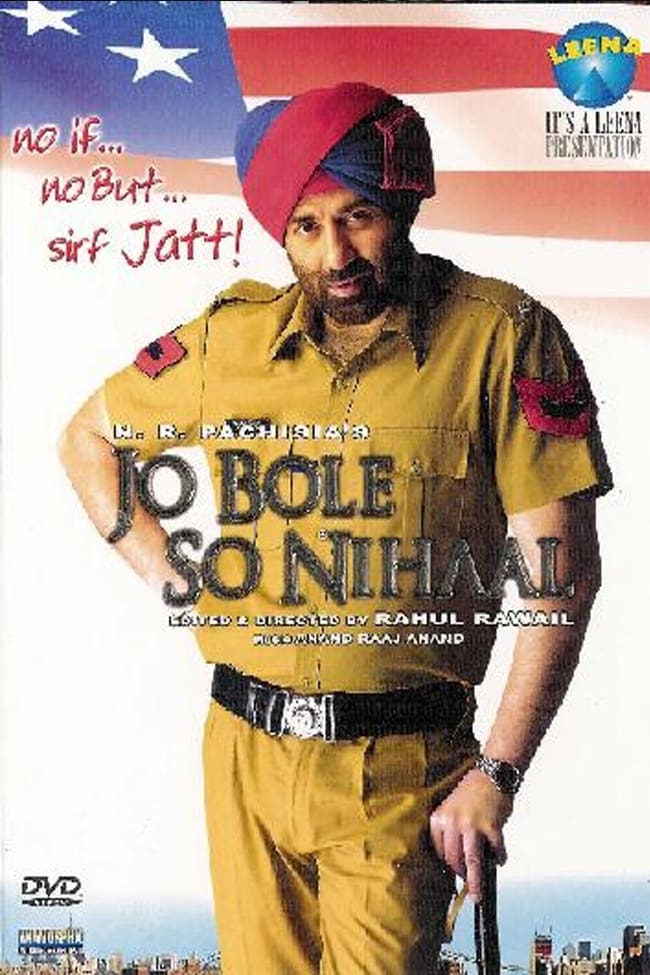
When police officer Nihaal releases a notorious criminal, Romeo, by mistake, he expects to be fired, but is instead hired by the FBI to track down and identify Romeo, who is a terrorist on the Most Wanted list. Nihaal manages to find Romeo, but rather than turning him in, he helps him escape, and winds up on the Most Wanted list himself.
Jo Bole So Nihaal
2005 · 6 votes
Diziler1
 Dizi8.3Belgesel
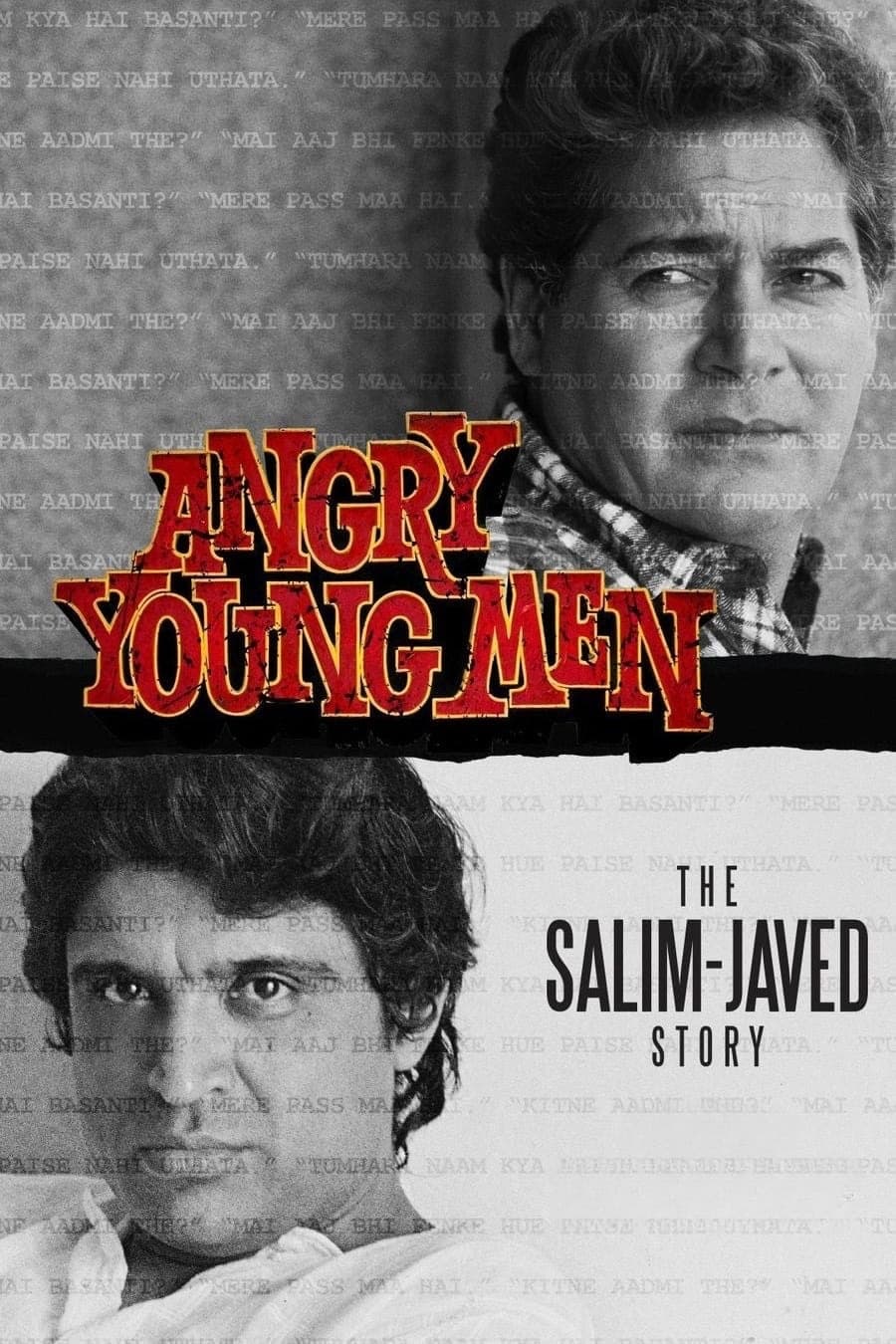
Angry Young Men is the story of Salim-Javed, legendary screenwriters of 1970s Hindi cinema. Together, they created the archetype of the Angry Young Man - a brooding anti-hero who captured the imagination of an entire nation with his rage, defiance, and quest for social justice. Like the character they created, Salim Khan and Javed Akhtar, two outsiders to the Hindi film industry, defied all odds, questioning the position of writers and demanding recognition as much as the reigning stars of that time. Their break-up made headlines for many years and Indian cinema never saw a cultural collaboration as powerful again. This is a personal and candid account of their lives, their writing and their legacy.