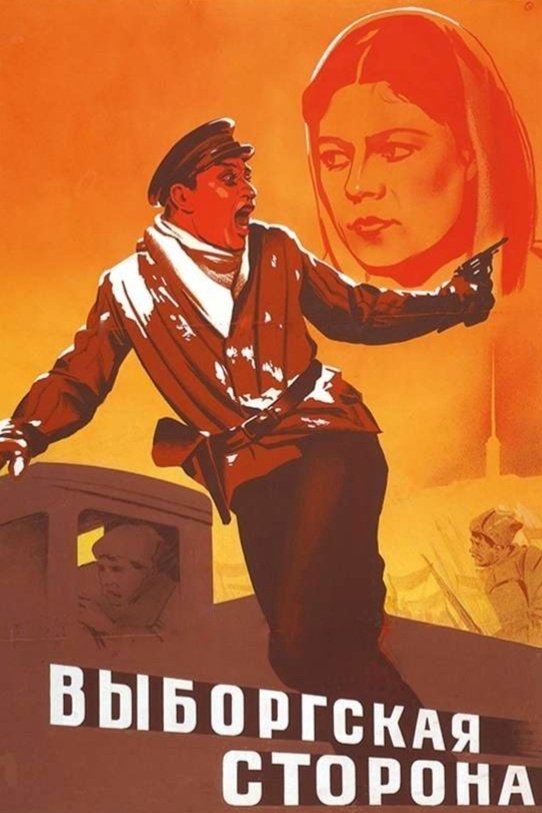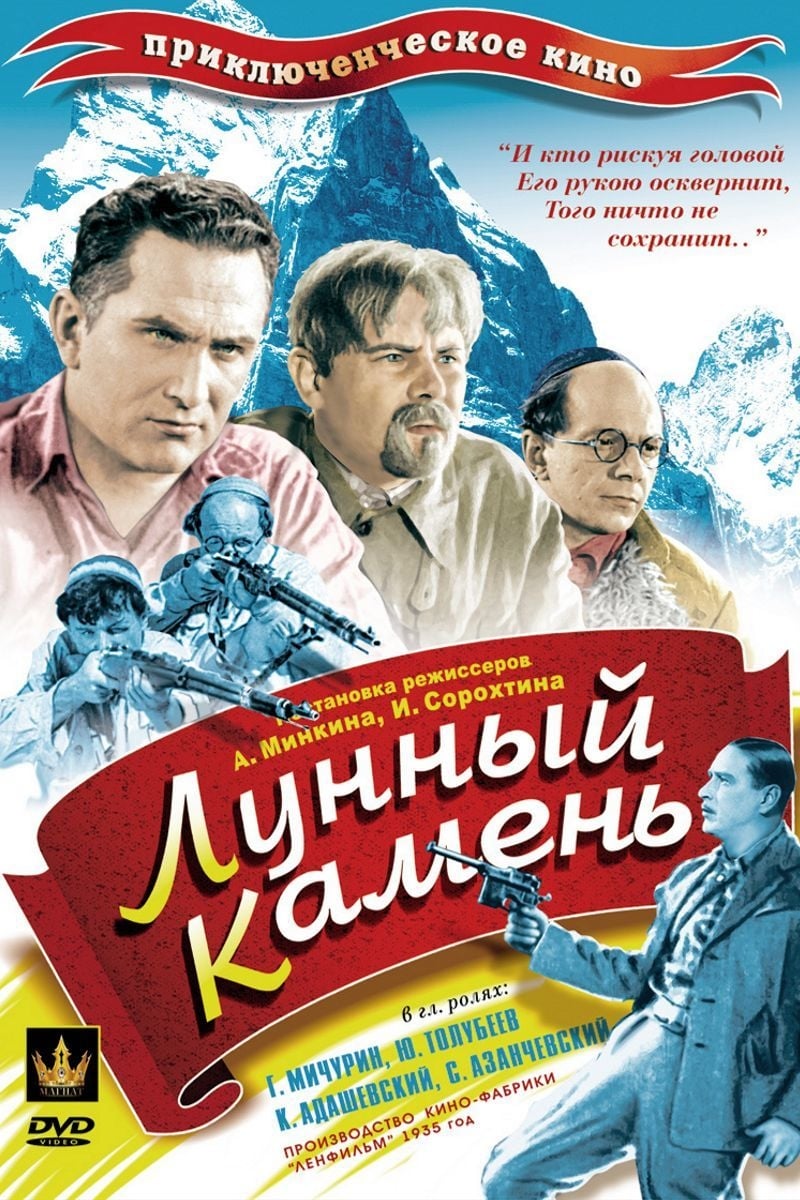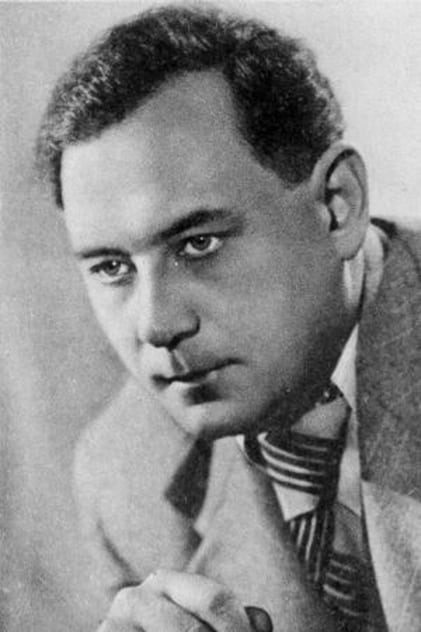
Yuriy Tolubeev
- 俳優
- 1906年5月1日 – 1979年12月28日 · 73歳
- Saint Petersburg, Russian Empire
代表作
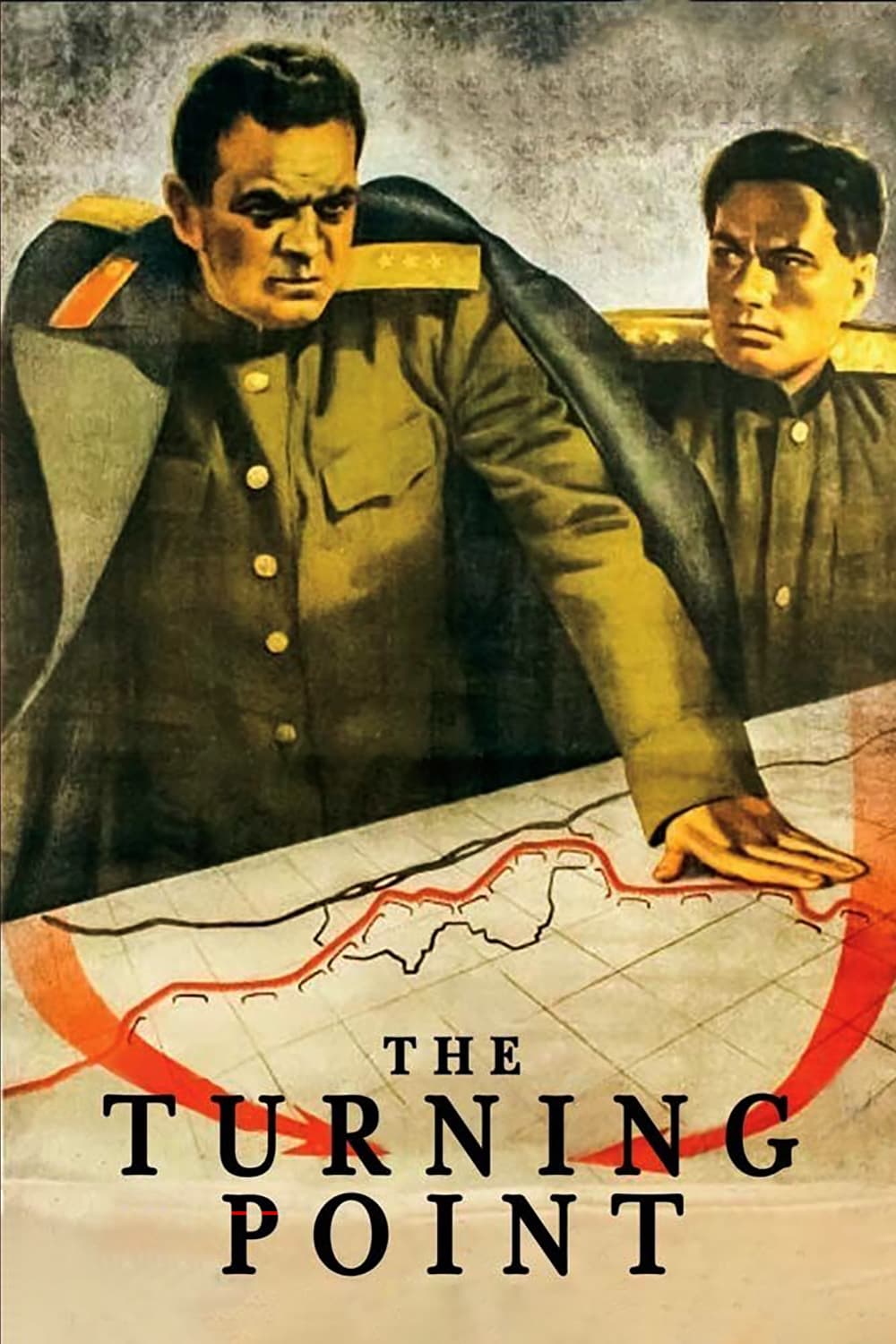 映画3.9ドラマ戦争
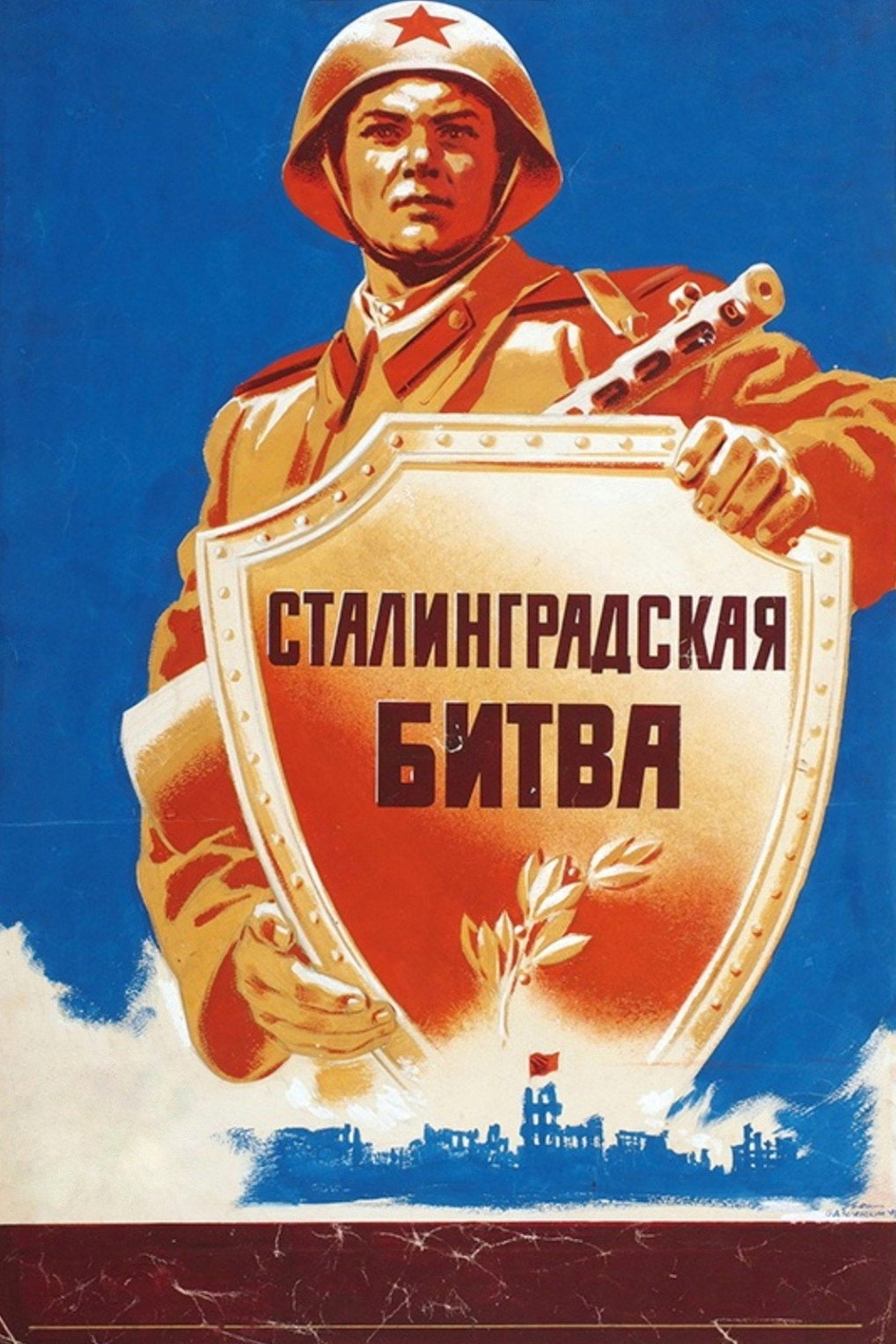
The film tells the story of those who took part in the Battle of Stalingrad in 1942, which became a turning point in the Great Patriotic War. For five months, the city resisted the Nazi offensive. Surrendering Stalingrad to the enemy would have meant losing the war, but holding on to the city seemed almost impossible.
 映画6.7アドベンチャードラマ
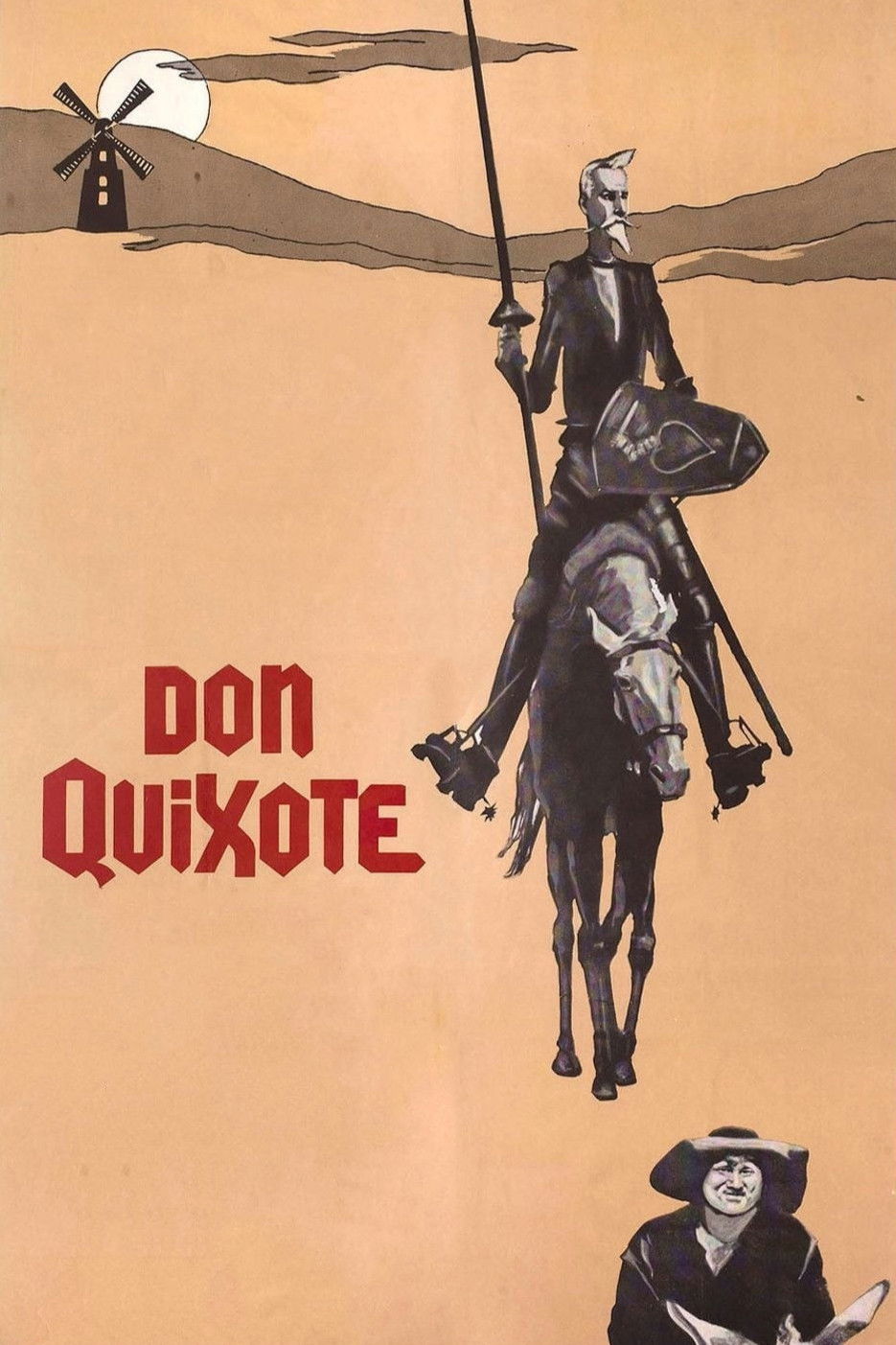
Senor Quexana has read so many books on chivalry that he believes that he is the knight Don Quixote de la Mancha. So Don Quixote sets off on his horse, accompanied by his squire Sancho Panza on a mule, to perform valiant deeds. They mistakenly save the Lady Altisidora who is so amused that she invites them to visit the Duke to provide some merriment at court. Among other deeds, Don Quixote frees some prisoners, who then turn upon him, and Don Quixote attacks a windmill that he imagines is a monstrous wizard.
 映画5.7アドベンチャーコメディ
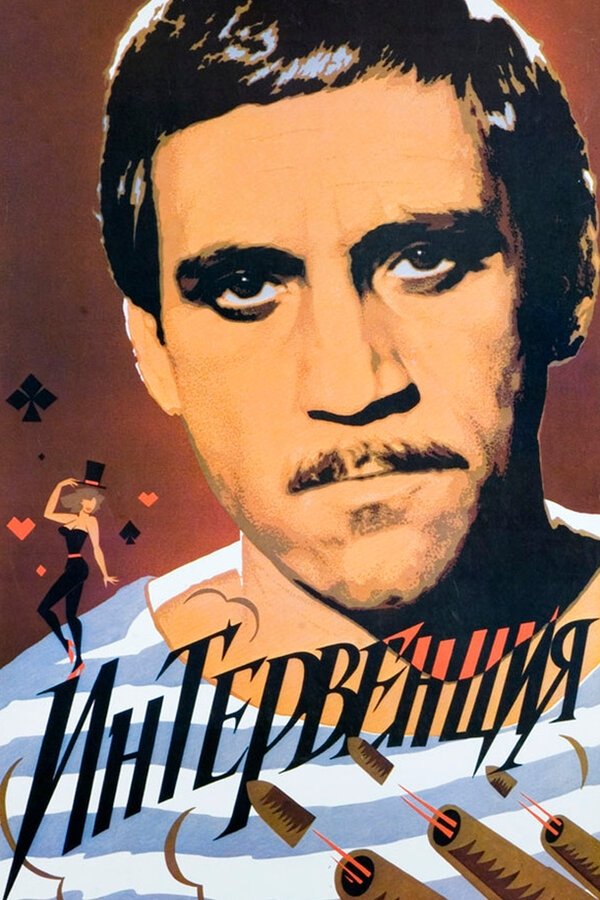
The movie is set during the last days of a foreign intervention against Soviet Russia. Police are searching everywhere for a Bolshevik named Brodsky but cannot find him. Meanwhile, a man named Michel Voronov serves as a teacher to a rich woman's son, Zhen'ka.
 映画5.7アドベンチャー犯罪
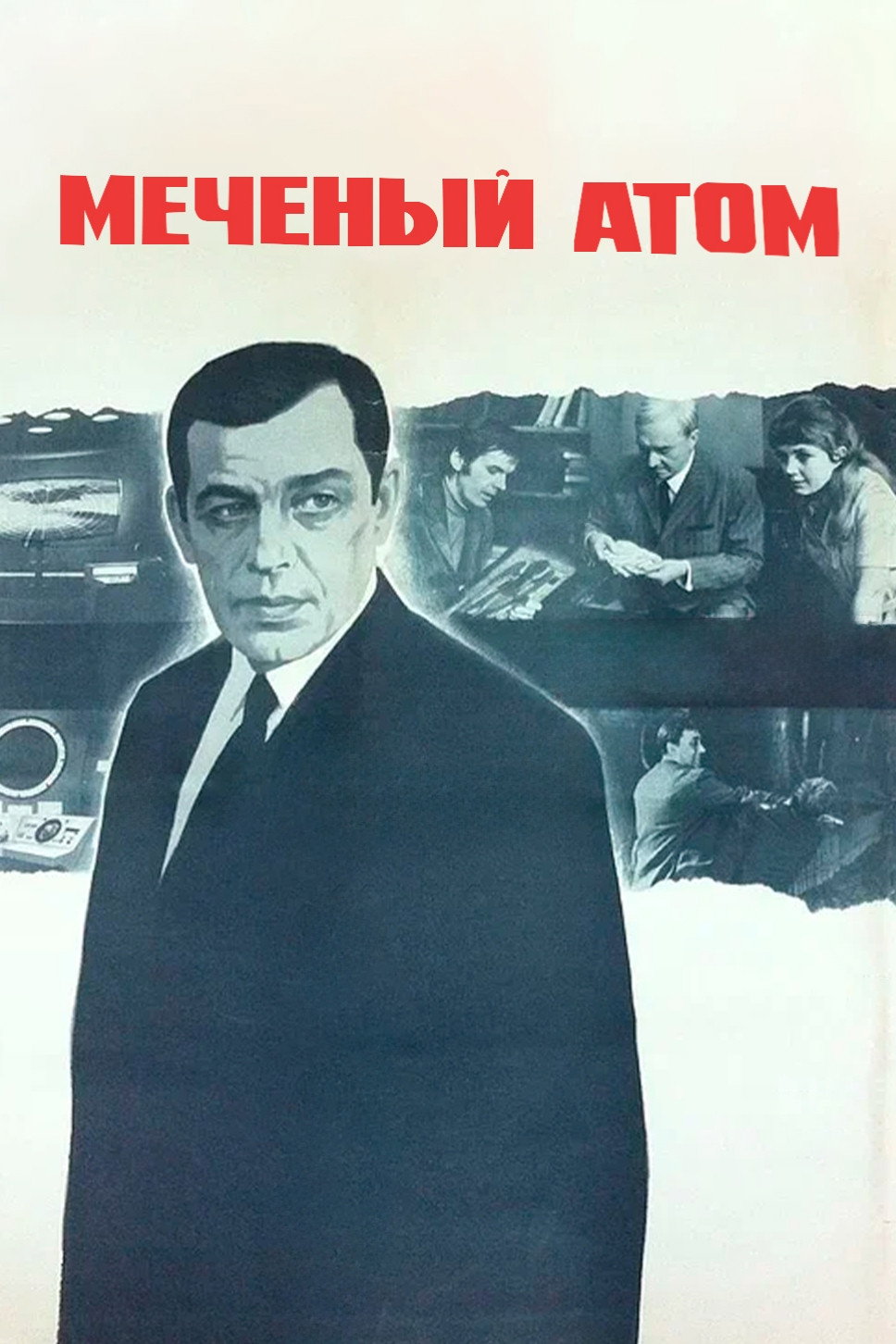
KGB agents are organizing the disinformation campaign for a western spy.
 映画5.4ドラマ戦争
A second episode in the trilogy about the partisans fighting against the Nazis during the WWII on the territory of Russia. Film is set in the winter of 1943-1944. Major Mlynsky is the commander of the partisan group, that is fighting behind the Nazi's front-lines. Major Mlynsky is invited to the Chief of Staff, where he is promoted to Lt.-Colonel for his courage. Now Mlynsky is in charge of the new partisan's operation.
 映画7.2ドラマ
Shakespeare's 17th century masterpiece about the "Melancholy Dane" was given one of its best screen treatments by Soviet director Grigori Kozintsev. Kozintsev's Elsinore was a real castle in Estonia, utilized metaphorically as the "stone prison" of the mind wherein Hamlet must confine himself in order to avenge his father's death. Hamlet himself is portrayed (by Innokenti Smoktunovsky) as the sole sensitive intellectual in a world made up of debauchers and revellers. Several of Kozintsev directorial choices seem deliberately calculated to inflame the purists: Hamlet's delivers his "To be or not to be" soliloquy with his back to the camera, allowing the audience to fill in its own interpretations.
 映画3.5コメディドラマ
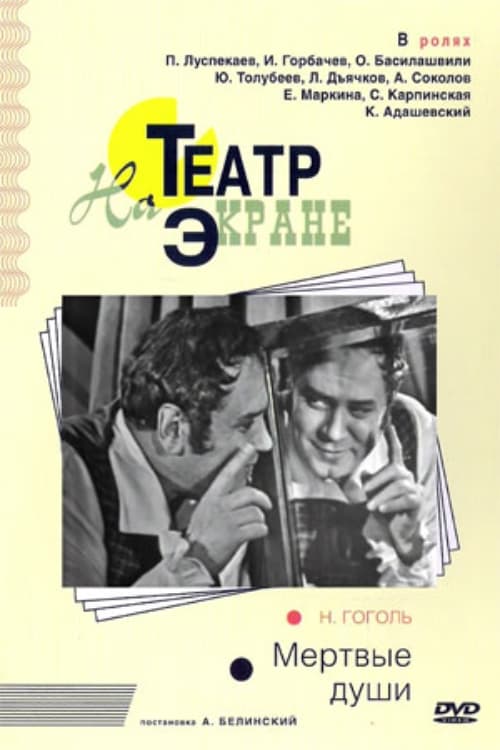
In "Dead Souls" Gogol posed the most pressing and painful questions of modern life. The very title of the poem had enormous revealing power; it carried, according to Herzen, “something terrifying”, “he could not name it otherwise; not the revisionists - dead souls, but all these Nozdryovs. Manilovs and all those like them are dead souls, and we meet them at every step..."
 映画8.0コメディ
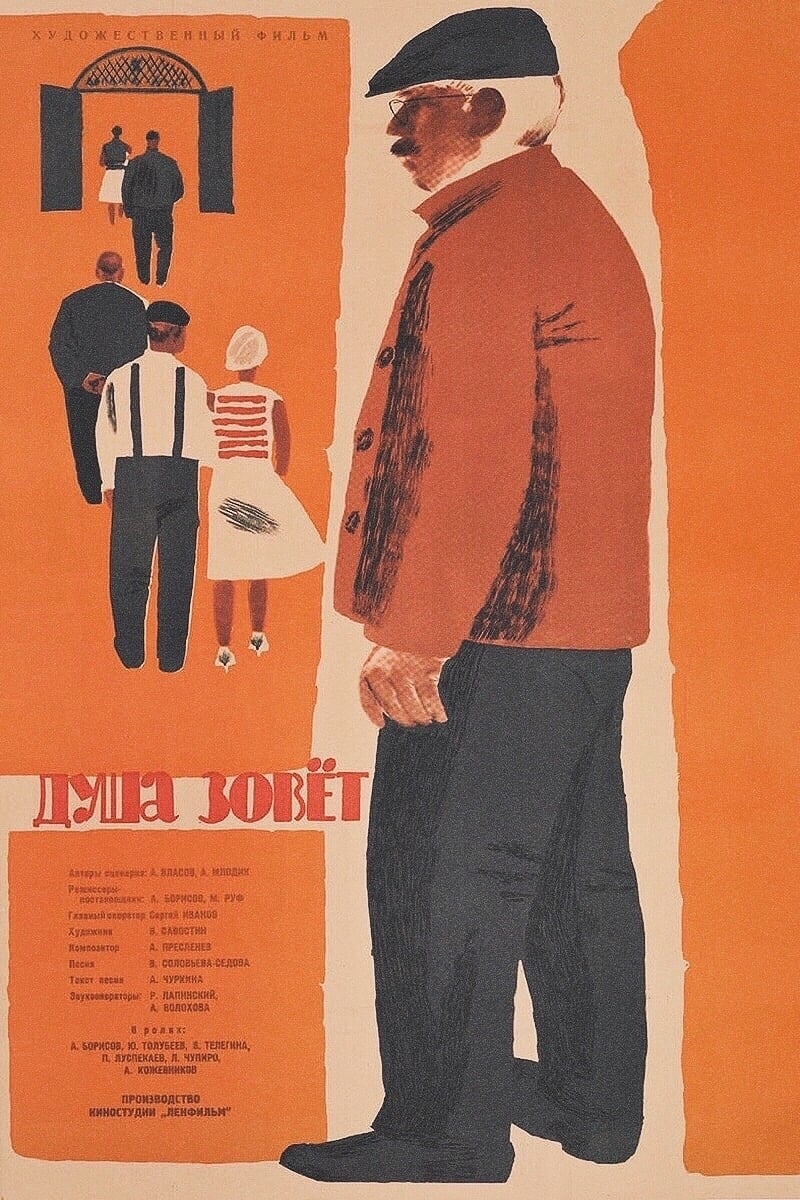
Two old Leningrad workers, Sukhov and Solyanov, have a long-standing friendship — they worked at the same plant, lived in the neighborhood. Now Solyanov, at the insistence of his son, decides to retire. But it is not so easy to part with his native plant, which, as it turned out, still needs an old personnel officer...
フィルモグラフィー24
- 1978
- 1972
- 1969
- 1968
- 1965
- 1964
- 1962
- 1959
- 1957
- 1955
- 1953
- 1952
- 1950
- 1949
- 1947
- 1945
- 1942
- 1940
- 1939
- 1935