Victor Sen Yung
- Recitazione
- 18 ottobre 1915 – 1 novembre 1980 · a 65 anni
- San Francisco, California, USA
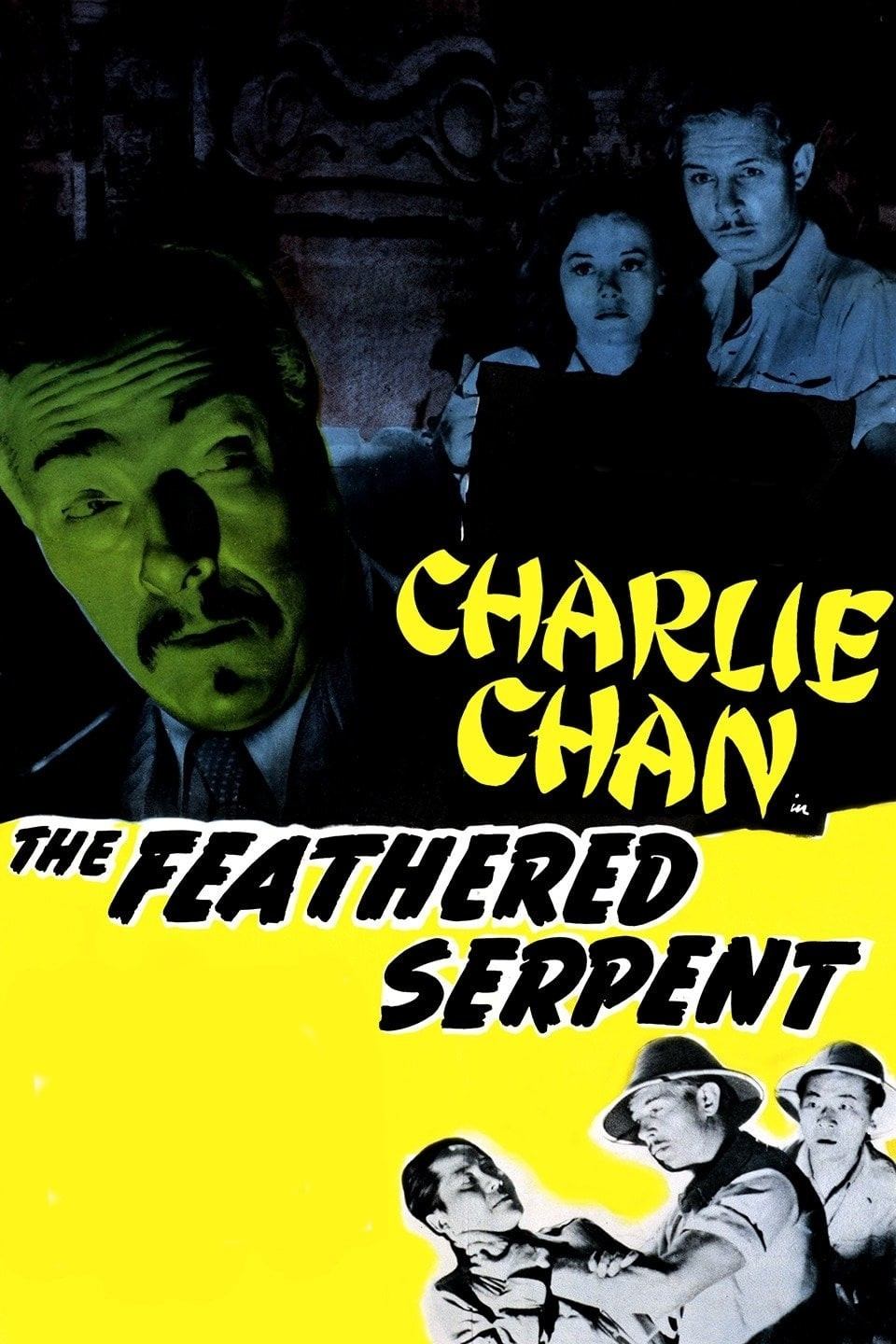
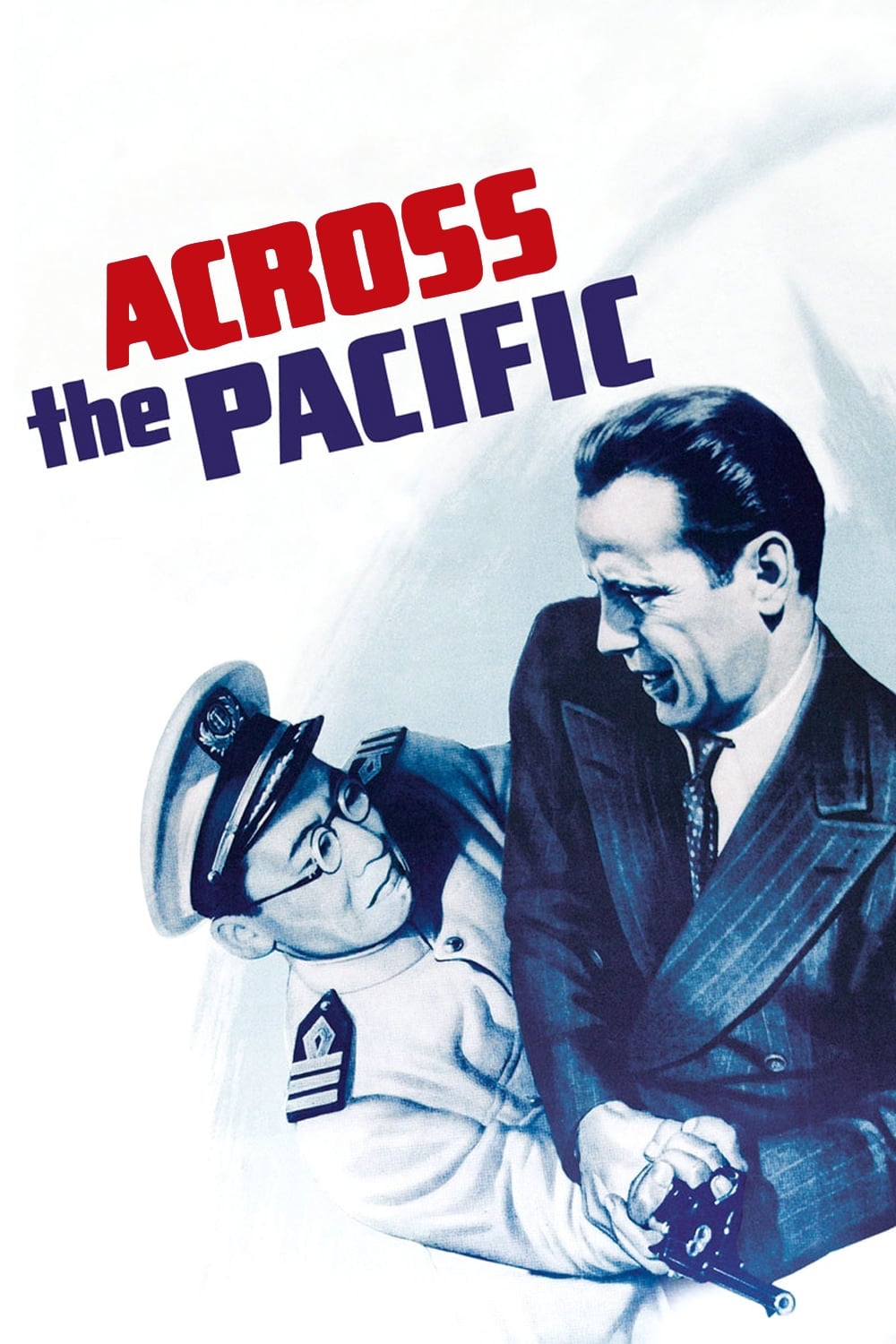
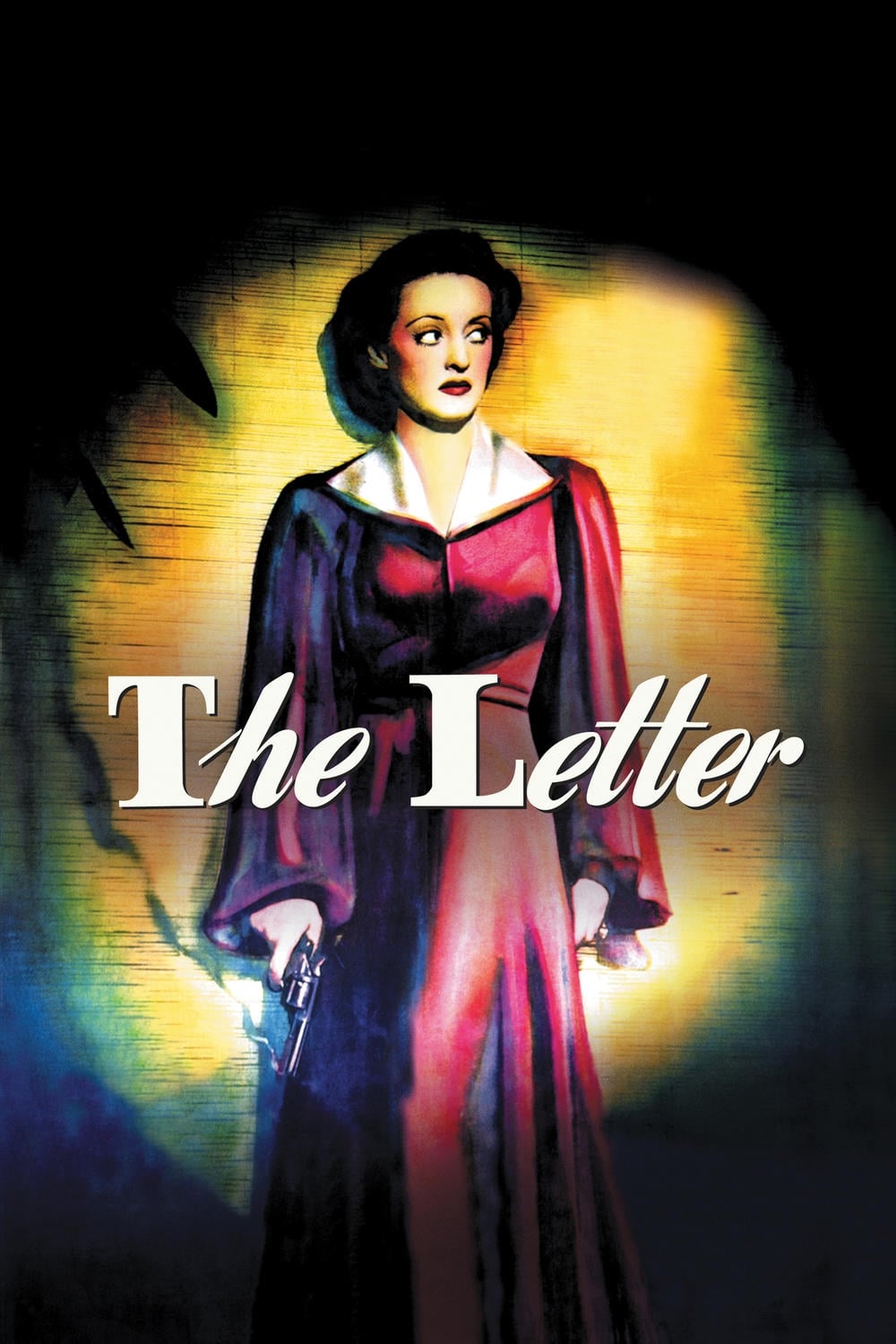
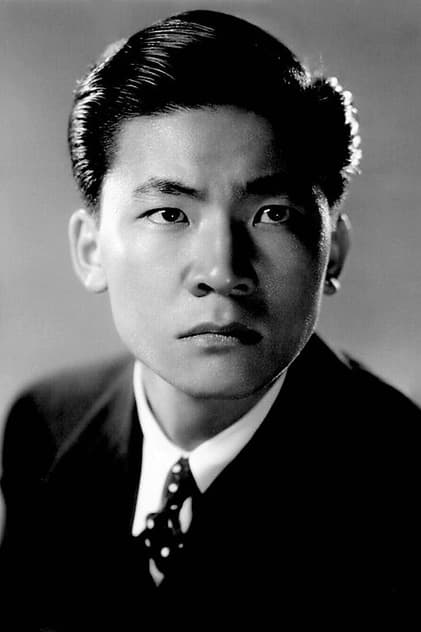
Victor Sen Young (born Victor Cheung Young or Sen Yew Cheung; October 18, 1915 – body discovered November 9, 1980) was an American character actor, best known for playing Jimmy Chan in the Charlie Chan films and Hop Sing in the Western series Bonanza. He was born in San Francisco, California to Gum Yung Sen and his first wife, both immigrants from China. His mother died during the flu epidemic of 1919. His father placed Victor and his younger sister, Rosemary, in a children's shelter, and returned to his homeland to seek another wife. He returned in 1922 with his new wife, Lovi Shee, forming a household with his two children. Sen Yung made his first significant acting debut in the 1938 film Charlie Chan in Honolulu, as the Chinese detective's "number two son", Jimmy Chan. Sen Yung played Jimmy Chan in 11 Charlie Chan films between 1938 and 1942. Moonlighting from the popular Chan series, Sen Yung won critical acclaim playing the nuanced role of Ong Chi Seng, a young attorney assisting Howard Joyce, in defending Leslie Crosbie, in The Letter. Like other Chinese-American actors, he was cast in Japanese parts during World War II, like his role as the treacherous Japanese-American Joe Totsuiko in the 1942 Humphrey Bogart film Across the Pacific. During World War II he joined the U.S. Army Air Forces just as his erstwhile co-star Sidney Toler was set to revive the dormant Charlie Chan series at Monogram Pictures. Sen Yung's military obligations forced him to decline rejoining the series immediately, but Monogram gave him a standing invitation to work there after his tour of duty. Sen Yung's military service included work in training films at the First Motion Picture Unit and a role in the Army Air Forces' play and film Winged Victory. In 1946 Sen Yung resumed his Hollywood career at Monogram, now billed as Victor Sen Young, and reunited with Sidney Toler. Toler's health was failing; Monogram was conserving Toler's waning energy, limiting his scenes and giving him long rest periods during filming. To relieve the burden on Toler, Monogram entrusted much of the action to Victor Sen Young; he and either Mantan Moreland or Willie Best shared much of the footage in Toler's final three films, Dangerous Money, Shadows Over Chinatown, and The Trap. The addition of Moreland as Chan's black chauffeur, Birmingham Brown, reflected the fact that by this time the Chan pictures had a significant following among black Americans, who liked a film series that for once did not feature a white hero. Moreland's popularity in the Chan pictures was so great that he was booked for a nationwide vaudeville tour. Following Toler's death in 1947, Victor Sen Young appeared in five of the remaining six Charlie Chan features. His character "Jimmy" was renamed "Tommy". Victor Sen Young continued to work in motion pictures and television in roles ranging from featured players (affable or earnest Asian characters) to bit roles (clerks, houseboys, waiters, etc.). Arguably even more than for his work in the Charlie Chan films, Victor Sen Yung is remembered as "Hop Sing," the irascible cook and general factotum on the iconic television series Bonanza, appearing in 107 episodes between 1959 and 1973. Sen Yung was also an accomplished and talented chef. He frequently appeared on cooking programs and authored The Great Wok Cookbook in 1974.
Titoli più noti
 Serie TV5.8CommediaTalk show
The Mike Douglas Show is an American daytime television talk show hosted by Mike Douglas that originally aired only in the Cleveland area during much of its first two years on the air. It then went into syndication in 1963 and remained on television until 1982. It was distributed by Westinghouse Broadcasting and for much of its run, originated from studios of two of the company's TV stations in Cleveland and Philadelphia.
The Mike Douglas Show
1961 · 11 votes
 Serie TV7.7MisteroDrammatico
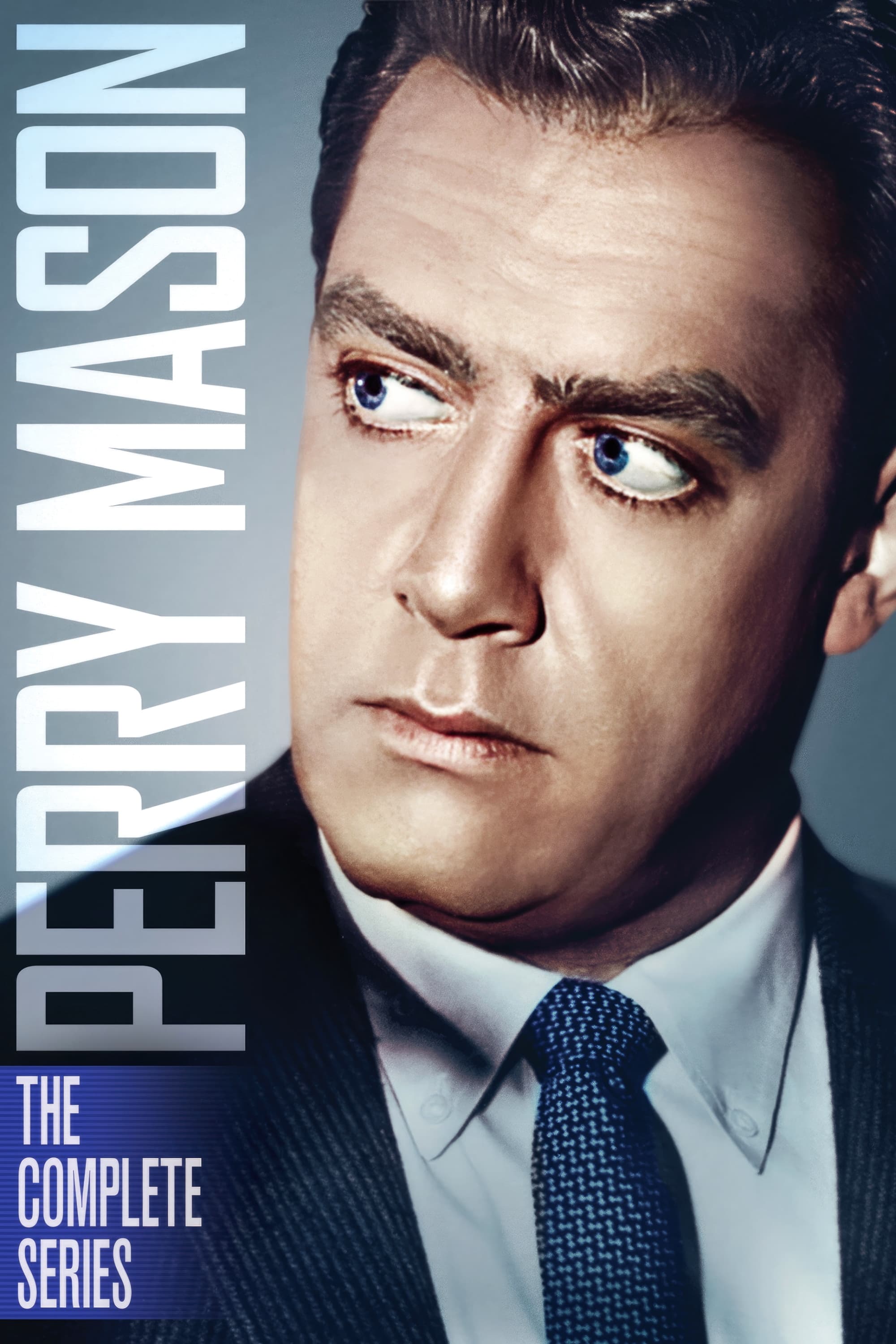
Perry Mason è uno dei migliori avvocati di Los Angeles e accetta solo clienti della cui innocenza è convinto. Spesso riesce a dimostrare l'innocenza del proprio assistito smascherando in aula il vero colpevole. Gli altri personaggi della serie sono la sua segretaria Della Street, l'investigatore privato Paul Drake, il procuratore distrettuale Hamilton Burger, con il quale si scontra in tribunale vincendo praticamente sempre, e il tenente di polizia Arthur Tragg.
Perry Mason
1957 · 140 votes
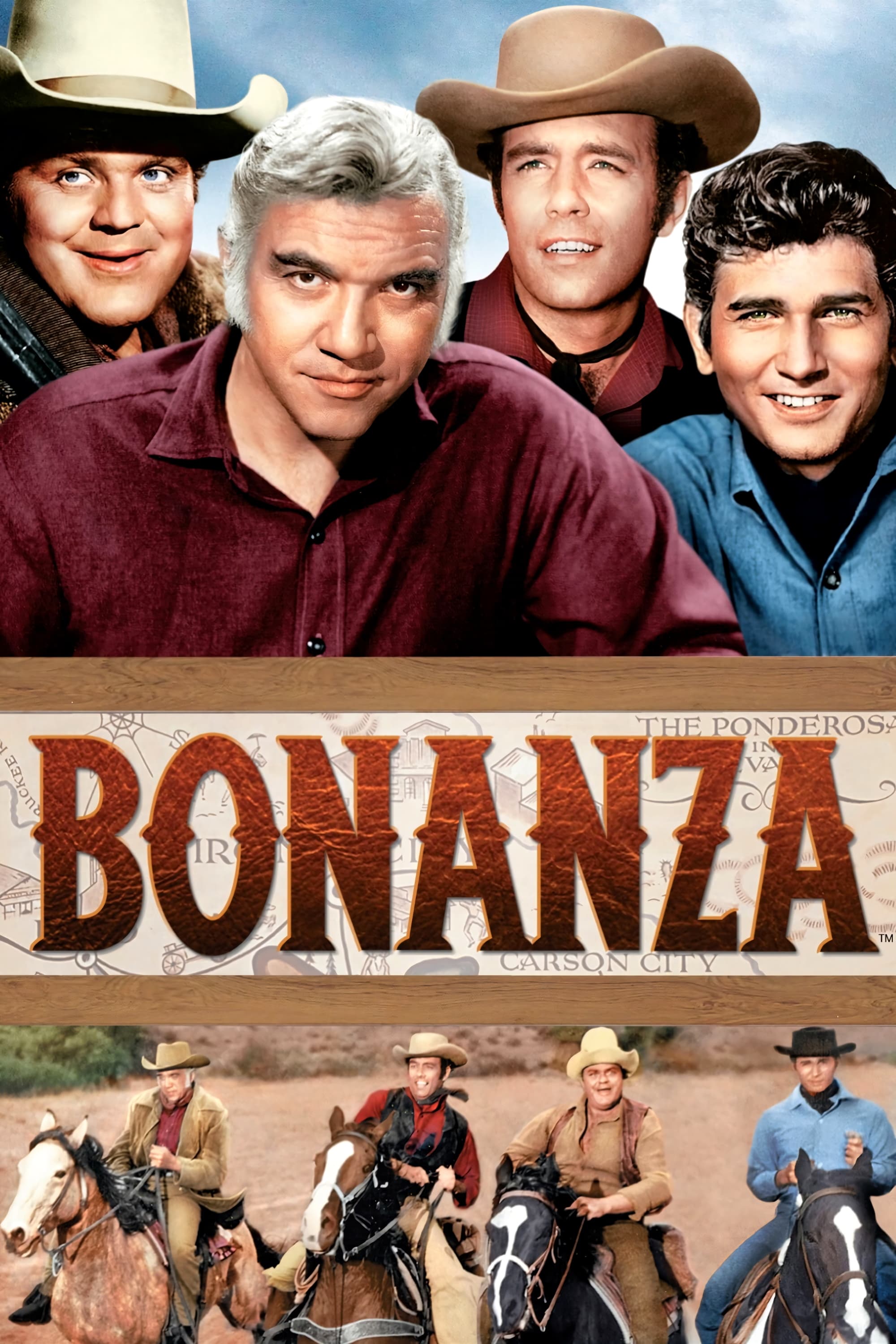 Serie TV7.5WesternAzione e avventura
Serie intorno alle vicende di una famiglia di Cowboy nel ranch 'La Ponderosa'.
Bonanza
1959 · 501 votes
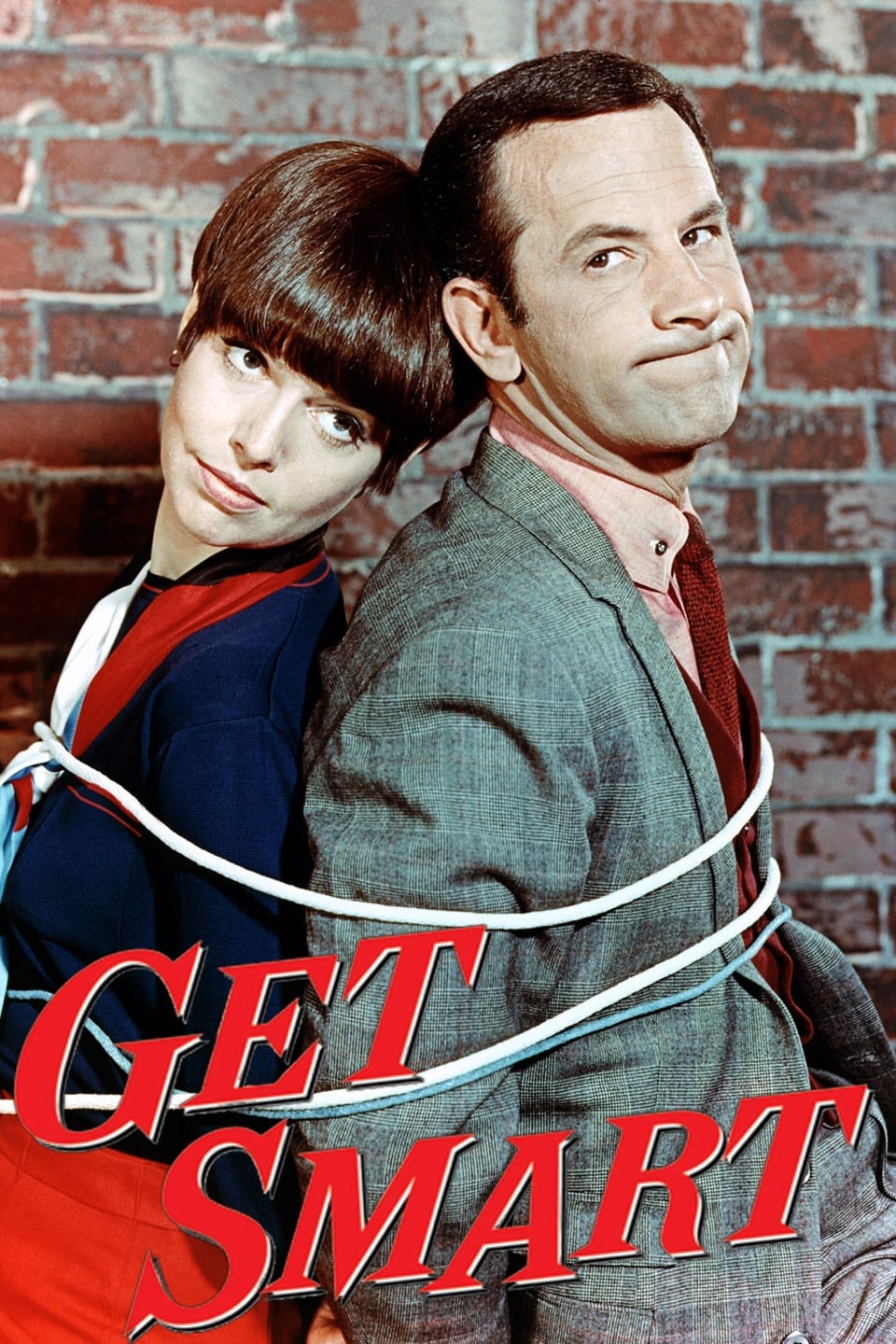 Serie TV8.0CommediaFantascienza e fantasy
Get Smart è una serie televisiva comica americana che satireggia il genere degli agenti segreti. Creata da Mel Brooks con Buck Henry, la serie è interpretata da Don Adams, Barbara Feldon e Edward Platt. Henry ha detto che hanno creato lo show su richiesta di Daniel Melnick, che era socio, insieme a Leonard Stern e David Susskind, della società di produzione dello show, la Talent Associates, per capitalizzare "le due cose più grandi nel mondo dell'intrattenimento di oggi" - James Bond e l'Ispettore Clouseau. Brooks ha dichiarato: "È una combinazione pazzesca di James Bond e della comicità di Mel Brooks". Questa è l'unica produzione di Mel Brooks a contenere una colonna sonora.
Get Smart
1965 · 448 votes
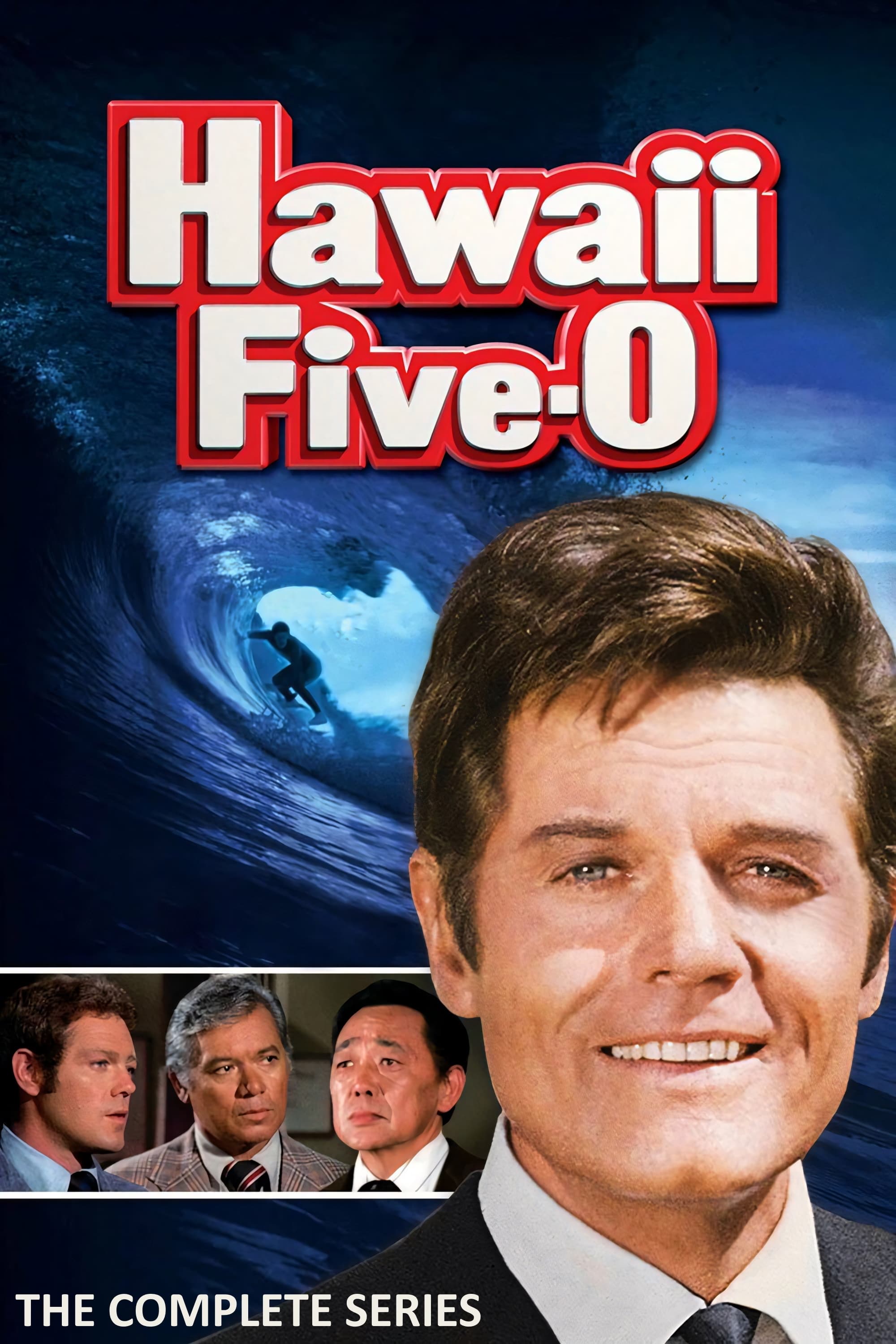 Serie TV7.2Azione e avventuraDrammatico
Hawaii Five-O è una serie poliziesca americana prodotta dalla CBS Productions e Leonard Freeman. Ambientato alle Hawaii, lo show andò originariamente in onda per 12 stagioni dal 1968 al 1980, e continua nelle repliche. Jack Lord ha interpretato il detective tenente Steve McGarrett, il capo di una task force speciale della polizia di stato che era basata su un'unità reale che esisteva sotto la legge marziale negli anni 1940. Il tema musicale composto da Morton Stevens divenne particolarmente popolare. Molti episodi finivano con McGarrett che istruiva il suo subordinato a "Incriminali, Danno!", a volte specificando un'accusa come "omicidio di primo grado".
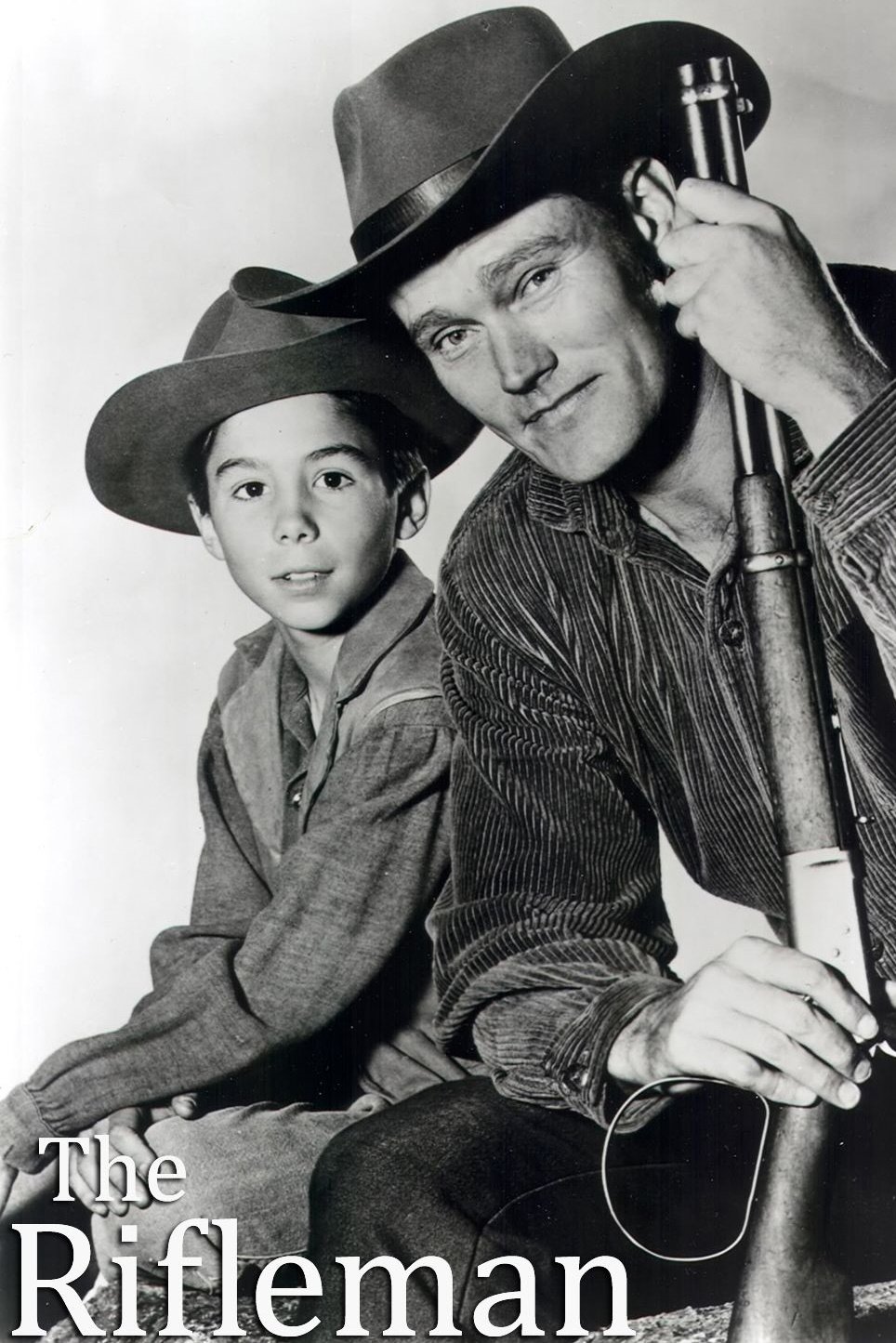 Serie TV7.1Azione e avventuraWestern
The Rifleman is an American Western television program starring Chuck Connors as rancher Lucas McCain and Johnny Crawford as his son, Mark McCain. It was set in the 1880s in the town of North Fork, New Mexico Territory. The show was filmed in black-and-white, half-hour episodes. "The Rifleman" aired on ABC from September 30, 1958 to April 8, 1963 as a production of Four Star Television. It was one of the first prime time series to have a widowed parent raise a child.
The Rifleman
1958 · 54 votes
 Serie TV5.6CrimeDrammatico
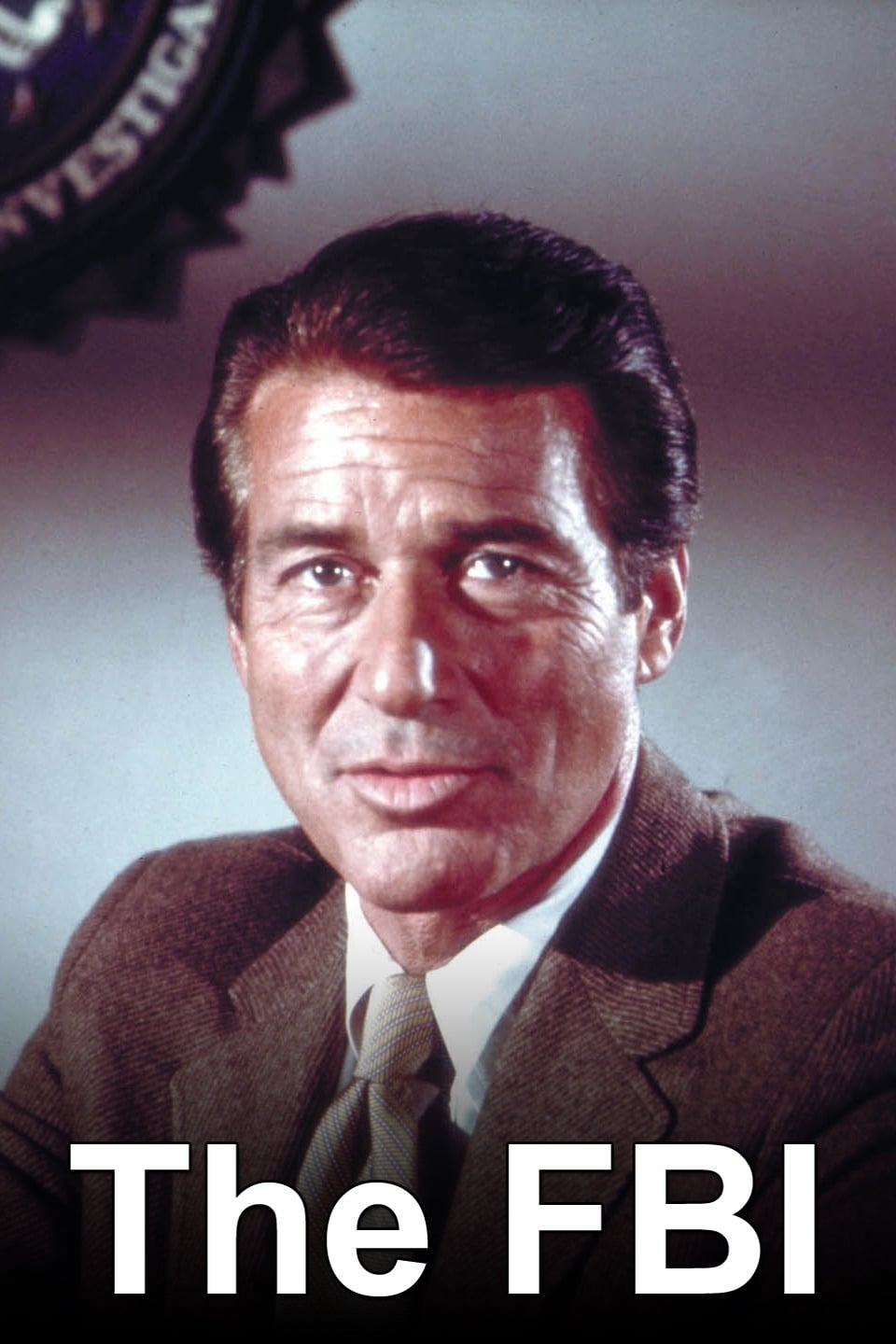
Gli episodi trattano di casi presi in esame dall'FBI riguardanti crimini in massima parte realmente accaduti. Su questi indaga l'ispettore Lewis Erskine, personaggio integerrimo e ligio al dovere, che si imbatte in truffatori, assassini, latitanti, serial killer, ladri, falsari, sabotatori e altri criminali assortiti. In questo compito è supportato da una serie di agenti speciali, supervisori e tecnici. Nella prima stagione Erskine perde la moglie che resta uccisa nel corso di una sparatoria. Barbara Erskine, figlia dell'ispettore, si innamora dell'agente Jim Rhodes, collega del padre e la relazione non è da questo ben vista. Dalla seconda stagione in poi il personaggio di Barbara non è più presente. Al termine di alcuni episodi, l'attore Efrem Zimbalist Jr. mostra al pubblico foto di veri ricercati per facilitarne la cattura
 Serie TV7.6Azione e avventuraCommedia
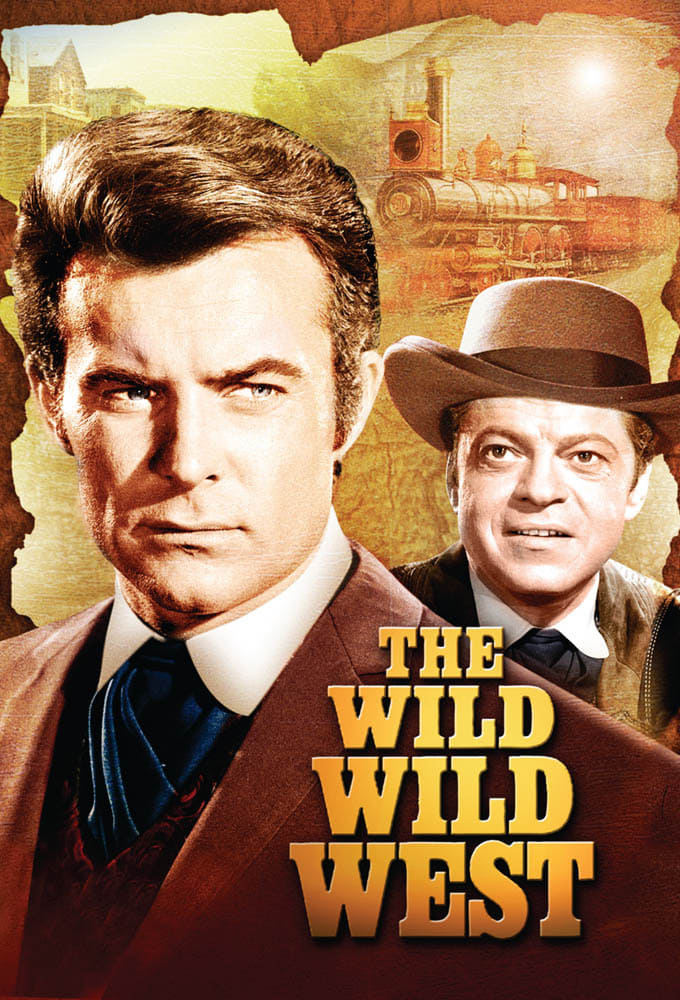
I due agenti segreti James T. West, pistolero affascinante (interpretato da Robert Conrad), e Artemus Gordon (interpretato da Ross Martin), brillante maestro dei travestimenti, sono in missione permanente per proteggere il presidente degli Stati Uniti Ulysses S. Grant da ogni sorta di minaccia. Gli agenti viaggiano a bordo di un treno di lusso riservato esclusivamente a loro, dotato di ogni comfort e di un laboratorio. James West aveva prestato servizio come ufficiale di cavalleria nella guerra civile americana. Dopo essersi ritirato dal servizio nel 1880 vive in un ranch in Messico. Gordon ha invece un passato più oscuro e si sa solo che è stato attore in una compagnia itinerante e che interpretava le commedie di Shakespeare.
Filmografia48
- 1980
- 1977
- 1975
- 1974
- 1970
- 1969
- 1968
 Here's Lucy
Serie TV6.7
 The Movie Orgy
Film6.8
- 1965
- Get Smart
Serie TV8.0
- 1964
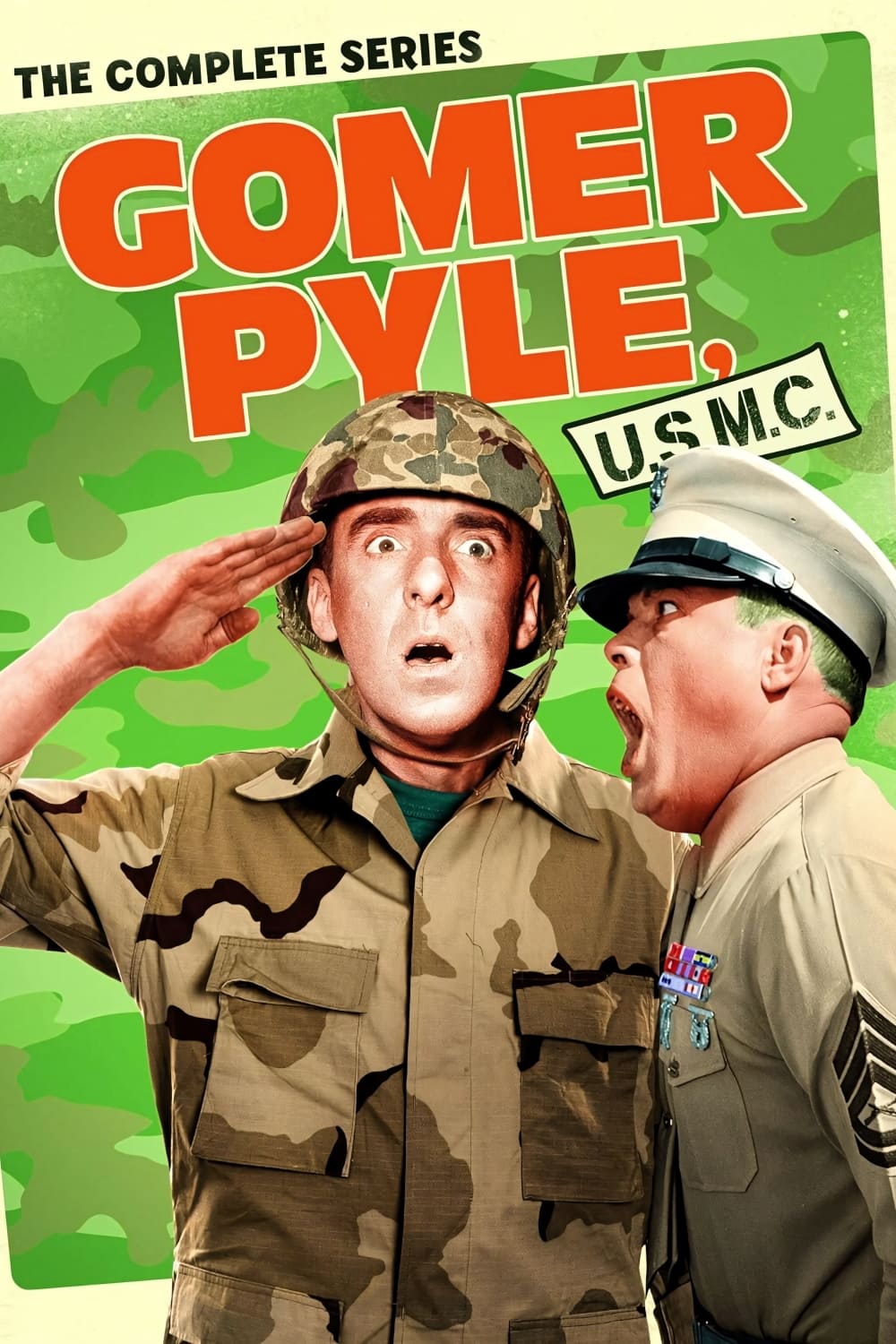 Gomer Pyle, U.S.M.C.
Serie TV7.1
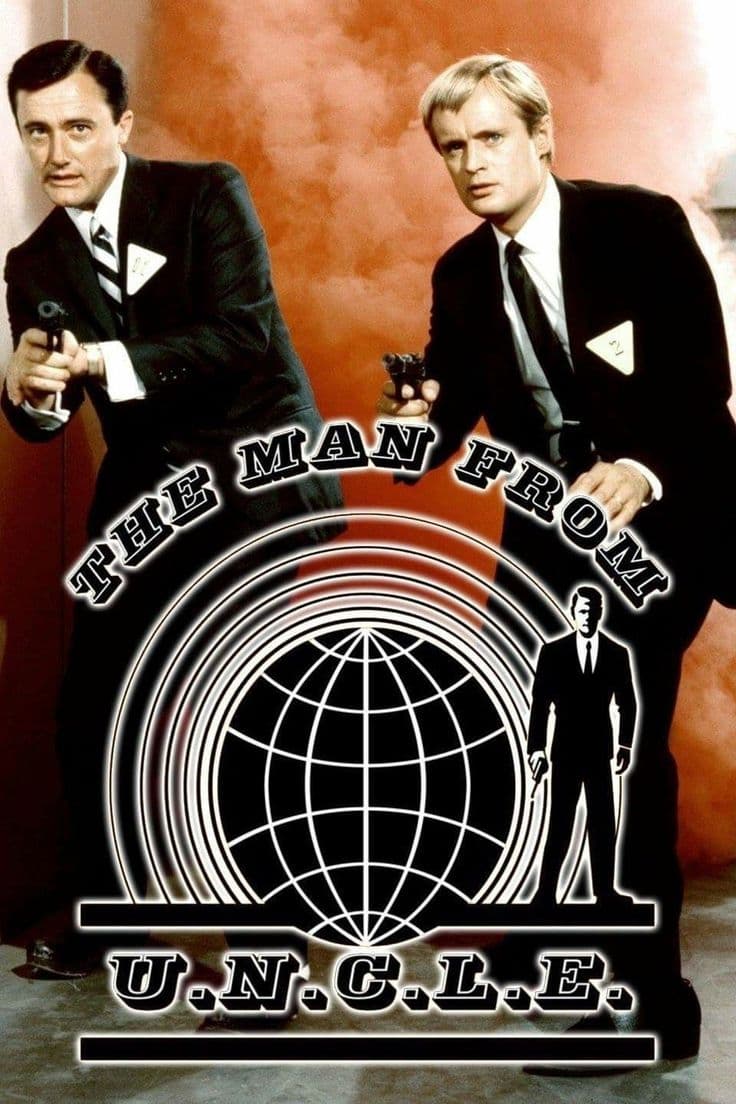
- 1961
- The Mike Douglas Show
Serie TV5.8
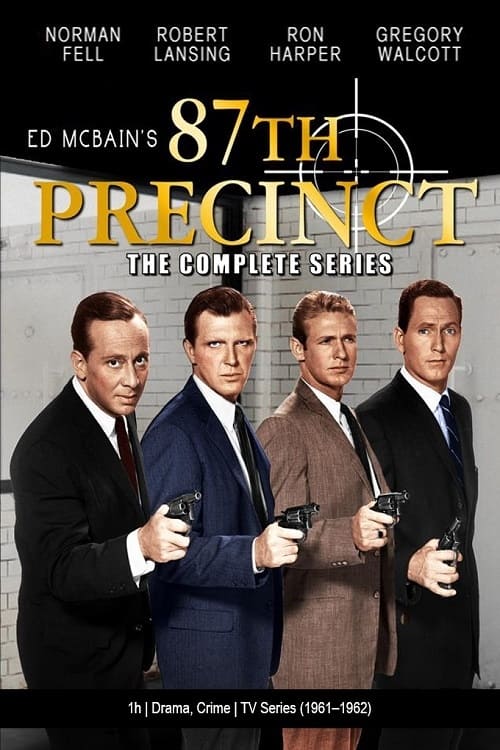
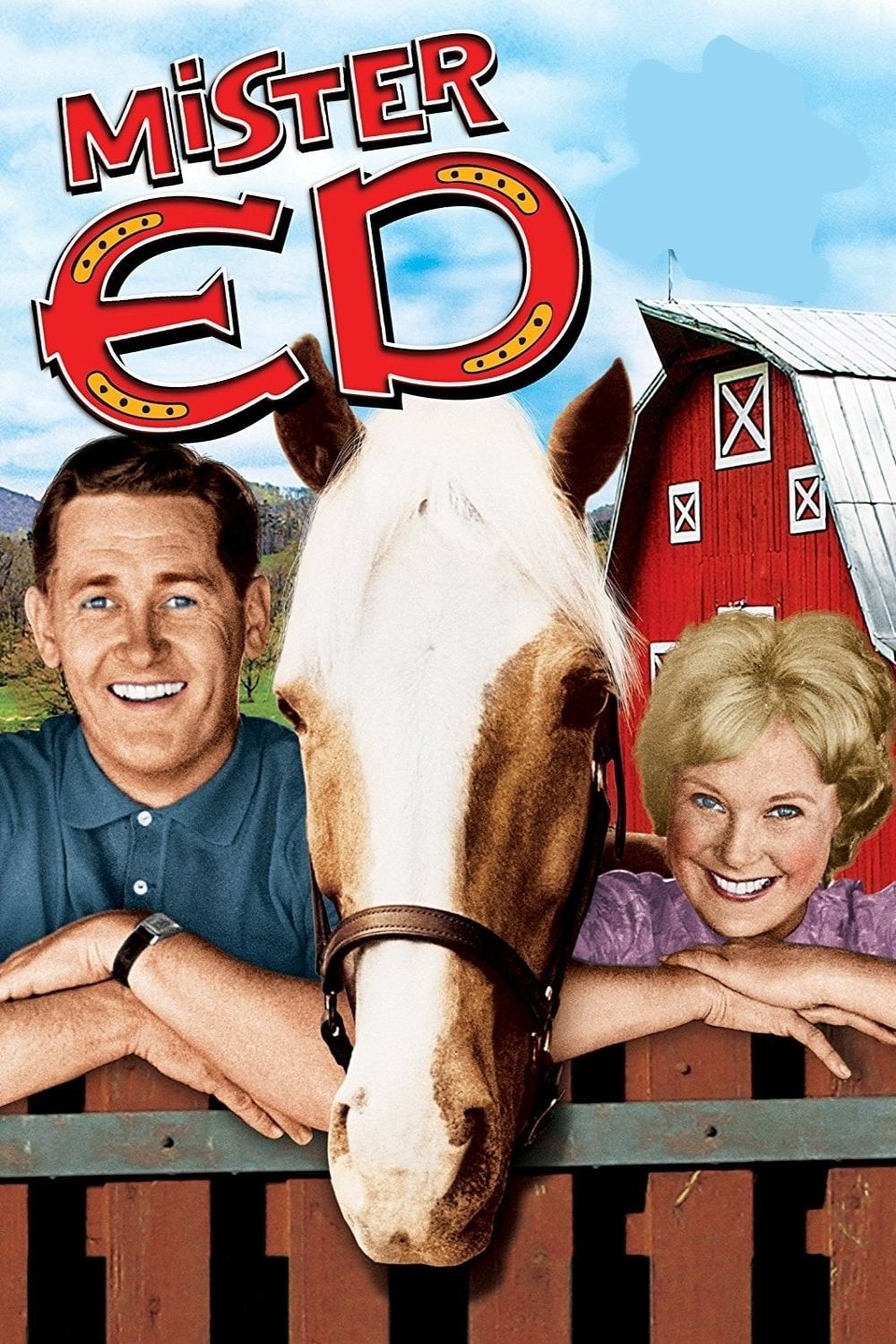
- 1960
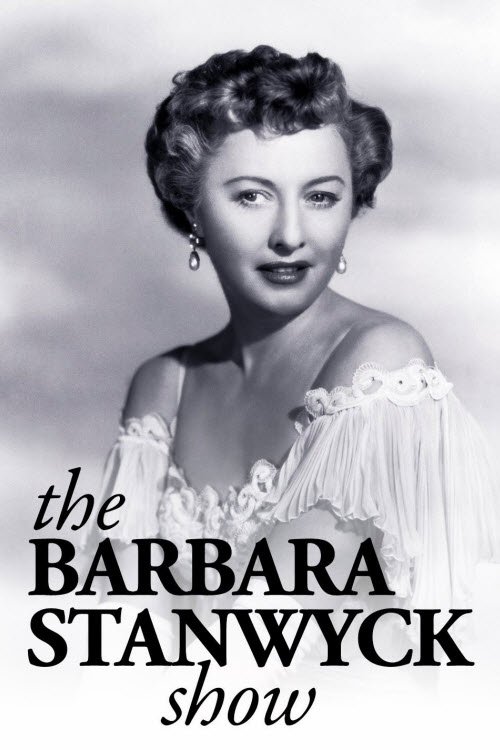 The Barbara Stanwyck Show
Serie TV6.4
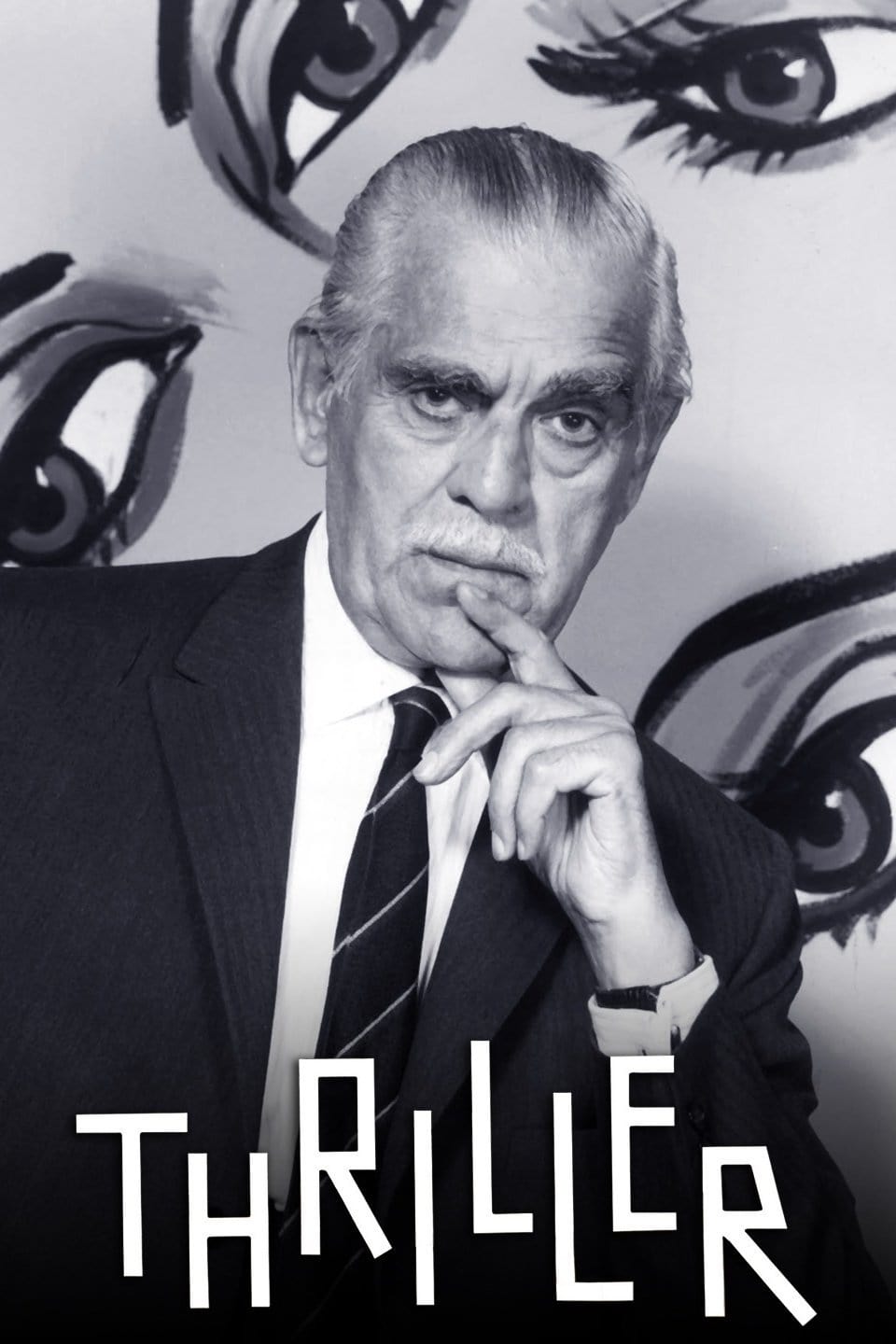 Thriller
Serie TV6.7
- 1959
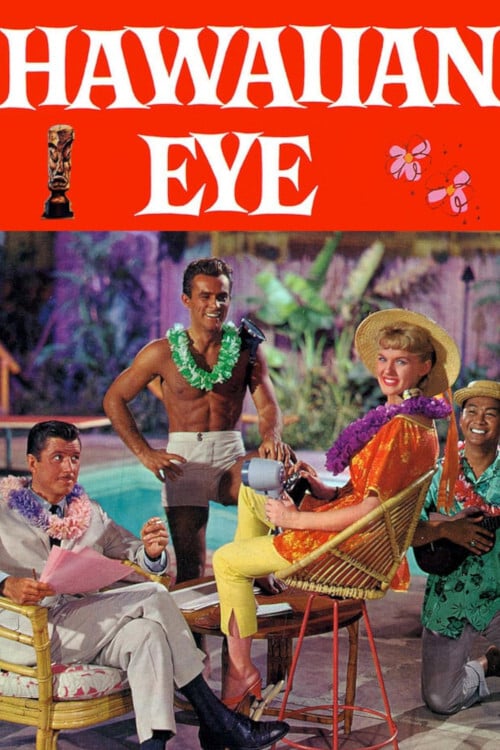 Hawaiian Eye
Serie TV5.6
- Bonanza
Serie TV7.5
- 1958
- The Rifleman
Serie TV7.1
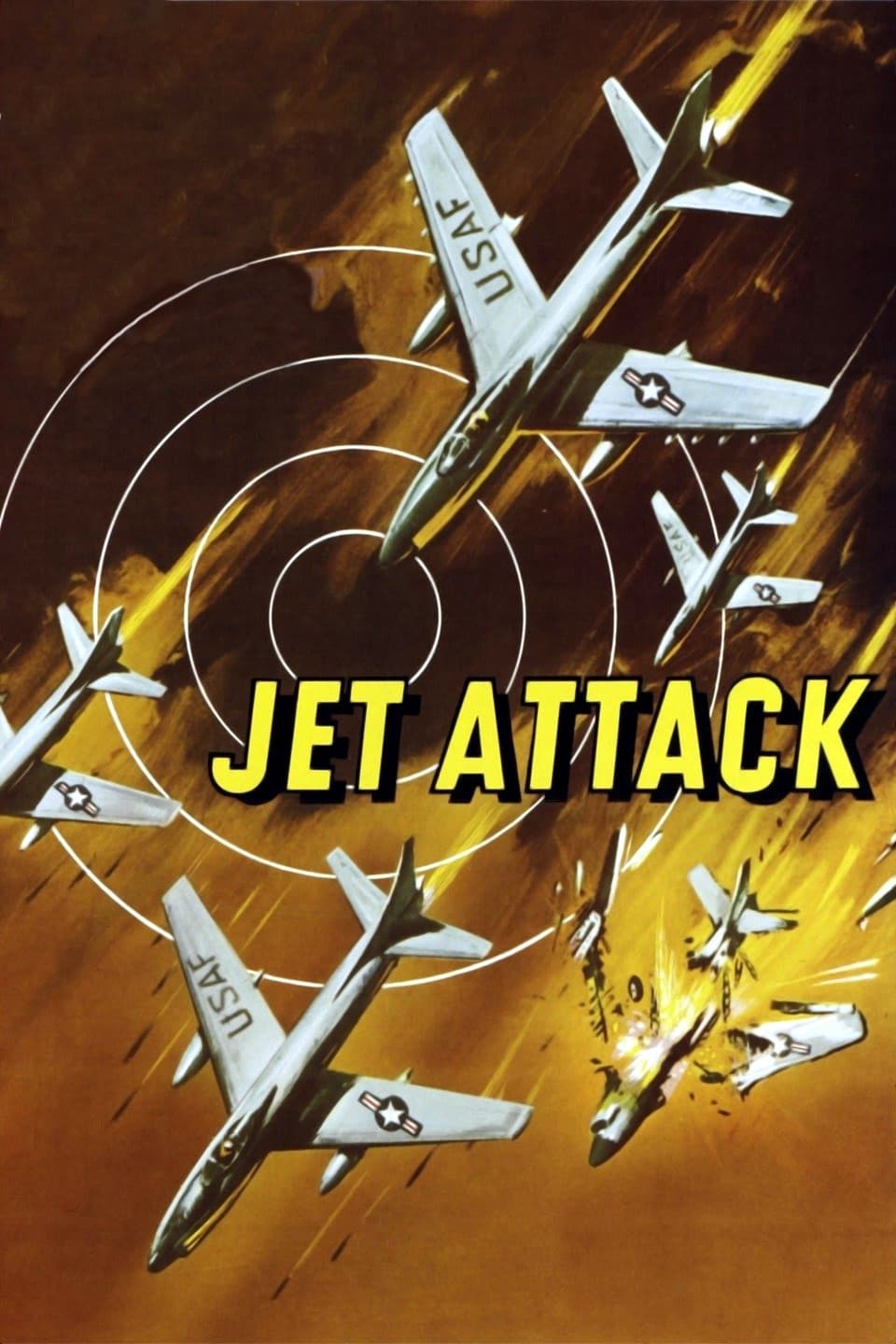 Jet Attack
Film5.4
- 1957
- Perry Mason
Serie TV7.7
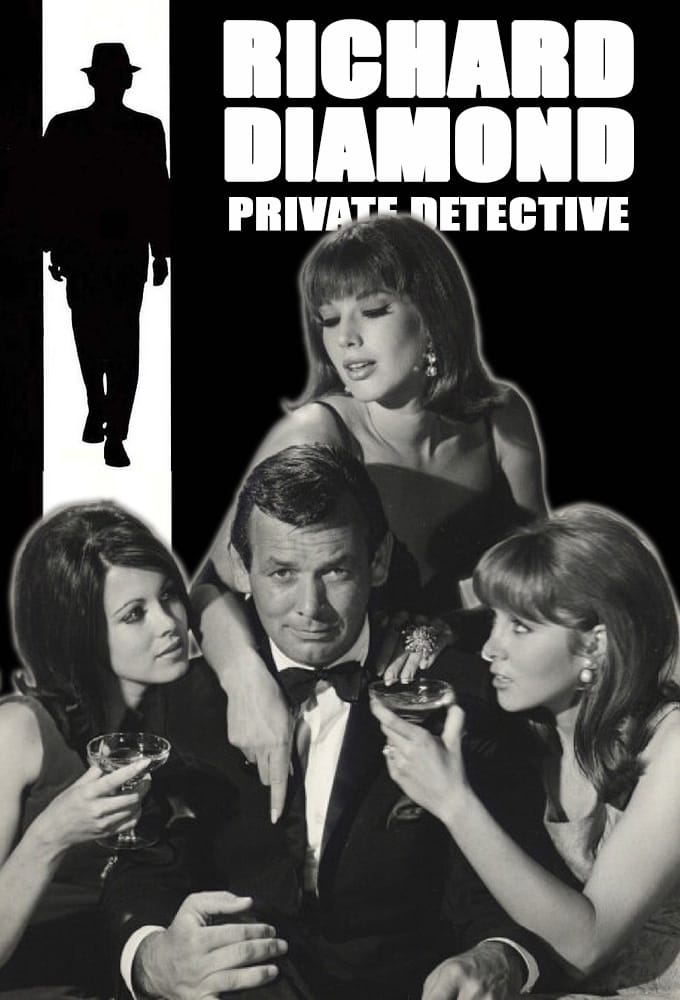 Richard Diamond, Private Detective
Serie TV6.8
- 1956
- Broken Arrow
Serie TV6.5
- 1955
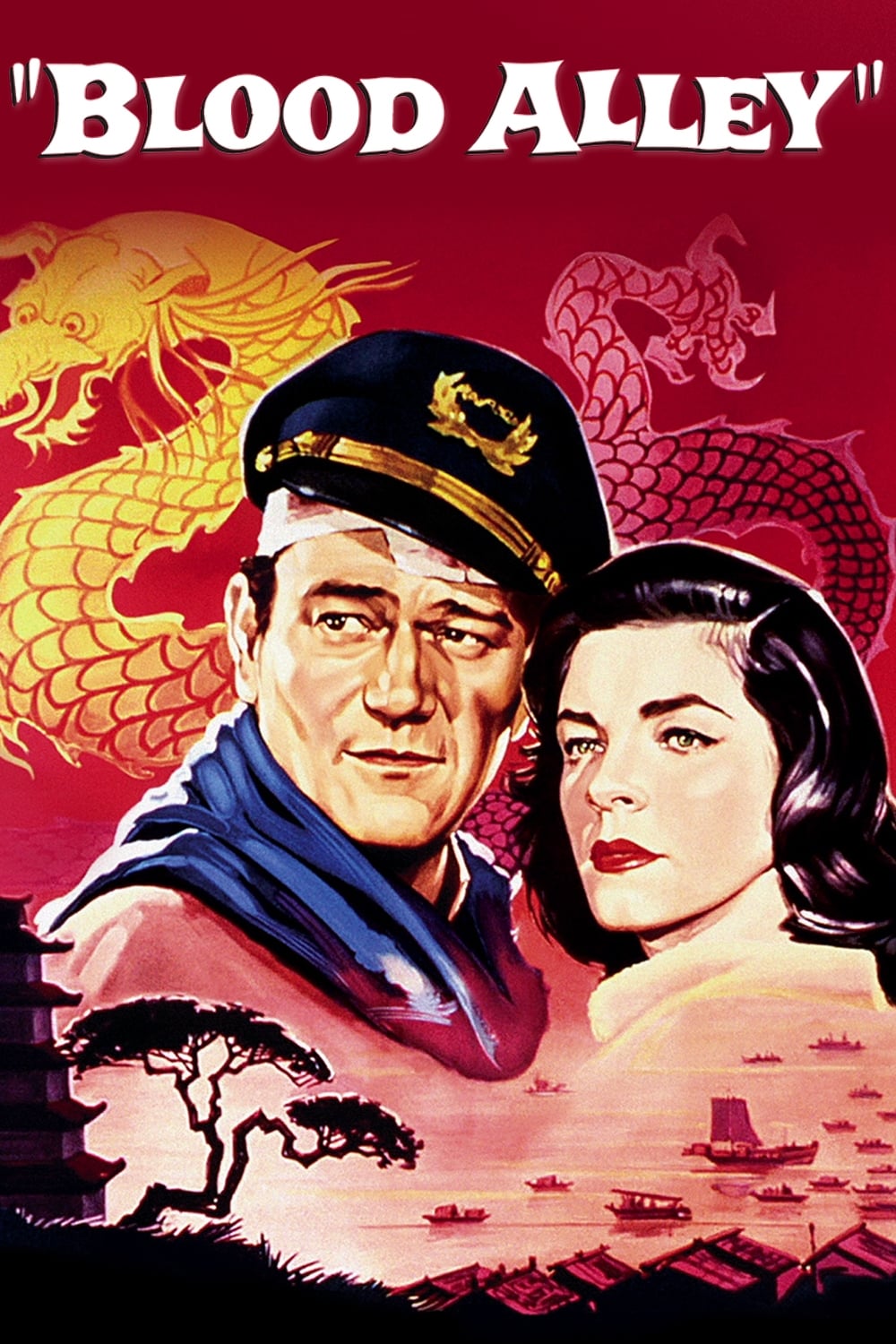
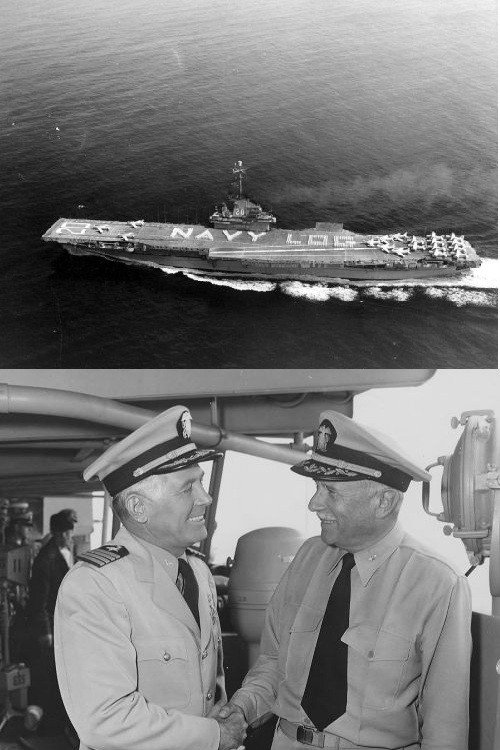 Navy Log
Serie TV5.2
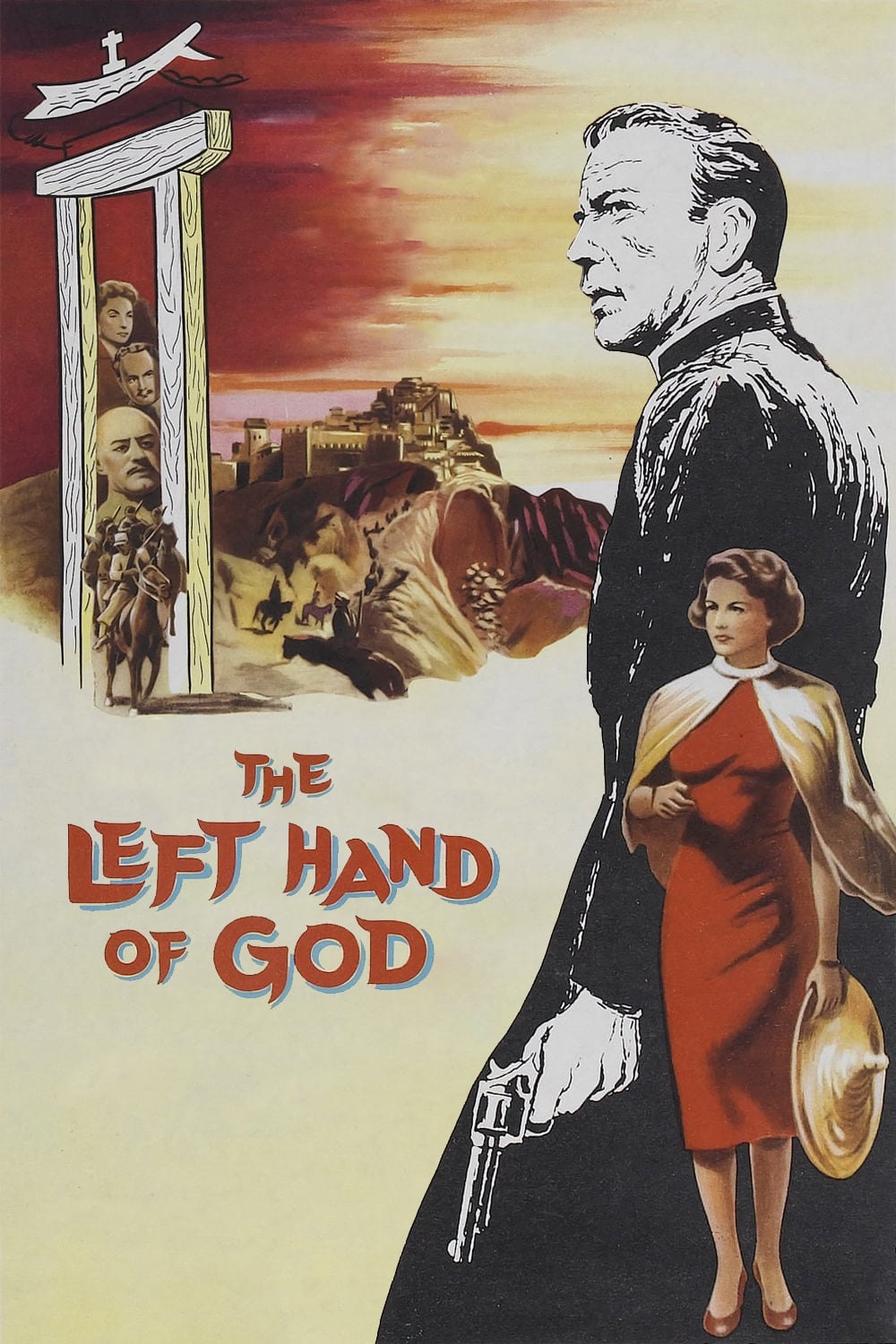
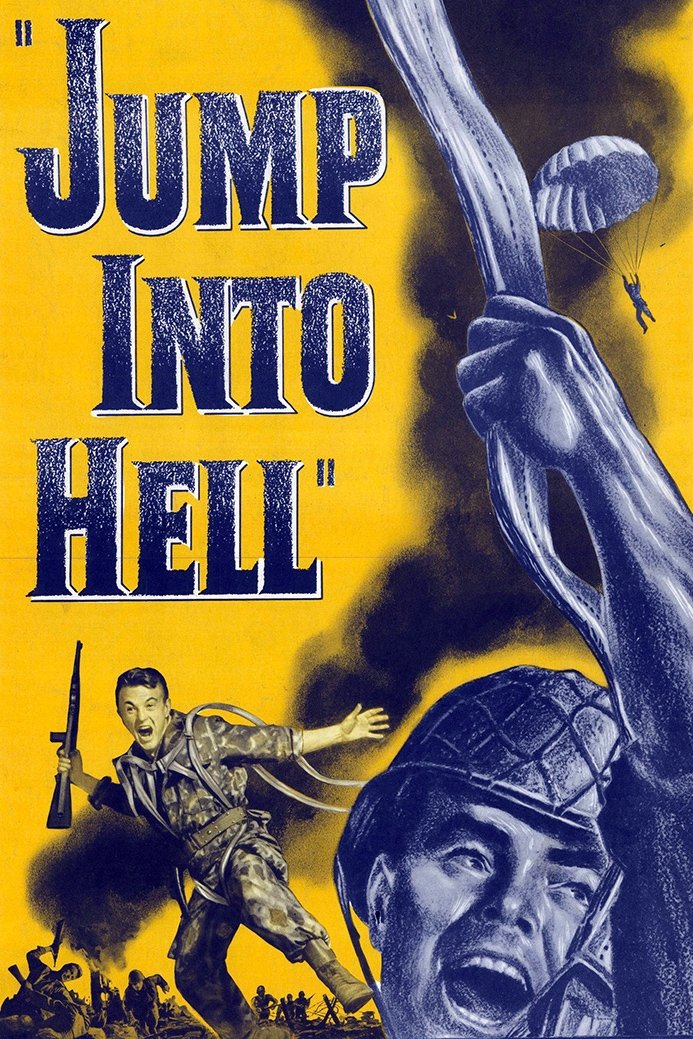 Jump Into Hell
Film4.2
- 1954
- 1953
- 1952
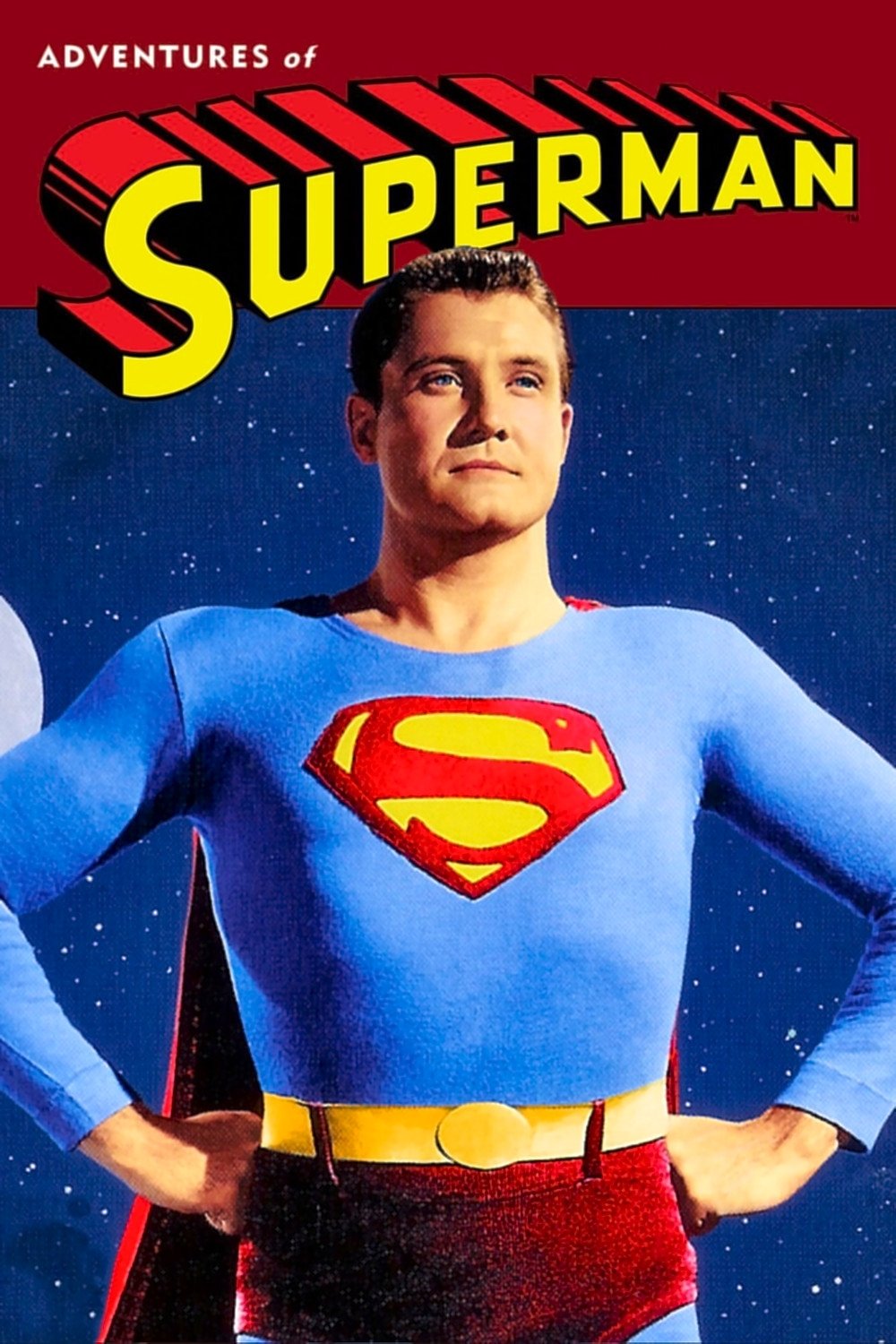 Adventures of Superman
Serie TV6.6

- 1950
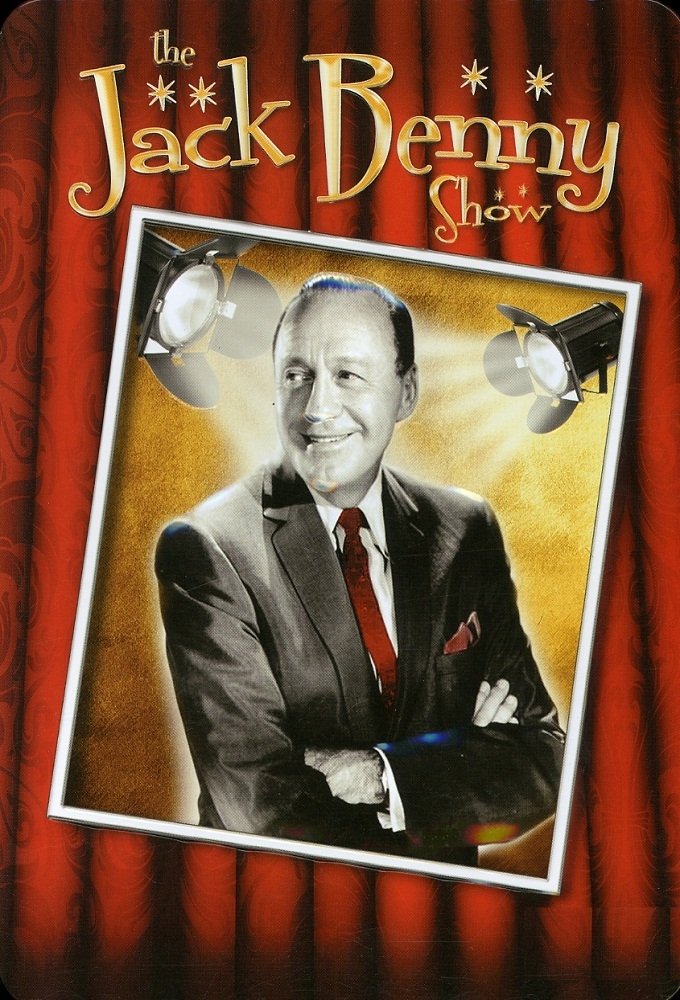 The Jack Benny Program
Serie TV7.8
- 1948
- 1946
- 1942
- 1941
- 1940
- 1938
- 1937